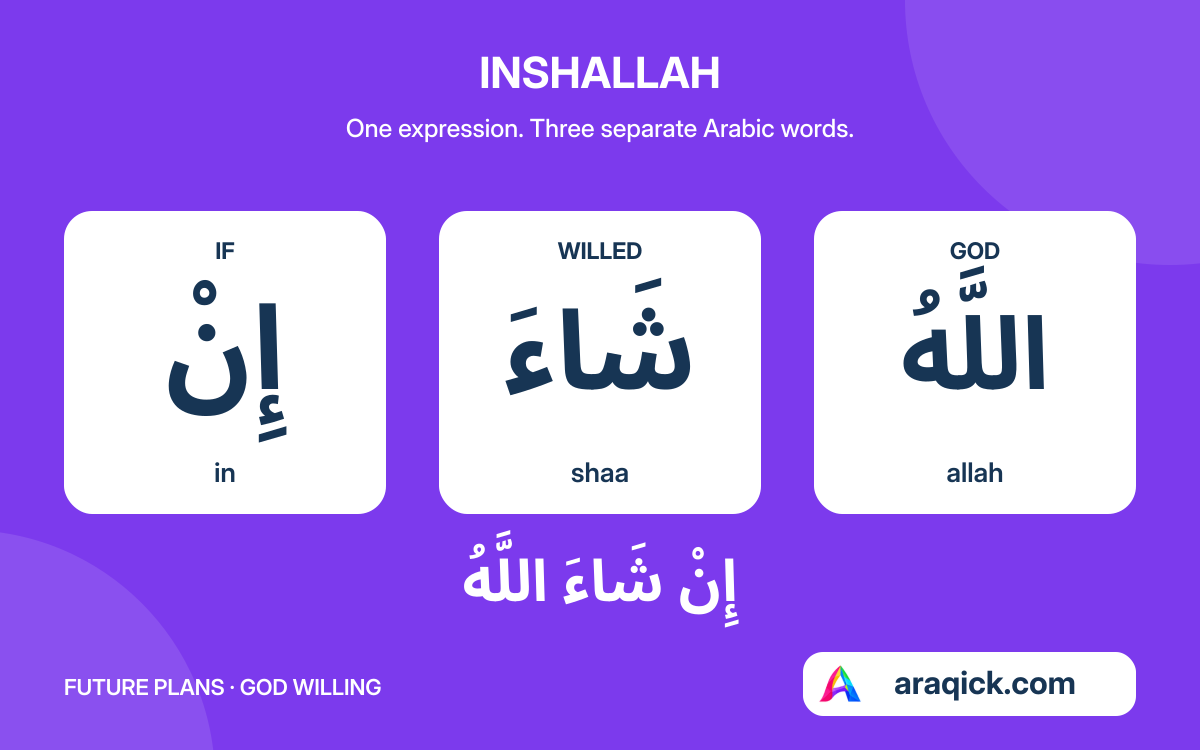
Inshallah means “if God wills” or “God willing.” In Arabic it is إِنْ شَاءَ اللَّهُ, three separate words. People use it when speaking about plans, hopes, and future outcomes. It does not, by itself, tell you whether someone is accepting, postponing, or declining a particular invitation.
01What does inshallah mean?
A plan expresses what a person intends; inshallah acknowledges that its outcome is not completely in that person’s hands. A natural English equivalent is “God willing.” Keep this meaning when you translate a whole sentence.
Standard Arabic
سَأَقْرَأُ الْقِصَّةَ إِنْ شَاءَ اللَّهُ
saaqrau alqissata in shaa allah
I will read the story, God willing.
The future action here is reading.
02How do you write it in Arabic?
in
Introduces the condition.
shaa
A past-form verb in this fixed expression.
allah
The subject of the verb.
Write إن شاء الله when omitting vowel marks. English spellings such as inshallah and in sha Allah represent the same expression. Keep the Arabic word boundaries: إِنْشَاء is a different word meaning creation or construction.
03Use it with a clear plan
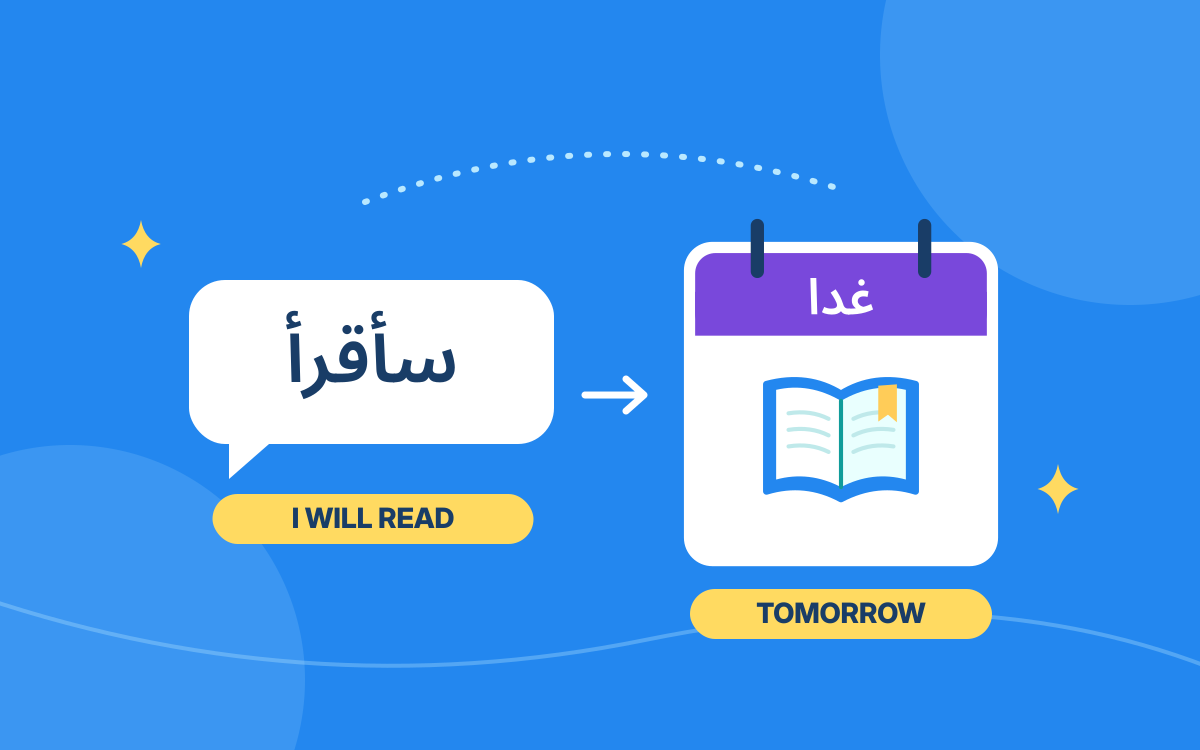
The expression is fixed, so it stays the same with I, we, or another subject. The main verb carries the change. The Arabic future tense lesson explains the beginning sa and the separate word sawfa.
سَنَبْدَأُ الدَّرْسَ غَدًا إِنْ شَاءَ اللَّهُ
sanabdau addarsa ghadan in shaa allah
We will begin the lesson tomorrow, God willing.
Give practical details when they matter: the day, time, or next step.
04Does inshallah mean yes or no?
Neither is its literal meaning. Depending on the conversation, it can accompany a firm intention, a hope, or a less definite answer. Avoid deciding that every speaker secretly means “no.” If you need to arrange something, ask a useful follow-up.
Standard Arabic clarification
هَلِ الْمَوْعِدُ مُؤَكَّدٌ؟
hali almawidu muakkad
Is the appointment confirmed?
This asks for the missing detail without guessing a person’s intention.
05Inshallah or mashallah?
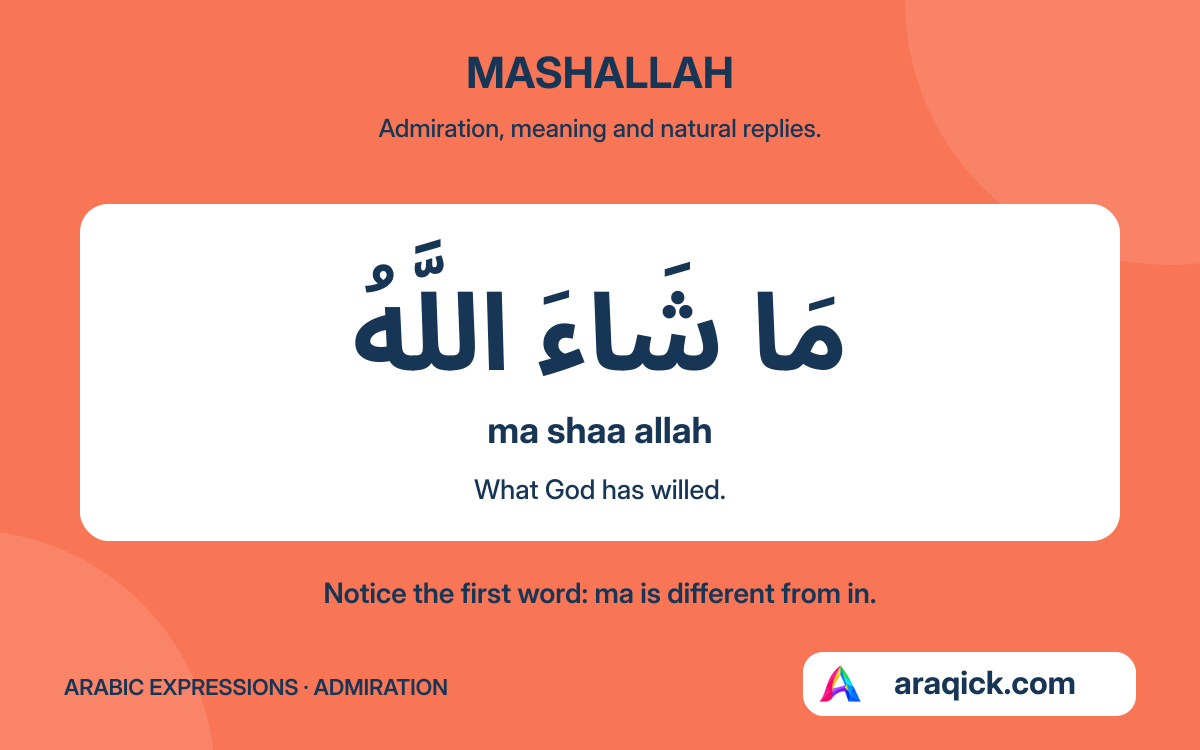
For a future intention, inshallah is the useful expression. Mashallah is often said when admiring something good. Compare two different moments: planning to finish a drawing, then seeing the completed drawing.
in shaa allah
God willing.
ma shaa allah
What God has willed.
The first word changes, and so does the function.
06How can you respond?
When sharing a hope, you can repeat inshallah. When discussing a practical plan, you can also respond to the plan itself. There is no single response that fits every use.
إِنْ شَاءَ اللَّهُ، نَلْتَقِي غَدًا
in shaa allah naltaqi ghadan
God willing, we will meet tomorrow.
The expression can come before or after the main message. Learn a complete exchange instead of attaching the same reply to every conversation.
07Read the whole message
Inshallah is closely associated with Muslim usage and also occurs among Arabic speakers of other faiths. Its literal wording refers to God; its conversational role depends on the setting.
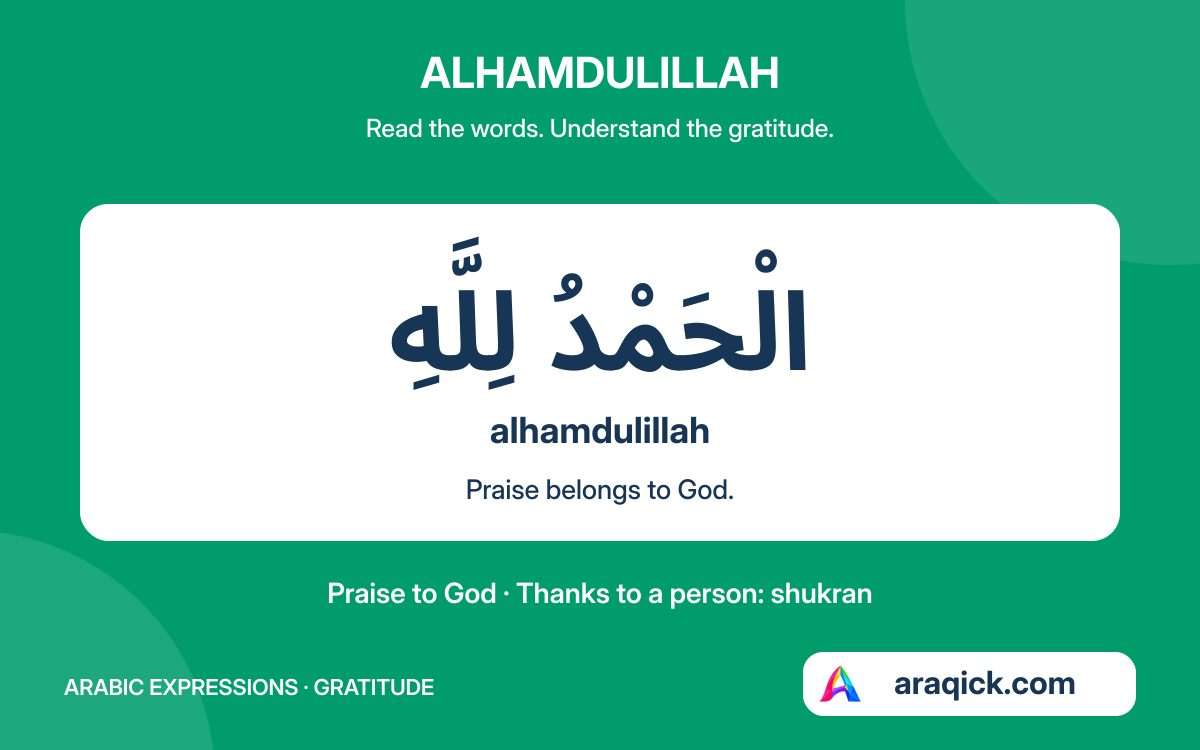
For your own practice, take one realistic study plan and add the expression. Keep the Arabic words separate, then ask yourself what still needs arranging. Compare the grammar of if in Arabic and the expression of gratitude in alhamdulillah.
What to remember
- Write إن شاء الله as three words: in, shaa, Allah.
- Use it with plans and hopes; confirm practical details when needed.
- Inshallah and mashallah have different conversational functions.
Your reference shelf
Open a guide whenever you need it.
Plans, admiration and gratitudeChoose the expression for the meaning you intend.
| Arabic | Reading | Core meaning | Typical purpose |
|---|---|---|---|
| إِنْ شَاءَ اللَّهُ | in shaa allah | If God wills | A plan or hope |
| مَا شَاءَ اللَّهُ | ma shaa allah | What God has willed | Admiration |
| الْحَمْدُ لِلَّهِ | alhamdulillah | Praise belongs to God | Praise and gratitude |
This is a practical comparison, not a rule limiting every possible use.
Sources & further learning
References for the language explanations and learning guidance.