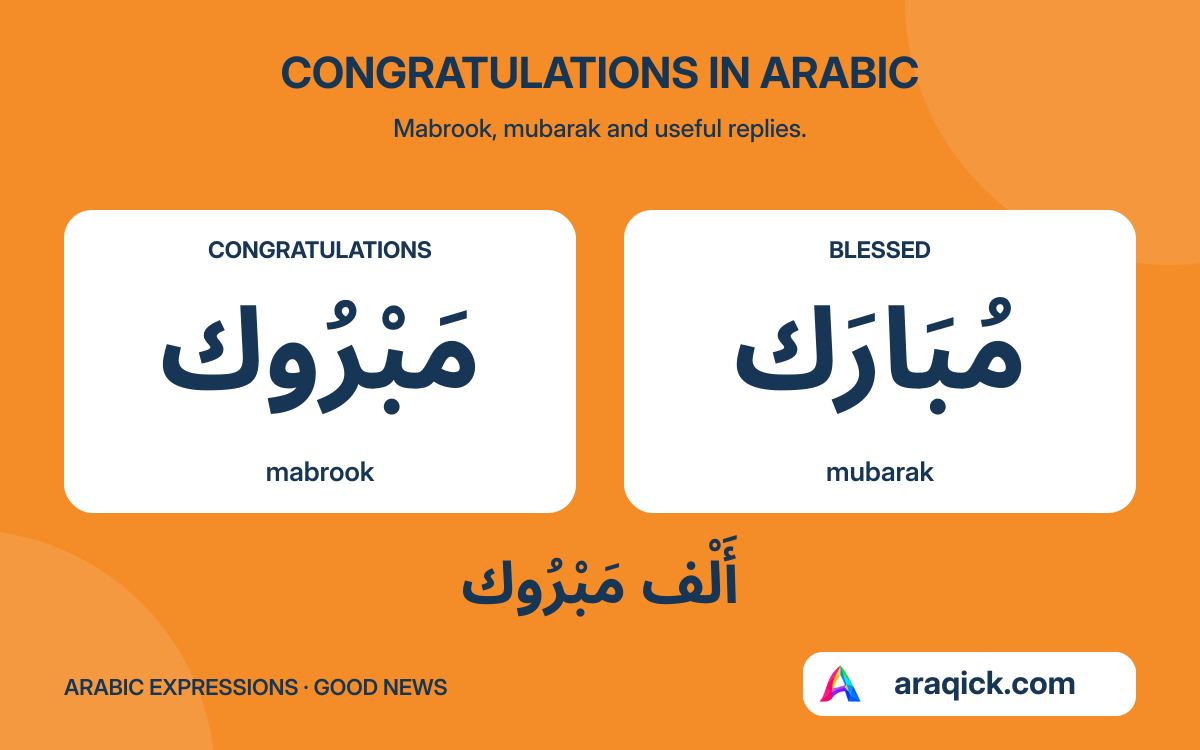
A common way to say “congratulations” in Arabic is مَبْرُوك (mabrook). أَلْف مَبْرُوك adds enthusiasm: “many congratulations.” مُبَارَك (mubarak) means “blessed” and appears in formal congratulations and familiar greetings. You can respond with thanks or a suitable blessing, choosing the listener form where needed.
01What does mabrook mean?
Use mabrook to congratulate someone on happy news or an achievement. It can be a complete short message in a familiar conversation. English spellings include mabrook, mabruk and mabrouk; the Arabic spelling remains the same.
مَبْرُوك
mabrook
Congratulations.
Imagine a friend tells you that a long-awaited course result has arrived. Mabrook acknowledges that success.
02Add warmth with alf mabrook
Common conversational expression
أَلْف مَبْرُوك
alf mabrook
Many congratulations!
Alf literally means “a thousand.” Here it strengthens the congratulations; you do not need to count a thousand separate wishes. Learn the expression as a friendly whole.
A message can also name the achievement. That extra detail often makes a short congratulation feel more personal than repeating several enthusiastic phrases.
03Mabrook or mubarak?
mabrook
Congratulations.
mubarak
Blessed; used in greetings and congratulations.
Mubarak appears in expressions such as عِيد مُبَارَك (eid mubarak), “a blessed Eid.” Mabrook is an established everyday congratulation. Mubarak preserves the meaning “blessed” in wishes and greetings. Choose the expression suited to the occasion and register.
04Write a clear formal congratulation
Standard Arabic · addressing a woman
أُهَنِّئُكِ بِهَذَا النَّجَاحِ
uhanniuki bihadha annajah
I congratulate you on this success.
To a man, use أُهَنِّئُكَ (uhanniuka). The listener ending changes just as it does in other attached object forms. تَهَانِينَا (tahanina), “our congratulations,” is another useful wording for a card or a message from a group.
Review object pronouns for the ka and ki endings.
05Reply with thanks
shukran laka
Thank you.
shukran laki
Thank you.
These are simple replies to a congratulation. Choose according to the person you are thanking. The same person may use laka in one reply and laki in another because the listener has changed.
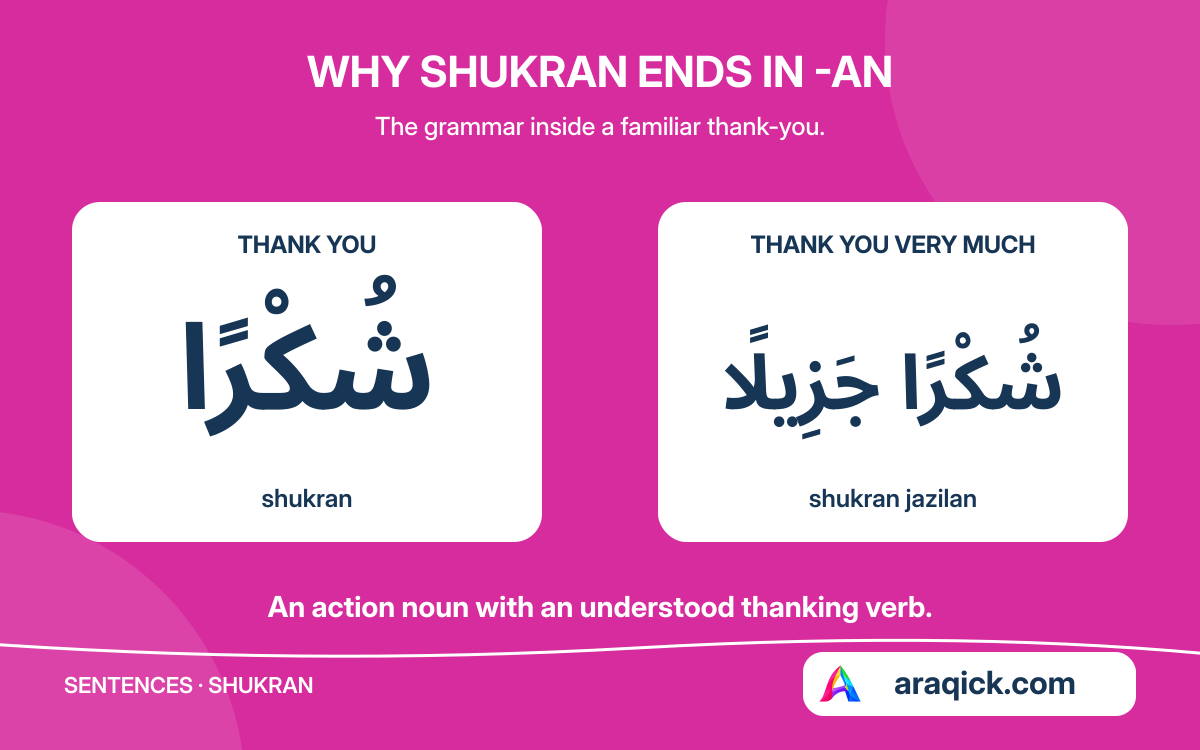
For more on the thanking expression, see why shukran ends in an.
06Reply with a blessing
Standard Arabic · addressing a woman
بَارَكَ اللَّهُ فِيكِ
baraka allahu fiki
May God bless you.
Use فِيكَ (fika) when addressing a man. You may also hear the spoken reply الله يبارك فيك, with regional readings such as allah ybarik fik. It serves as a warm blessing in response.
Choose wording that fits the conversation. A plain thank-you also works.
07Match the message to the occasion
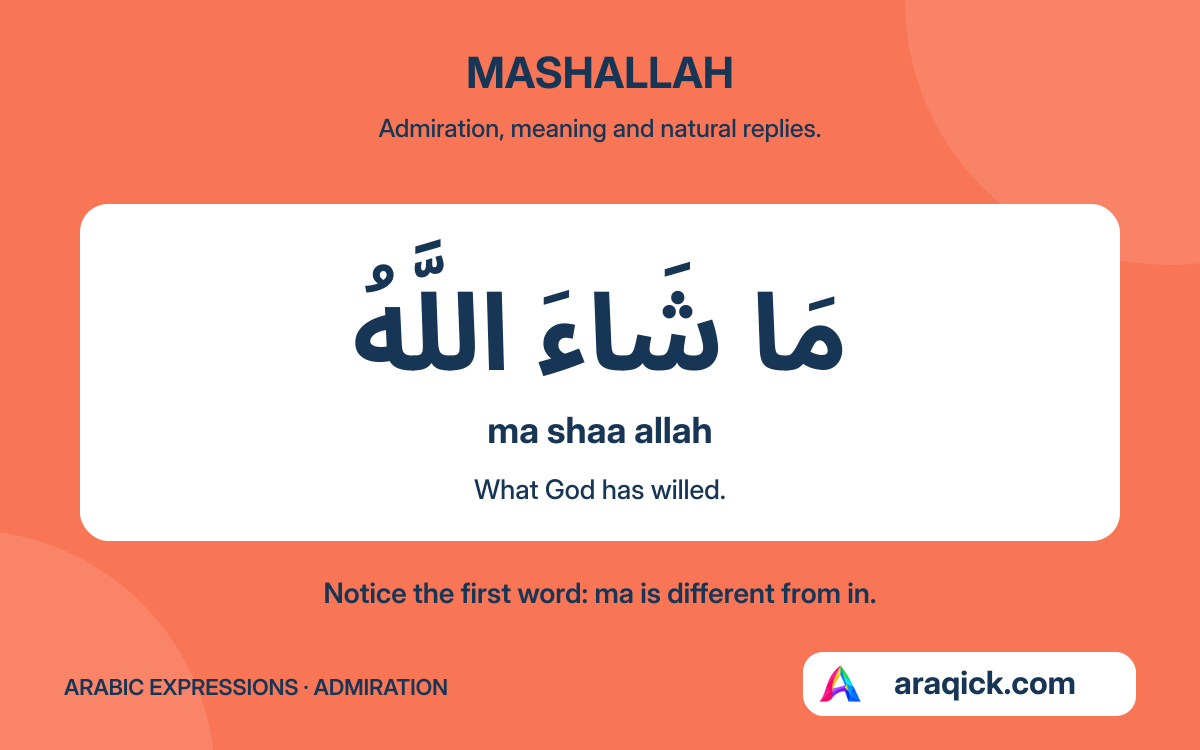
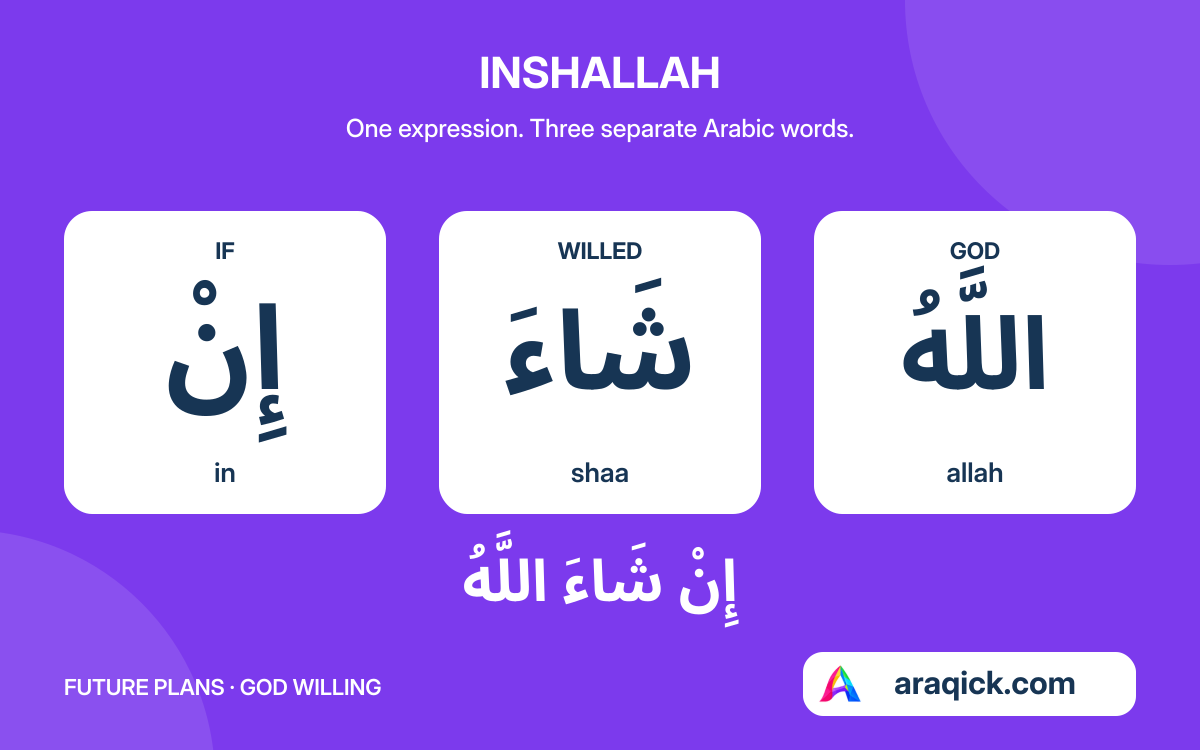
A success invites congratulations; a compliment may invite thanks; a future plan can invite a good wish. Keep the event in mind. Mashallah can express admiration, while inshallah accompanies a future hope.
Try a two-message exchange: congratulate a friend on completing a course, then write that friend’s reply. Keep the listener forms correct when the roles switch. Use the reference chart when you need a quick reminder.
What to remember
- Mabrook is common congratulations; alf mabrook adds enthusiasm.
- Mubarak means blessed and occurs in greetings and formal congratulations.
- Reply with thanks or a suitable blessing, and check the listener ending on each turn.
Your reference shelf
Open a guide whenever you need it.
Congratulations and repliesChoose an expression and check whom it addresses.
| Arabic | Reading | Meaning / use |
|---|---|---|
| مَبْرُوك | mabrook | Congratulations |
| أَلْف مَبْرُوك | alf mabrook | Many congratulations |
| مُبَارَك | mubarak | Blessed |
| تَهَانِينَا | tahanina | Our congratulations |
| شُكْرًا لَكَ / شُكْرًا لَكِ | shukran laka / shukran laki | Thank you to a man / woman |
| بَارَكَ اللَّهُ فِيكَ / بَارَكَ اللَّهُ فِيكِ | baraka allahu fika / fiki | May God bless you; to a man / woman |
Sources & further learning
References for the language explanations and learning guidance.