Ma… illa combines a negative statement with an exception to express only: nobody except, nothing except, or nowhere except. What follows illa identifies the restricted person, thing or circumstance. In the pattern taught here, no general group is stated for the exception, so the following words keep their normal sentence roles.
01Restrict who did the action
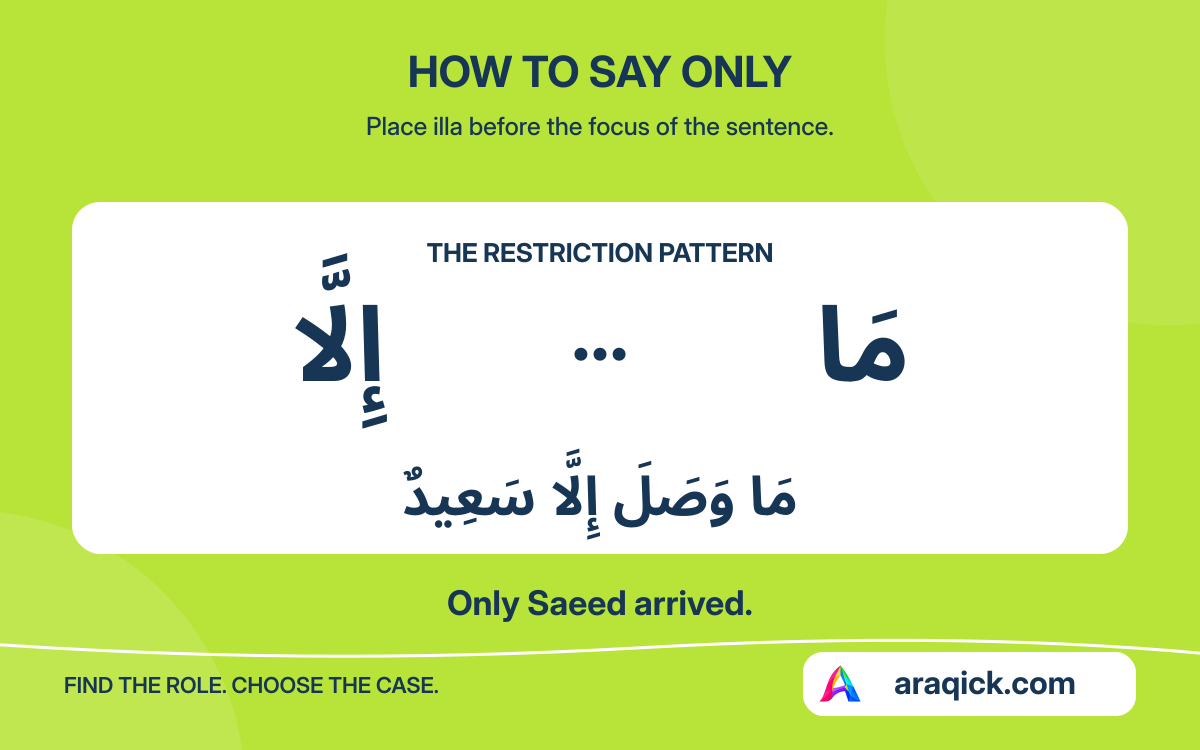
مَا وَصَلَ إِلَّا سَعِيدٌ
ma wasala illa saidun
Only Saeed arrived.
The literal relationship is nobody arrived except Saeed. Saidun is the subject of wasala, so it is nominative. Illa does not automatically make the next noun accusative. The sentence does not first name a group such as the guests.
02Restrict what received the action
مَا حَمَلْتُ إِلَّا حَقِيبَةً
ma hamaltu illa haqibatan
I carried only a bag.
The suffix tu already gives the subject, I. Haqibatan answers what I carried, so it is an accusative object. The same ma… illa frame now restricts the object rather than the person doing the action.
To find the case, identify the underlying role in the positive clause: I carried a bag. This is a grammar check, not an instruction to discard the meaning of only.
03Restrict a place or another phrase
مَا جَلَسْتُ إِلَّا فِي الْمَكْتَبِ
ma jalastu illa fi almaktabi
I sat only in the office.
The whole phrase fi almaktabi follows illa. Fi keeps its normal effect, making almaktabi genitive. Illa can therefore introduce more than a single noun.
مَا هَذَا إِلَّا تَمْرِينٌ
ma hadha illa tamrinun
This is only an exercise.
Tamrinun is a nominative predicate. Ask what grammatical job the restricted expression performs.
04Place illa before the intended focus
مَا حَمَلَ الْحَقِيبَةَ إِلَّا سَعِيدٌ
ma hamala alhaqibata illa saidun
Only Saeed carried the bag.
مَا حَمَلَ سَعِيدٌ إِلَّا الْحَقِيبَةَ
ma hamala saidun illa alhaqibata
Saeed carried only the bag.
The first sentence restricts the carrier; the second restricts the item carried. Notice the case endings even when the noun order changes. An earlier noun such as the bag is not automatically an exception group.
05Distinguish this from a stated-group exception
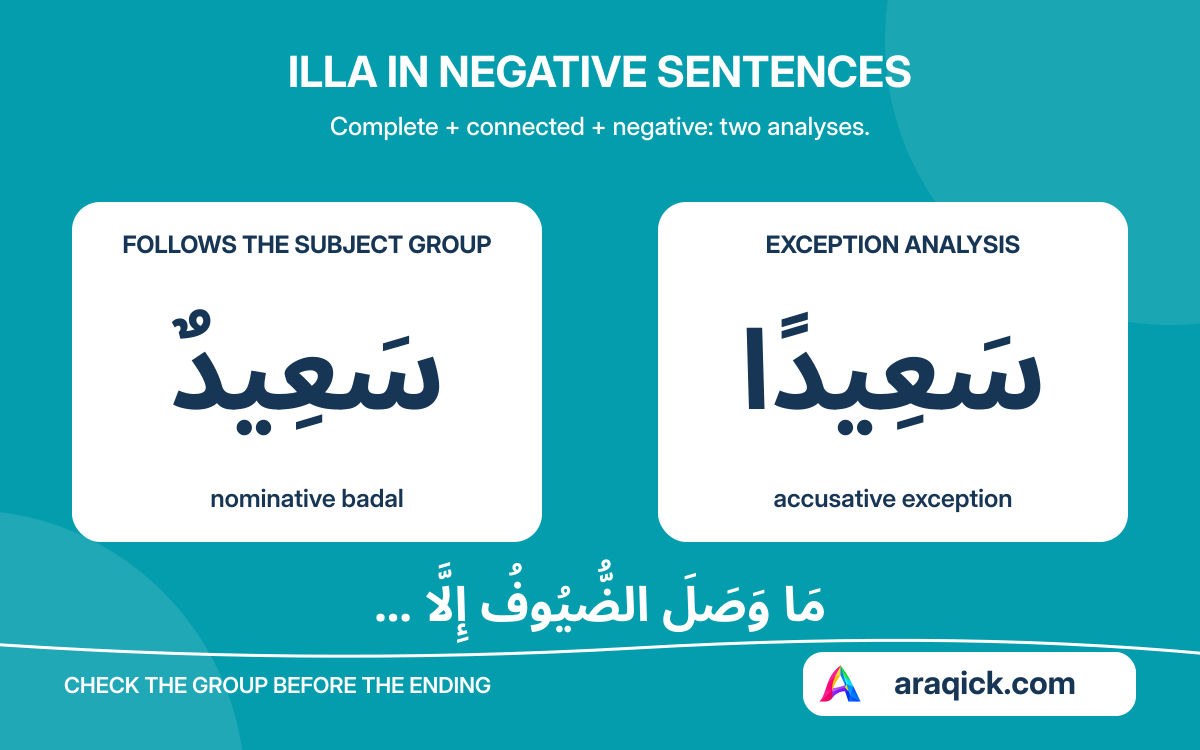
In مَا وَصَلَ الضُّيُوفُ إِلَّا سَعِيدٌ, no guests arrived except Saeed, the group alduyuf is stated. That complete negative exception has additional case options. See illa in negative sentences before applying one rule to both structures.
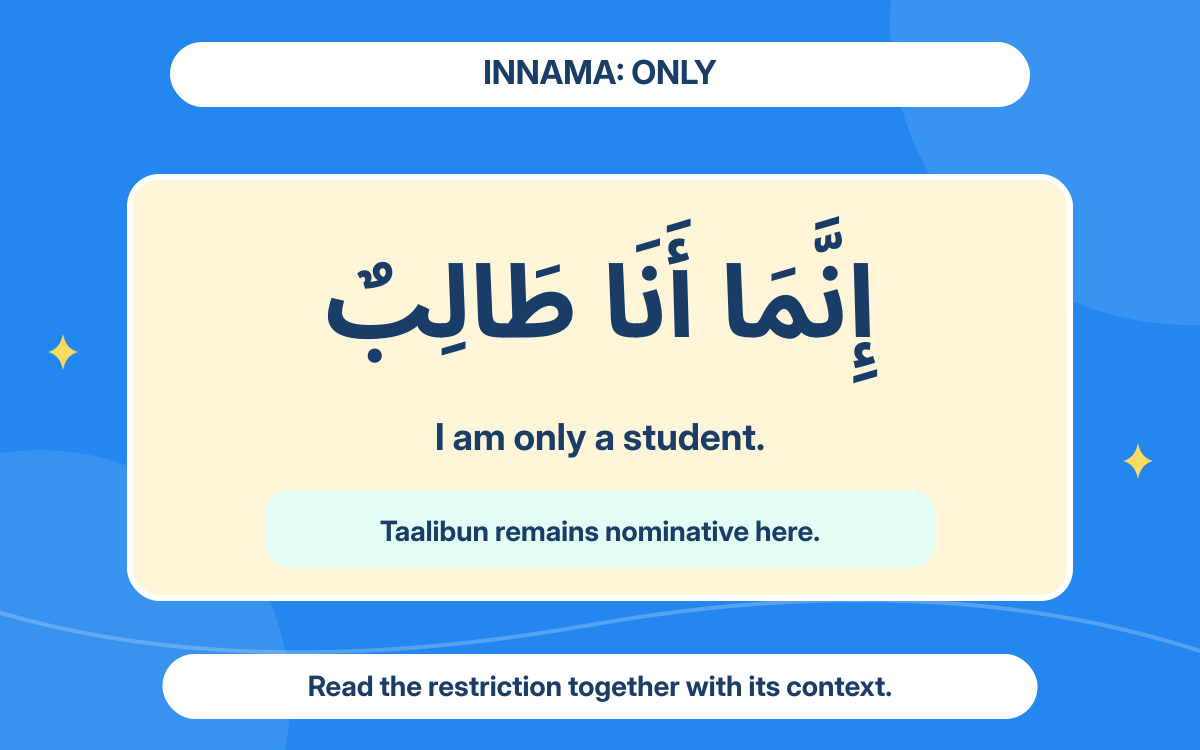
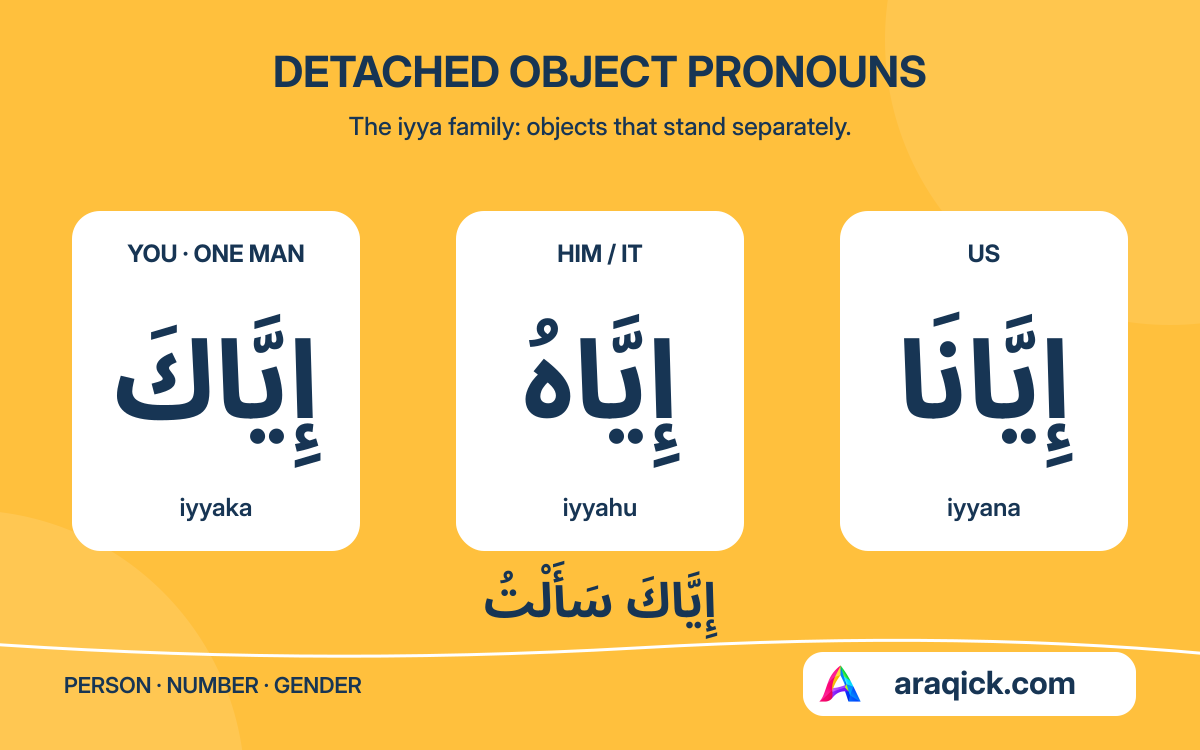
Compare innama for only for another restriction pattern. After illa, an independent object pronoun may be needed: مَا قَابَلْتُ إِلَّا إِيَّاهُ, I met only him. Review the iyya pronouns and case endings.
What to remember
- Ma… illa can restrict a person, object, place or description.
- Without a stated exception group, the following words keep the case their sentence role requires.
- Put illa before the intended focus and distinguish this pattern from complete exceptions.
Your reference shelf
Open a guide whenever you need it.
Case depends on the roleIlla does not assign one ending to every following word
| Role | Example | Case reason |
|---|---|---|
| Subject | مَا وَصَلَ إِلَّا سَعِيدٌ | Saidun is nominative as subject. |
| Object | مَا حَمَلْتُ إِلَّا حَقِيبَةً | Haqibatan is accusative as object. |
| After a preposition | مَا جَلَسْتُ إِلَّا فِي الْمَكْتَبِ | Almaktabi is genitive after fi. |
| Predicate | مَا هَذَا إِلَّا تَمْرِينٌ | Tamrinun is nominative as predicate. |
Change the focus, keep the rolesWord order can change what only restricts
| Focus | Sentence | Meaning |
|---|---|---|
| Carrier | مَا حَمَلَ الْحَقِيبَةَ إِلَّا سَعِيدٌ | Only Saeed carried the bag. |
| Item | مَا حَمَلَ سَعِيدٌ إِلَّا الْحَقِيبَةَ | Saeed carried only the bag. |
This pattern is often called mufarragh: the general exception group is unstated. It is a complete message, even though its traditional exception analysis calls it incomplete.
Sources & further learning
References for the language explanations and learning guidance.