To say I have in Arabic, use indi, then name what you have: indi kitab means I have a book. This short Modern Standard Arabic pattern also works when you have a question. Learn the statement, ask someone else, and practise a useful reply.
01Start with something you have
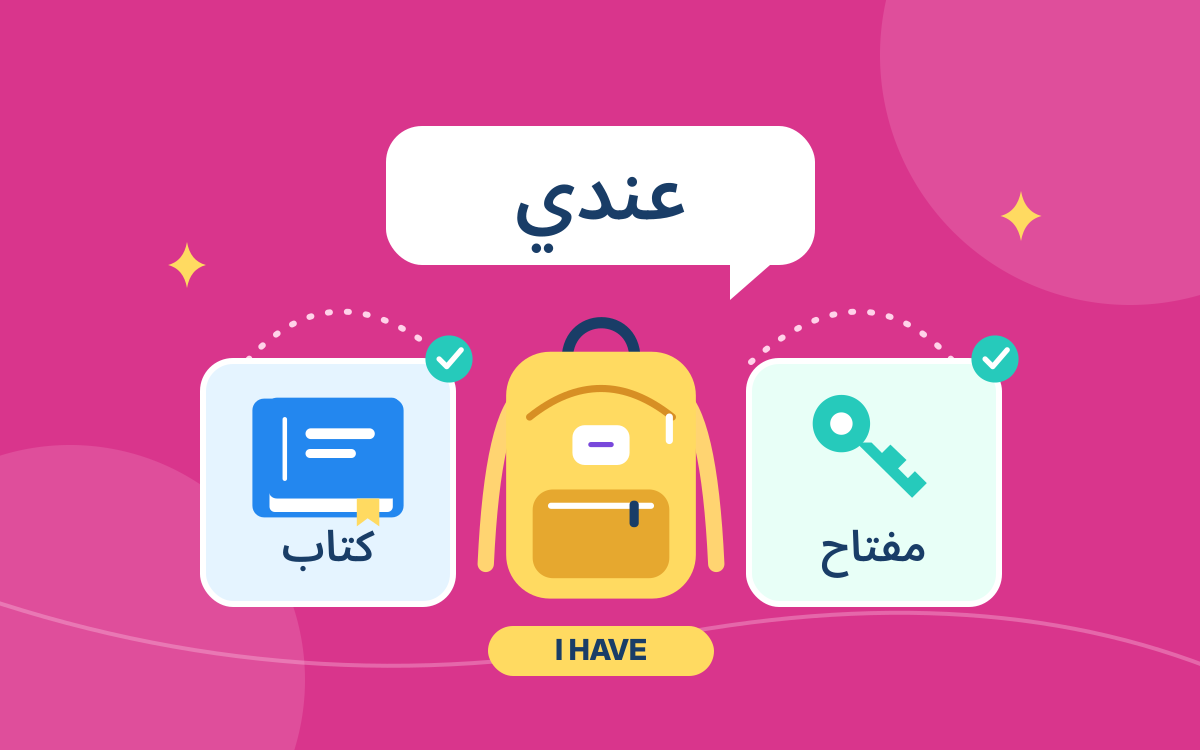
indi kitab
I have a book.
Think of indi as “in my possession.” It already includes the meaning of I, so you can begin with it directly. Keep عِنْدِي and كِتَاب as two separate words.
A man or a woman can use exactly the same statement. The ending in indi refers to the speaker.
02Change the item, keep indi
indi miftah
I have a key.
مِفْتَاح miftah means key; قَلَم qalam means pen. Say عِنْدِي قَلَم indi qalam for I have a pen.
Choose one object near you and finish the sentence. Indi stays the same whether the item is a book, a key or a pen. These examples introduce an item, so the noun has no al, the prefix meaning the.
03Ask: Do you have a pen?
hal indaka qalam
Do you have a pen? Addressing one man.
hal indaki qalam
Do you have a pen? Addressing one woman.
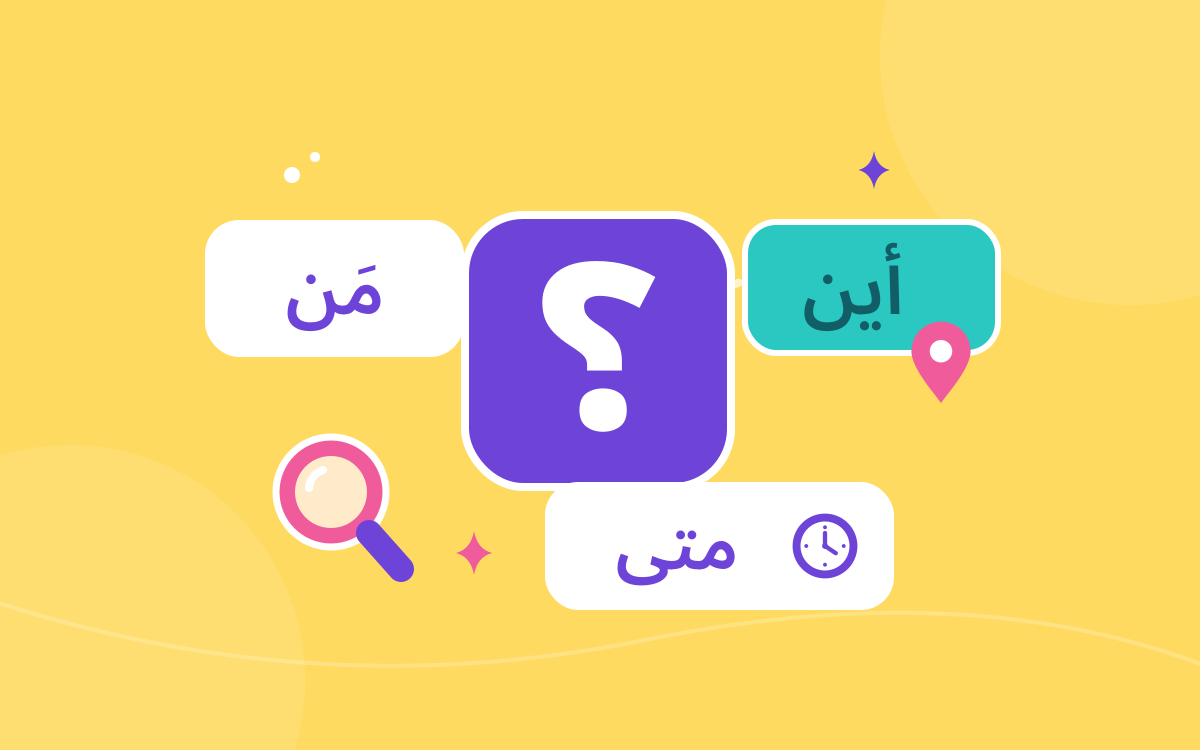
هَلْ hal introduces a yes or no question. Change indi to indaka or indaki because you are now asking about the other person.
The final vowel follows the person you address. It does not depend on your own gender or on the pen. Read the two questions aloud and listen for ka versus ki.
04Give a complete answer
Yes: نَعَمْ، عِنْدِي قَلَم
naam indi qalam
Yes, I have a pen.
No: لَا، لَيْسَ عِنْدِي قَلَم
la laysa indi qalam
No, I do not have a pen.
In the negative answer, la means no, while laysa makes the following statement negative. Learn laysa indi qalam as a complete model for this masculine noun. The negative construction has agreement rules when you use other nouns.
05You can have a question, too
عِنْدِي سُؤَال
indi sual
I have a question.
Use this when you want to ask about a lesson, an instruction or something you have just heard. سُؤَال sual means question. You are introducing something to discuss, rather than naming an object in your bag.
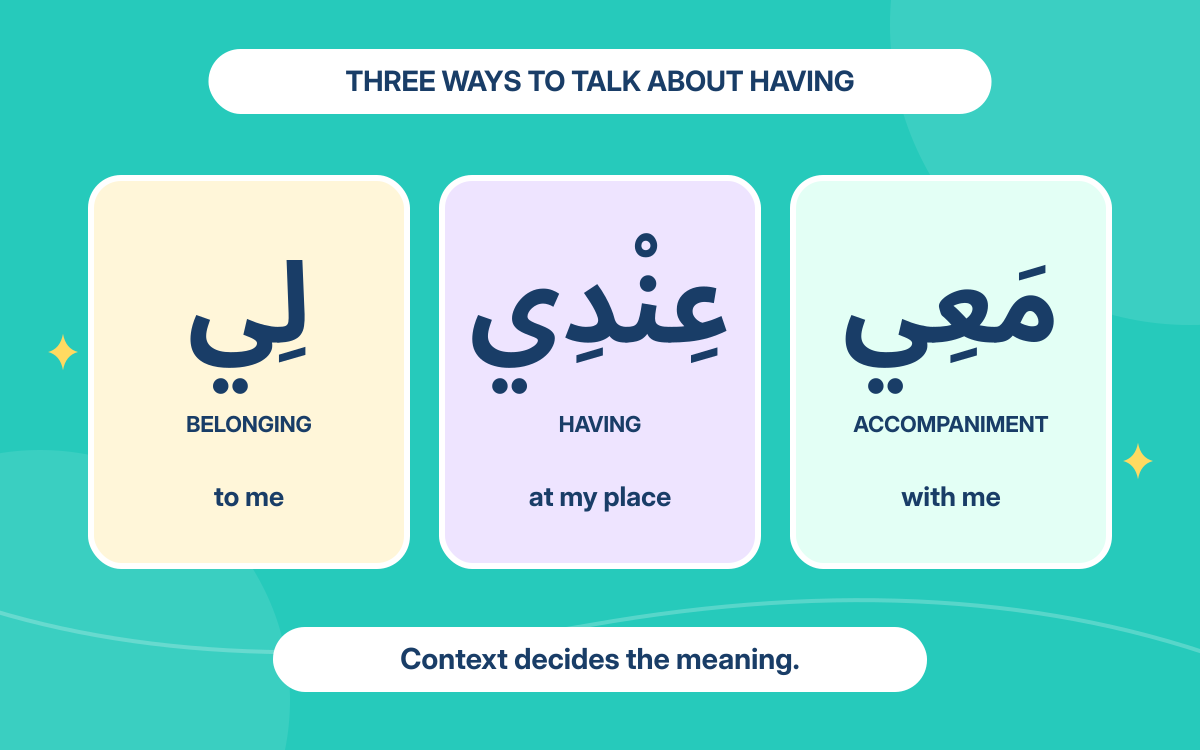
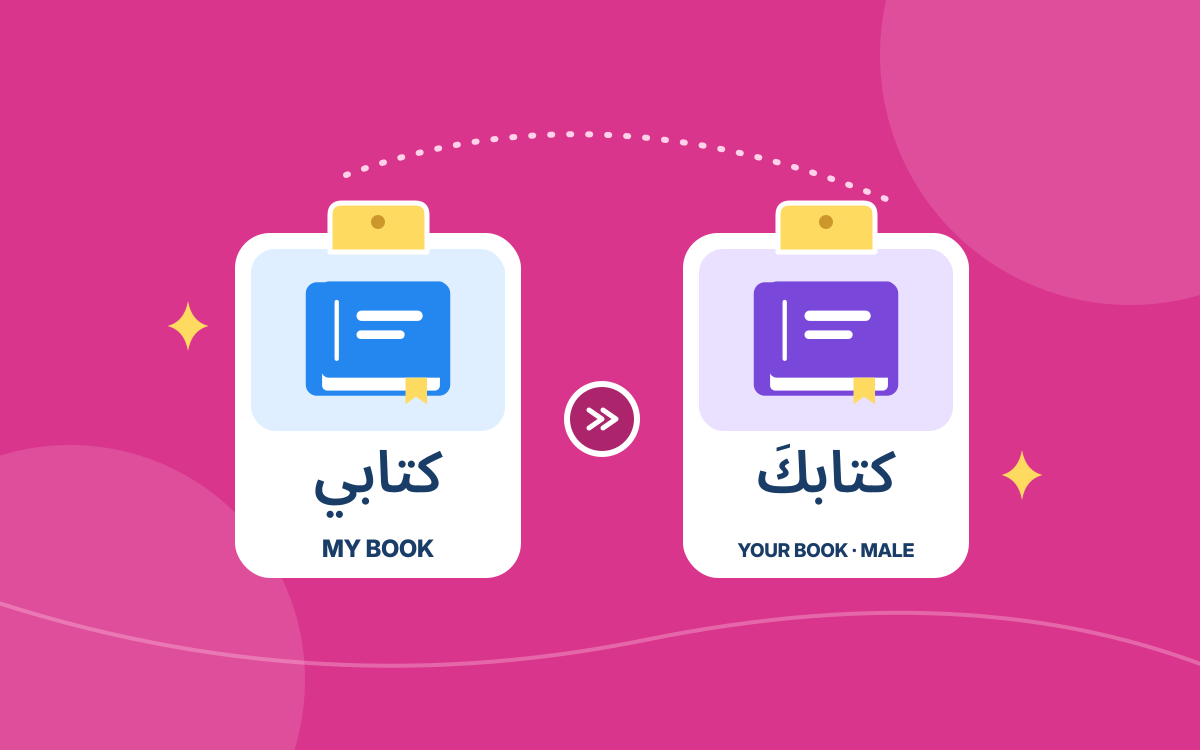
Keep one useful distinction: كِتَابِي kitabi means my book; عِنْدِي كِتَاب says I have a book. One names a belonging; the other makes a statement. Try saying what you have before looking at the choices below.
What to remember
- Indi followed by a noun makes a short I have statement.
- Hal indaka asks one man; hal indaki asks one woman.
- Indi sual is a useful way to introduce a question.
Your reference shelf
Open a guide whenever you need it.
Keep these possession phrases handyOpen the statements, two questions and the negative pen reply
| Meaning | Arabic | Plain reading aid |
|---|---|---|
| I have a book | عِنْدِي كِتَاب | indi kitab |
| I have a key | عِنْدِي مِفْتَاح | indi miftah |
| I have a question | عِنْدِي سُؤَال | indi sual |
| Do you have a pen? To one man | هَلْ عِنْدَكَ قَلَم؟ | hal indaka qalam |
| Do you have a pen? To one woman | هَلْ عِنْدَكِ قَلَم؟ | hal indaki qalam |
| I do not have a pen | لَيْسَ عِنْدِي قَلَم | laysa indi qalam |
Indi is one common way to express having something. You may also meet ladayya and other constructions in MSA. The reading aids here simplify sounds and some grammatical endings; use them beside the Arabic spelling.
Sources & further learning
References for the language explanations and learning guidance.