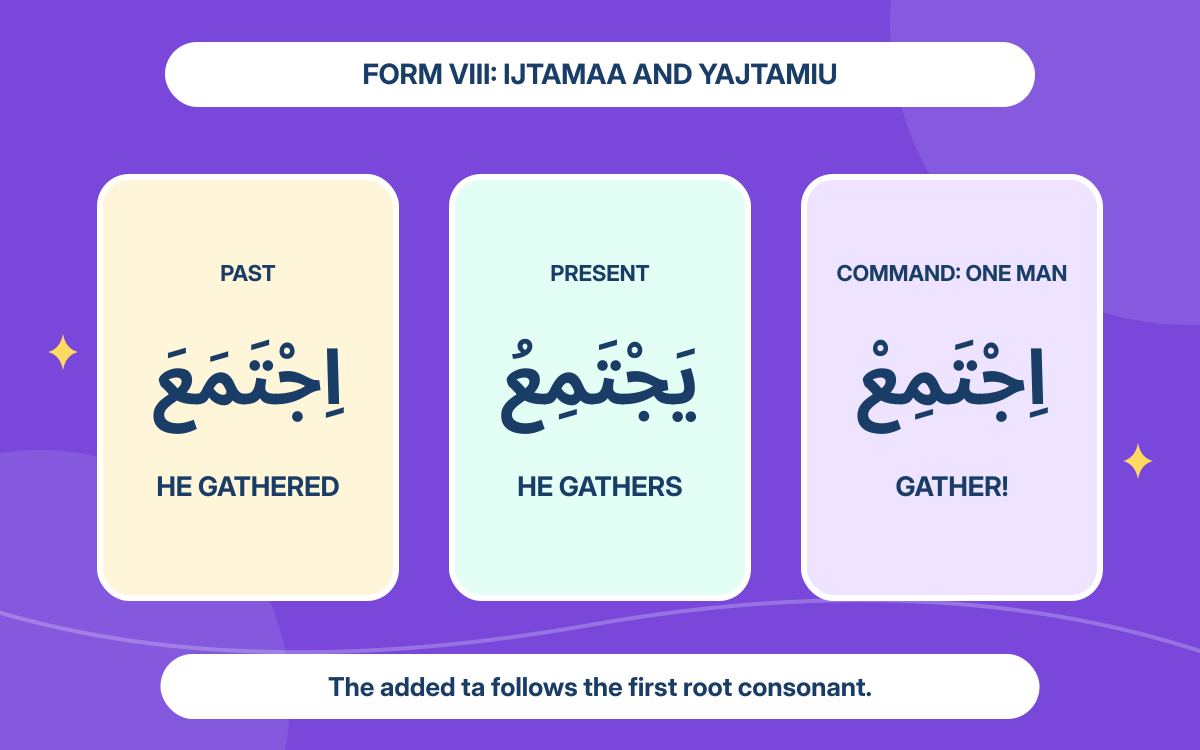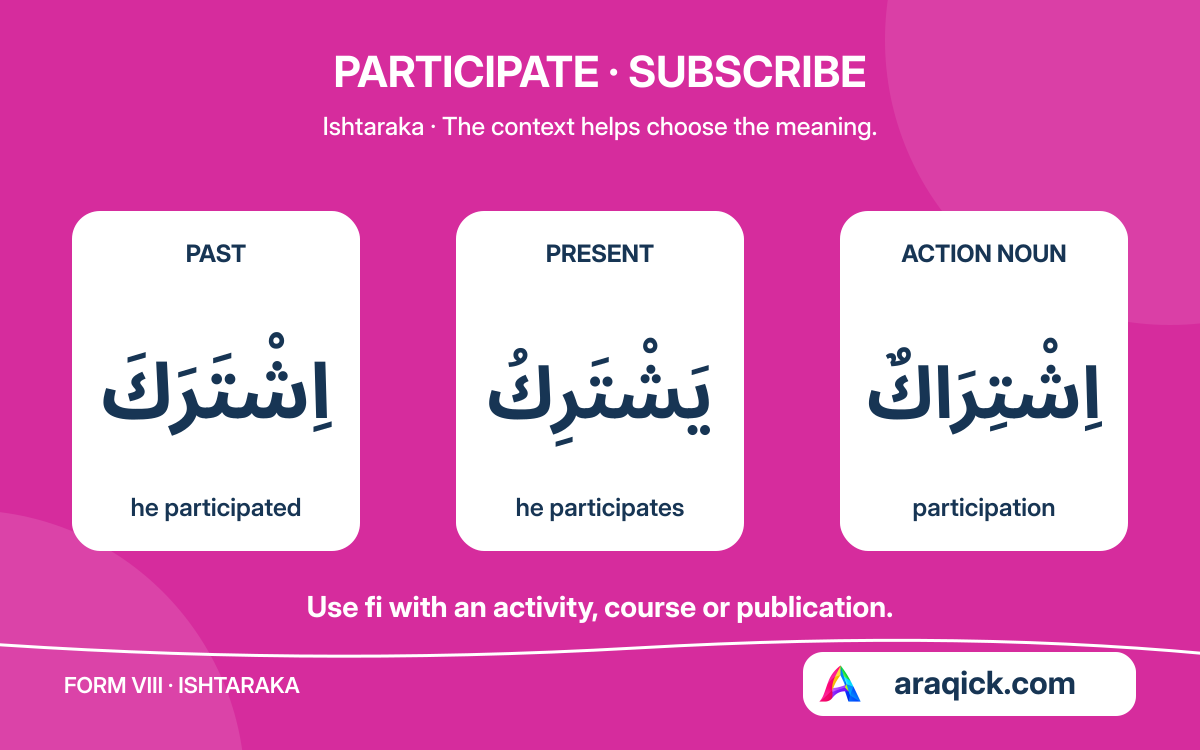
Ishtaraka is a Form VIII verb from ش ر ك. Depending on context, it can mean participate, share in something or subscribe. Its present form is yashtariku. A useful everyday frame is ishtaraka fi followed by the activity, course or publication involved.
01Join an activity with fi
اِشْتَرَكَتْ سَلْمَى فِي الْمُسَابَقَةِ
ishtarakat salma fi almusabaqati
Salma participated in the competition.
Ishtarakat is the feminine past form agreeing with Salma. Fi introduces the competition and makes its noun genitive. The verb reports participation, not necessarily winning or finishing the competition.
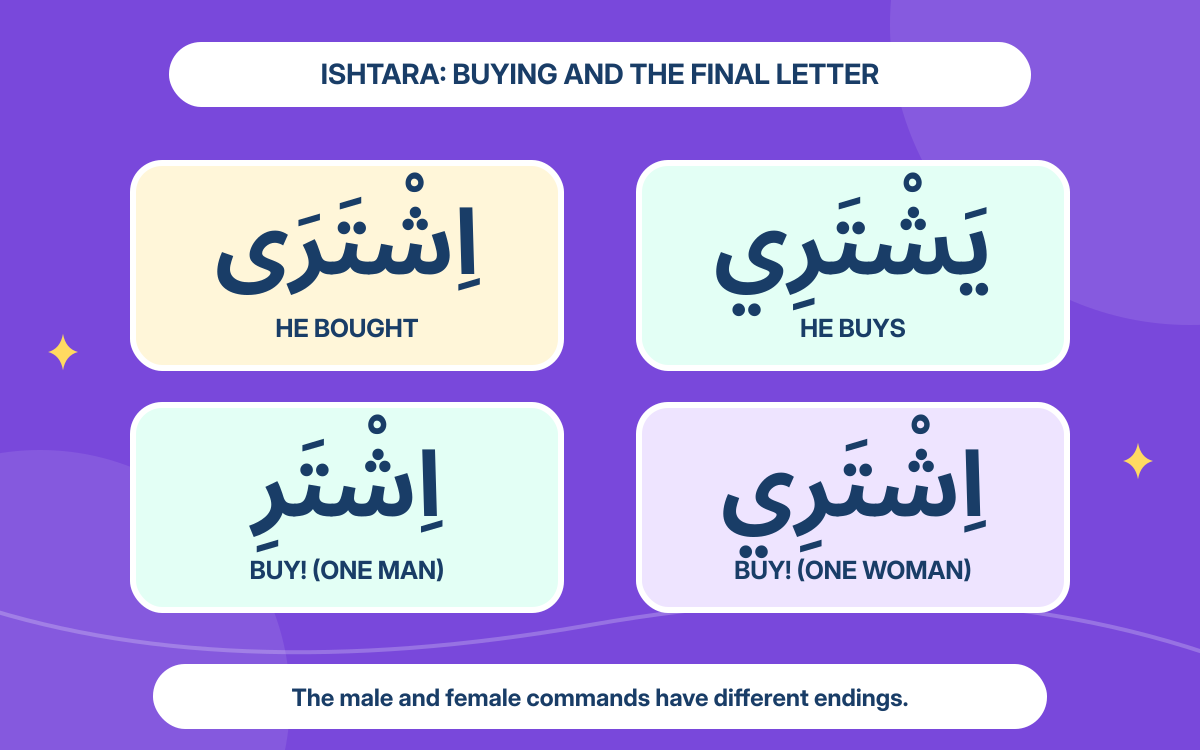
The root ends in k. Compare ishtara, he bought: it is a different verb with a weak ending. Similar beginnings do not make their roots or meanings interchangeable.
02Speak about your participation
أَشْتَرِكُ فِي دَوْرَةٍ جَدِيدَةٍ
ashtariku fi dawratin jadidatin
I am taking part in a new course.
Ashtariku begins with the I prefix a. The he form yashtariku begins with ya, and the we form نَشْتَرِكُ begins with na. Each keeps i before the final k.
After fi, both dawrah and its adjective jadidah have genitive endings. Change the person while keeping this course phrase together. The Form VIII pattern helps explain the shift from ishtaraka to yashtariku.
03Let the noun clarify a subscription
اِشْتَرَكْتُ فِي مَجَلَّةٍ شَهْرِيَّةٍ
ishtaraktu fi majallatin shahriyyatin
I subscribed to a monthly magazine.
Here the magazine makes subscription the natural meaning. Ishtaraktu still uses the same past tu ending as I participated. Learn the verb with its surrounding phrase rather than assigning it one English translation in every context.
The action noun اِشْتِرَاكٌ can name participation or a subscription. On a sign-up page, the surrounding service and price information tell you which sense is intended; the word alone does not specify a payment schedule.
04Invite someone to take part
اِشْتَرِكْ فِي النَّشَاطِ مَعَنَا
ishtarik fi annashati maana
Take part in the activity with us. — to one man
Ishtarik is the masculine singular command. For one woman use اِشْتَرِكِي; for a male or mixed group use اِشْتَرِكُوا. The opening helping vowel is i when the command is said alone.
Maana adds with us. It can coexist with fi annashati because the phrases describe different parts of the invitation: companions and activity. The command itself has no I present-tense prefix.
05Read the participant’s vowel carefully
هُوَ مُشْتَرِكٌ فِي النَّادِي
huwa mushtarikun fi annadi
He is a member of the club.
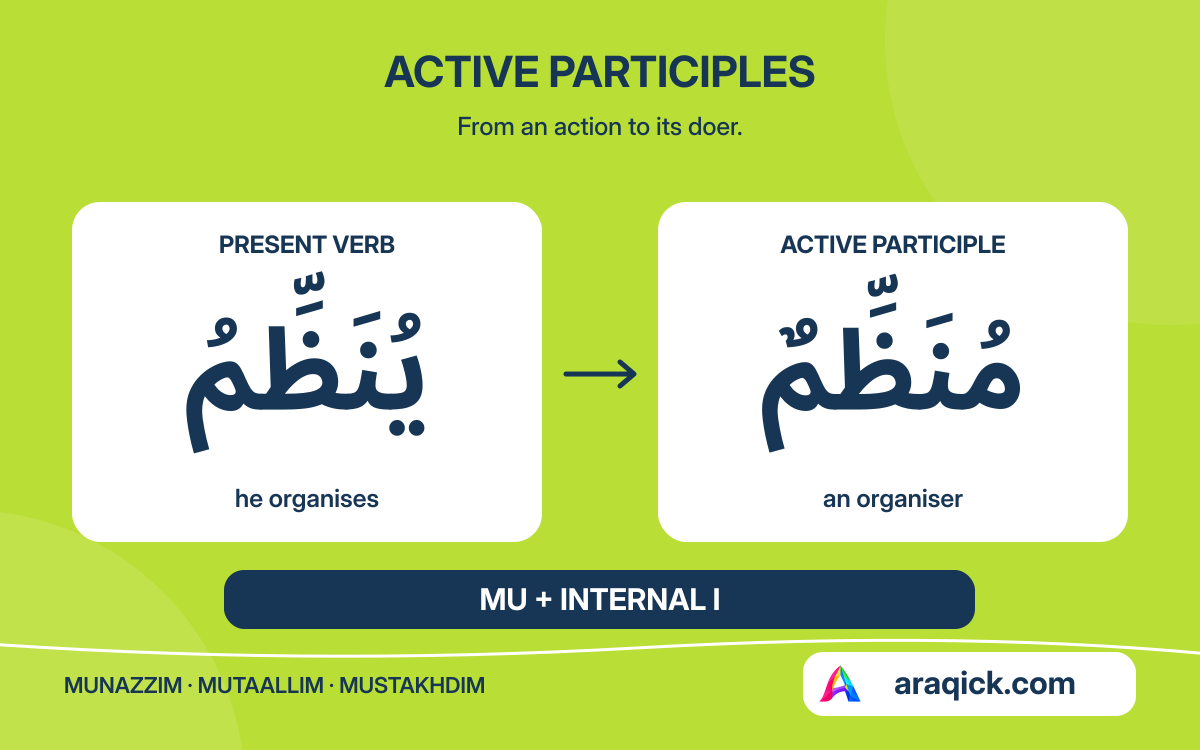
Mushtarik, with i before k, is the active participle: someone participating or subscribing. Compare مُشْتَرَكٌ, with a, which can mean shared or joint. A single internal vowel changes the pattern.
Keep ishtirak, mushtarik and mushtarak in separate sentence frames. Review derived active participles and passive participles to see the contrast beyond this verb. Plain reading aids simplify the exact Arabic sounds.
What to remember
- Ishtaraka fi describes taking part and can describe subscribing.
- Context decides whether ishtirak means participation or subscription.
- Mushtarik is a participant; mushtarak can mean shared.
Your reference shelf
Open a guide whenever you need it.
Participate: past and presentComplete person forms; the present column is indicative
| Person | Past | Present |
|---|---|---|
| He | اِشْتَرَكَ | يَشْتَرِكُ |
| They: two men | اِشْتَرَكَا | يَشْتَرِكَانِ |
| They: male or mixed group | اِشْتَرَكُوا | يَشْتَرِكُونَ |
| She | اِشْتَرَكَتْ | تَشْتَرِكُ |
| They: two women | اِشْتَرَكَتَا | تَشْتَرِكَانِ |
| They: female group | اِشْتَرَكْنَ | يَشْتَرِكْنَ |
| You: one man | اِشْتَرَكْتَ | تَشْتَرِكُ |
| You: two people | اِشْتَرَكْتُمَا | تَشْتَرِكَانِ |
| You: male or mixed group | اِشْتَرَكْتُمْ | تَشْتَرِكُونَ |
| You: one woman | اِشْتَرَكْتِ | تَشْتَرِكِينَ |
| You: female group | اِشْتَرَكْتُنَّ | تَشْتَرِكْنَ |
| I | اِشْتَرَكْتُ | أَشْتَرِكُ |
| We | اِشْتَرَكْنَا | نَشْتَرِكُ |
The dual you form serves two listeners of either gender. The present column gives ordinary indicative forms; mood particles can change the endings.
Participate: commands and word familyChoose the listener, then distinguish verbs from nouns
| Use | Arabic | Meaning |
|---|---|---|
| One man | اِشْتَرِكْ | Command: participate |
| One woman | اِشْتَرِكِي | Command: participate |
| Two people | اِشْتَرِكَا | Command: participate |
| Male or mixed group | اِشْتَرِكُوا | Command: participate |
| Female group | اِشْتَرِكْنَ | Command: participate |
| Action noun | اِشْتِرَاكٌ | participation; subscription |
| Active participle | مُشْتَرِكٌ | participant; subscriber |
| Passive participle | مُشْتَرَكٌ | shared; joint |
The dual command serves two listeners of either gender. A final alif after group waw is silent. Noun endings shown here are nominative; their case can change in a sentence.
Sources & further learning
References for the language explanations and learning guidance.