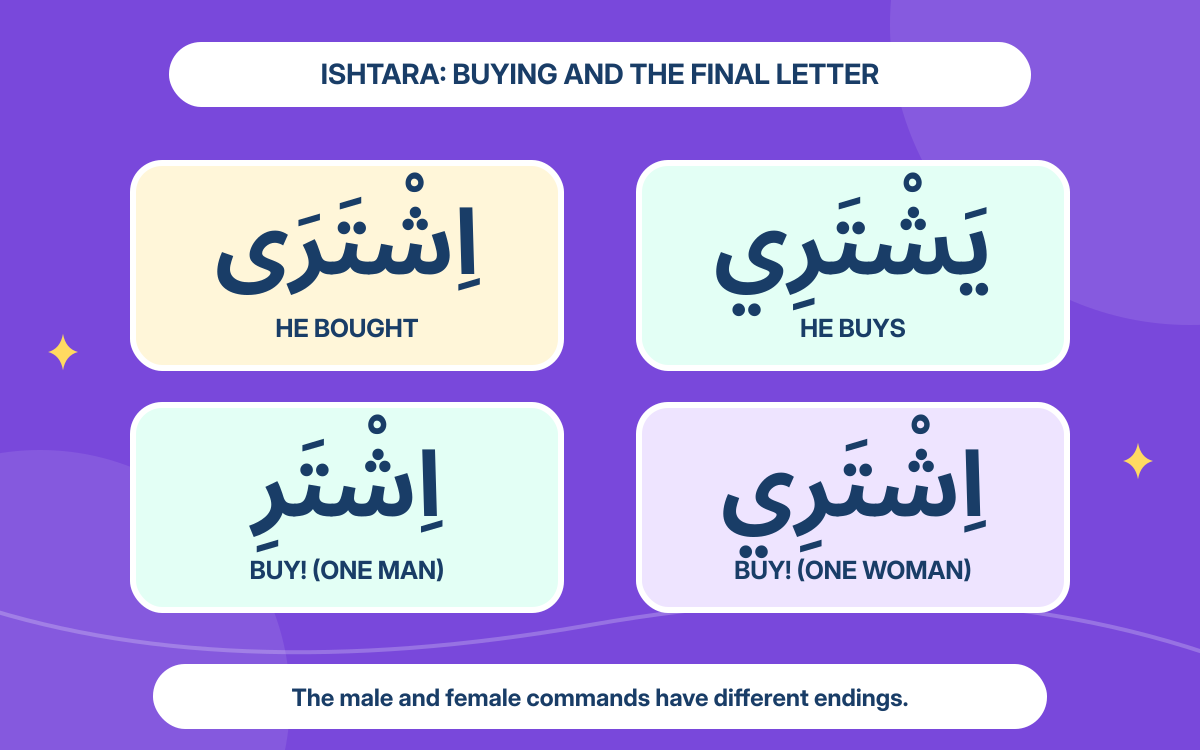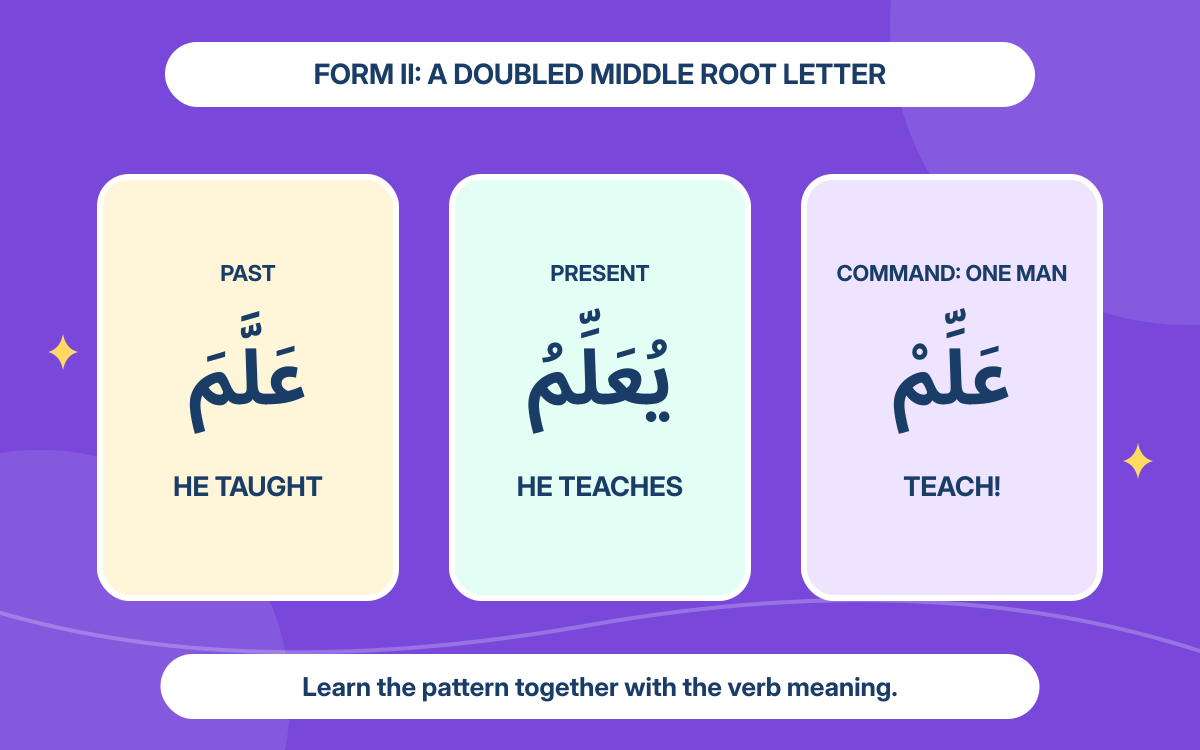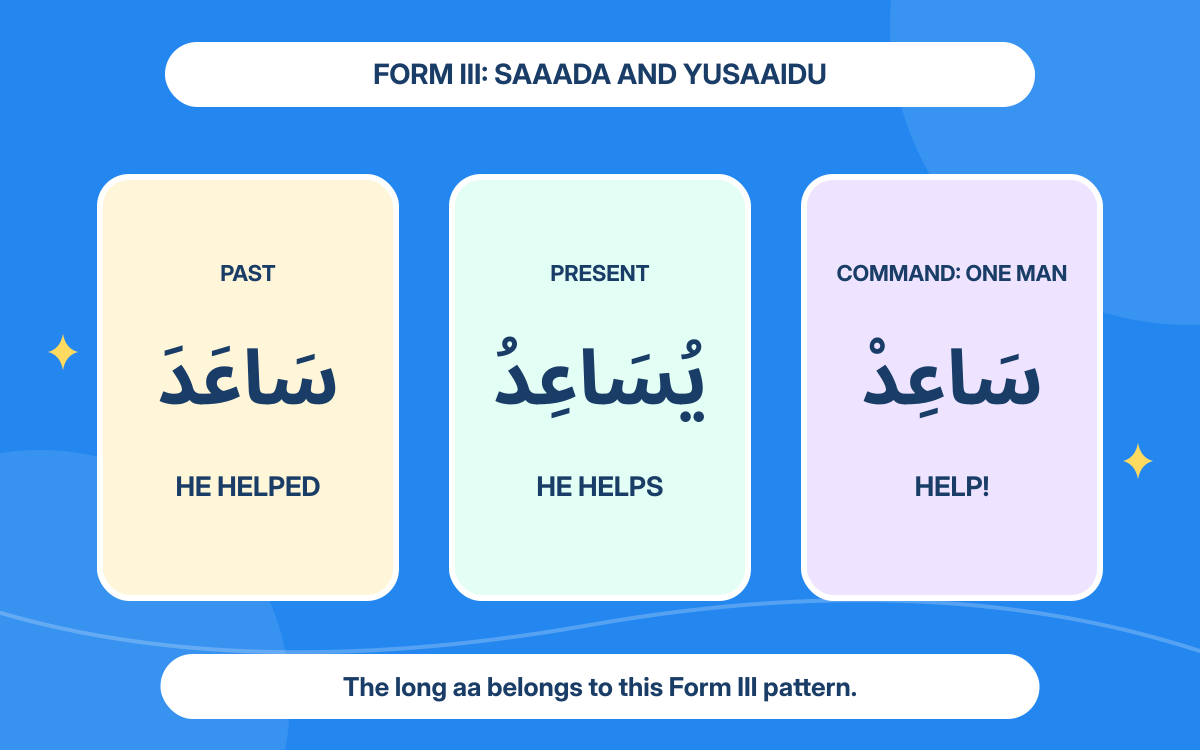
Ijtamaa means “he met” or “he gathered with others.” Its root still has three letters, even though the past word is longer. Learn the sound Form VIII pattern with this verb before studying weak forms such as ishtara, “he bought.”
01Recognise Form VIII by its shape
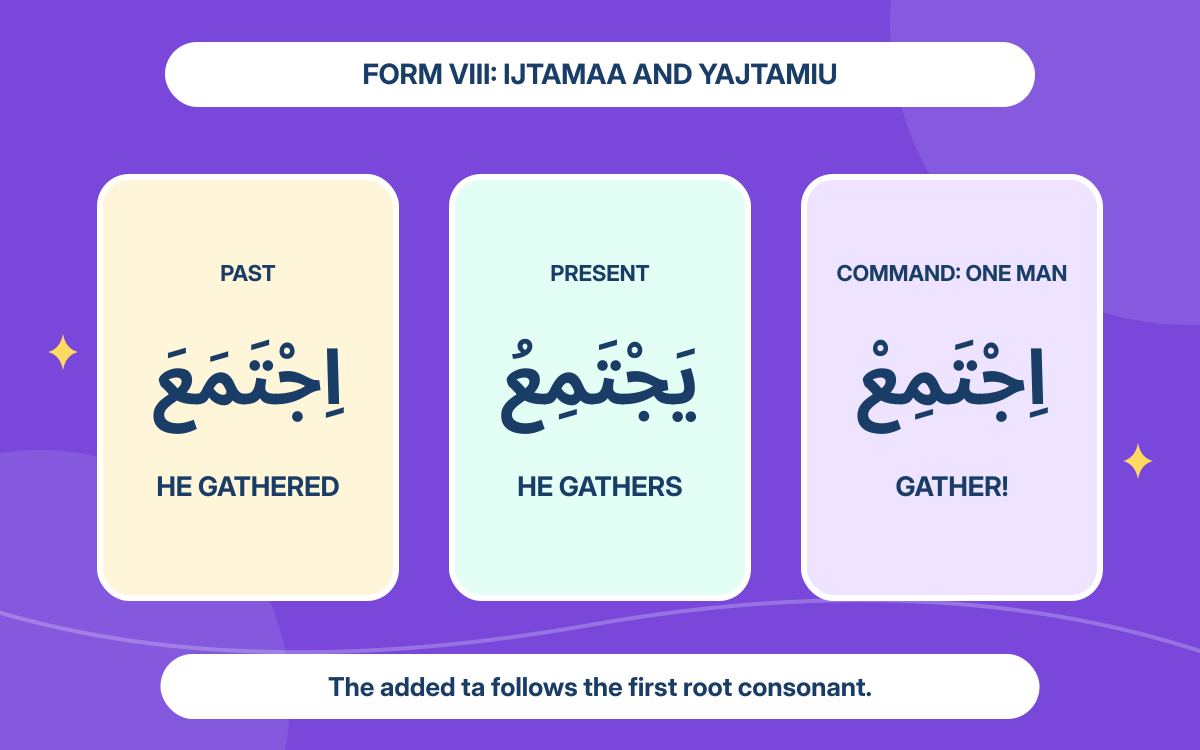
The pattern اِفْتَعَلَ is Form VIII. It adds an initial joining alif and a ت after the first root letter. The form number names a pattern; it does not count the letters.
اِجْتَمَعَ
ijtamaa
He met / gathered with others.
The root is ج م ع. The initial alif and the ta are pattern additions, not new root letters. Form V has a different pattern, تَفَعَّلَ.
02Read the present vowel pattern
For the sound model, pair اِفْتَعَلَ with يَفْتَعِلُ. The present begins with ya, with a short a. The second root letter takes i.
اِجْتَمَعَ → يَجْتَمِعُ
ijtamaa to yajtamiu
He met → he meets / is meeting.
In yajtamiu, the mim has kasrah and the final ayn has the ordinary indicative u ending. Learn the present alongside the past. The meeting meaning belongs to this verb; Form VIII does not give every root the same English meaning.
03Address one male listener
The command is اِجْتَمِعْ: “meet” or “gather with others.” It follows اِفْتَعِلْ. Keep i on the second root letter and put sukun on the final sound consonant.
اِجْتَمِعْ مَعَ صَدِيقِكَ.
ijtami maa sadiqika
Meet with your friend. — to one male
The final ayn is pronounced with no following vowel. The simplified aid ijtami leaves that consonant unmarked. The present ya is absent, and the initial joining hamza lets you start the consonant cluster.
04Join the initial hamza in speech
The initial hamza of the past and command is hamzat wasl. At the start of speech, pronounce i. After a preceding word or attached wa, omit that starting sound while keeping the alif in writing.
اِجْتَمَعَ → وَاجْتَمَعَ
ijtamaa to wajtamaa
He met → and he met.
Say wajtamaa, with wa joining directly to j. Do not restart with a separate i after wa. The joining alif is written without a hamza head above or below it.
05Use the verb in a short report
Start a simple report with the past verb, then name the group and its meeting place. The team is the subject, so its singular noun ends in u. Fi introduces a genitive place noun.
اِجْتَمَعَ الْفَرِيقُ فِي الْقَاعَةِ.
ijtamaa lfariqu filqaati
The team met in the hall.
This sound root keeps all three consonants visible. Weak roots and some other first consonants need extra rules, so use this model for recognising the basic shape. Our plain reading aids simplify Arabic sounds and vowel length.
What to remember
- اِفْتَعَلَ is Form VIII. In اِجْتَمَعَ, the root is ج م ع; the initial alif and inserted ta belong to the pattern.
- The sound model pairs اِجْتَمَعَ with يَجْتَمِعُ and the masculine singular command اِجْتَمِعْ.
- The past and command start with hamzat wasl: pronounce i at a fresh start, but join directly after wa. Learn each verb’s actual meaning and any root-specific changes.
Your reference shelf
Open a guide whenever you need it.
Compare the sound Form VIII modelsPast, present, command and root additions at a glance
| Use | Pattern | Model | Meaning |
|---|---|---|---|
| Past | اِفْتَعَلَ | اِجْتَمَعَ | He met / gathered with others |
| Ordinary present | يَفْتَعِلُ | يَجْتَمِعُ | He meets / is meeting |
| Command to one male | اِفْتَعِلْ | اِجْتَمِعْ | Meet / gather with others! |
| Past after wa | Joining hamza drops in speech | وَاجْتَمَعَ | And he met; wajtamaa |
Pattern placeholders ف ع ل correspond to the three root letters ج م ع. The ta after the first root letter is part of the derived pattern. The present ya marks the present form and person; it is not a root letter. This guide uses a sound root with no consonant substitutions. Some Form VIII verbs change the inserted ta near particular root consonants; weak roots also require additional formation rules.
Sources & further learning
References for the language explanations and learning guidance.