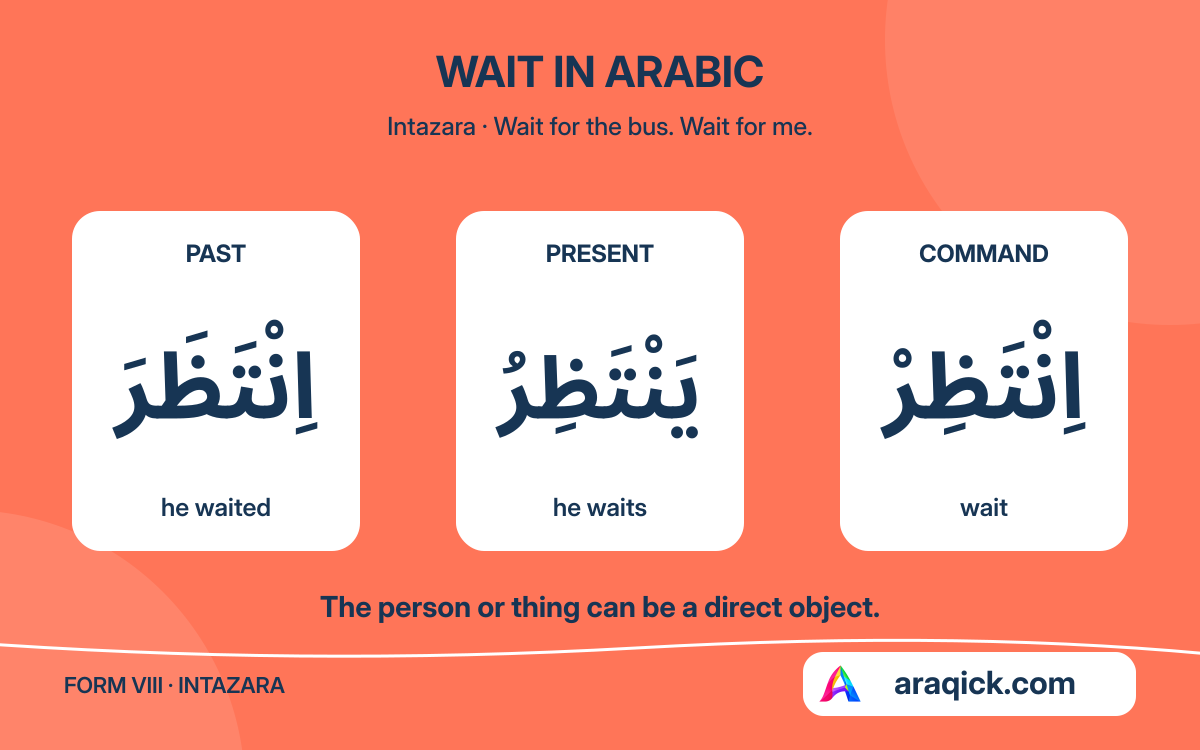
Intazara means he waited. It is a Form VIII verb with the root ن ظ ر. Its present is yantaziru, and the common command intazir means wait. The main sentence habit to learn is simple: the person or thing you wait for can be the verb’s direct object.
01Say what you waited for
اِنْتَظَرْتُ الْحَافِلَةَ عَشْرَ دَقَائِقَ
intazartu alhafilata ashra daqaiqa
I waited for the bus for ten minutes.
Intazartu ends in tu for I. Alhafilata is the direct object: Arabic does not need a separate word for English for in this construction. The time phrase tells us how long the wait lasted.
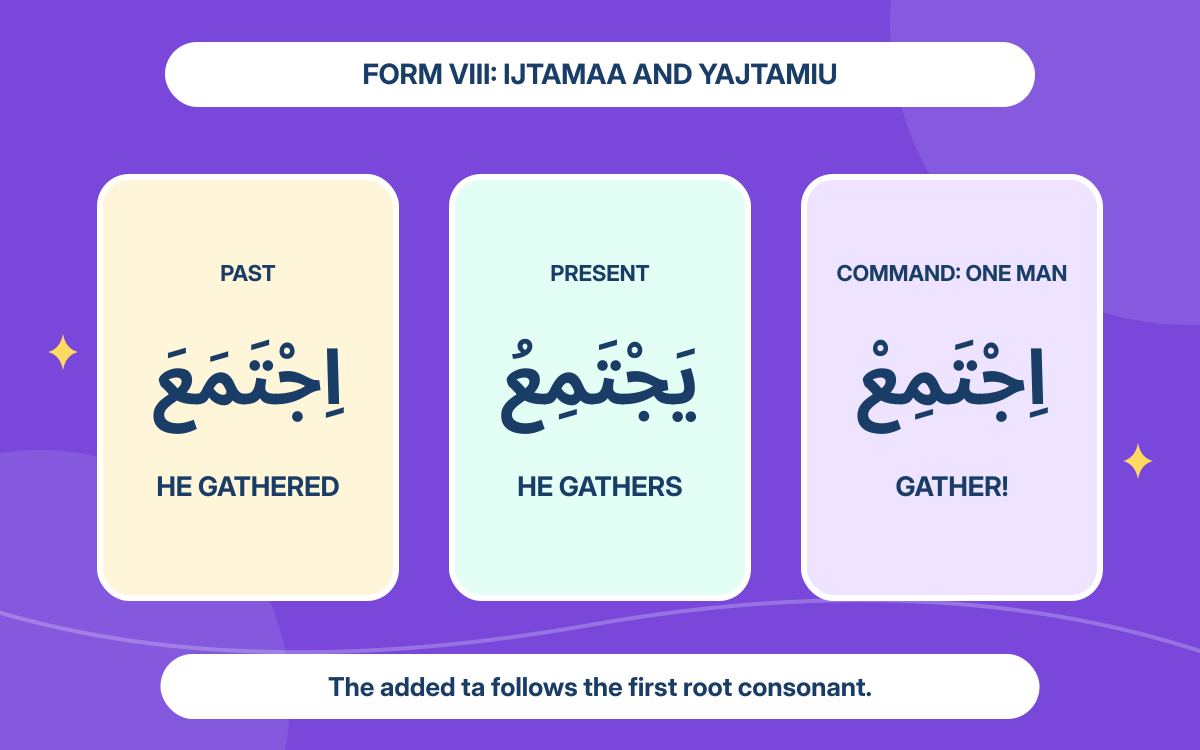
The emphatic letter ظ belongs to the root. Keep it distinct from ز when reading or typing. The added t helps mark Form VIII; it is not the first root letter.
02Move the waiting into the present
أَنْتَظِرُ الْحَافِلَةَ قُرْبَ الْمَدْرَسَةِ
antaziru alhafilata qurba almadrasati
I wait for the bus near the school.
Antaziru begins with the I prefix and has i before the final r. Compare past intazara with present yantaziru: the internal vowel changes as part of the Form VIII pattern.
Qurba almadrasati adds a location. Change only the verb to نَنْتَظِرُ for we wait. This approach lets you practise a new person without rebuilding every other phrase in the sentence.
03Attach the person you are waiting for
أَنْتَظِرُكَ عِنْدَ الْمَدْخَلِ
antaziruka inda almadkhali
I am waiting for you at the entrance. — to one man
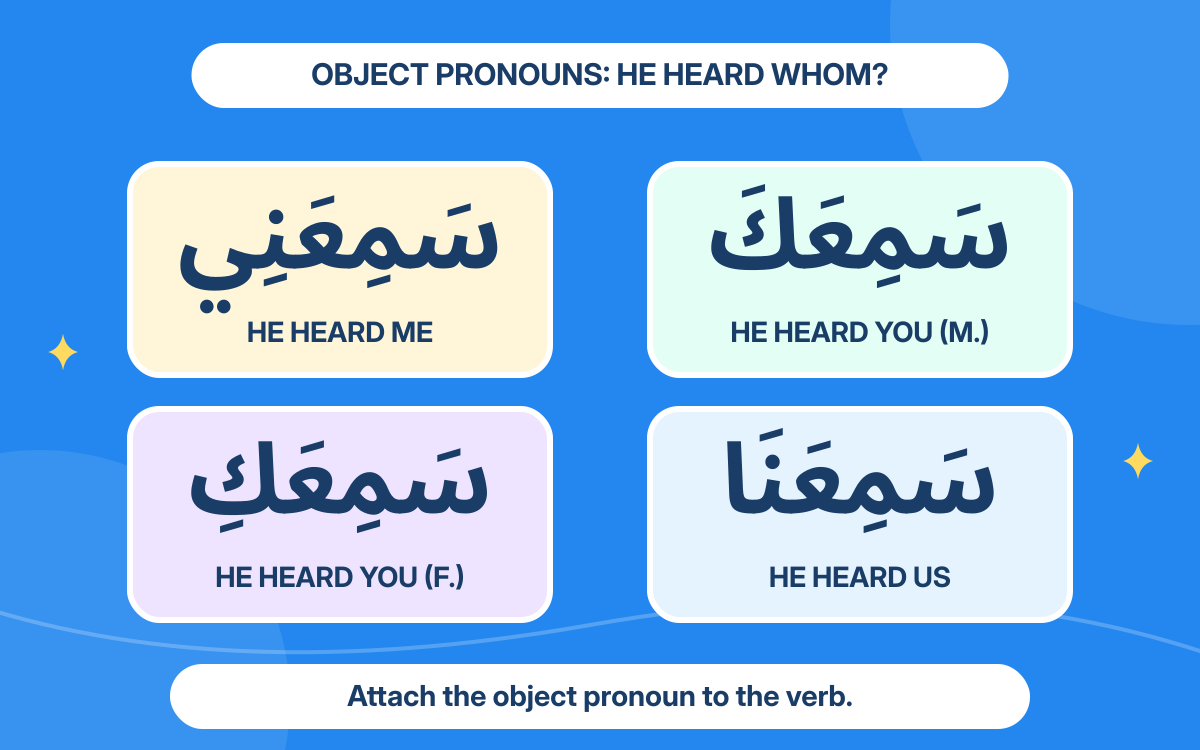
The suffix ka means you, one man, as the object of waiting. It does not change the subject I. For you, one woman, the object suffix is ki.
Wait for me is اِنْتَظِرْنِي (intazirni), addressed to one man. The ni ending supplies me after the command. Compare the subject and object roles in attached object pronouns.
04Give a short waiting instruction
اِنْتَظِرْ هُنَا لَحْظَةً
intazir huna lahzatan
Wait here for a moment. — to one man
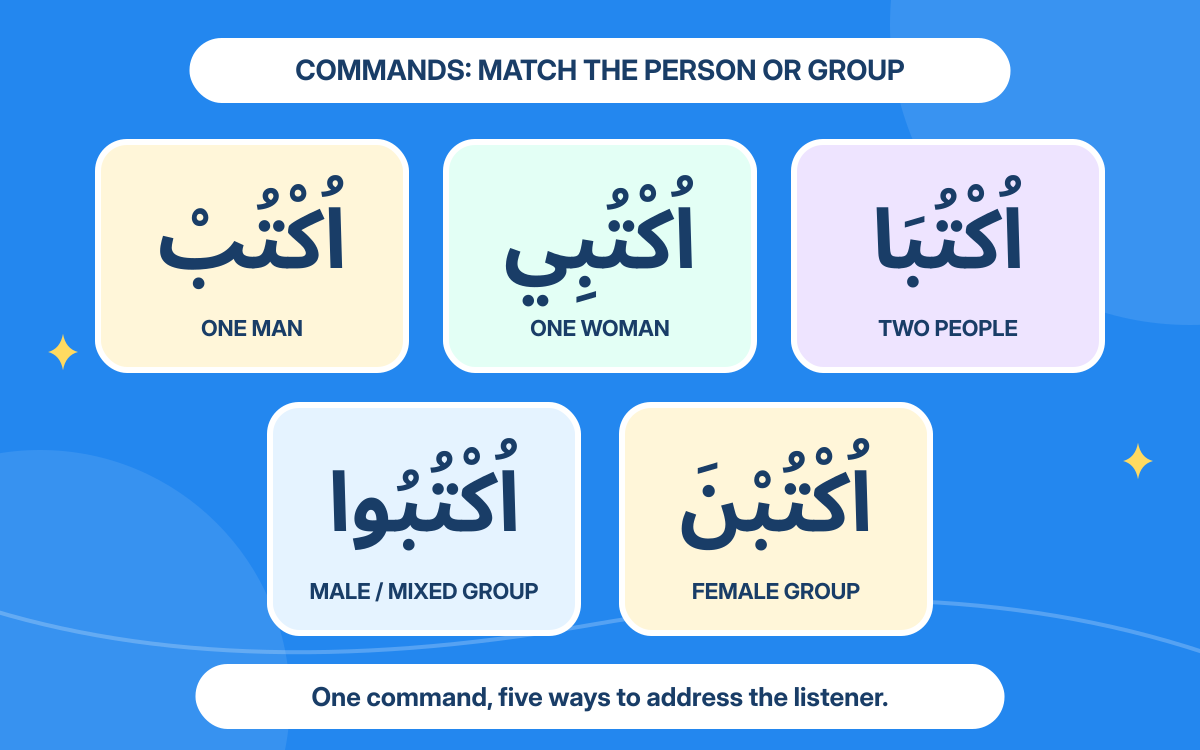
Intazir starts with a helping i when pronounced on its own and ends in sukun. One woman hears اِنْتَظِرِي; a male or mixed group hears اِنْتَظِرُوا.
The initial alif is hamzat alwasl, so its helping vowel is not pronounced when smoothly joined to a preceding vowel. The independent command is still a useful starting form to memorize.
05Report a wait that did not happen
لَمْ أَنْتَظِرْ طَوِيلًا
lam antazir tawilan
I did not wait long.
Lam takes the jussive imperfect antazir. The I prefix stays, while final u changes to sukun. Do not put the past form intazartu directly after lam.
The action noun اِنْتِظَارٌ means waiting, and مُنْتَظِرٌ describes someone waiting. Read the charts alongside lam negatives. Plain reading aids do not replace the exact Arabic vowels or emphatic consonants.
What to remember
- Intazara–yantaziru means wait.
- The waited-for person or thing can be a direct object.
- Intazirni means wait for me; lam antazir means I did not wait.
Your reference shelf
Open a guide whenever you need it.
Wait: past and presentComplete person forms; the present column is indicative
| Person | Past | Present |
|---|---|---|
| He | اِنْتَظَرَ | يَنْتَظِرُ |
| They: two men | اِنْتَظَرَا | يَنْتَظِرَانِ |
| They: male or mixed group | اِنْتَظَرُوا | يَنْتَظِرُونَ |
| She | اِنْتَظَرَتْ | تَنْتَظِرُ |
| They: two women | اِنْتَظَرَتَا | تَنْتَظِرَانِ |
| They: female group | اِنْتَظَرْنَ | يَنْتَظِرْنَ |
| You: one man | اِنْتَظَرْتَ | تَنْتَظِرُ |
| You: two people | اِنْتَظَرْتُمَا | تَنْتَظِرَانِ |
| You: male or mixed group | اِنْتَظَرْتُمْ | تَنْتَظِرُونَ |
| You: one woman | اِنْتَظَرْتِ | تَنْتَظِرِينَ |
| You: female group | اِنْتَظَرْتُنَّ | تَنْتَظِرْنَ |
| I | اِنْتَظَرْتُ | أَنْتَظِرُ |
| We | اِنْتَظَرْنَا | نَنْتَظِرُ |
The dual you form serves two listeners of either gender. The present column gives ordinary indicative forms; mood particles can change the endings.
Wait: commands and word familyChoose the listener, then distinguish verbs from nouns
| Use | Arabic | Meaning |
|---|---|---|
| One man | اِنْتَظِرْ | Command: wait |
| One woman | اِنْتَظِرِي | Command: wait |
| Two people | اِنْتَظِرَا | Command: wait |
| Male or mixed group | اِنْتَظِرُوا | Command: wait |
| Female group | اِنْتَظِرْنَ | Command: wait |
| Action noun | اِنْتِظَارٌ | waiting |
| Active participle | مُنْتَظِرٌ | someone waiting |
The dual command serves two listeners of either gender. A final alif after group waw is silent. Noun endings shown here are nominative; their case can change in a sentence.
Sources & further learning
References for the language explanations and learning guidance.