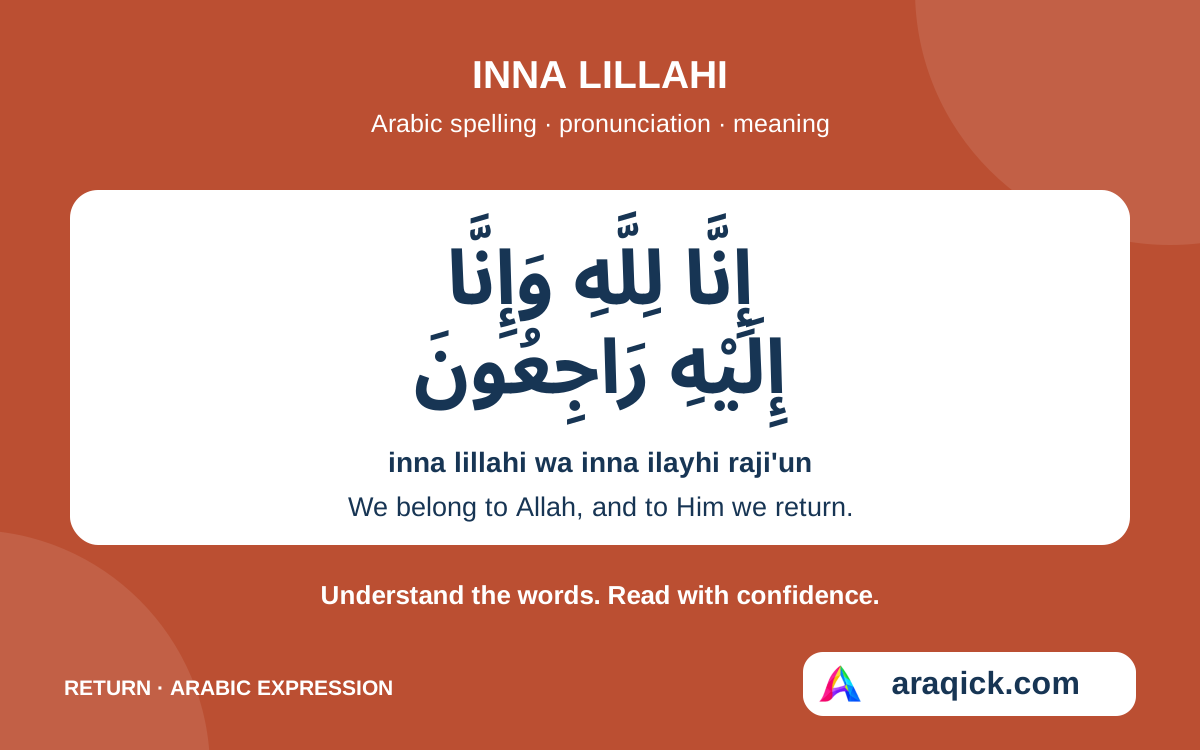
Inna lillahi wa inna ilayhi rajiun is إِنَّا لِلَّهِ وَإِنَّا إِلَيْهِ رَاجِعُونَ: “we surely belong to Allah, and we will surely return to Him.” It comes from Quran 2:156 and is said in response to loss or affliction, including bereavement. Its Quranic context is broader than death alone.
01Read the Arabic and its meaning
إِنَّا لِلَّهِ وَإِنَّا إِلَيْهِ رَاجِعُونَ
inna lillahi wa inna ilayhi rajiun
We surely belong to Allah, and we will surely return to Him.
The first half states belonging; the second states return. Both halves speak about “we.” The expression places a loss within that religious understanding. It does not identify who has died or explain the details of an event.
English renderings may use indeed or surely for emphasis. These are different ways to convey inna, rather than extra Arabic words hidden between the main parts. Learn the complete sentence, including wa inna, before shortening it in your notes.
02Find its Quranic context
The words occur in Quran 2:156, in Surah Al-Baqarah. The preceding verse mentions fear, hunger and losses involving wealth, lives and produce. Verse 156 describes a response when a calamity strikes.
Death is therefore an important context, but it is not the only kind of hardship in the surrounding passage. The Arabic word مُصِيبَةٌ (musibah) means a calamity or affliction. Sahih Muslim 918a also records the phrase in an account about responding to affliction. Read the passage around the expression to understand its scope rather than assuming that every occurrence announces a death.
03Understand inna and lillahi
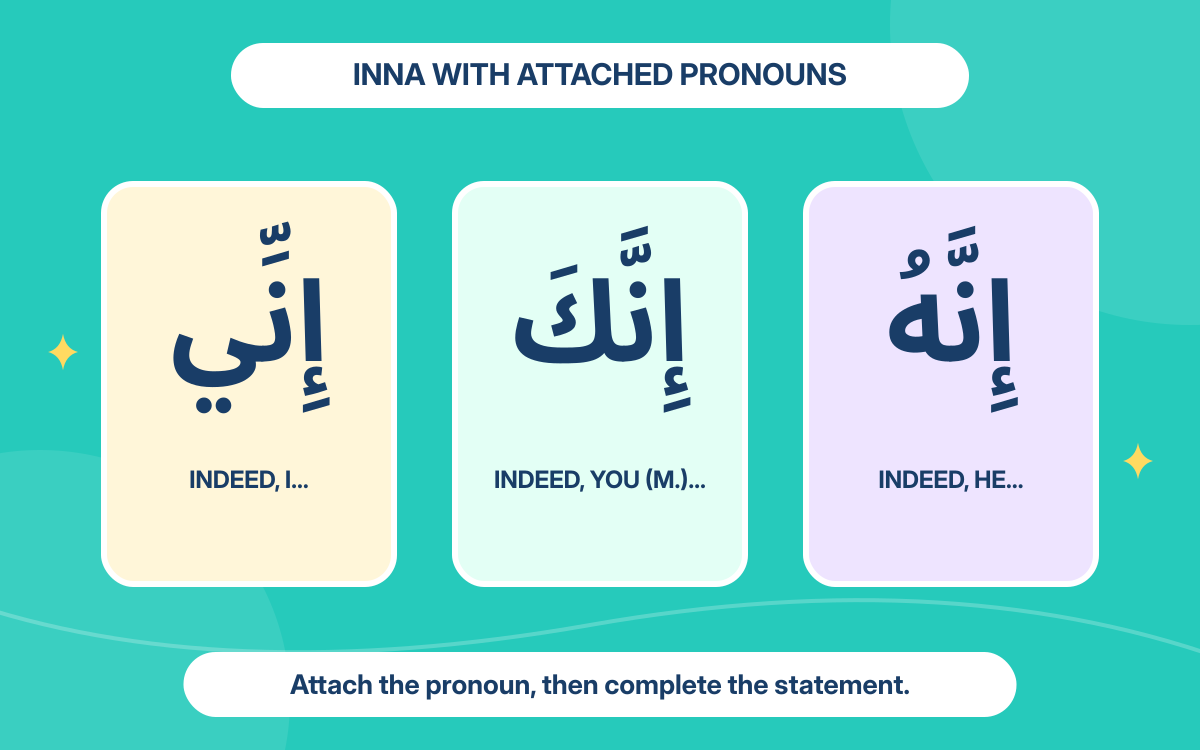
إِنَّا combines the emphatic particle inna with the pronoun na, “we.” The resulting meaning is “indeed we.” لِلَّهِ combines li, “to” or “for,” with Allah. Here it conveys belonging to Allah; English adds belong to make a natural sentence.
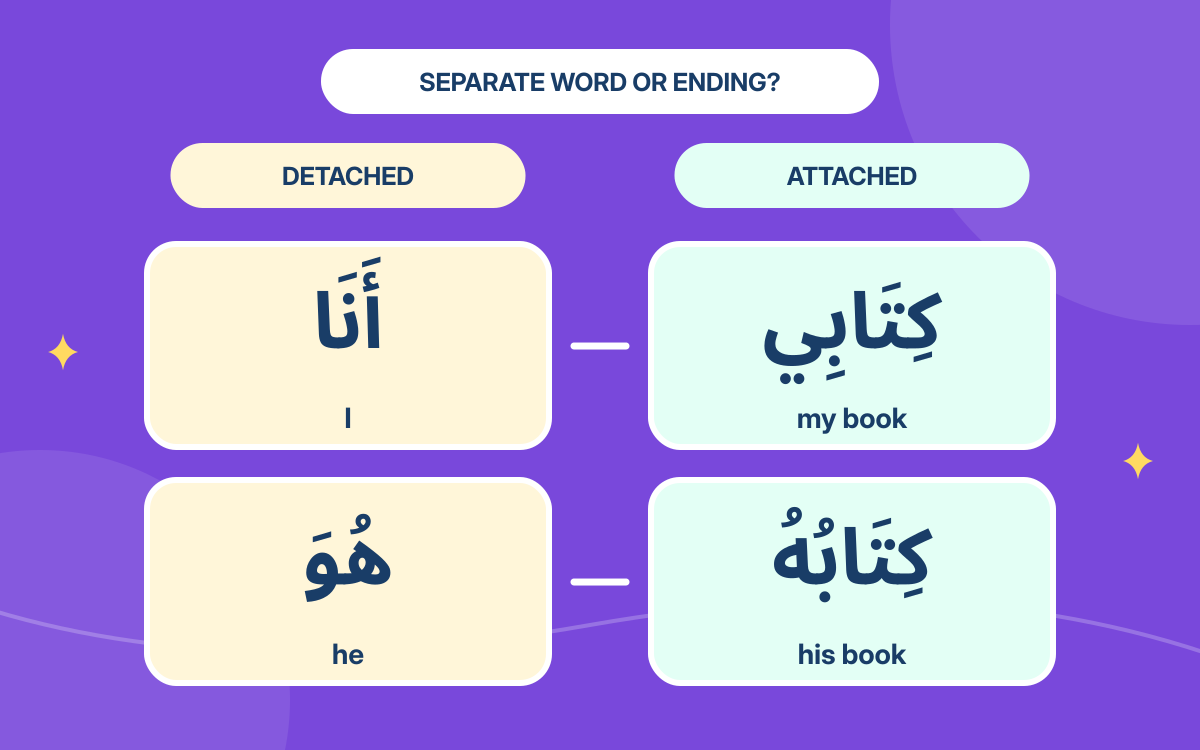
Arabic does not need a separate present-tense word corresponding to English “are” in this clause. Avoid reading inna as أَنَا (ana), “I.” The first is plural and begins with i; the second is singular and begins with a. Our inna with pronouns guide explains the attached forms.
04Understand ilayhi and rajiun
إِلَيْهِ (ilayhi) means “to Him.” It combines the preposition ila with a masculine singular pronoun referring to Allah in this verse. رَاجِعُونَ (rajiun) means “returning ones”; a natural English translation here is “we will return.”
The ending un marks the masculine plural form. The subject remains “we” from the second inna. The sentence is about return to Allah, so translating it as “we are coming back home” would introduce a travel destination absent from the verse. Compare detached and attached pronouns to see how short endings carry meaning.
05Practise the phrase without losing sounds
Read three manageable units: inna lillahi / wa inna ilayhi / rajiun. The n in inna is doubled, and the final a is long. Keep ilayhi distinct from ilahi: the middle sequence is lay, followed by hi.
Rajiun contains ع after the short i sound and before the long u sound. Plain transliteration often uses rajiun or raji'un; the apostrophe is a reading convention, not an Arabic punctuation mark inside the word. The last n is still heard when pausing on rajiun. Listen alongside the Arabic text; English letters alone cannot teach the throat sound accurately.
06Recognise grief without guessing the whole story
When someone sends this expression with difficult news, attend to the message itself. They may be expressing grief, acceptance or reflection. If the event is unclear, avoid assuming details about a person’s death from the phrase alone.
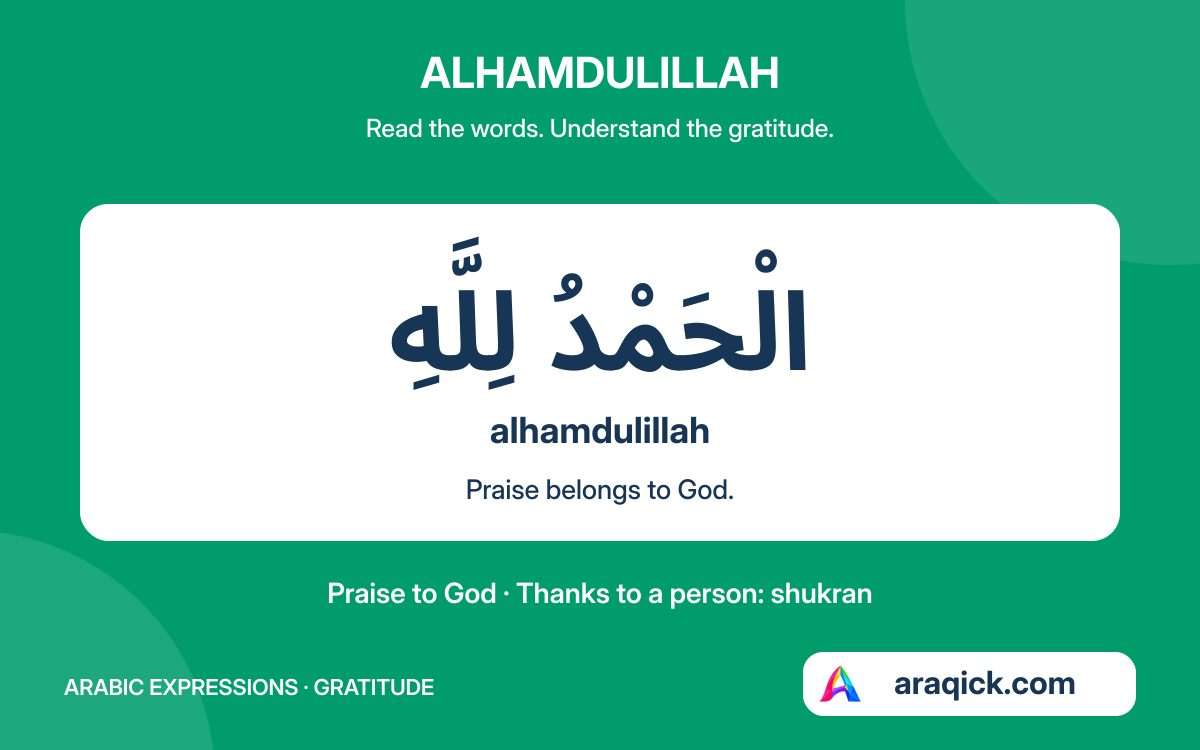
A considerate response can acknowledge the loss and offer relevant support. This guide does not assign one compulsory reply to every situation. For comparison, alhamdulillah expresses praise, while la hawla wa la quwwata illa billah expresses reliance for strength. Similar circumstances can contain different expressions; understanding the wording helps you listen carefully.
What to remember
- The expression states belonging to Allah and eventual return to Him.
- Inna means indeed we here; ilayhi means to Him.
- Quran 2:155–156 discusses several hardships, so read the surrounding message before assuming the event.
Your reference shelf
Open a guide whenever you need it.
The expression word by wordEnglish supplies some words to produce a natural sentence.
| Arabic | Plain reading | Meaning here |
|---|---|---|
| إِنَّا | inna | Indeed we |
| لِلَّهِ | lillahi | Belong to Allah |
| وَإِنَّا | wa inna | And indeed we |
| إِلَيْهِ | ilayhi | To Him |
| رَاجِعُونَ | rajiun | Are returning; will return |
Reading distinctions to rememberCompare pronouns and endings before memorising the full line.
| Arabic forms | Plain reading | Distinction |
|---|---|---|
| إِنَّا / أَنَا | inna / ana | Indeed we / I |
| إِلَيْهِ / إِلَيْهَا | ilayhi / ilayha | To him / to her |
| رَاجِعٌ / رَاجِعُونَ | raji / rajiun | Returning: masculine singular / masculine plural |
| مُصِيبَةٌ | musibah | Calamity or affliction; context vocabulary |
Sources & further learning
References for the language explanations and learning guidance.