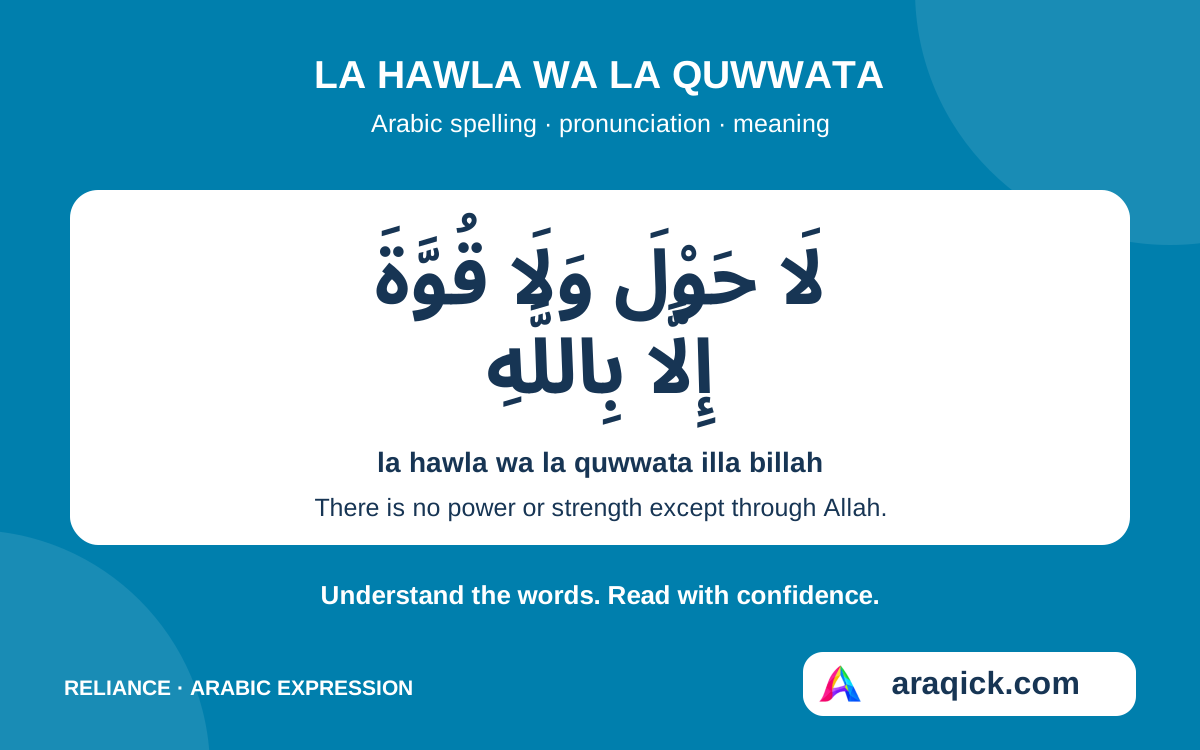
La hawla wa la quwwata illa billah is لَا حَوْلَ وَلَا قُوَّةَ إِلَّا بِاللَّهِ, meaning “there is no might or power except through Allah.” It expresses reliance on Allah for strength and ability. Its meaning is broader than a reaction to bad news.
01What does the expression mean?
لَا حَوْلَ وَلَا قُوَّةَ إِلَّا بِاللَّهِ
la hawla wa la quwwata illa billah
There is no might or power except through Allah.
The expression acknowledges that strength and ability depend on Allah. English translations may use might, power or strength because the Arabic words have overlapping senses. Learn the whole statement before choosing one English word for each part.
It does not say that people should abandon action. A speaker may express reliance while still seeking help, making a plan or carrying out a task. The words themselves name the source of ability; the surrounding situation explains what is happening.
02Follow the expression in meaningful units
لَا means “no.” حَوْلَ (hawla) conveys might or ability here, and قُوَّةَ (quwwata) means strength or power. The attached وَ means “and,” so wa la introduces the second negated noun.
The final إِلَّا بِاللَّهِ gives the exception: “except through Allah” or “except with Allah’s help.” The bi is attached to Allah in Arabic writing. Keep illa in the expression: removing it would lose the exception and change the message. Our first chart lets you match each unit with its function.
03Say hawla and quwwata carefully
In hawla, ح is a breathy throat sound, followed by aw as one flowing sequence. In quwwata, ق is pronounced farther back than an English k. The mark over وّ tells you to hold the w sound: quw-wa-ta.
Break the whole phrase into la hawla / wa la quwwata / illa billah. Then join the units smoothly. Plain letters make the phrase easier to remember, but they do not show every sound. At a final pause, billahi is commonly heard as billah because the last short vowel is not pronounced.
04Where is it recorded?
Sahih al-Bukhari 6384 records Abu Musa saying these words during a journey and the Prophet commending them. This identifies the expression as established religious remembrance, rather than an invented motivational slogan.
Sahih Muslim 385 gives a specific listening context: the expression follows the calls inviting people to prayer and success in the adhan. That is a particular narrated exchange. It does not mean this phrase replaces every line a listener hears. Read the full narration through the source link to see the sequence rather than applying one response to the whole call.
05Understand it when someone faces difficulty
You may hear the expression when someone feels overwhelmed or recognises a difficult situation. Listen to their news as well as the expression. It signals reliance, but it does not tell you whether the difficulty concerns illness, work or something else.
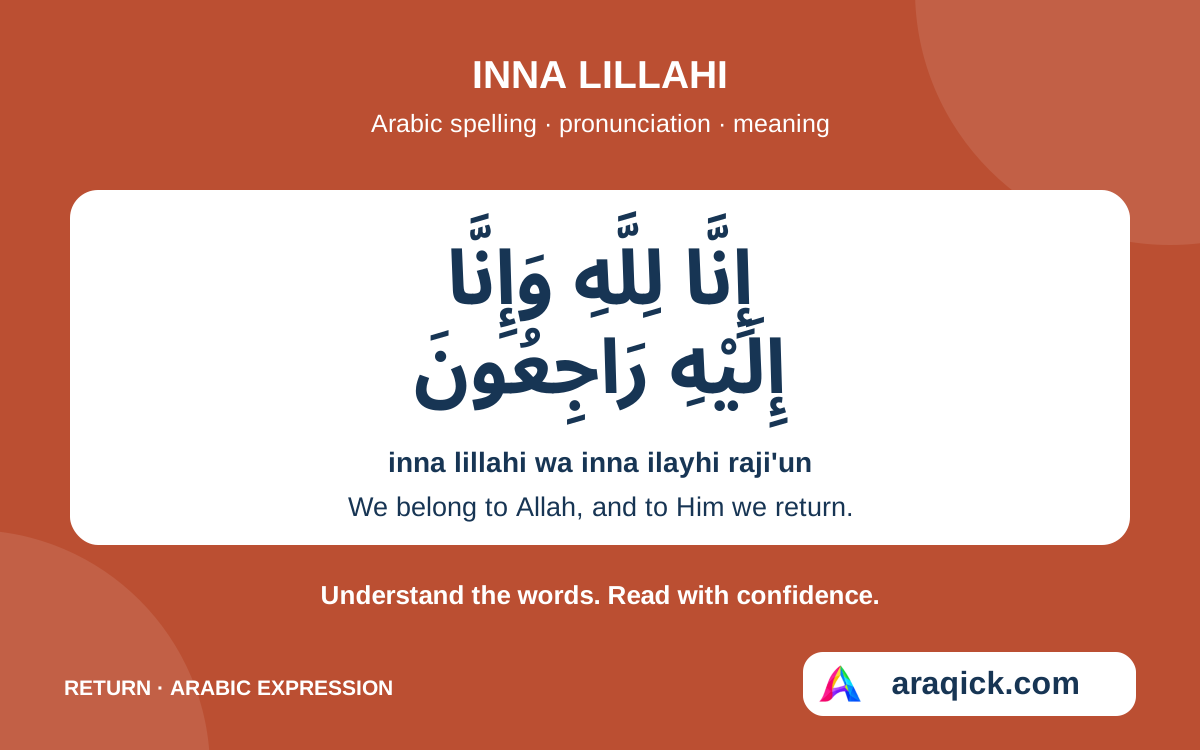
If a friend needs practical assistance, acknowledging the words can accompany useful action. Do not translate the phrase as “nothing can be done,” which would insert an idea absent from it. Compare inna lillahi, whose wording concerns belonging and returning to Allah. The expressions can occur around hardship while retaining different meanings.
06Keep familiar expressions distinct
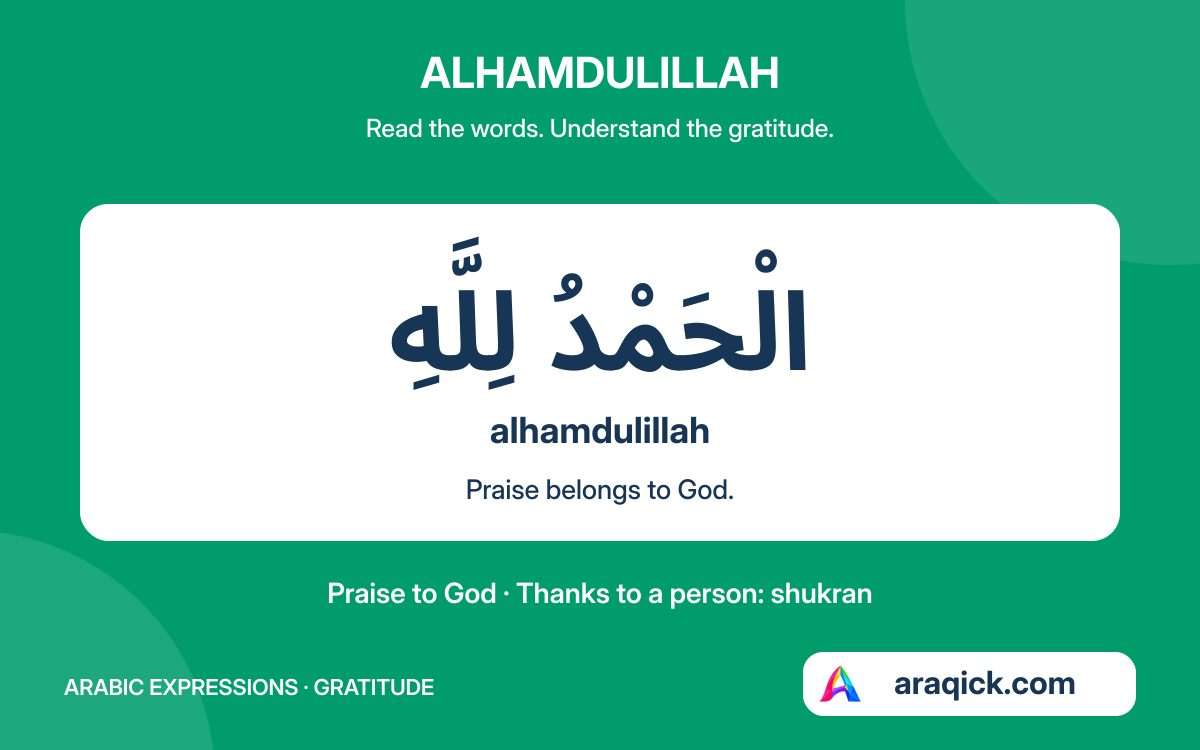
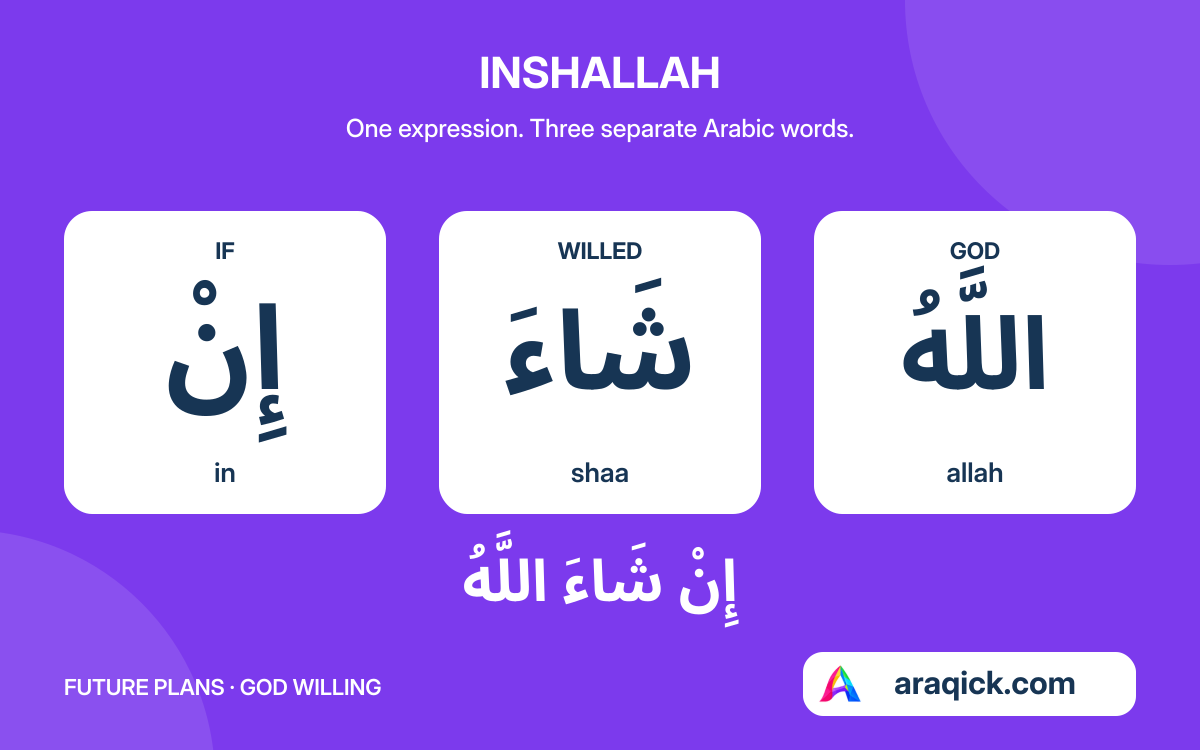
Alhamdulillah directs praise to Allah. Inshallah links a future intention or hope to Allah’s will. La hawla wa la quwwata illa billah expresses dependence on Allah for might and power.
Choose by meaning rather than treating all religious expressions as interchangeable. For reading practice, cover the English in the second chart and identify each expression’s main idea. Then read the Arabic aloud in short units. Preserve both la words, the doubled w and the exception illa; these details carry the structure of the statement.
What to remember
- The expression acknowledges dependence on Allah for strength and ability.
- The two la words negate might and power; illa introduces the exception.
- Keep the doubled w in quwwata and distinguish reliance from a message of hopelessness.
Your reference shelf
Open a guide whenever you need it.
Words and structureRead the negation and exception together.
| Arabic unit | Plain reading | Function |
|---|---|---|
| لَا حَوْلَ | la hawla | No might or ability |
| وَلَا قُوَّةَ | wa la quwwata | And no strength or power |
| إِلَّا | illa | Except |
| بِاللَّهِ | billah | Through Allah; with Allah’s help |
Three expressions, three main ideasThe topic guides which meaning applies.
| Expression | Plain reading | Main idea |
|---|---|---|
| لَا حَوْلَ وَلَا قُوَّةَ إِلَّا بِاللَّهِ | la hawla wa la quwwata illa billah | Reliance for might and power |
| الْحَمْدُ لِلَّهِ | alhamdulillah | Praise belongs to Allah |
| إِنْ شَاءَ اللَّهُ | inshallah | If Allah wills |
Sources & further learning
References for the language explanations and learning guidance.