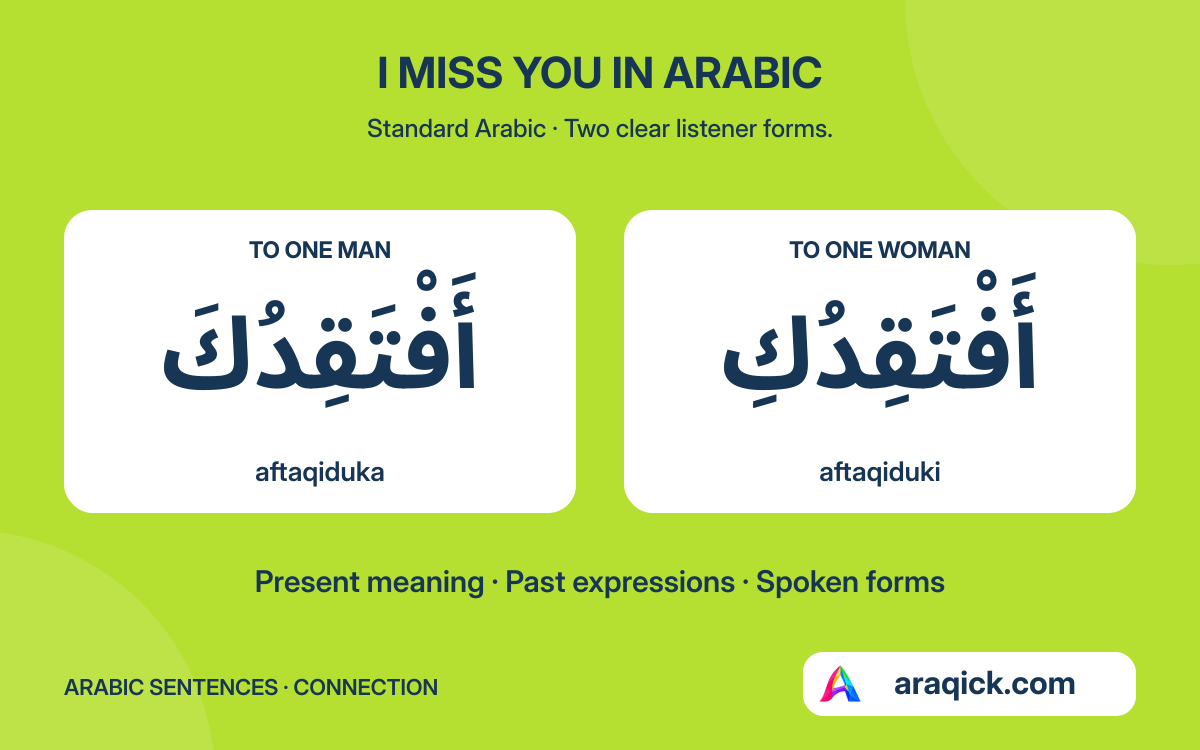
In Modern Standard Arabic, “I miss you” can be أَفْتَقِدُكَ (aftaqiduka) to one man or أَفْتَقِدُكِ (aftaqiduki) to one woman. اِشْتَقْتُ إِلَيْكَ means “I missed you” or “I have missed you.” Everyday dialects also have familiar expressions, such as Egyptian wahashtini and wahashtiini.
01How do you say I miss you?
aftaqiduka
I miss you.
aftaqiduki
I miss you.
The final ka or ki identifies the listener. The speaker can be a man or a woman. Without vowel marks both are أفتقدك, so the surrounding message helps identify the intended form.
02I missed you: ishtaqtu ilayka
Standard Arabic · addressing a man
اِشْتَقْتُ إِلَيْكَ
ishtaqtu ilayka
I missed you; I have missed you.
To a woman, say اِشْتَقْتُ إِلَيْكِ (ishtaqtu ilayki). The verb is past in form. It is natural in a reunion or message after an absence and may express a feeling that still matters now. Keep that distinction when comparing it with present-tense aftaqidu.
03Notice where you is attached
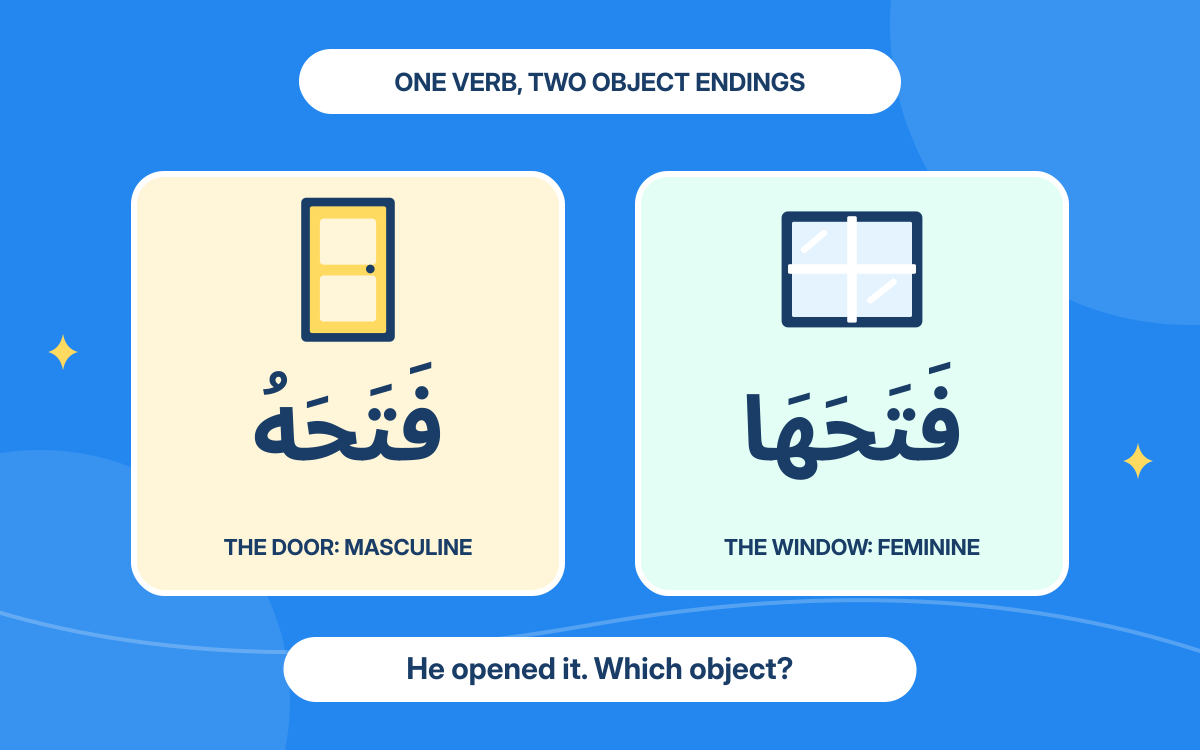
In aftaqiduka, “you” attaches directly to the verb. In ishtaqtu ilayka, it attaches to إِلَى, the preposition used with this expression. Learn each complete pattern instead of mixing its parts.
aftaqiduka
I miss you.
ishtaqtu ilayka
I have missed you.
Review object pronouns and Arabic prepositions for the two structures.
04Recognise Egyptian wahashtini
wahashtini
I missed you / I miss you.
wahashtiini
I missed you / I miss you.
The feminine form has the extra written ي before ن and a longer ee sound there. These are spoken expressions whose natural English translation depends on the situation. Keep their spelling and listener labels together.
05Add a small detail
You can express a stronger feeling with كَثِيرًا (kathiran), “a lot.” Keep your listener ending, then add the detail.
Standard Arabic · addressing a woman
أَفْتَقِدُكِ كَثِيرًا
aftaqiduki kathiran
I miss you a lot.
A short, familiar message is often enough. If you want to arrange a call or visit, add a clear question or plan separately.
06Reply: I miss you too
Standard Arabic · addressing a woman
وَأَنَا أَفْتَقِدُكِ أَيْضًا
wa ana aftaqiduki aydan
And I miss you too.
Aydan means “too.” Check who is now listening when you reply. A male first speaker and a female responder will need different listener endings on their respective turns.
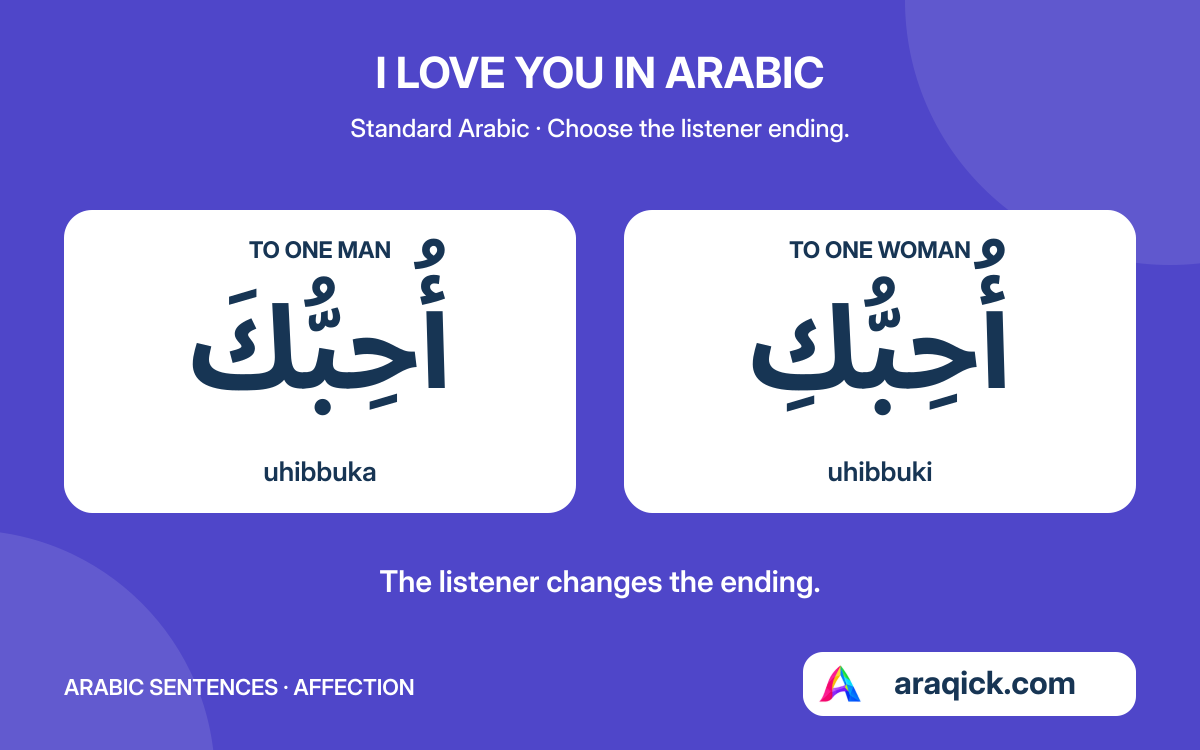
The same principle appears in I love you in Arabic.
07Choose a form for your message
Use aftaqiduka or aftaqiduki for the present MSA model in this lesson. Use ishtaqtu ilayka or ilayki when the past-shaped expression fits. Use the Egyptian forms when that is the variety you are practising.
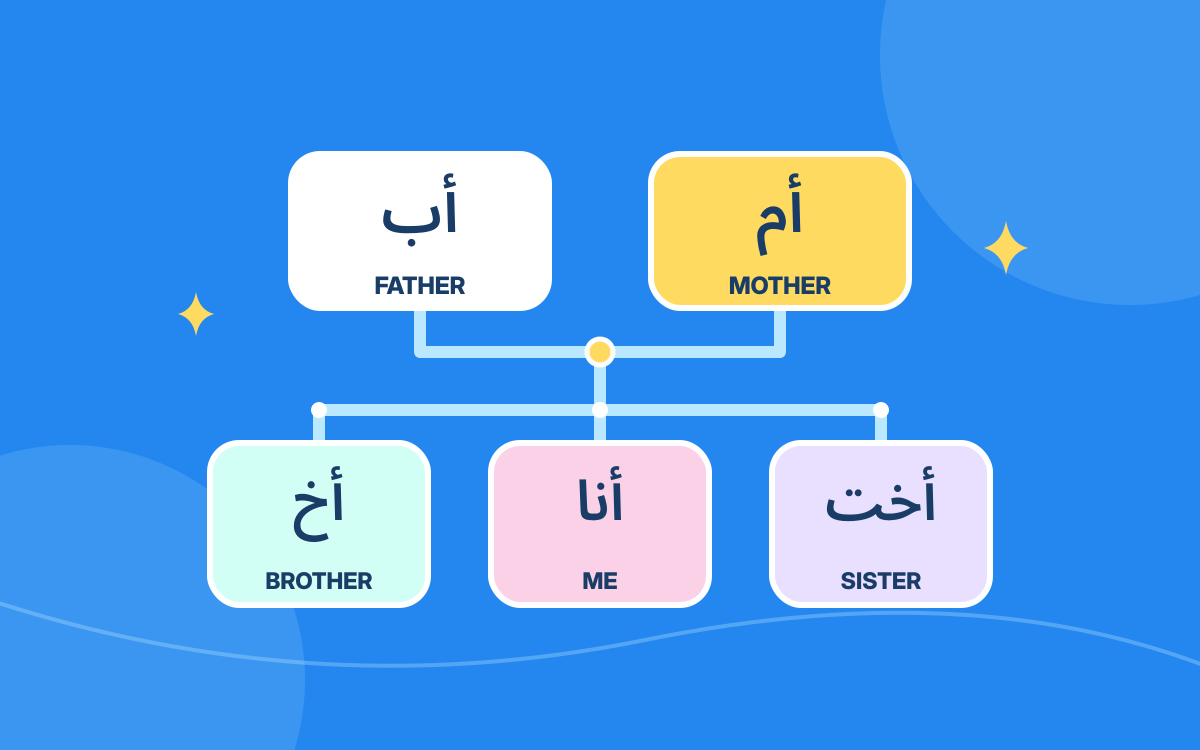
Imagine writing to a sibling who lives elsewhere. Choose one language variety, select the listener form, and add one sincere detail. For more familiar relationship words, use family members in Arabic.
What to remember
- Aftaqiduka and aftaqiduki are present MSA forms for male and female listeners.
- Ishtaqtu ilayka or ilayki uses a past-form verb with a preposition.
- Egyptian wahashtini and wahashtiini distinguish the listener; keep dialect labels and spellings together.
Your reference shelf
Open a guide whenever you need it.
Missing someone: a comparison chartCompare present MSA, past-form MSA and Egyptian expressions.
| Form | To one man | To one woman |
|---|---|---|
| MSA · I miss you | أَفْتَقِدُكَ aftaqiduka | أَفْتَقِدُكِ aftaqiduki |
| MSA · I have missed you | اِشْتَقْتُ إِلَيْكَ ishtaqtu ilayka | اِشْتَقْتُ إِلَيْكِ ishtaqtu ilayki |
| Egyptian · natural missing expression | وحشتني wahashtini | وحشتيني wahashtiini |
The Egyptian expressions can be translated as I miss you or I missed you depending on the conversation.
Sources & further learning
References for the language explanations and learning guidance.