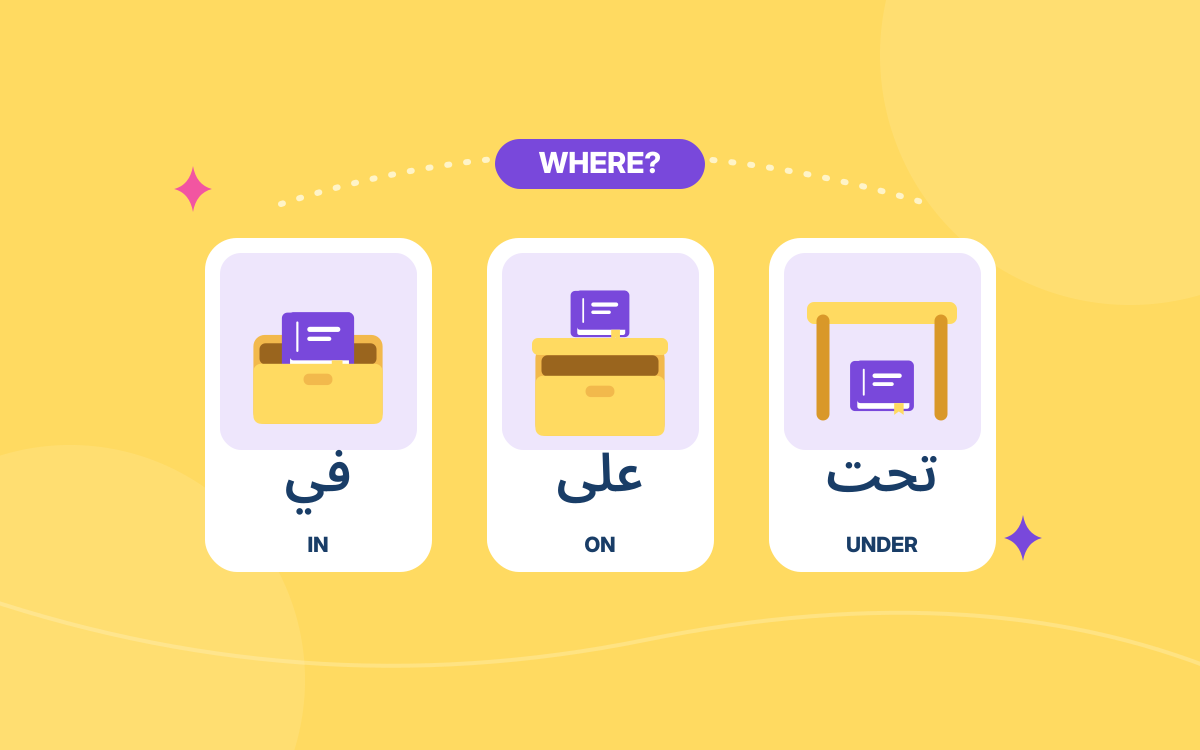
To describe a location in Arabic, start with fi for in, ala for on, tahta for under, and bijanib for next to. Picture one book moving around a room. The book stays the same; the small location phrase tells you where to look.
01Inside or on top?
fi
In: inside the box.
ala
On: resting on the table.
Use فِي الصُّنْدُوق fi assunduq for “in the box,” and عَلَى الطَّاوِلَة ala attawila for “on the table.” Say the location word before the place or object.
These pictures give the words a physical meaning. The book inside the box is contained by it. The book on the table touches its top surface. Look at that difference before choosing your answer.
02Below or beside?
tahta
Under: below the table.
bijanib
Next to: beside the box.
- تَحْتَ الطَّاوِلَة tahta attawila — under the table.
- بِجَانِبِ الصُّنْدُوق bijanib assunduq — next to the box.
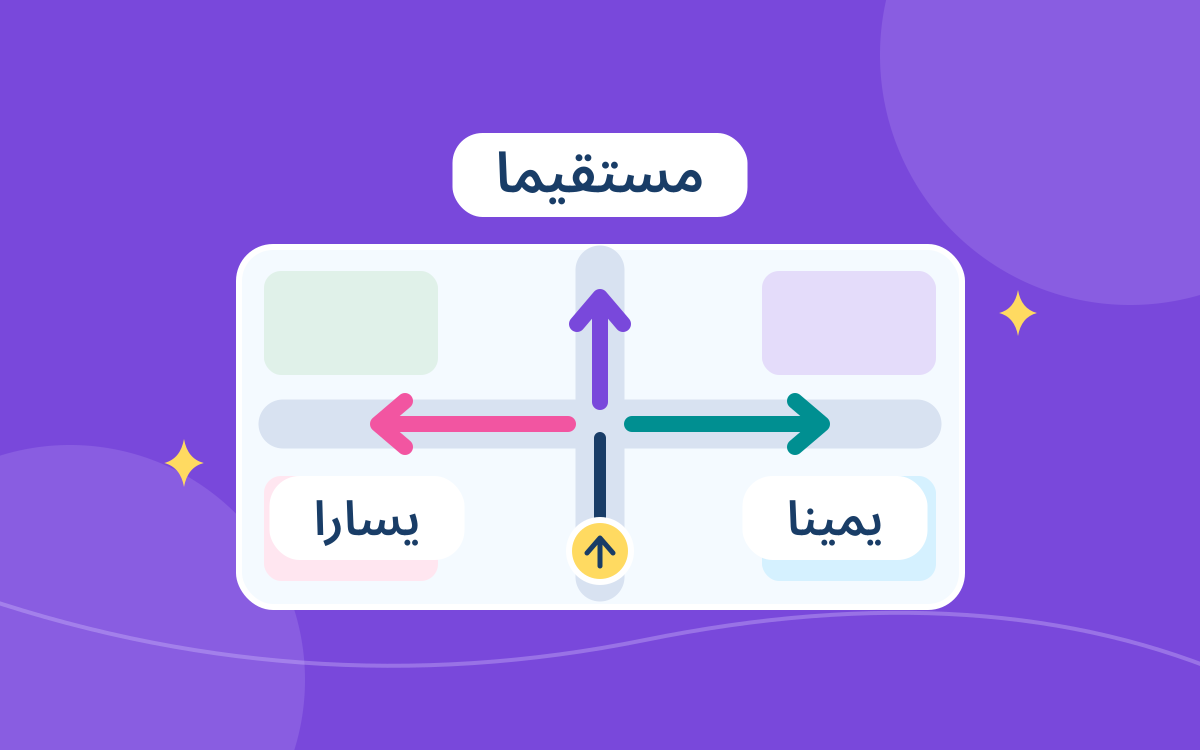
Beside does not mean inside. In the second picture, the book and box are separate objects next to each other. Next to does not specify left or right; either side can fit.
03Give the book a location
الْكِتَاب عَلَى الطَّاوِلَة
alkitab ala attawila
The book is on the table.
- Begin with الْكِتَاب alkitab, the book.
- Add the location phrase: عَلَى الطَّاوِلَة.
- No separate word for “is” is needed here.
Change just the location: الْكِتَاب فِي الصُّنْدُوق alkitab fi assunduq means “The book is in the box.” Keep the whole place phrase together when you build a sentence.
04Ask, then answer
أَيْنَ الْكِتَاب؟
ayna alkitab
Where is the book?
A short reply works when everyone knows which book you mean: تَحْتَ الطَّاوِلَة tahta attawila, “Under the table.” You can also repeat the noun and give a complete sentence.
Try this with real objects: put a book beside a box, ask ayna alkitab, then describe its position. Move it and answer again. Changing the scene helps you practise the meaning instead of remembering one fixed sentence.
05Notice the ending, keep the meaning
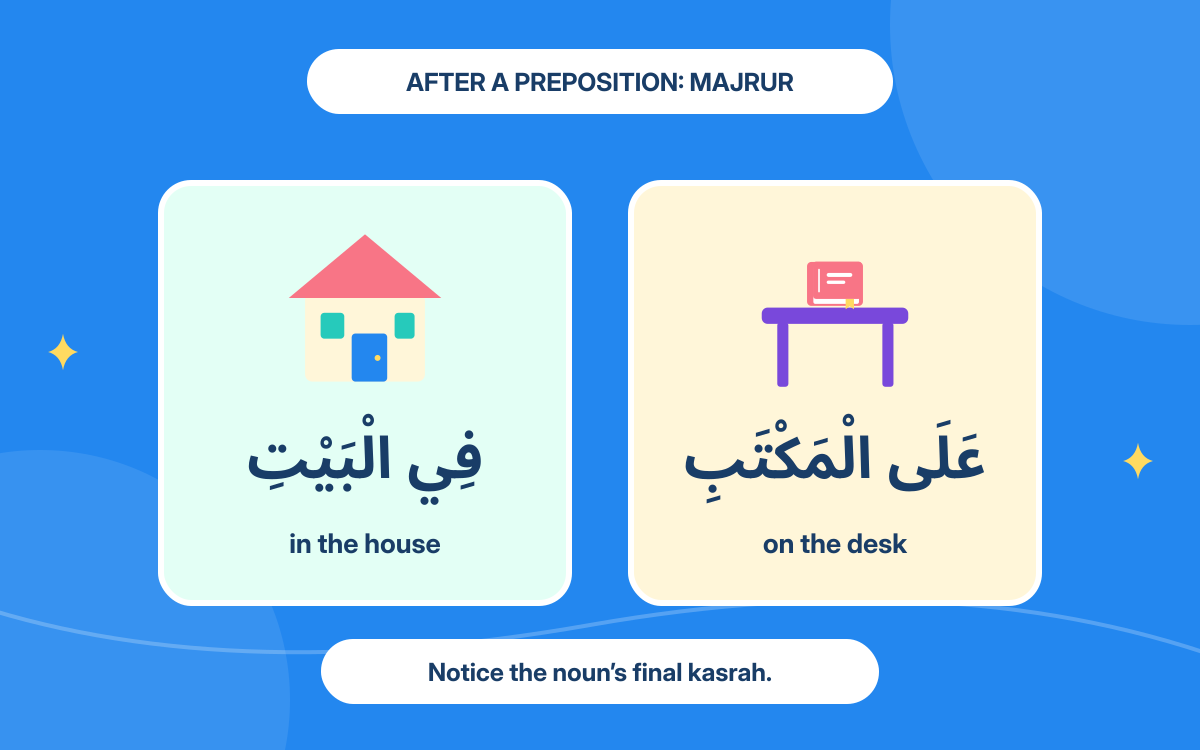
Fully vowelled Arabic shows endings that our simple reading aids sometimes leave out. For example, فِي الصُّنْدُوقِ ends with a short i sound when read in full. You may not hear that ending when someone pauses.
These expressions are grouped here by their everyday job: showing location. In Arabic grammar, tahta is a place adverb, while fi and ala are prepositions. You can use the examples before learning those labels.
For now, choose the correct relationship first. Practise “in the box” as one useful chunk, then swap the object or location.
What to remember
- Fi places something inside; ala places it on a surface in these examples.
- Tahta means under, and bijanib means next to.
- Ask ayna alkitab, then answer with a location phrase or a complete sentence.
Your reference shelf
Open a guide whenever you need it.
Four location phrases togetherOpen the quick comparison chart
| Meaning | Arabic phrase | Plain reading aid |
|---|---|---|
| in the box | فِي الصُّنْدُوق | fi assunduq |
| on the table | عَلَى الطَّاوِلَة | ala attawila |
| under the table | تَحْتَ الطَّاوِلَة | tahta attawila |
| next to the box | بِجَانِبِ الصُّنْدُوق | bijanib assunduq |
Sources & further learning
References for the language explanations and learning guidance.