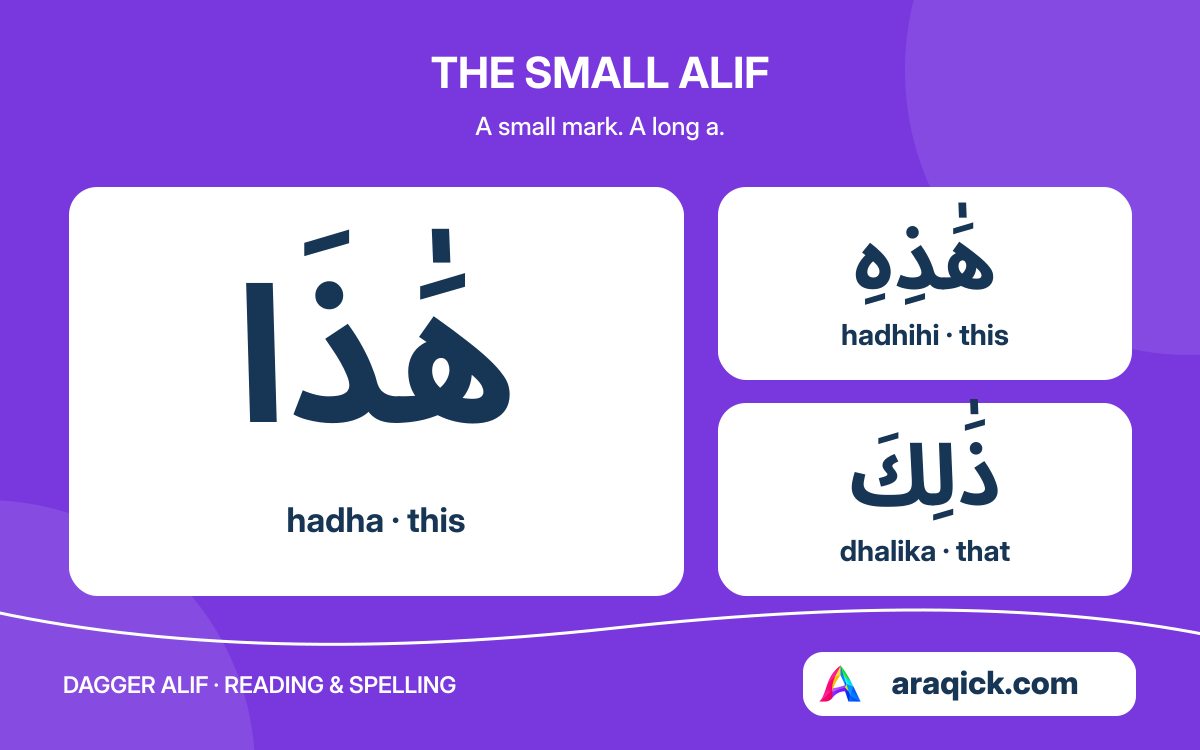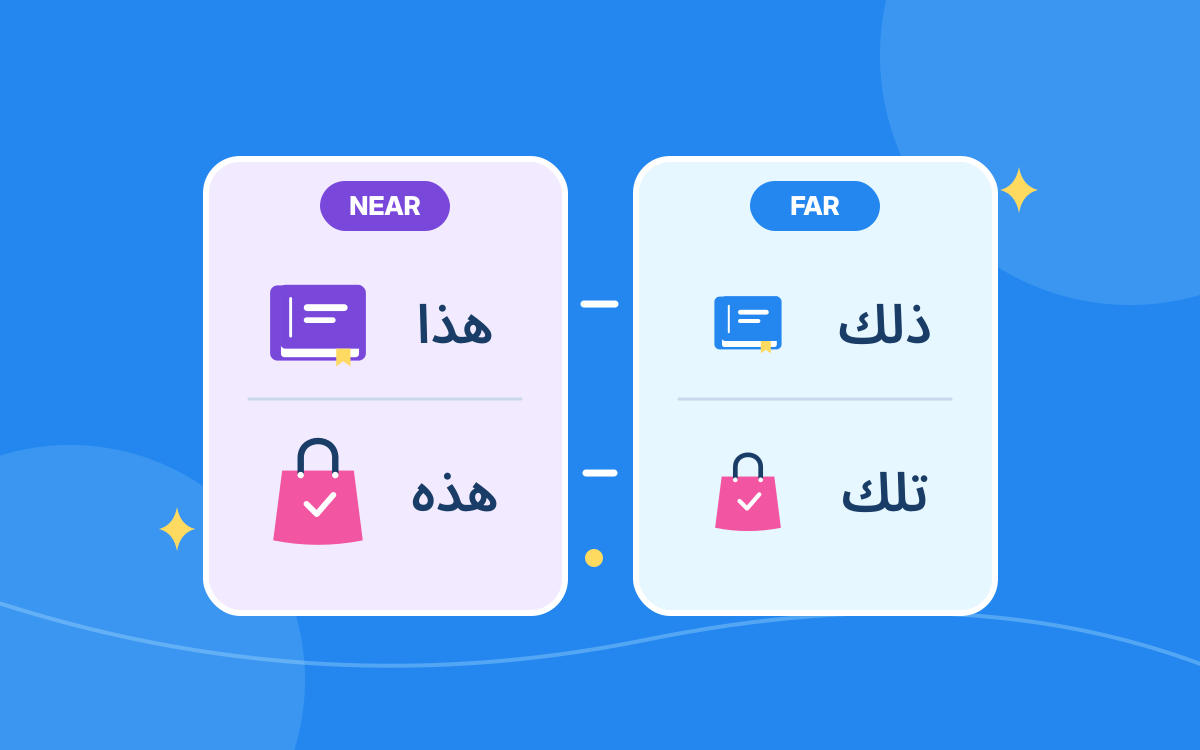
Use hadha and hadhihi for this; use dhalika and tilka for that. The choice also depends on the Arabic noun’s grammatical gender. A book is masculine and a bag is feminine, so the same distance needs different words. Start with one object at a time.
01A book beside you: hadha
كِتَاب kitab means book. It is a masculine noun in Arabic. To identify one nearby, use هَذَا hadha, this.
هَذَا كِتَاب
hadha kitab
This is a book.
- The book is close to the speaker.
- The noun is masculine.
- The Arabic sentence has no separate present word for is.
Grammatical gender classifies the word. It does not mean that the object itself is male or female.
02A bag beside you: hadhihi
حَقِيبَة haqiba means bag. It is feminine, so use هَذِهِ hadhihi for this.
هَذِهِ حَقِيبَة
hadhihi haqiba
This is a bag.
The ending ة is a common clue that a noun is feminine. It is helpful, but it is not a rule covering every noun. Learn new objects with their grammatical gender.
The speaker’s gender does not decide between hadha and hadhihi. The noun you are pointing to does.
03Move the objects farther away
dhalika
That, masculine singular
tilka
That, feminine singular
ذَلِكَ كِتَاب
dhalika kitab
That is a book.
تِلْكَ حَقِيبَة
tilka haqiba
That is a bag.
Imagine the same book and bag on a shelf across the room. Their grammatical gender has not changed. Only the distance has changed, so this becomes that.
- Nearby book: hadha. Distant book: dhalika.
- Nearby bag: hadhihi. Distant bag: tilka.
There is no fixed distance in metres; the speaker chooses this or that to fit the situation.
04Notice the small word al
هَذَا كِتَاب
hadha kitab
This is a book.
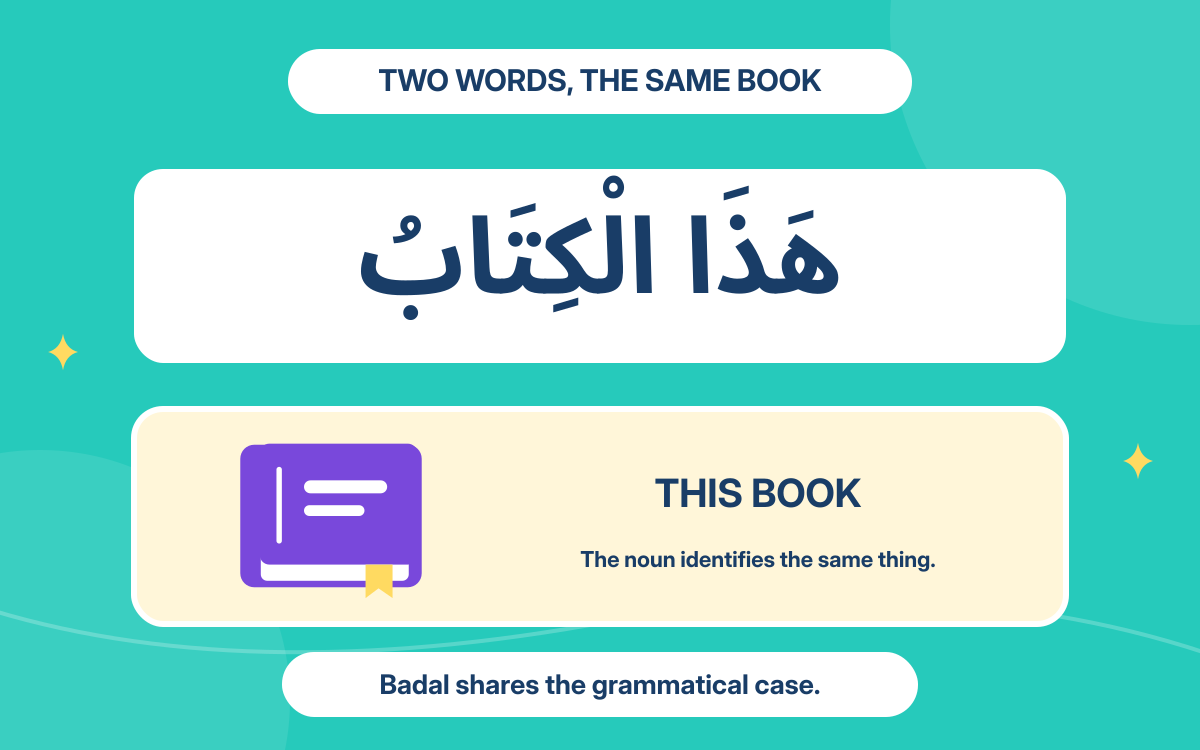
هَذَا الْكِتَاب
hadha alkitab
This book
Adding al, the, before kitab changes this basic pattern. Hadha alkitab identifies “this book”; it does not by itself say “This is a book.” You can add more information to complete a thought about that particular book.
For the identification sentences in this lesson, use the noun without al. This small difference is easy to miss when translating directly from English.
05Make two quick checks
- Check the distance. Is the object close, or are you referring to something farther away?
- Check the noun. Is its Arabic word masculine or feminine?
- Build the sentence. Match the pointing word to both answers, then name the object.
Practise with a real book and bag. Move one across the desk, choose this or that, and then say the complete example. Keep the object the same while changing distance first.
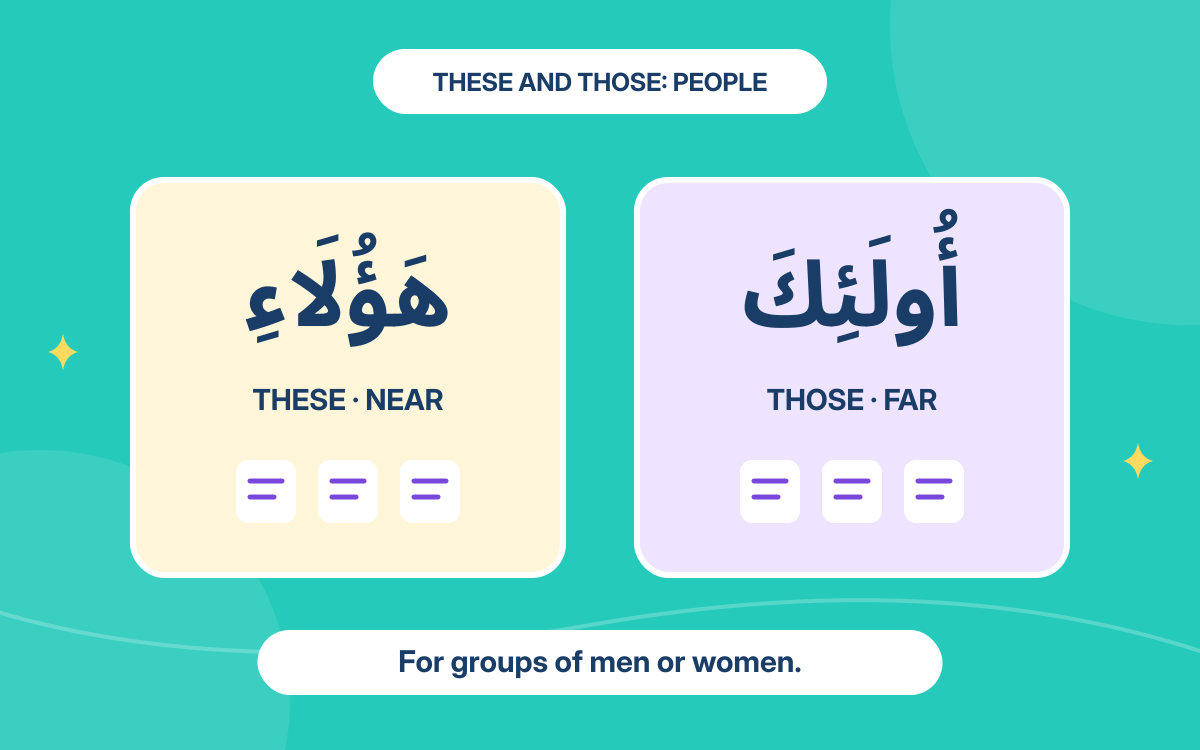
These four forms cover singular objects here. Arabic uses other patterns for two objects and for plurals. The plain transliteration leaves out pronunciation symbols, so keep the Arabic spelling in view too.
What to remember
- Hadha and hadhihi point nearby; dhalika and tilka point farther away.
- Match the Arabic noun’s grammatical gender, not the speaker’s gender.
- Hadha kitab means this is a book; hadha alkitab means this book.
Sources & further learning
References for the language explanations and learning guidance.