

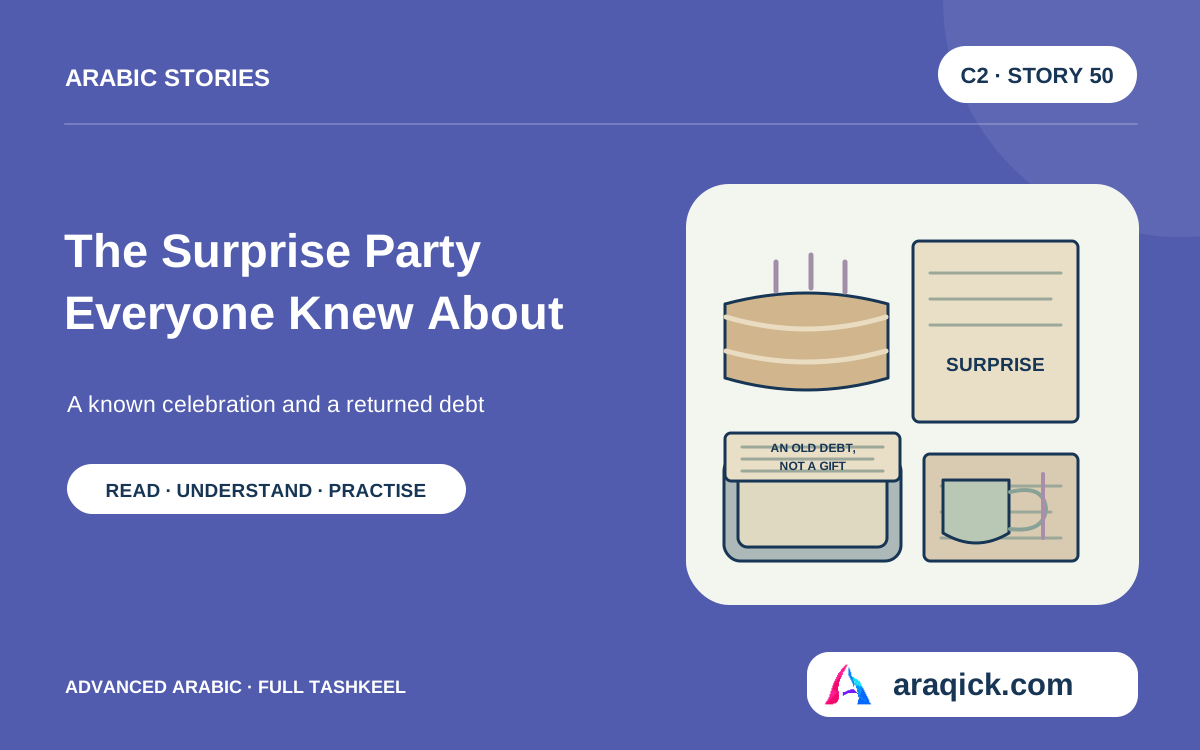
Everyone knows the entrance cue; one borrowed object still brings an unexpected laugh.
01Read the Arabic story
حَفْلَةُ الْمُفَاجَأَةِ الَّتِي عَرَفَ بِهَا الْجَمِيعُ
عَرَفْتُ بِحَفْلَةِ الْمُفَاجَأَةِ لِعِيدِ مِيلَادِي قَبْلَ مَوْعِدِهَا بِأُسْبُوعٍ، حِينَ سَأَلَتْنِي هُدَى عَنِ الْكَعْكَةِ الَّتِي «سَتَحْتَاجُهَا لِمُنَاسَبَةٍ أُخْرَى». وَفِي الْمَسَاءِ الْمَوْعُودِ، أَوْقَفَنِي تَعَطُّلُ الْمِصْعَدِ عِنْدَ الْمَدْخَلِ؛ فَلَقِيتُ كُلَّ ضَيْفٍ وَهُوَ يَصْعَدُ. قَالَ كُلٌّ مِنْهُمْ إِنَّهُ يَعْرِفُ خُطَّةَ الْحَفْلَةِ، ثُمَّ سَأَلَنِي إِنْ كُنْتُ أَعْرِفُهَا. ضَحِكْنَا بِصَوْتٍ خَافِتٍ، وَاتَّفَقْنَا عَلَى الدُّخُولِ الْمُرَتَّبِ.
نَزَلَتْ هُدَى لِتَبْحَثَ عَنِّي، فَأَخْبَرْتُهَا بِأَنَّ السِّرَّ لَمْ يَعُدْ سِرًّا. قَالَتْ: «كُنْتُ أَخْشَى أَنْ تُجَامِلِينِي وَأَنْتِ مُنْزَعِجَةٌ». قُلْتُ: «أَنَا سَعِيدَةٌ بِالْجَلْسَةِ، وَلَكِنَّ الْغِنَاءَ وَحْدِي مُحْرِجٌ». طَلَبْتُ أَنْ نَتْرُكَ فِقْرَةَ الْغِنَاءِ، فَوَافَقَتْ وَحَذَفَتْهَا مِنْ وَرَقَتِهَا. أَمَّا الصَّيْحَةُ الْمُرَتَّبَةُ عِنْدَ الْبَابِ، فَاخْتَرْتُ أَنْ أُشَارِكَ فِيهَا؛ وَتَدَرَّبْتُ عَلَى رَفْعِ حَاجِبَيَّ أَمَامَهَا.
دَخَلْتُ بَعْدَ أَنْ تَرَكْتُ لِلْضُّيُوفِ وَقْتًا لِلِاخْتِبَاءِ، فَصَاحُوا وَرَفَعْتُ حَاجِبَيَّ كَمَا وَعَدْتُ. لَمْ يَخْدَعْ أَحَدُنَا الْآخَرَ بِهَذِهِ الْحَرَكَةِ، لَكِنَّ تَكْرَارَهَا أَتَاحَ لَنَا بَدْءَ الْحَفْلَةِ مَعًا. وَضَعَتْ هُدَى الْوَرَقَةَ فِي جَيْبِهَا، وَمَرَّرَتِ الْأَكْوَابَ. لَمْ أَسْأَلْ كُلَّ ضَيْفٍ لِمَاذَا وَافَقَ عَلَى التَّمْثِيلِ؛ كُنْتُ أَعْرِفُ مَوْعِدَ الْحَفْلَةِ، لَا جَمِيعَ دَوَافِعِهَا.
قَبْلَ تَقْطِيعِ الْكَعْكَةِ، أَخْرَجَتْ سَمَرُ قَالَبًا مَعْدِنِيًّا مِنْ حَقِيبَتِهَا. عَلَى الْقَالَبِ وَرَقَةٌ بِخَطِّهَا: «دَيْنٌ قَدِيمٌ، لَا هَدِيَّةٌ». كَانَتْ قَدِ اسْتَعَارَتْهُ مِنِّي مُنْذُ زَمَنٍ حَتَّى نَسِيتُهُ. قَالَتْ إِنَّهَا وَجَدَتْهُ وَهِيَ تَبْحَثُ عَنْ عُلْبَةٍ لِلْهَدِيَّةِ، فَجَلَبَتْهُ بَدَلًا مِنْ عُلْبَةٍ جَدِيدَةٍ. لَمْ أَكُنْ أَعْرِفُ بِهَذِهِ الْعَوْدَةِ، فَخَرَجَتْ ضَحْكَتِي قَبْلَ أَنْ أَرْفَعَ حَاجِبَيَّ.
سَأَلَتْنِي هُدَى إِنْ كَانَتْ تِلْكَ ضَحْكَةَ الْمُفَاجَأَةِ الْمَطْلُوبَةَ، فَقُلْتُ إِنَّهَا وَصَلَتْ مُتَأَخِّرَةً عَنْ مَوْعِدِهَا. نَزَعْتُ الْوَرَقَةَ وَوَضَعْتُ قِطَعَ الْكَعْكَةِ فِي الْقَالَبِ لِتَمُرَّ بَيْنَ الْجَالِسِينَ. أَبْقَيْتُ الْوَرَقَةَ تَحْتَ كُوبِي؛ أَرَدْتُ أَنْ أُعِيدَهَا إِلَى سَمَرَ عِنْدَ الْبَابِ. أَمَّا الْقَالَبُ، فَقَدْ قَرَّبْتُهُ مِنِّي كُلَّمَا فَرَغَ، قَبْلَ أَنْ يَجِدَ طَرِيقَهُ إِلَى حَقِيبَةٍ أُخْرَى.
Show English translationHide English translation
I knew about my surprise birthday party a week beforehand, when Huda asked me about the cake she would “need for another occasion.” On the promised evening, the lift being out of service held me at the entrance, so I met every guest on their way upstairs. Each said they knew the party plan, then asked whether I knew it. We laughed quietly and agreed on the arranged entrance.
Huda came down to look for me, and I told her the secret was no longer a secret. “I was afraid you might humour me while feeling uncomfortable,” she said. “I’m happy about the gathering, but singing alone is embarrassing,” I replied. I asked to leave out the singing, and she agreed and crossed it off her sheet. As for the arranged shout at the door, I chose to join in, and practised raising my eyebrows in front of her.
I entered after giving the guests time to hide. They shouted, and I raised my eyebrows as promised. Neither side deceived the other with this gesture, but repeating it allowed us to begin the party together. Huda put the sheet in her pocket and passed round the cups. I did not ask each guest why they had agreed to act: I knew the party’s time, not all the reasons behind it.
Before the cake was cut, Samar took a metal cake tin from her bag. A handwritten note on it said, “An old debt, not a gift.” She had borrowed it from me so long ago that I had forgotten it. She said she had found it while looking for a gift box, and brought it instead of a new box. I had not known about this return, and my laugh came out before I could raise my eyebrows.
Huda asked whether that was the required surprised laugh. I said it had arrived late for its appointment. I removed the note and put pieces of cake in the tin to pass among those seated. I kept the note under my cup: I wanted to give it back to Samar at the door. As for the tin, I pulled it towards me whenever it was empty, before it could find its way into another bag.
02Useful words from the story
| Arabic in the story | Meaning here |
|---|---|
| لِعِيدِ مِيلَادِي | for my birthday |
| الْمَسَاءِ الْمَوْعُودِ | the promised evening |
| بِصَوْتٍ خَافِتٍ | quietly; in a low voice |
| تُجَامِلِينِي | you humour me or act out of courtesy |
| مُنْزَعِجَةٌ | uncomfortable or upset |
| الصَّيْحَةُ الْمُرَتَّبَةُ | the arranged shout |
| حَاجِبَيَّ | my two eyebrows |
| قَالَبًا مَعْدِنِيًّا | a metal cake tin |
| دَيْنٌ قَدِيمٌ | an old debt |
| دَوَافِعِهَا | the reasons behind it |
03Check your understanding
Choose one answer per question. Track voices, omissions and competing accounts. Choose the reading best supported by the Arabic text.
What to remember
- The narrator agrees to a familiar performance after making her preference clear.
- Knowing the party plan does not mean knowing each guest’s motives or every object they bring.
Explore the Arabic in this story
Related grammar and vocabularyOpen Araqick guides connected to this story.
Arabic Past-Tense Endings: I Wrote, You Wrote and We Wrote
نَزَعْتُ الْوَرَقَةَ
The final تُ marks the speaker in this regular past-tense form. A female narrator uses the same first-person ending as a male speaker; her gender is supplied elsewhere in the story.
Lakinna and Lakin in Arabic: Two Patterns for But
وَلَكِنَّ الْغِنَاءَ وَحْدِي مُحْرِجٌ
لَكِنَّ contrasts enjoyment of the gathering with embarrassment about solo singing. الْغِنَاءَ is its accusative noun and مُحْرِجٌ its nominative predicate. The first statement remains true.





