

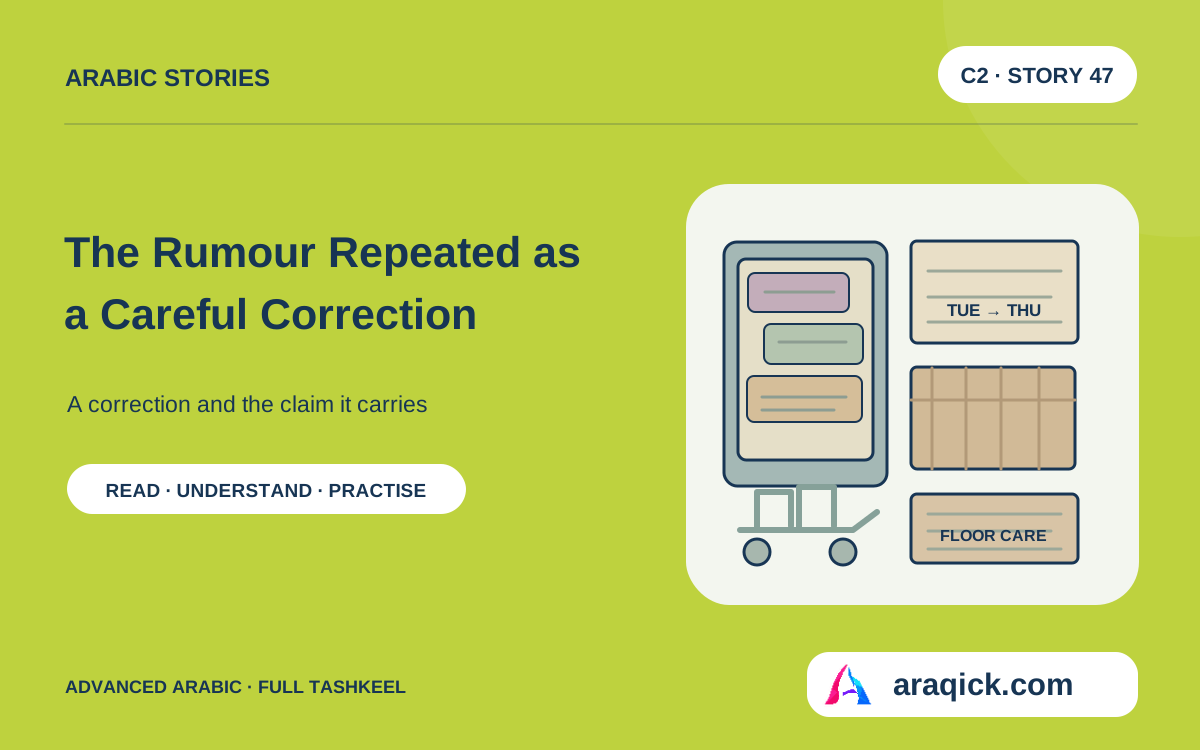
A careful correction gives an unchecked rumour another apparent source.
01Read the Arabic story
الْإِشَاعَةُ الَّتِي تَكَرَّرَتْ بِصِيغَةِ تَصْحِيحٍ حَذِرٍ
بِصِفَتِي مُنَسِّقًا لِنَادِي الْقِرَاءَةِ، وَصَلَتْنِي رِسَالَةٌ تَقُولُ إِنَّ مَكْتَبَةَ الْحَيِّ سَتُغْلَقُ يَوْمَ الثُّلَاثَاءِ. كُنْتُ قَدْ سَمِعْتُ الْخَمِيسَ مِنَ الْمُرْسِلِ نَفْسِهِ، فَأَرَدْتُ مَنْعَ الْبَلْبَلَةِ. كَتَبْتُ لِلْمَجْمُوعَةِ: «تَصْحِيحٌ صَغِيرٌ: الْمَوْعِدُ، فِيمَا يَبْدُو، يَوْمُ الْخَمِيسِ، لَا الثُّلَاثَاءِ». وَأَعَدْتُ قَبْلَهُ جُمْلَةَ الْإِغْلَاقِ كَيْ يَفْهَمَ الْقُرَّاءُ مَا أُصَحِّحُهُ. لَمْ أَكُنْ قَدْ سَأَلْتُ أَحَدًا يَعْمَلُ فِي الْمَكْتَبَةِ.
عِنْدَ الْمَدْخَلِ رَأَيْتُ كُرْسِيَّيْنِ عَلَى عَرَبَةٍ صَغِيرَةٍ. صَوَّرْتُهُمَا، ثُمَّ عَدَلْتُ عَنْ إِرْسَالِ الصُّورَةِ؛ لَيْسَتِ الصُّورَةُ دَلِيلًا، وَهَذَا مَا قُلْتُهُ لِنَفْسِي بِرِضًا. غَيْرَ أَنَّنِي لَمْ أُطَبِّقِ الْحَذَرَ نَفْسَهُ عَلَى الْجُمْلَةِ الَّتِي سَبَقَتِ التَّصْحِيحَ. كَانَ خَطَأُ الْيَوْمِ أَسْهَلَ فِي الْمُرَاجَعَةِ مِنْ أَصْلِ الْخَبَرِ، وَكَانَتْ صِفَتِي فِي النَّادِي تَجْعَلُ السُّؤَالَ عَنْ مَصْدَرِي أَقَلَّ إِلْحَاحًا.
بَعْدَ الظُّهْرِ سَأَلَتْنِي هُدَى هَلْ تَنْقُلُ لِقَاءَ النَّادِي. قَالَتْ: «وَصَلَنِي الْخَبَرُ مِنْ شَخْصَيْنِ، وَأَنْتَ أَحَدُهُمَا». أَرَتْنِي رِسَالَتِي وَرِسَالَةَ الْمُرْسِلِ الْأَوَّلِ. لَمْ يَكُنْ هُنَاكَ مَصْدَرَانِ؛ كَانَتْ جُمْلَةٌ وَاحِدَةٌ تَعُودُ بِصَوْتٍ أَهْدَأَ. أَشَرْتُ إِلَى «فِيمَا يَبْدُو»، فَسَأَلَتْ: «أَيَبْدُو لَكَ الْيَوْمُ أَمِ الْإِغْلَاقُ؟» لَمْ أَجِدْ فِي رِسَالَتِي مَا يَحْسِمُ ذَلِكَ.
دَخَلْتُ الْمَكْتَبَةَ وَسَأَلْتُ الْمُوَظَّفَ عَنِ الْكُرْسِيَّيْنِ. قَالَ إِنَّ أَرْضِيَّةَ الْمَدْخَلِ تُلَمَّعُ، وَأَشَارَ إِلَى قَاعَةِ الْقِرَاءَةِ الْمَفْتُوحَةِ. أَمَّا خَبَرُ الْإِغْلَاقِ فَلَمْ يَكُنْ عِنْدَهُ مَا يُؤَكِّدُهُ. لَمْ أَجْعَلْ جَوَابَهُ وَعْدًا بِبَقَاءِ الْمَكْتَبَةِ إِلَى الْأَبَدِ. طَلَبْتُ مِنْ هُدَى إِبْقَاءَ اللِّقَاءِ فِي مَوْعِدِهِ رَيْثَمَا نَسْأَلُ الْمَسْؤُولَ، ثُمَّ أَرْسَلْتُ تَوْضِيحًا يَذْكُرُ التَّلْمِيعَ وَأَنَّنِي لَا أَعْرِفُ صِحَّةَ خَبَرِ الْإِغْلَاقِ.
لَمْ أَكْتُبْ أَنَّ الْمُرْسِلَ تَعَمَّدَ تَضْلِيلَنَا؛ كُنْتُ أَعْرِفُ مَا نَقَلْتُهُ، لَا مَا قَصَدَهُ. وَعِنْدَمَا اتَّصَلْتُ بِهِ لِأَسْأَلَهُ عَنْ مَصْدَرِهِ، لَمْ يُجِبْ. بَعْدَ قَلِيلٍ ظَهَرَ سُؤَالُهُ عَلَى هَاتِفِي: «لِمَ أَعَدْتَ الْخَبَرَ قَبْلَ أَنْ تَسْأَلَنِي؟» فَتَحْتُ خَانَةَ الرَّدِّ، وَتَرَكْتُهَا مَفْتُوحَةً.
Show English translationHide English translation
As coordinator of the reading club, I received a message saying that the neighbourhood library would close on Tuesday. I had heard Thursday from that same sender and wanted to prevent confusion. I wrote to the group: 'A small correction: the date, apparently, is Thursday, not Tuesday.' Before that, I repeated the sentence about the closure so readers would understand what I was correcting. I had not asked anyone who worked at the library.
At the entrance I saw two chairs on a small cart. I photographed them, then decided against sending the picture: a picture is not proof, I told myself with satisfaction. Yet I did not apply the same caution to the sentence preceding the correction. The mistaken day was easier to check than the basis of the news, and my role in the club made questions about my source seem less pressing.
That afternoon Huda asked whether she should move the club meeting. 'I heard the news from two people, and you're one of them,' she said. She showed me my message and the original sender's. There were not two sources; one sentence was returning in a calmer voice. I pointed to 'apparently'. She asked, 'Does the date seem likely to you, or the closure?' I found nothing in my message that settled that.
I went into the library and asked the employee about the two chairs. He said the entrance floor was being polished and pointed to the open reading room. As for the report of closure, he had nothing to confirm it. I did not turn his answer into a promise that the library would remain forever. I asked Huda to keep the meeting as scheduled while we asked the person in charge, then sent a clarification mentioning the polishing and that I did not know whether the closure report was true.
I did not write that the sender had deliberately misled us; I knew what I had passed on, not what he had intended. When I called to ask about his source, he did not answer. A little later his question appeared on my phone: 'Why did you repeat the news before asking me?' I opened the reply field and left it open.
02Useful words from the story
| Arabic in the story | Meaning here |
|---|---|
| مُنَسِّقًا | a coordinator |
| الْبَلْبَلَةِ | confusion |
| تَصْحِيحٌ | a correction |
| عَرَبَةٍ | a cart |
| عَدَلْتُ عَنْ | I decided against |
| بِرِضًا | with satisfaction |
| إِلْحَاحًا | urgency |
| يَحْسِمُ | settles |
| تُلَمَّعُ | is being polished |
| تَضْلِيلَنَا | misleading us |
03Check your understanding
Choose one answer per question. Track voices, omissions and competing accounts. Choose the reading best supported by the Arabic text.
What to remember
- A cautious date correction can repeat an unverified central claim.
- The narrator separates what he passed on from what another sender intended.
Explore the Arabic in this story
Related grammar and vocabularyOpen Araqick guides connected to this story.
Laysa in Arabic: Is Not and Is Not Here
لَيْسَتِ الصُّورَةُ دَلِيلًا
Laysat denies a present description: al-suratu stays nominative and dalilan is its accusative predicate.
Arabic Relative Pronouns: Joining Ideas with Alladhi and Allati
الْجُمْلَةِ الَّتِي سَبَقَتِ التَّصْحِيحَ
Allati connects the definite feminine singular al-jumlah to its identifying clause; the verb’s understood subject refers back to the sentence.





