Translator Rima, author Nabil and editor Huda examine an invented story whose apparent praise precedes a locked gate and a long wait. They compare explicit sarcasm with a delayed ironic reversal, while separating the narrator’s limited statement from added judgements about the guard.
01Read the Arabic conversation
تَرْجَمَةُ الْمُفَارَقَةِ دُونَ فَقْدِ مَعْنَاهَا
رِيمَا: أُتَرْجِمُ قِصَّتَكَ الْمُتَخَيَّلَةَ إِلَى الْإِنْجِلِيزِيَّةِ، وَتَوَقَّفْتُ عِنْدَ قَوْلِ الرَّاوِي: «ضِيَافَةٌ سَرِيعَةٌ». يَلِيهِ أَنَّ الْبَابَ لَا يَزَالُ مُغْلَقًا، وَأَنَّ الْوَافِدِينَ وَاقِفُونَ مُنْذُ نِصْفِ سَاعَةٍ. أَخْشَى أَنْ تُقْرَأَ الْجُمْلَةُ الْقَصِيرَةُ مَدْحًا جَادًّا.
نَبِيلٌ: لِأَنَّ الْقَارِئَ لَمْ يَرَ الْبَابَ بَعْدُ، يَبْدُو الْمَدْحُ مُمْكِنًا لَحْظَةً. أُرِيدُ هَذَا الِاحْتِمَالَ الْقَصِيرَ، ثُمَّ أُرِيدُ أَنْ يَرْجِعَ إِلَى الْجُمْلَةِ بِمَعْنًى مُخْتَلِفٍ. الْمُفَارَقَةُ تَنْشَأُ مِنْ تَرْتِيبِ الْمَعْلُومَاتِ، لَا مِنْ لَفْظٍ سَاخِرٍ وَحْدَهُ.
هُدَى: فِي مُسَوَّدَةِ رِيمَا صَارَتِ الْجُمْلَةُ تَعَجُّبًا يُقَابِلُ «يَا لَهَا مِنْ ضِيَافَةٍ سَرِيعَةٍ!». إِيقَاعُهَا أَقْوَى، وَقَدْ يُسَاعِدُ مَنْ يَقْرَأُ بِسُرْعَةٍ. لَكِنَّهَا تَبْدُو كَأَنَّهَا تَعْلِنُ النَّتِيجَةَ قَبْلَ أَنْ تَعْرِضَ الْمَشْهَدَ الَّذِي يُسَوِّغُهَا.
رِيمَا: صَحِيحٌ، أَضَفْتُ التَّعَجُّبَ لِأَنَّ الْعِبَارَةَ الْمُقْتَضَبَةَ قَدْ تَبْدُو تَقْرِيرًا بَارِدًا. لَمْ أُرِدْ تَغْيِيرَ مَوْقِفِ الرَّاوِي، لَكِنَّنِي رُبَّمَا غَيَّرْتُ دَرَجَةَ صَوْتِهِ. هَلْ تُرِيدُهُ مُنْزَعِجًا مِنَ الِانْتِظَارِ أَمْ مُسْتَمْتِعًا بِتَسْجِيلِ التَّنَاقُضِ فِي الْمَشْهَدِ؟
نَبِيلٌ: لَا أَحْسِمُ شُعُورَهُ كُلَّهُ بِهَذِهِ الْجُمْلَةِ. يُمْكِنُ أَنْ يَكُونَ مُنْزَعِجًا وَمُتَحَفِّظًا مَعًا؛ وَالْقِصَّةُ لَا تَصِفُ ابْتِسَامَةً وَلَا صَرْخَةً. أَحْتَاجُ إِلَى نَبْرَةٍ تَتْرُكُ الْقَارِئَ يَسْتَنْتِجُ، بَدَلًا مِنْ أَنْ تَخْتَارَ لَهُ انْفِعَالًا وَاحِدًا.
هُدَى: إِذَنْ لَيْسَ الْخِيَارُ بَيْنَ الْوُضُوحِ وَالْغُمُوضِ فَقَطْ. قَدْ يَكُونُ الْمَعْنَى وَاضِحًا بَعْدَ سَطْرٍ، مَعَ بَقَاءِ الشُّعُورِ أَقَلَّ تَحْدِيدًا. لَوْ أَضَفْنَا «قَالَ سَاخِرًا»، لَاخْتَصَرْنَا طَرِيقَ الْفَهْمِ، لَكِنَّنَا لَأَلْغَيْنَا هَذَا الْفَاصِلَ الْقَصِيرَ الَّذِي يَقْصِدُهُ نَبِيلٌ.
رِيمَا: أَسْتَطِيعُ إِبْقَاءَ الْجُمْلَةِ الْخَبَرِيَّةِ، وَنَقْلَ فِعْلِ الْقَوْلِ إِلَى آخِرِهَا. غَيْرَ أَنَّنِي أَحْتَاجُ إِلَى تَوْضِيحِ أَنَّ الْبَابَ مُغْلَقٌ فِعْلًا؛ فَتَرْجَمَتِي الْأُولَى لِصِفَتِهِ كَانَتْ تَحْتَمِلُ أَنْ يَكُونَ مُوَارَبًا، وَهَذَا يُضْعِفُ سَبَبَ الِانْتِظَارِ.
نَبِيلٌ: تَصْحِيحُ هَذَا الْوَصْفِ لَا يُفْسِدُ الْكِتْمَانَ الَّذِي أَقْصِدُهُ. الْبَابُ مُغْلَقٌ، وَالْحَارِسُ يَبْحَثُ عَنِ الْمِفْتَاحِ لِلْمَرَّةِ الثَّالِثَةِ. أَنَا أَحْذِفُ تَفْسِيرَ النَّبْرَةِ، لَا تَفَاصِيلَ الْمَوْقِفِ الَّتِي تَجْعَلُ قِرَاءَةَ الْمَدْحِ الْحَرْفِيَّةَ غَيْرَ مُرَجَّحَةٍ فِي السِّيَاقِ.
هُدَى: هَذَا يَضَعُ لَنَا حَدًّا مُفِيدًا: نُحَافِظُ عَلَى التَّأْخِيرِ فِي فَهْمِ النَّبْرَةِ، وَلَا نُؤَخِّرُ مَعْرِفَةَ وَضْعِ الْبَابِ. وَأُفَضِّلُ أَنْ نُبْقِيَ نِصْفَ السَّاعَةِ فِي الْجُمْلَةِ التَّالِيَةِ، لِكَيْ لَا نَسْتَبْدِلَ الْوَاقِعَ الْمَحْسُوسَ بِوَصْفٍ عَامٍّ لِلتَّبَاطُؤِ.
رِيمَا: جَرَّبْتُ صِيَاغَةً أُخْرَى تُقَابِلُ «ضِيَافَةٌ سَرِيعَةٌ، بِالْفِعْلِ». الْكَلِمَةُ الْأَخِيرَةُ تَدْعَمُ الْمَدْحَ عَلَى السَّطْحِ، لَكِنَّهَا تُوَجِّهُ الْقَارِئَ نَحْوَ التَّهَكُّمِ مِنَ الْبِدَايَةِ. أَرَى الْآنَ أَنَّ وُضُوحَهَا قَدْ يَكُونُ زِيَادَةً، لَا تَعْوِيضًا عَنْ فَرْقٍ لُغَوِيٍّ.
نَبِيلٌ: أَمِيلُ إِلَى حَذْفِهَا. لَكِنَّنِي لَا أَطْلُبُ مُطَابَقَةَ عَدَدِ الْكَلِمَاتِ فِي اللُّغَتَيْنِ؛ قَدْ تَحْتَاجُ الْإِنْجِلِيزِيَّةُ إِلَى تَرْكِيبٍ أَطْوَلَ لِيَبْدُو الْقَوْلُ طَبِيعِيًّا. مَا أَتَحَفَّظُ عَلَيْهِ هُوَ إِضَافَةُ حُكْمٍ عَلَى الْقَوْلِ، لَا الْكَلِمَاتُ الضَّرُورِيَّةُ لِبِنَائِهِ.
هُدَى: وَفِي الْعُنْوَانِ الْفَرْعِيِّ كَتَبْتُ أَنَا «ضِيَافَةٌ لَا تَبْدَأُ». كَانَ قَصْدِي جَذْبَ الْقَارِئِ، وَالْآنَ أَرَى أَنَّهُ يَكْشِفُ الْمُفَارَقَةَ قَبْلَ الْفَقْرَةِ. هَلْ نَسْتَخْدِمُ «عِنْدَ الْبَابِ» لِيَدُلَّ عَلَى الْمَكَانِ دُونَ حَسْمِ مَا سَيَحْدُثُ؟
رِيمَا: هَذَا أَنْسَبُ لِخُطَّتِنَا، وَلَكِنْ لَا يَجْعَلُ التَّرْجَمَةَ مُكَافِئَةً تِلْقَائِيًّا. سَأَقْرَأُ الْفَقْرَةَ بَصَوْتٍ مَسْمُوعٍ؛ فَقَدْ تَبْقَى الْجُمْلَةُ خَبَرِيَّةً وَتَصِيرُ طَوِيلَةً إِلَى حَدٍّ يَجْعَلُهَا تَعْلِيقًا مُفَسِّرًا. الْإِيقَاعُ جُزْءٌ مِنْ هَذَا الْحُكْمِ الْمُقْتَضَبِ أَيْضًا.
نَبِيلٌ: وَأُرِيدُ أَنْ يَأْتِيَ الْبَابُ بَعْدَ النُّقْطَةِ، لَا فِي جُمْلَةٍ اعْتِرَاضِيَّةٍ تَدْخُلُ وَسَطَ الْمَدْحِ. لَا أُقَدِّسُ عَلَامَةَ التَّرْقِيمِ نَفْسَهَا، لَكِنَّ الْفَصْلَ يَتْرُكُ لِلْقَارِئِ لَحْظَةً يَتَلَقَّى فِيهَا الْجُمْلَةَ، ثُمَّ يُعِيدُ النَّظَرَ فِي مَعْنَاهَا.
هُدَى: مَا رَأْيُكُمَا فِي هَذَا التَّرْتِيبِ: الْقَوْلُ الْقَصِيرُ، ثُمَّ الْبَابُ الْمُغْلَقُ وَنِصْفُ السَّاعَةِ، ثُمَّ بَحْثُ الْحَارِسِ عَنِ الْمِفْتَاحِ؟ نَحْتَفِظُ بِالْحَرَكَةِ الَّتِي تُؤَكِّدُ الْمَعْنَى، دُونَ أَنْ نَجْعَلَ الْحَارِسَ مَوْضِعَ إِهَانَةٍ أَضَافَتْهَا التَّرْجَمَةُ مِنْ عِنْدِهَا.
رِيمَا: أُوَافِقُ عَلَى التَّرْتِيبِ، وَسَأَتَجَنَّبُ صِفَةً كُنْتُ قَدْ أَضَفْتُهَا لِلْحَارِسِ، هِيَ «الْمُهْمِلُ». تَكْرَارُ الْبَحْثِ يَدُلُّ عَلَى تَعَثُّرٍ فِي هَذِهِ اللَّحْظَةِ، لَكِنَّهُ لَا يُثْبِتُ سِمَةً ثَابِتَةً فِي شَخْصِيَّتِهِ. الْمُفَارَقَةُ لَا تَحْتَاجُ إِلَى هَذَا التَّوْسِيعِ.
نَبِيلٌ: نَعَمْ، الْقِصَّةُ تَعْرِضُ ضِيَافَةً لَا تُوَافِقُ صُورَتَهَا الْمُعْلَنَةَ، وَلَا تُقَدِّمُ تَقْرِيرًا عَنْ أَخْلَاقِ الْحَارِسِ. لَدَيَّ فِي مَشْهَدٍ لَاحِقٍ تَفْسِيرٌ لِضَيَاعِ الْمِفْتَاحِ، لَكِنَّنَا لَا نَنْقُلُهُ إِلَى هُنَا لِنُبَرِّئَ أَحَدًا أَوْ نُدِينَهُ مُبَكِّرًا.
هُدَى: بَقِيَ أَنْ نُجَرِّبَ الْمُسَوَّدَةَ عَلَى قِرَاءَةٍ أُولَى. سَأَقْرَأُ الْفَقْرَةَ دُونَ شَرْحٍ لِنَبْرَتِهَا، وَأَسْأَلُ عَنْ مَوْضِعِ تَغَيُّرِ الْفَهْمِ. لَنْ نَعُدَّ إِجَابَتِي وَحْدَهَا دَلِيلًا عَلَى اسْتِجَابَةِ الْجَمِيعِ؛ فَأَنَا أَعْرِفُ الْأَصْلَ مِنْ هَذَا النِّقَاشِ.
رِيمَا: سَأَطْلُبُ مِنْ قَارِئَةٍ لَمْ تَرَ الْأَصْلَ أَنْ تَصِفَ مَا فَهِمَتْهُ، قَبْلَ أَنْ أَذْكُرَ كَلِمَةَ الْمُفَارَقَةِ. إِذَا قَرَأَتِ الْمَدْحَ حَرْفِيًّا حَتَّى بَعْدَ الْبَابِ، فَسَأَفْحَصُ الصِّيَاغَةَ؛ لَنْ أَعُدَّ ذَلِكَ عَيْبًا فِيهَا مُبَاشَرَةً.
نَبِيلٌ: وَإِذَا فَهِمَتِ الْمُفَارَقَةَ وَرَأَتِ الرَّاوِي أَشَدَّ غَضَبًا مِمَّا أَتَصَوَّرُ، فَسَأَسْمَعُ سَبَبَهَا. لَيْسَ كُلُّ فَرْقٍ خَلَلًا فِي التَّرْجَمَةِ؛ الْأَصْلُ يَتْرُكُ مَسَاحَةً لِهَذَا. أَمَّا وُجُودُ صِفَةٍ أَوْ تَعَجُّبٍ مُضَافٍ فَيَسْتَحِقُّ فَحْصًا مُحَدَّدًا.
هُدَى: إِذَنْ نُفَرِّقُ بَيْنَ اخْتِلَافٍ تَسْمَحُ بِهِ الْقِصَّةُ وَتَوْجِيهٍ تُحْدِثُهُ الصِّيَاغَةُ الْجَدِيدَةُ. هَذَا لَا يَعْنِي أَنْ كُلَّ قِرَاءَةٍ مُتَسَاوِيَةٌ؛ بَقَاءُ الْمَدْحِ جَادًّا يُهْمِلُ تَنَاقُضًا مَعْرُوضًا. لَكِنَّ تَحْدِيدَ مِقْدَارِ غَضَبِ الرَّاوِي يَحْتَاجُ إِلَى أَدِلَّةٍ أُخْرَى.
رِيمَا: سَأُعِيدُ الْجُمْلَةَ الْخَبَرِيَّةَ الْقَصِيرَةَ، وَأَحْذِفُ الْكَلِمَةَ الَّتِي تُقَابِلُ «بِالْفِعْلِ»، وَأُثْبِتُ إِغْلَاقَ الْبَابِ فِي السَّطْرِ التَّالِي. هَذَا قَرَارٌ فِي الْمُسَوَّدَةِ الْحَالِيَّةِ، لَا ضَمَانٌ بِأَنَّ الْإِيقَاعَ وَالِاسْتِجَابَةَ سَيَتَطَابَقَانِ بَيْنَ اللُّغَتَيْنِ لَدَى كُلِّ قَارِئٍ.
نَبِيلٌ: أَقْبَلُ هَذَا الِاخْتِيَارَ لِأَنَّهُ يُبْقِي الْمَعْنَى الْمُضَادَّ مُسْتَنَدًا إِلَى الْمَشْهَدِ. وَلَا أَطْلُبُ مِنَ التَّرْجَمَةِ أَنْ تُخْفِيَ مَا يَكْشِفُهُ الْأَصْلُ؛ أَطْلُبُ أَنْ تَدَعَ الْقَارِئَ يَكْتَشِفُهُ فِي الْمَوْضِعِ نَفْسِهِ، بِقَدْرِ مَا تَسْمَحُ بِهِ الصِّيَاغَةُ.
هُدَى: وَسَأَسْتَبْدِلُ الْعُنْوَانَ الْفَرْعِيَّ بِـ«عِنْدَ الْبَابِ». لَنْ نُضِيفَ شَرْحًا لِلنَّبْرَةِ فِي الْهَامِشِ، لِأَنَّ الْمَشْهَدَ يُقَدِّمُ سَبَبَ الْقِرَاءَةِ الْمُخَالِفَةِ. أَمَّا فَحْصُ الْمُسَوَّدَةِ مَعَ الْقَارِئَةِ فَلَمْ يَحْدُثْ بَعْدُ، وَسَنَسْتَخْدِمُهُ لِمُرَاجَعَةِ اخْتِيَارِنَا.
رِيمَا: سَأُرْسِلُ إِلَيْكُمَا النُّسْخَةَ بَعْدَ هَذِهِ التَّعْدِيلَاتِ، وَسَأُبْقِي مَلْحُوظَةَ الْقِرَاءَةِ خَارِجَ النَّصِّ الْمَنْشُورِ. لَا أُرِيدُ أَنْ تَتَسَلَّلَ تَعْلِيمَاتُنَا إِلَى صَوْتِ الرَّاوِي؛ فَلَهُ أَنْ يُلْقِيَ جُمْلَتَهُ الْقَصِيرَةَ، وَلِلْبَابِ الْمُغْلَقِ أَنْ يُكْمِلَ مَا تَرَكَهُ مُعَلَّقًا.
نَبِيلٌ: وَأَنَا لَا أَعُدُّ حَذْفَ التَّعَجُّبِ تَخْفِيفًا لِلنَّقْدِ. قَدْ يَكُونُ وَضْعُ الْمَدْحِ بِجِوَارِ مَا يُنَاقِضُهُ أَبْلَغَ مِنْ تَسْمِيَةِ التَّهَكُّمِ. لَكِنَّنِي أَتْرُكُ الْحُكْمَ عَلَى نَجَاحِ هَذِهِ النُّسْخَةِ لِقِرَاءَتِهَا، لَا لِحُسْنِ نِيَّتِنَا فِي صُنْعِهَا.
هُدَى: سَنَمْضِي بِهَذِهِ الْمُسَوَّدَةِ لِلْفَحْصِ، وَيَبْقَى سُؤَالُ الْإِيقَاعِ مَفْتُوحًا. الْمُتَّفَقُ عَلَيْهِ هُوَ مَوْضِعُ الْكَشْفِ وَحَذْفُ الْحُكْمِ الْمُضَافِ، لَا انْتِصَارُ الْقِصَرِ فِي كُلِّ تَرْجَمَةٍ. فَهُنَا تَخْدِمُ الْجُمْلَةُ الْقَصِيرَةُ مُفَارَقَةً مُعَيَّنَةً لَهَا سِيَاقُهَا.
Show English translationHide English translation
Rima — translator: I am translating your fictional story into English, and I stopped at the narrator’s words: “Prompt hospitality.” This is followed by the fact that the gate is still locked and the arrivals have been standing there for half an hour. I fear the short sentence may be read as sincere praise.
Nabil — author: Because the reader has not seen the gate yet, the praise seems possible for a moment. I want that brief possibility, then I want the reader to return to the sentence with a different meaning. The irony arises from the order of information, not from a sarcastic word alone.
Huda — editor: In Rima’s draft the sentence became an exclamation equivalent to “What prompt hospitality!” Its rhythm is stronger and might help someone reading quickly. But it seems as though it announces the conclusion before presenting the scene that warrants it.
Rima — translator: True, I added the exclamation because the terse expression might seem like a cold statement. I did not intend to change the narrator’s position, but I may have changed the intensity of his voice. Do you want him irritated by the wait or enjoying the recording of the scene’s contradiction?
Nabil — author: I do not settle his entire feeling with this sentence. He may be irritated and restrained at once; the story describes neither a smile nor a shout. I need a tone that leaves the reader to infer rather than choosing a single emotion for them.
Huda — editor: Then the choice is not simply between clarity and ambiguity. The meaning may become clear after one line while the feeling remains less specified. If we added “he said sarcastically,” we would shorten the route to understanding but remove the brief interval Nabil intends.
Rima — translator: I can keep the declarative sentence and move the reporting verb to its end. But I need to clarify that the gate is actually locked: my first rendering of its description allowed it to be ajar, which weakens the reason for waiting.
Nabil — author: Correcting that description does not spoil the reticence I intend. The gate is locked, and the guard is searching for the key for the third time. I omit an explanation of the tone, not the situational details that make a literal reading of the praise unlikely in context.
Huda — editor: That gives us a useful boundary: preserve the delay in understanding the tone without delaying knowledge of the gate’s condition. I prefer keeping the half hour in the following sentence so we do not replace the concrete situation with a general description of slowness.
Rima — translator: I tried another wording equivalent to “Prompt hospitality, indeed.” The final word supports the praise on the surface but directs the reader towards sarcasm from the outset. I now see that its clarity may be an addition, rather than compensation for a linguistic difference.
Nabil — author: I lean towards deleting it. But I do not ask for identical word counts in the two languages; English may need a longer construction for the utterance to sound natural. My reservation concerns adding a judgement about the utterance, not the words needed to construct it.
Huda — editor: In the subtitle I wrote “Hospitality that never begins.” I intended to attract the reader, and now I see that it exposes the irony before the paragraph. Shall we use “At the Gate” to identify the place without settling what will happen?
Rima — translator: That suits our plan better, but it does not automatically make the translation equivalent. I will read the paragraph aloud: the sentence might remain declarative yet become so long that it feels like an explanatory comment. Rhythm is also part of this terse judgement.
Nabil — author: I want the gate to come after the full stop, not in a parenthesis inserted into the praise. I do not regard that punctuation mark itself as sacred, but the separation gives the reader a moment to receive the sentence and then reconsider its meaning.
Huda — editor: What do you both think of this order: the short utterance, then the locked gate and the half hour, then the guard’s search for the key? We retain the action that confirms the meaning without making the guard the object of an insult added by the translation itself.
Rima — translator: I agree to the order, and I will avoid a description I had added for the guard: “careless.” The repeated search indicates difficulty at this moment, but it does not establish a fixed character trait. The irony does not need that expansion.
Nabil — author: Yes, the story presents hospitality that does not match its advertised image; it does not provide a report on the guard’s character. In a later scene I have an explanation for the lost key, but we do not move it here to exonerate or condemn anyone prematurely.
Huda — editor: We still need to try the draft on a first reading. I will read the paragraph without an explanation of its tone and ask where understanding changes. We will not treat my answer alone as evidence of everyone’s response: I know the original from this discussion.
Rima — translator: I will ask a reader who has not seen the original to describe what she understood before I mention the word irony. If she reads the praise literally even after the gate, I will examine the wording; I will not immediately treat that as a fault in her.
Nabil — author: If she understands the irony but sees the narrator as angrier than I imagine him, I will listen to her reason. Not every difference is a translation defect; the original leaves room for that. An added adjective or exclamation, however, deserves specific examination.
Huda — editor: Then we distinguish a variation permitted by the story from a direction introduced by the new wording. That does not mean every reading is equal: continuing to take the praise sincerely ignores a presented contradiction. But determining how angry the narrator is requires other evidence.
Rima — translator: I will restore the short declarative sentence, delete the word equivalent to “indeed,” and establish that the gate is locked in the following line. This is a decision about the current draft, not a guarantee that rhythm and response will match across the languages for every reader.
Nabil — author: I accept this choice because it keeps the contrary meaning grounded in the scene. I do not ask the translation to conceal what the original reveals; I ask it to let the reader discover it at the same point, as far as the wording allows.
Huda — editor: I will replace the subtitle with “At the Gate.” We will add no explanation of the tone in a footnote, because the scene supplies the reason for the contrary reading. The draft check with the reader has not happened yet; we will use it to review our choice.
Rima — translator: I will send you both the version after these changes and keep the reading note outside the published text. I do not want our instructions to creep into the narrator’s voice: he can deliver his short sentence, and the locked gate can complete what he leaves suspended.
Nabil — author: I do not regard deleting the exclamation as weakening the criticism. Placing praise beside what contradicts it may be more expressive than naming the sarcasm. But I leave judgement of this version’s success to its reading, not to our good intentions in making it.
Huda — editor: We will proceed with this draft for the check, while the question of rhythm remains open. What is agreed is the point of revelation and removal of the added judgement, not the superiority of brevity in every translation. Here the short sentence serves a particular irony with its own context.
02Useful words and expressions
| Arabic in the conversation | Meaning here |
|---|---|
| الْمُفَارَقَةُ | the irony |
| تَرْتِيبِ الْمَعْلُومَاتِ | the order of information |
| الْعِبَارَةَ الْمُقْتَضَبَةَ | the terse expression |
| نَبْرَةٍ | a tone |
| جُمْلَةٍ اعْتِرَاضِيَّةٍ | a parenthetical clause |
| إِلَى أَدِلَّةٍ أُخْرَى | other evidence, as something required |
| فِي الْهَامِشِ | in a footnote |
| تَخْفِيفًا لِلنَّقْدِ | a weakening of the criticism |
| مَوْضِعُ الْكَشْفِ | the point of revelation |
| قِرَاءَةَ الْمَدْحِ الْحَرْفِيَّةَ | the literal reading of the praise |
| سِمَةً ثَابِتَةً | a fixed trait |
| لِحُسْنِ نِيَّتِنَا | on account of our good intentions |
03Check your understanding
Choose one answer for each question. Look back at the Arabic conversation for evidence. Open the English question support or a hint when you need help.
What to remember
- Recognise how later context reverses apparent praise without a direct sarcasm label.
- Distinguish a faithful situational detail from an added judgement about character or emotion.
- Track a chosen translation draft separately from a future check of its rhythm and reception.
Explore the Arabic in this conversation
Related grammar and vocabularyOpen Araqick guides connected to this conversation.
Because in Arabic: Give a Reason with Lianna
لِأَنَّ الْقَارِئَ لَمْ يَرَ الْبَابَ بَعْدُ
Use lianna to explain why the opening praise remains briefly plausible.
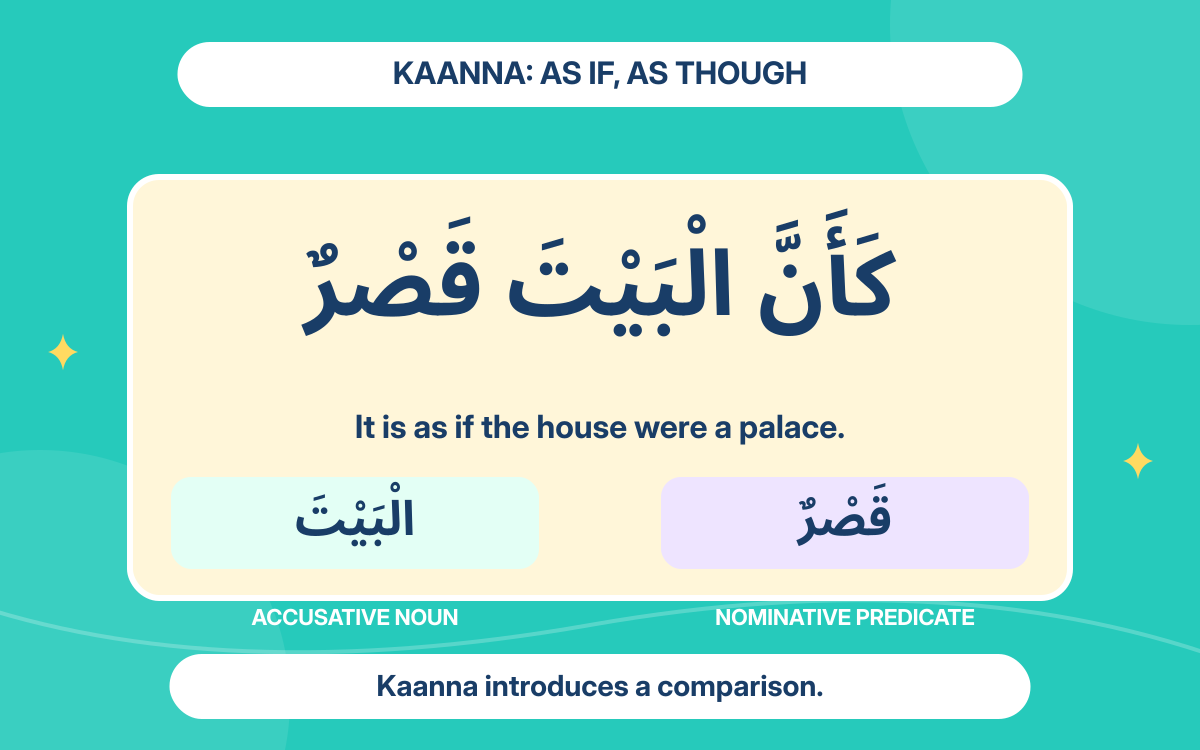
Kaanna in Arabic: As If and As Though
كَأَنَّهَا تَعْلِنُ النَّتِيجَةَ قَبْلَ أَنْ تَعْرِضَ الْمَشْهَدَ الَّذِي يُسَوِّغُهَا
Use kaanna to describe the interpretive effect of a more emphatic draft.
Lakinna and Lakin in Arabic: Two Patterns for But
لَكِنَّهُ لَا يُثْبِتُ سِمَةً ثَابِتَةً فِي شَخْصِيَّتِهِ
Use lakinna to limit what a repeated action proves about the guard.