Journalist Samir, editor Nadia and media scholar Omar revise a fictional report about a neighbourhood hall that has stopped opening. A dated notice, a timed visit and competing source descriptions require different attribution, while a shortened quote has overstated certainty about reopening.
01Read the Arabic conversation
مُنَاقَشَةُ الْحِيَادِ فِي نَقْلِ الْأَخْبَارِ
سَمِيرٌ: أَعْدَدْتُ خَبَرًا عَنْ قَاعَةِ الْحَيِّ فِي حَالَتِنَا الْمُتَخَيَّلَةِ، بِعُنْوَانٍ يَقُولُ إِنَّ إِغْلَاقَهَا أَنْهَى الْبَرْنَامَجَ. الْمُنَظِّمُ يُسَمِّي التَّوَقُّفَ «إِلْغَاءً»، وَالْمُدِيرُ يَصِفُهُ بِـ«تَعْلِيقٍ قَصِيرٍ». لَا أُرِيدُ أَنْ أَنْحَازَ إِلَى أَحَدِهِمَا بِاخْتِيَارِ كَلِمَتِهِ.
نَادِيَةُ: لَكِنَّ عُنْوَانَكَ اخْتَارَ نَتِيجَةً قَبْلَ أَنْ نَفْحَصَ مَدَاهَا. مَا الَّذِي عَايَنْتَهُ، وَمَا الَّذِي قَرَأْتَهُ فِي إِشْعَارٍ، وَمَا الَّذِي سَمِعْتَهُ مِنَ الْمَصْدَرَيْنِ؟ اِبْدَأْ بِهَذِهِ الْفُرُوقِ، ثُمَّ نَخْتَارُ صِيَاغَةً لَا تُخْفِي الْأَثَرَ وَلَا تُوَسِّعُهُ.
عُمَرُ: وَأَنَا أَقْرَأُ الْمُسَوَّدَةَ بِوَصْفِي بَاحِثًا فِي الْإِعْلَامِ، لَا شَاهِدًا عَلَى الْوَاقِعَةِ. كَلِمَةُ «إِلْغَاءٍ» تُوَحِي بِنِهَايَةٍ، وَكَلِمَةُ «قَصِيرٍ» تُوَحِي بِمُدَّةٍ مَعْرُوفَةٍ. نِسْبَتُهُمَا إِلَى قَائِلَيْهِمَا مُهِمَّةٌ، لَكِنَّهَا لَا تَجْعَلُ كُلَّ مَا تُوحِيَانِ بِهِ ثَابِتًا.
سَمِيرٌ: الْإِشْعَارُ مُؤَرَّخٌ بِيَوْمِ الثُّلَاثَاءِ، وَنَصُّهُ: «يَتَوَقَّفُ فَتْحُ الْقَاعَةِ مِنْ يَوْمِ الْأَرْبِعَاءِ حَتَّى يَكْتَمِلَ فَحْصُ الْأَرْضِيَّةِ». زُرْتُهَا ظُهْرَ الْأَرْبِعَاءِ، فَوَجَدْتُ الْبَابَ مُغْلَقًا وَلَمْ أَسْتَطِعِ الدُّخُولَ. لَا يَذْكُرُ الْإِشْعَارُ مَوْعِدًا لِإِعَادَةِ الْفَتْحِ بَعْدَ ذَلِكَ.
نَادِيَةُ: إِذَنْ يَثْبُتُ لَدَيْنَا مَا أَعْلَنَهُ الْإِشْعَارُ، وَمَا رَأَيْتَهُ وَقْتَ الزِّيَارَةِ. هَلْ شَاهَدْتَ الْفَحْصَ نَفْسَهُ؟ أُرِيدُ أَنْ نَكْتُبَ أَنَّ الْإِشْعَارَ يَرْبِطُ التَّوَقُّفَ بِالْفَحْصِ، لَا أَنْ نَقُولَ إِنَّ زِيَارَتَكَ أَثْبَتَتْ سَبَبَهُ الْفِعْلِيَّ مِنْ دَاخِلِ الْقَاعَةِ.
عُمَرُ: هَذَا لَا يَسْلُبُ الْوَثِيقَةَ قِيمَتَهَا. لَهَا تَارِيخٌ وَصِيَاغَةٌ يُمْكِنُ الرُّجُوعُ إِلَيْهِمَا، وَهِيَ تُثْبِتُ الْإِعْلَانَ الْمَكْتُوبَ. لَكِنَّ خَبَرَ الْفَحْصِ الْمُجْرَى أَمْرٌ آخَرُ. الْحِيَادُ هُنَا يَحْتَاجُ إِلَى دِقَّةِ النِّسْبَةِ، لَا إِلَى تَخْفِيضِ دَرَجَةِ الثِّقَةِ فِي كُلِّ جُمْلَةٍ.
سَمِيرٌ: لَمْ أَشَاهِدِ الْفَحْصَ. أَمَّا الْمُنَظِّمُ فَقَالَ إِنَّ لِقَاءَيْنِ مُعْلَنَيْنِ لِلْأَرْبِعَاءِ وَالْجُمُعَةِ تَأَجَّلَا، وَلَمْ يُحَدَّدْ لَهُمَا بَدِيلٌ بَعْدُ. ثُمَّ قَالَ: «هَذَا إِلْغَاءٌ لِبَرْنَامَجِنَا». وَنَحْنُ نُحَرِّرُ الْخَبَرَ يَوْمَ الْجُمُعَةِ، وَالتَّصْرِيحُ وَصَلَ صَبَاحَ الْيَوْمِ.
نَادِيَةُ: سَنَذْكُرُ تَأْجِيلَ اللِّقَاءَيْنِ وَغِيَابَ الْمَوْعِدِ الْبَدِيلِ مَنْسُوبَيْنِ إِلَيْهِ. هَذَا أَثَرٌ مُحَدَّدٌ، وَلَيْسَ مُجَرَّدَ شُعُورٍ نُقَابِلُهُ بِرَأْيِ الْمُدِيرِ. لَكِنَّ الْجُمْلَةَ لَا تُثْبِتُ أَنَّ الْبَرْنَامَجَ انْتَهَى؛ فَالتَّأْجِيلُ بِغَيْرِ مَوْعِدٍ مَعْرُوفٍ يَخْتَلِفُ عَنْ قَرَارِ الْإِلْغَاءِ النِّهَائِيِّ.
عُمَرُ: يُمْكِنُ أَنْ نَنْقُلَ وَصْفَهُ «إِلْغَاءً» بِوَصْفِهِ تَقْدِيرًا لِأَثَرِ التَّوَقُّفِ، مَعَ تَوْضِيحِ مَا يَسْتَنِدُ إِلَيْهِ. وَلَا أُفَضِّلُ وَضْعَهُ وَحْدَهُ فِي الْعُنْوَانِ بَيْنَ عَلَامَتَيْ تَنْصِيصٍ؛ فَالِاقْتِبَاسُ لَا يُلْغِي أَثَرَ اخْتِيَارِنَا لِهَذِهِ الْكَلِمَةِ دُونَ غَيْرِهَا.
سَمِيرٌ: الْمُدِيرُ قَالَ لِي هَاتِفِيًّا إِنَّ التَّوَقُّفَ سَيَسْتَغْرِقُ «أَيَّامًا قَلِيلَةً». سَأَلْتُهُ عَنْ تَارِيخٍ، فَقَالَ إِنَّهُ لَا يَمْلِكُ مَوْعِدًا مُؤَكَّدًا الْآنَ. كُنْتُ قَدْ حَذَفْتُ هَذِهِ الْجُمْلَةَ لِتَقْصِيرِ الْخَبَرِ، وَأَرَى أَنَّ حَذْفَهَا جَعَلَ تَوَقُّعَهُ أَقْرَبَ إِلَى الْوَعْدِ.
نَادِيَةُ: أَعِدْ هَذَا الْقَيْدَ؛ فَهُوَ يُغَيِّرُ دَرَجَةَ الْيَقِينِ، لَا مُجَرَّدَ طُولِ الْخَبَرِ. نُسَمِّي الْأَيَّامَ الْقَلِيلَةَ تَوَقُّعًا لِلْمُدِيرِ، وَنَذْكُرُ أَنَّهُ لَمْ يُؤَكِّدْ تَارِيخًا. لَا نَعْدِلُ بَيْنَ التَّصْرِيحَيْنِ بِحَذْفِ مَا يُضْعِفُ أَيًّا مِنْهُمَا أَوْ يُحَدِّدُهُ.
عُمَرُ: وَلَا يَجُوزُ أَنْ نَسْتَنْتِجَ مِنْ غِيَابِ التَّارِيخِ أَنَّهُ يَتَعَمَّدُ إِطَالَةَ التَّوَقُّفِ. هَذَا أَيْضًا قَفْزَةٌ خَارِجَ الْمَوَادِّ الَّتِي عِنْدَنَا. نَسْتَطِيعُ إِظْهَارَ ضَعْفِ التَّحْدِيدِ دُونَ اخْتِرَاعِ دَافِعٍ، كَمَا نَسْتَطِيعُ نَقْلَ الضَّرَرِ دُونَ إِعْلَانِ نِهَايَةِ الْبَرْنَامَجِ.
سَمِيرٌ: اِقْتَرَحَ زَمِيلٌ أَنْ نَمْنَحَ كُلَّ مَصْدَرٍ الْعَدَدَ نَفْسَهُ مِنَ الْكَلِمَاتِ. هَذَا سَهْلُ الْقِيَاسِ، لَكِنَّنِي أَحْتَاجُ إِلَى سَطْرٍ إِضَافِيٍّ لِنَصِّ الْإِشْعَارِ. أَخْشَى أَنْ يَبْدُو وَضْعُهُ قَبْلَ التَّصْرِيحَيْنِ تَفْضِيلًا لِرِوَايَةِ الْمُدِيرِ عِنْدَ الْقَارِئِ.
نَادِيَةُ: وَضْعُ الْإِشْعَارِ أَوَّلًا لَا يَجْعَلُ تَوَقُّعَ الْمُدِيرِ مُؤَكَّدًا. يُعَرِّفُ الْقَارِئَ بِالْإِعْلَانِ الَّذِي يَدُورُ حَوْلَهُ الْخِلَافُ. وَسَنَنْقُلُ اعْتِرَاضَ الْمُنَظِّمِ بِوُضُوحٍ، لَا فِي كَلِمَةٍ عَابِرَةٍ. الْمَسَاحَةُ تُحَدَّدُ بِمَا يَحْتَاجُ إِلَيْهِ تَفْسِيرُ الْوَاقِعَةِ، لَا بِحِسَابٍ مُنْفَصِلٍ لِلْكَفَّتَيْنِ.
عُمَرُ: لَكِنَّنِي أَتَحَفَّظُ عَلَى وَصْفِ ذَلِكَ بِأَنَّهُ «تَرْتِيبٌ مُحَايِدٌ» بِذَاتِهِ. الْبِدَايَةُ وَالِاقْتِبَاسُ وَالْعُنْوَانُ اخْتِيَارَاتٌ تَحْرِيرِيَّةٌ لَهَا أَثَرٌ. يُمْكِنُ تَبْرِيرُهَا بِالْوَثِيقَةِ وَالسُّؤَالِ الَّذِي نُجِيبُ عَنْهُ، لَا بِادِّعَاءِ أَنَّنَا لَمْ نَخْتَرْ شَيْئًا عَلَى الْإِطْلَاقِ.
سَمِيرٌ: هَلْ نَكْتُبُ فِي الْعُنْوَانِ: «تَوَقُّفُ فَتْحِ قَاعَةِ الْحَيِّ، وَمَوْعِدُ الْعَوْدَةِ غَيْرُ مُؤَكَّدٍ»؟ هَذَا يَتْرُكُ أَثَرَ اللِّقَاءَيْنِ لِلْمَتْنِ. أُرِيدُ أَنْ يَظْهَرَ الِانْقِطَاعُ، لِأَنَّ وَصْفَهُ بِتَغْيِيرٍ فِي الْجَدْوَلِ فَقَطْ قَدْ يُخْفِي أَنَّ الدُّخُولَ تَوَقَّفَ.
نَادِيَةُ: أَقْبَلُ هَذَا الْعُنْوَانَ، مَعَ مُقَدِّمَةٍ تُحَدِّدُ الْأَرْبِعَاءَ بَدْءًا لِلتَّوَقُّفِ وَتَنْسِبُ ذَلِكَ إِلَى الْإِشْعَارِ. ثُمَّ نَذْكُرُ زِيَارَتَكَ فِي وَقْتِهَا، وَاللِّقَاءَيْنِ فِي قَوْلِ الْمُنَظِّمِ. لَنْ نُقَدِّمَ الْمُقَدِّمَةَ كَأَنَّهَا تُثْبِتُ مَا حَدَثَ دَاخِلَ الْقَاعَةِ.
عُمَرُ: وَأَفْهَمُ اعْتِرَاضَ سَمِيرٍ عَلَى «تَغْيِيرِ الْجَدْوَلِ». تَجَنُّبُ الْكَلِمَةِ الْحَادَّةِ لَا يَعْنِي اسْتِبْدَالَ الْوَاقِعَةِ بِعِبَارَةٍ مُرِيحَةٍ. يُمْكِنُ أَنْ نُسَمِّيَ التَّوَقُّفَ، ثُمَّ نُحَدِّدَ مَا نَعْرِفُهُ عَنْ مُدَّتِهِ وَأَثَرِهِ، بَدَلًا مِنْ تَلْطِيفِهِ أَوْ تَضْخِيمِهِ.
سَمِيرٌ: سَأُضِيفُ بَعْدَ قَوْلِ الْمُدِيرِ أَنَّ الْإِشْعَارَ لَا يَذْكُرُ تَارِيخَ الْعَوْدَةِ. هَلْ يَبْدُو ذَلِكَ تَكْذِيبًا لَهُ؟ هُوَ لَمْ يَقُلْ إِنَّ التَّارِيخَ مَكْتُوبٌ، بَلْ قَدَّمَ تَوَقُّعًا. أُرِيدُ أَنْ أَمْنَعَ الْخَلْطَ دُونَ أَنْ أُصَوِّرَ تَعَارُضًا لَا يَثْبُتُ مِنْ قَوْلِهِ.
نَادِيَةُ: نَقُولُ إِنَّ تَوَقُّعَهُ لَا يُرَافِقُهُ تَارِيخٌ مُؤَكَّدٌ، كَمَا قَالَ هُوَ نَفْسُهُ. هَكَذَا نَفْصِلُ بَيْنَ التَّوَقُّعِ وَالْمَوْعِدِ، وَلَا نَجْعَلُ غِيَابَ التَّارِيخِ نَقْضًا لِكُلِّ مَا قَالَهُ. وَنُبْقِي السُّؤَالَ عَنْ وَقْتِ الْعَوْدَةِ ظَاهِرًا فِي الْخَبَرِ.
عُمَرُ: وَإِذَا اسْتَخْدَمْنَا عِبَارَةَ «بَيْنَ رِوَايَتَيْنِ»، فَقَدْ نُوحِي بِأَنَّ الْبَابَ الْمُغْلَقَ نَفْسَهُ مَوْضِعُ نِزَاعٍ. الْخِلَافُ الْمَعْرُوضُ يَتَعَلَّقُ بِمَعْنَى التَّوَقُّفِ وَمُدَّتِهِ، لَا بِكُلِّ تَفْصِيلٍ فِي الْخَبَرِ. لَا نُوَزِّعُ الشَّكَّ بِالتَّسَاوِي عَلَى الْوَثِيقَةِ وَالْمُشَاهَدَةِ وَالتَّوَقُّعِ.
سَمِيرٌ: سَأُبْقِي كَلِمَةَ «إِلْغَاءٍ» فِي اقْتِبَاسِ الْمُنَظِّمِ دَاخِلَ الْمَتْنِ، وَأَسْبِقُهَا بِخَبَرِ اللِّقَاءَيْنِ مَنْسُوبًا إِلَيْهِ. وَسَأُبْقِي «أَيَّامًا قَلِيلَةً» مَعَ قَيْدِ الْمُدِيرِ. هَذَا يُظْهِرُ خِلَافَهُمَا، لَكِنَّهُ لَا يَجْعَلُ أَحَدَ الْوَصْفَيْنِ صَوْتَ الصَّحِيفَةِ الْخَاصَّ بِهَا.
نَادِيَةُ: وَسَنَنْشُرُ الْخَبَرَ بِالْعُنْوَانِ الَّذِي اقْتَرَحْتَهُ، بَعْدَ إِعَادَةِ الْقَيْدِ الْمَحْذُوفِ. لَنْ نَكْتُبَ أَنَّ الْبَرْنَامَجَ انْتَهَى أَوْ أَنَّ الْعَوْدَةَ مَضْمُونَةٌ خِلَالَ أَيَّامٍ. وَسَنَذْكُرُ أَنَّ الْمَوْعِدَ غَيْرُ مُؤَكَّدٍ عِنْدَ تَحْرِيرِ الْخَبَرِ هَذَا الْيَوْمَ.
عُمَرُ: أُؤَيِّدُ هَذَا الِاخْتِيَارَ، مَعَ بَقَاءِ تَحَفُّظِي عَلَى شِعَارِ «الْمَسَافَةِ الْمُتَسَاوِيَةِ». لَا تُقَاسُ الدِّقَّةُ بِمَوْضِعٍ مُتَوَسِّطٍ بَيْنَ وَصْفَيْنِ. فَقَدْ يَحْتَاجُ قَوْلٌ إِلَى قَيْدٍ أَطْوَلَ، وَقَدْ يَحْتَاجُ أَثَرٌ مُهِمٌّ إِلَى مَسَاحَةٍ أَكْبَرَ لِيَفْهَمَهُ الْقَارِئُ.
سَمِيرٌ: سَأُرْسِلُ النُّسْخَةَ الْمُعَدَّلَةَ إِلَيْكِ يَا نَادِيَةُ قَبْلَ النَّشْرِ. وَلَا أَزَالُ أَرَى أَنَّ أَثَرَ التَّوَقُّفِ يَسْتَحِقُّ الْمُتَابَعَةَ، خَاصَّةً مَعَ غِيَابِ بَدِيلٍ لِلِّقَاءَيْنِ فِي قَوْلِ الْمُنَظِّمِ. لَكِنَّ هَذَا سَبَبٌ لِسُؤَالٍ لَاحِقٍ، لَا لِتَوْسِيعِ الْخَبَرِ الْحَالِيِّ.
نَادِيَةُ: وَأَنَا أُوَافِقُ عَلَى الْمُتَابَعَةِ. الْخَبَرُ الْحَالِيُّ سَيَصِفُ مَا أُعْلِنَ وَمَا شُوهِدَ وَمَا قِيلَ، بِحُدُودِ كُلٍّ مِنْهَا. إِذَا وَصَلَ مَوْعِدٌ مُؤَكَّدٌ، نُحَدِّثُهُ؛ لَنْ نَعُدَّ غِيَابَهُ الْآنَ مَعْرِفَةً مُسْبَقَةً بِالْمُدَّةِ أَوْ بِالنِّهَايَةِ.
عُمَرُ: يَبْقَى خِلَافُ الْمُنَظِّمِ وَالْمُدِيرِ ظَاهِرًا فِي النُّسْخَةِ، وَيَبْقَى أَثَرُ التَّوَقُّفِ مُسَمًّى. مَا تَغَيَّرَ هُوَ أَنَّ الْقَارِئَ سَيَعْرِفُ مَصْدَرَ كُلِّ حُكْمٍ وَدَرَجَةَ تَحْدِيدِهِ. لَا نَحْتَاجُ إِلَى حَسْمِ نِيَّاتِهِمَا لِنُحَرِّرَ خَبَرًا أَدَقَّ عَنْ هَذِهِ الْوَاقِعَةِ الْمُحَدَّدَةِ.
Show English translationHide English translation
Samir — journalist: I drafted a report about the neighbourhood hall in our fictional case, with a headline saying its closure ended the programme. The organiser calls the stoppage a “cancellation,” and the manager describes it as a “short suspension.” I do not want to favour either by choosing his word.
Nadia — editor: But your headline chose an outcome before we examined its scope. What did you observe, what did you read in a notice, and what did you hear from the two sources? Start with those distinctions, then we can choose wording that neither hides the effect nor expands it.
Omar — media scholar: I am reading the draft as a media scholar, not a witness to the event. “Cancellation” suggests an end, and “short” suggests a known duration. Attributing them to their speakers matters, but that does not establish everything they imply.
Samir — journalist: The notice is dated Tuesday and reads: “The hall will stop opening from Wednesday until the floor inspection is complete.” I visited at midday on Wednesday, found the door locked and could not enter. The notice gives no date for reopening after that.
Nadia — editor: Then we have established what the notice announced and what you saw at the time of your visit. Did you see the inspection itself? I want us to write that the notice links the stoppage to the inspection, not that your visit proved its actual cause from inside the hall.
Omar — media scholar: That does not strip the document of value. It has a date and wording that can be checked, and it establishes the written announcement. A report of an inspection actually carried out is another matter. Neutrality here needs precise attribution, not reduced confidence in every sentence.
Samir — journalist: I did not see the inspection. The organiser said two announced meetings, for Wednesday and Friday, had been postponed, with no replacement yet set. He then said: “This is a cancellation of our programme.” We are editing the report on Friday, and the statement arrived this morning.
Nadia — editor: We will mention the postponement of the two meetings and lack of a replacement date, attributing both to him. That is a specific effect, not simply a feeling to set against the manager’s opinion. But the statement does not establish that the programme ended: postponement without a known date differs from a final cancellation decision.
Omar — media scholar: We can quote his description “cancellation” as an assessment of the stoppage’s effect, clarifying what he bases it on. I would not put it alone in the headline in quotation marks: quotation does not remove the effect of our choosing this word rather than another.
Samir — journalist: The manager told me by telephone that the stoppage would take “a few days.” I asked for a date, and he said he had no confirmed one now. I had cut that sentence to shorten the report, and I see that its omission made his expectation look more like a promise.
Nadia — editor: Restore that qualification: it changes the degree of certainty, not merely the report’s length. We call the few days the manager’s expectation and mention that he confirmed no date. We do not treat the two statements fairly by deleting what weakens or limits either one.
Omar — media scholar: Nor may we infer from the absence of a date that he deliberately intends to prolong the stoppage. That too goes beyond the material we have. We can show the weak specification without inventing a motive, just as we can report the harm without declaring the programme ended.
Samir — journalist: A colleague proposed giving each source the same number of words. That is easy to measure, but I need an extra line for the notice’s text. I fear placing it before the two statements may look to readers like favouring the manager’s account.
Nadia — editor: Putting the notice first does not confirm the manager’s expectation. It introduces readers to the announcement around which the disagreement revolves. We will report the organiser’s objection clearly, not as a passing word. Space is determined by what explaining the event requires, not by separate accounting for the two sides.
Omar — media scholar: But I have a reservation about calling that a “neutral order” in itself. The opening, quotation and headline are editorial choices with an effect. They can be justified by the document and the question we are answering, not by claiming we chose nothing at all.
Samir — journalist: Shall we write in the headline: “Neighbourhood hall stops opening; return date unconfirmed”? That leaves the effect on the two meetings to the body. I want the interruption to be visible, because calling it only a schedule change may hide that entry stopped.
Nadia — editor: I accept that headline, with an opening that specifies Wednesday as the start of the stoppage and attributes this to the notice. Then we mention your visit at its stated time and the two meetings in the organiser’s account. We will not present the opening as though it established what happened inside the hall.
Omar — media scholar: I understand Samir’s objection to “schedule change.” Avoiding a harsh word does not mean replacing the event with a comfortable phrase. We can name the stoppage and specify what we know about its duration and effect, rather than softening or magnifying it.
Samir — journalist: I will add after the manager’s statement that the notice gives no return date. Might that seem like calling him untruthful? He did not say the date was written down; he offered an expectation. I want to prevent confusion without depicting a contradiction his words do not establish.
Nadia — editor: We say that his expectation is not accompanied by a confirmed date, as he himself said. This separates the expectation from a scheduled date without making the absence of a date refute everything he said. We keep the question of reopening time visible in the report.
Omar — media scholar: If we use “between two accounts,” we may imply that the locked door itself is disputed. The disagreement presented concerns the stoppage’s meaning and duration, not every detail in the report. We do not distribute doubt equally across the document, observation and expectation.
Samir — journalist: I will retain “cancellation” in the organiser’s quotation in the body, preceded by the report of the two meetings attributed to him. I will retain “a few days” with the manager’s qualification. This shows their disagreement without turning either description into the newspaper’s own voice.
Nadia — editor: We will publish the report under the headline you proposed after restoring the omitted qualification. We will not write that the programme ended or that a return within days is guaranteed. We will state that the date is unconfirmed at the time of editing the report today.
Omar — media scholar: I support this choice while retaining my reservation about the slogan “equal distance.” Accuracy is not measured by a midpoint between two descriptions. One statement may need a longer qualification, and an important effect may need more space for the reader to understand it.
Samir — journalist: I will send you the revised version, Nadia, before publication. I still think the stoppage’s effect deserves follow-up, especially with no replacement for the two meetings in the organiser’s account. But that is a reason for a later question, not for expanding the present report’s claim.
Nadia — editor: I agree to the follow-up. The current report will describe what was announced, observed and said, within the limits of each. If a confirmed date arrives, we update it; we will not treat its present absence as advance knowledge of the duration or outcome.
Omar — media scholar: The organiser’s and manager’s disagreement remains visible in the version, and the stoppage’s effect remains named. What has changed is that the reader will know the source of each judgement and how specifically it is established. We do not need to settle their intentions to edit a more accurate report of this particular event.
02Useful words and expressions
| Arabic in the conversation | Meaning here |
|---|---|
| بِاخْتِيَارِ كَلِمَتِهِ | by choosing his word |
| نِسْبَتُهُمَا إِلَى قَائِلَيْهِمَا | attributing the two expressions to their speakers |
| مُؤَرَّخٌ | dated |
| سَبَبَهُ الْفِعْلِيَّ | its actual cause |
| دِقَّةِ النِّسْبَةِ | precision of attribution |
| تَأَجَّلَا | the two were postponed |
| الْمَوْعِدِ الْبَدِيلِ | the replacement date |
| الْإِلْغَاءِ النِّهَائِيِّ | final cancellation |
| دَرَجَةَ الْيَقِينِ | the degree of certainty |
| تَوَقُّعًا لِلْمُدِيرِ | an expectation of the manager |
| قَفْزَةٌ | an unwarranted leap |
| فِي كَلِمَةٍ عَابِرَةٍ | as a passing word |
03Check your understanding
Choose one answer for each question. Look back at the Arabic conversation for evidence. Open the English question support or a hint when you need help.
What to remember
- Separate what a document announces from what a journalist observes and a source predicts.
- Recognise how missing qualifications and prominent loaded labels can broaden a report’s claim.
- Track a specific revised report that preserves effects and disagreement without inventing motives or outcomes.
Explore the Arabic in this conversation
Related grammar and vocabularyOpen Araqick guides connected to this conversation.
Lakinna and Lakin in Arabic: Two Patterns for But
لَكِنَّ الْجُمْلَةَ لَا تُثْبِتُ أَنَّ الْبَرْنَامَجَ انْتَهَى
Use governing lakinna to limit what the organiser’s statement establishes.
Because in Arabic: Give a Reason with Lianna
لِأَنَّ وَصْفَهُ بِتَغْيِيرٍ فِي الْجَدْوَلِ فَقَطْ قَدْ يُخْفِي أَنَّ الدُّخُولَ تَوَقَّفَ
Use lianna to explain why a softer label may conceal the interruption.
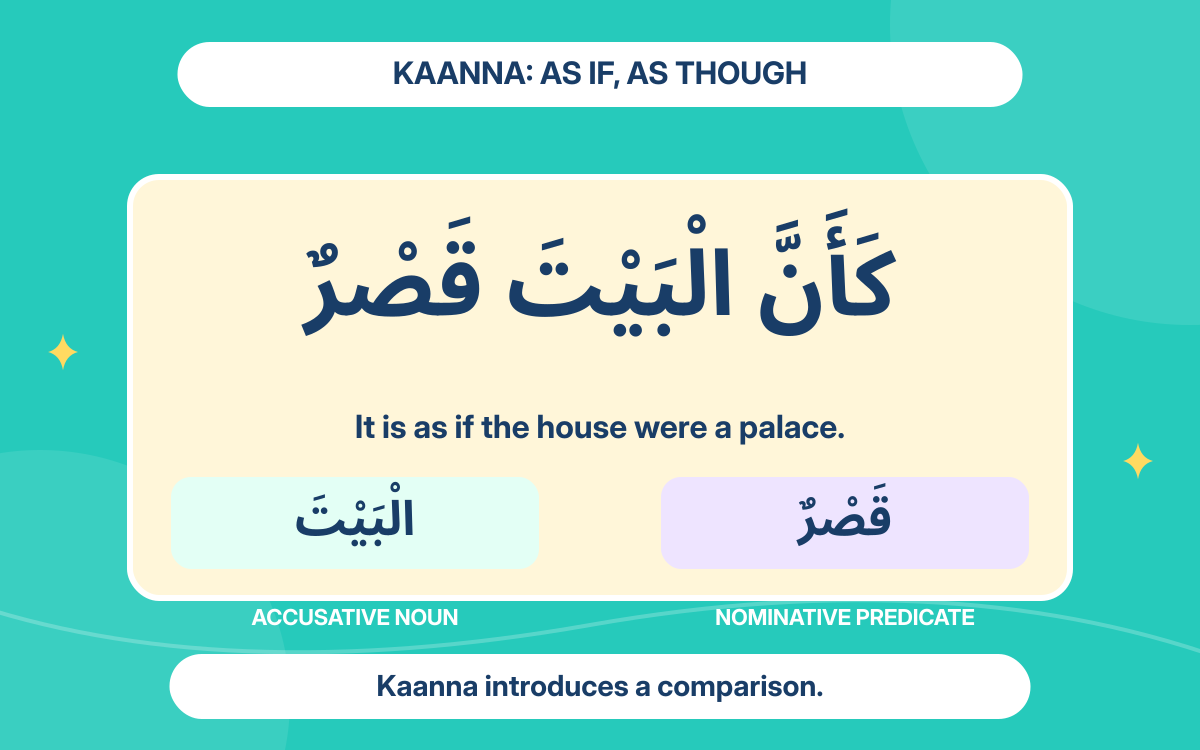
Kaanna in Arabic: As If and As Though
كَأَنَّهَا تُثْبِتُ مَا حَدَثَ دَاخِلَ الْقَاعَةِ
Use kaanna to describe an evidential claim the revised opening must avoid.