Researcher Samir brings a small fictional reading-workshop evaluation to journalist Huda and independent reviewer Nadir. They disagree over how much the recorded gains justify saying, and how a careful headline can still tell a useful story.
01Read the Arabic conversation
فَصْلُ الْأَدِلَّةِ عَنِ التَّفْسِيرِ
سَامِرٌ: أَمَامَكُمَا تَقْيِيمُ وَرْشَةِ قِرَاءَةٍ تَخَيُّلِيَّةٍ أَعْدَدْتُهَا لِهَذَا النِّقَاشِ. كُلُّ الْأَعْدَادِ وَالْإِجَابَاتِ مُخْتَلَقَةٌ، لَكِنَّنِي أُرِيدُ أَنْ نُعَامِلَ سِجِلَّهَا بِجِدِّيَّةٍ؛ فَطَرِيقَةُ وَصْفِهِ قَدْ تَتَجَاوَزُ مَا يُثْبِتُهُ.
هُدَى: عُنْوَانِي الْأَوَّلِيُّ هُوَ: وَرْشَةٌ تَصْنَعُ قُرَّاءً أَكْثَرَ ثِقَةً. فِي الْمَلَفِّ دَرَجَاتٌ تَرْتَفِعُ، وَشَهَادَاتٌ مُتَحَمِّسَةٌ؛ فَلِمَاذَا أَحْرِمُ الْقَارِئَ مِنْ خُلَاصَةٍ وَاضِحَةٍ تَرْبِطُ هَذِهِ الْمُعْطَيَاتِ بِالتَّجْرِبَةِ الَّتِي أَنْتَجَتْهَا؟
نَادِرٌ: لَا أَعْتَرِضُ عَلَى الْوُضُوحِ، بَلْ عَلَى الْعَلَاقَةِ الَّتِي يَبْنِيهَا الْفِعْلُ تَصْنَعُ. قَبْلَ أَنْ نَحْسِمَ الْعُنْوَانَ، مَنْ دَخَلَ الْوَرْشَةَ، وَمَنْ ظَهَرَ فِي الْمُقَارَنَةِ، وَكَيْفَ قِيسَتْ هَذِهِ الثِّقَةُ الَّتِي نَنْسِبُهَا إِلَيْهَا؟
سَامِرٌ: سَجَّلَ ثَمَانِيَةَ عَشَرَ شَخْصًا أَنْفُسَهُمْ طَوْعًا. أَكْمَلَ اثْنَا عَشَرَ مِنْهُمْ مَهَمَّةَ الْقِرَاءَةِ قَبْلَ الْوَرْشَةِ وَبَعْدَهَا، وَغَابَ السِّتَّةُ الْبَاقُونَ عَنِ الْمَهَمَّةِ الْأَخِيرَةِ؛ لِذَلِكَ تَتَعَلَّقُ مُقَارَنَتِي بِالِاثْنَيْ عَشَرَ، لَا بِكُلِّ الْمُسَجَّلِينَ.
هُدَى: إِذَنْ عِنْدَنَا أَغْلَبِيَّةٌ حَضَرَتِ الْمُقَارَنَةَ، وَهَذَا يَجْعَلُ الْخَبَرَ قَابِلًا لِلْكِتَابَةِ. لَكِنَّنِي أُرِيدُ الْأَرْقَامَ دُونَ تَزْيِينٍ: كَمْ تَحَسَّنَ، وَكَمْ بَقِيَ عَلَى حَالِهِ، وَهَلْ وُجِدَ مَنْ انْخَفَضَتْ دَرَجَتُهُ؟
نَادِرٌ: وَأُضِيفُ سُؤَالًا عَنِ الْغَائِبِينَ. غِيَابُ دَرَجَاتِهِمْ لَيْسَ دَلِيلًا عَلَى تَرَاجُعِهِمْ، كَمَا أَنَّهُ لَا يَسْمَحُ بِعَدِّهِمْ ضِمْنَ الْمُتَحَسِّنِينَ؛ الْفَرَاغُ فِي الْجَدْوَلِ لَا يَمْلَؤُهُ التَّفْسِيرُ الَّذِي نُفَضِّلُهُ.
سَامِرٌ: ارْتَفَعَتْ دَرَجَاتُ ثَمَانِيَةٍ، وَثَبَتَتْ دَرَجَاتُ ثَلَاثَةٍ، وَانْخَفَضَتْ دَرَجَةُ وَاحِدٍ. كَانَتِ الْمَهَمَّةُ مِنْ عَشْرِ نِقَاطٍ، وَاسْتَخْدَمْنَا النَّصَّ نَفْسَهُ مَرَّتَيْنِ؛ فَالتَّغَيُّرُ الْمُسَجَّلُ وَاضِحٌ، أَمَّا مَصْدَرُهُ فَلَمْ نَفْصِلْهُ بَعْدُ.
هُدَى: اسْتِخْدَامُ النَّصِّ نَفْسِهِ يَجْعَلُ الْمُقَارَنَةَ مُنْصِفَةً مِنْ نَاحِيَةِ الصُّعُوبَةِ. أَأَفْهَمُ مِنْ تَحَفُّظِكَ أَنَّ ذَلِكَ الْمَكْسَبَ نَفْسَهُ يَفْتَحُ تَفْسِيرًا آخَرَ، وَهُوَ أَنَّهُمْ تَذَكَّرُوا بَعْضَ الْإِجَابَاتِ؟
نَادِرٌ: نَعَمْ، هَذَا تَفْسِيرٌ مُمْكِنٌ، لَا نَتِيجَةٌ أَثْبَتْنَاهَا. وَرُبَّمَا سَاعَدَتِ الْوَرْشَةُ أَيْضًا؛ إِنَّ تَعَدُّدَ الْأَسْبَابِ الْمُحْتَمَلَةِ يَمْنَعُ حَصْرَ الْأَثَرِ فِي وَاحِدٍ، وَلَا يَمْحُو التَّغَيُّرَ الَّذِي رَأَيْنَاهُ.
سَامِرٌ: لَمْ نَخْتَبِرْ قُرَّاءً لَمْ يَحْضُرُوا الْوَرْشَةَ، وَلَمْ نُسَجِّلْ تَدْرِيبَهُمْ خَارِجَهَا. لِأَنَّ الْمُشَارَكَةَ كَانَتْ طَوْعِيَّةً، قَدْ يَكُونُ حَمَاسُهُمْ سَابِقًا لِلْوَرْشَةِ؛ لَكِنَّنَا لَمْ نَقِسْهُ، فَلَا أَسْتَطِيعُ تَحْوِيلَ هَذَا الِاحْتِمَالِ إِلَى حَقِيقَةٍ.
هُدَى: وَمَعَ ذَلِكَ، كَتَبَ تِسْعَةٌ مِنَ الِاثْنَيْ عَشَرَ أَنَّهُمْ صَارُوا أَكْثَرَ ثِقَةً. هَلْ عَلَيَّ أَنْ أَتَجَاهَلَ أَقْوَالَهُمْ لِأَنَّهَا لَيْسَتْ دَرَجَاتٍ، أَمْ يُمْكِنُ أَنْ تَحْمِلَ الْقِصَّةَ مِنْ زَاوِيَةٍ لَا يُظْهِرُهَا الْجَدْوَلُ؟
نَادِرٌ: اُنْقُلِي أَقْوَالَهُمْ بِوَصْفِهَا أَقْوَالَهُمْ. إِجَابَاتُهُمْ تُثْبِتُ أَنَّهُمْ وَصَفُوا شُعُورَهُمْ هَكَذَا، لَا أَنَّهُمْ قَرَؤُوا أَكْثَرَ بَعْدَ شَهْرٍ. لَمْ نُتَابِعْ سُلُوكَهُمْ لَاحِقًا، وَالْفَرْقُ بَيْنَ الْعِبَارَتَيْنِ يُغَيِّرُ مَا نَعِدُ الْقَارِئَ بِمَعْرِفَتِهِ.
سَامِرٌ: لَدَيَّ مُشْكِلَةٌ فِي مُسَوَّدَتِي أَيْضًا. كَتَبْتُ: تَحَسَّنَ مُعْظَمُ الْمُشَارِكِينَ، كَأَنَّ عَدَدَ الْمُشَارِكِينَ مَعْرُوفٌ سَلَفًا. يَنْبَغِي أَنْ أَقُولَ: تَحَسَّنَ ثَمَانِيَةٌ مِنَ الِاثْنَيْ عَشَرَ الَّذِينَ أَكْمَلُوا الْمَهَمَّتَيْنِ، حَتَّى يَظْهَرَ حَدُّ الْمُقَارَنَةِ.
هُدَى: هَذِهِ الصِّيَاغَةُ أَدَقُّ، وَلَكِنَّهَا طَوِيلَةٌ لِلْعُنْوَانِ. أَقْتَرِحُ: دَرَجَاتٌ أَعْلَى لِأَغْلَبِ مَنْ أَكْمَلُوا تَقْيِيمَ وَرْشَةِ الْقِرَاءَةِ. وَأَضَعُ الْعَدَدَيْنِ فِي الْمُقَدِّمَةِ، مَعَ شَهَادَةٍ وَاحِدَةٍ مَنْسُوبَةٍ بِوُضُوحٍ إِلَى صَاحِبِهَا.
نَادِرٌ: هَذَا الْعُنْوَانُ يَصِفُ التَّغَيُّرَ وَلَا يَحْسِمُ سَبَبَهُ. لَكِنَّ تَحَفُّظَكَ لَا يَكْفِي إِذَا كَتَبْتِ بَعْدَهُ أَنَّ الثِّقَةَ جَاءَتْ نَتِيجَةَ الْوَرْشَةِ. يَجِبُ أَنْ يَبْقَى الْحَدُّ نَفْسُهُ فِي الْعُنْوَانِ وَفِي الْمَتْنِ.
سَامِرٌ: وَأَرَى أَنْ نُبْقِيَ الدَّرَجَةَ الْمُنْخَفِضَةَ فِي الْخَبَرِ. لَا أَعْرِفُ لِمَاذَا انْخَفَضَتْ، وَصَاحِبُهَا لَمْ يُفَسِّرْ ذَلِكَ؛ لَكِنَّ حَذْفَهَا يَجْعَلُ التَّغَيُّرَ مُتَّجِهًا فِي طَرِيقٍ وَاحِدٍ، وَهَذَا لَيْسَ مَا يَقُولُهُ سِجِلُّنَا.
هُدَى: سَأَذْكُرُهَا، وَلَكِنْ لَا أُرِيدُ عَرْضَ كُلِّ نَتِيجَةٍ بِالْمِسَاحَةِ نَفْسِهَا؛ فَثَمَانِيَةٌ تَحَسَّنُوا مُقَابِلَ وَاحِدٍ تَرَاجَعَ. قَدْ يُوهِمُ التَّوَازُنُ الشَّكْلِيُّ الْقَارِئَ بِأَنَّ الْجَانِبَيْنِ مُتَسَاوِيَانِ فِي الْجَدْوَلِ.
نَادِرٌ: صَحِيحٌ؛ الدِّقَّةُ لَا تَعْنِي تَسْوِيَةَ الْأَعْدَادِ الْمُخْتَلِفَةِ. نَحْتَاجُ إِلَى إِظْهَارِ النَّتِيجَةِ الْأَقَلِّ شُيُوعًا دُونَ مَنْحِهَا حَجْمًا يَمْحُو الْأَغْلَبِيَّةَ، وَإِلَى إِظْهَارِ الْأَغْلَبِيَّةِ دُونَ اسْتِعَارَةِ سُلْطَةٍ عَلَى مَنْ لَمْ نَقِسْهُمْ.
سَامِرٌ: حِينَ يَقْرَأُ الْمُنَظِّمُ هَذِهِ الْقُيُودَ، قَدْ يَقُولُ إِنَّ التَّقْيِيمَ بِلَا فَائِدَةٍ. أُرِيدُ أَنْ أَرُدَّ بِأَنَّنَا نَعْرِفُ مَا سُجِّلَ لِهَؤُلَاءِ الْأَشْخَاصِ، وَنَعْرِفُ أَيْنَ يَنْقَطِعُ الْجَوَابُ؛ وَكِلَا الْأَمْرَيْنِ نَافِعٌ لِلْمَرَّةِ الْقَادِمَةِ.
هُدَى: وَلِلْخَبَرِ قِيمَةٌ أَيْضًا إِذَا وَصَفَ تَجْرِبَةً صَغِيرَةً بِأَمَانَةٍ. لَكِنَّنِي أَتَحَفَّظُ عَلَى تَحْوِيلِ الْمُقَدِّمَةِ إِلَى قَائِمَةِ اعْتِذَارَاتٍ؛ أُرِيدُ أَنْ أَذْكُرَ الْمَكْسَبَ الْمُسَجَّلَ، ثُمَّ الْحَدَّ الَّذِي يَجْعَلُ قِرَاءَتَهُ مَعْقُولَةً.
نَادِرٌ: لَا أَطْلُبُ اعْتِذَارًا، وَإِنَّمَا أَطْلُبُ أَنْ يَعْرِفَ الْقَارِئُ مَنْ تَشْمَلُهُمُ الْجُمْلَةُ قَبْلَ أَنْ يَحْمِلَهَا إِلَى غَيْرِهِمْ. عِبَارَةٌ قَصِيرَةٌ عَنِ الِاثْنَيْ عَشَرَ تَمْنَعُ تَوَسُّعًا لَا تَسْتَطِيعُ فِقْرَةٌ مُتَأَخِّرَةٌ سَحْبَهُ بِسُهُولَةٍ.
سَامِرٌ: سَأُرْفِقُ الْجَدْوَلَ الْكَامِلَ بِتَعْرِيفِ مَهَمَّةِ الْقِرَاءَةِ، وَأُصَحِّحُ جُمْلَةَ الْمُشَارِكِينَ. وَسَأَذْكُرُ أَنَّ غِيَابَ الْمُتَابَعَةِ يَتْرُكُ اسْتِمْرَارَ التَّغَيُّرِ مَفْتُوحًا؛ لَنْ أُعِيدَ وَصْفَ الْقِيَاسِ الْفَوْرِيِّ بِأَنَّهُ نَجَاحٌ دَائِمٌ.
هُدَى: وَسَأُبْقِي الشَّهَادَةَ بَعْدَ الْأَعْدَادِ، لِأَنَّ صَوْتَ الْمُشَارِكِ يُبَيِّنُ مَعْنَى التَّجْرِبَةِ لَهُ. أَتَفَهَّمُ خَطَرَ تَعْمِيمِهَا، لَكِنَّنِي لَا أَرَى أَنَّ حَذْفَ الصَّوْتِ هُوَ الثَّمَنُ الضَّرُورِيُّ لِتَجَنُّبِ هَذَا الْخَطَرِ.
نَادِرٌ: أُفَضِّلُ أَنْ تَرِدَ الشَّهَادَةُ مَعَ سُؤَالِهَا الْأَصْلِيِّ، حَتَّى لَا تَبْدُو تَعْلِيقًا عَفْوِيًّا لَمْ نَطْلُبْهُ. لَنْ أُصِرَّ عَلَى حَذْفِهَا، لَكِنَّنِي سَأُبْقِي هَذَا التَّحَفُّظَ فِي مُرَاجَعَتِي لِلْمُسَوَّدَةِ الْجَدِيدَةِ.
سَامِرٌ: إِذَنْ لَمْ نُسْقِطِ الْوَرْشَةَ، وَلَمْ نُثْبِتْ أَنَّهَا سَبَبُ كُلِّ تَغَيُّرٍ. أَعَدْنَا كُلَّ جُمْلَةٍ إِلَى مَا يَسْنُدُهَا، وَأَبْقَيْنَا الْأَسْئِلَةَ الَّتِي لَا جَوَابَ لَهَا ظَاهِرَةً، بِدَلًا مِنْ تَحْوِيلِهَا إِلَى فَرَاغٍ مُزْعِجٍ.
هُدَى: سَأَسْتَخْدِمُ الْعُنْوَانَ الْأَضْيَقَ، وَأَذْكُرُ أَنَّنَا نَقْرَأُ تَقْيِيمًا تَخَيُّلِيًّا. وَسَأَكْتُبُ عَنِ الثِّقَةِ بِصَوْتِ أَصْحَابِهَا، لَا بِصَوْتِ الْجَدْوَلِ؛ هَذَا يَتْرُكُ لِلْقِصَّةِ حَيَاتَهَا دُونَ أَنْ يُحَمِّلَ الْأَرْقَامَ مَا لَمْ تَقُلْهُ.
نَادِرٌ: وَسَأَقْرَأُهُ عَلَى هَذَا الْأَسَاسِ: الْأَعْدَادُ دَلِيلٌ عَلَى نَتَائِجَ مُحَدَّدَةٍ، وَالشَّهَادَاتُ دَلِيلٌ عَلَى أَوْصَافٍ شَخْصِيَّةٍ، وَالسَّبَبُ مَا زَالَ مَوْضِعَ سُؤَالٍ. هَذَا تَمْيِيزٌ فِي دَرَجَةِ الْيَقِينِ، لَا مُسَاوَاةٌ بَيْنَ الْمَعْرِفَةِ وَالتَّخْمِينِ.
Show English translationHide English translation
Samir — researcher: Before you is the evaluation of a fictional reading workshop I prepared for this discussion. All the numbers and responses are invented, but I want us to treat its record seriously: the way we describe it may exceed what it establishes.
Huda — journalist: My provisional headline is: A workshop creates more confident readers. The file contains rising scores and enthusiastic testimony; why should I deny the reader a clear conclusion connecting these findings to the experience that produced them?
Nadir — independent reviewer: I do not object to clarity, but to the relationship built by the verb “creates”. Before we settle the headline, who entered the workshop, who appeared in the comparison, and how was the confidence we attribute to it measured?
Samir — researcher: Eighteen people signed themselves up voluntarily. Twelve completed the reading task before and after the workshop, while the remaining six missed the final task; my comparison therefore concerns the twelve, not everyone who registered.
Huda — journalist: Then a majority took part in the comparison, which makes the story worth writing. But I want the figures without embellishment: how many improved, how many stayed the same, and was there anyone whose score fell?
Nadir — independent reviewer: I would add a question about those absent. Missing scores are not evidence that they declined, but neither do they let us count them among those who improved; a gap in the table cannot be filled by the interpretation we prefer.
Samir — researcher: Eight people’s scores rose, three remained unchanged, and one person’s score fell. The task was out of ten points, and we used the same passage twice; the recorded change is clear, but we have not yet separated its sources.
Huda — journalist: Using the same passage makes the comparison fair in terms of difficulty. Am I right that your reservation means this very advantage opens up another interpretation: that they remembered some answers?
Nadir — independent reviewer: Yes, that is a possible explanation, not a result we have established. The workshop may also have helped; multiple possible causes prevent us from assigning the effect exclusively to one, without erasing the change we saw.
Samir — researcher: We did not test readers who had not attended the workshop or record their practice outside it. Because participation was voluntary, their enthusiasm may have preceded the workshop; but we did not measure it, so I cannot turn that possibility into a fact.
Huda — journalist: Even so, nine of the twelve wrote that they had become more confident. Must I disregard their words because they are not scores, or can they carry the story from an angle the table does not show?
Nadir — independent reviewer: Report their words as their words. Their responses establish that they described their feelings this way, not that they read more a month later. We did not follow their later behaviour, and the difference between those statements changes what we promise the reader they will learn.
Samir — researcher: I have a problem in my draft too. I wrote “Most participants improved”, as though the number of participants were already understood. I should say “Eight of the twelve who completed both tasks improved”, so the boundary of the comparison is visible.
Huda — journalist: That wording is more precise, but too long for a headline. I propose: Higher scores for most who completed the reading-workshop evaluation. I would put the two counts in the opening, with one testimony clearly attributed to its speaker.
Nadir — independent reviewer: That headline describes the change without settling its cause. But your qualification is insufficient if you then write that the confidence resulted from the workshop. The same boundary must remain in the headline and the body.
Samir — researcher: I think we should retain the lower score in the story. I do not know why it fell, and its owner did not explain it; but removing it makes the change look as though it went in only one direction, which is not what our record says.
Huda — journalist: I will mention it, but I do not want to give every outcome equal space: eight improved versus one who declined. Formal balance might lead the reader to think the two sides were equal in the table.
Nadir — independent reviewer: Correct: accuracy does not mean equalising different counts. We need to show the less common outcome without giving it a size that erases the majority, and to show the majority without borrowing authority over those we did not measure.
Samir — researcher: When the organiser reads these limitations, they may say the evaluation is useless. I want to respond that we know what was recorded for these people and know where the answer stops; both are useful for next time.
Huda — journalist: The story also has value if it honestly describes a small experience. But I resist turning the opening into a list of apologies; I want to state the recorded gain, then the boundary that makes its interpretation reasonable.
Nadir — independent reviewer: I am not asking for an apology, but for the reader to know whom the sentence includes before carrying it over to others. A short phrase about the twelve prevents an expansion that a late paragraph cannot easily retract.
Samir — researcher: I will attach the full table with a definition of the reading task and correct the sentence about participants. I will state that the absence of follow-up leaves persistence of the change open; I will not relabel an immediate measurement as lasting success.
Huda — journalist: I will keep the testimony after the figures, because the participant’s voice shows what the experience meant to them. I understand the danger of generalising it, but I do not think deleting the voice is the necessary price of avoiding that danger.
Nadir — independent reviewer: I prefer the testimony to appear with its original question, so it does not look like a spontaneous comment we never requested. I will not insist on deleting it, but I will retain this reservation in my review of the new draft.
Samir — researcher: Then we have neither dismissed the workshop nor established that it caused every change. We have returned each sentence to what supports it and kept the unanswered questions visible, instead of turning them into an inconvenient blank.
Huda — journalist: I will use the narrower headline and mention that we are reading a fictional evaluation. I will write about confidence in the voices of those reporting it, not in the table’s voice; this leaves the story alive without making the figures say what they did not say.
Nadir — independent reviewer: I will read it on that basis: the figures are evidence of specific outcomes, the testimony is evidence of personal descriptions, and the cause remains in question. That distinguishes degrees of certainty; it does not equate knowledge with guesswork.
02Useful words and expressions
| Arabic in the conversation | Meaning here |
|---|---|
| طَوْعًا | voluntarily |
| تَحَفُّظِكَ | your reservation |
| مَصْدَرُهُ | its source |
| الْفَرَاغُ فِي الْجَدْوَلِ | the gap in the table |
| فَالتَّغَيُّرُ الْمُسَجَّلُ | so, the recorded change |
| حَصْرَ الْأَثَرِ | restricting the effect to one source |
| شَهَادَةٍ وَاحِدَةٍ مَنْسُوبَةٍ | one attributed testimony |
| وَفِي الْمَتْنِ | and in the body of the text |
| التَّوَازُنُ الشَّكْلِيُّ | formal balance |
| اسْتِمْرَارَ التَّغَيُّرِ | persistence of the change |
| تَعْلِيقًا عَفْوِيًّا | a spontaneous comment |
| فِي دَرَجَةِ الْيَقِينِ | in the degree of certainty |
03Check your understanding
Choose one answer for each question. Look back at the Arabic conversation for evidence. Open the English question support or a hint when you need help.
What to remember
- Keep the measured group visible when describing a majority or a recorded change.
- Report participant testimony as testimony, distinguishing it from later behaviour or established causation.
- Recognise that limitations narrow a conclusion without making the underlying observations worthless.
Explore the Arabic in this conversation
Related grammar and vocabularyOpen Araqick guides connected to this conversation.
Lakinna and Lakin in Arabic: Two Patterns for But
لَكِنَّنَا لَمْ نَقِسْهُ، فَلَا أَسْتَطِيعُ تَحْوِيلَ هَذَا الِاحْتِمَالِ إِلَى حَقِيقَةٍ
Use lakinna to qualify a possible explanation with an explicit limit on what was measured.
Because in Arabic: Give a Reason with Lianna
لِأَنَّ الْمُشَارَكَةَ كَانَتْ طَوْعِيَّةً
Use lianna to give the reason a possible selection effect enters the interpretation.
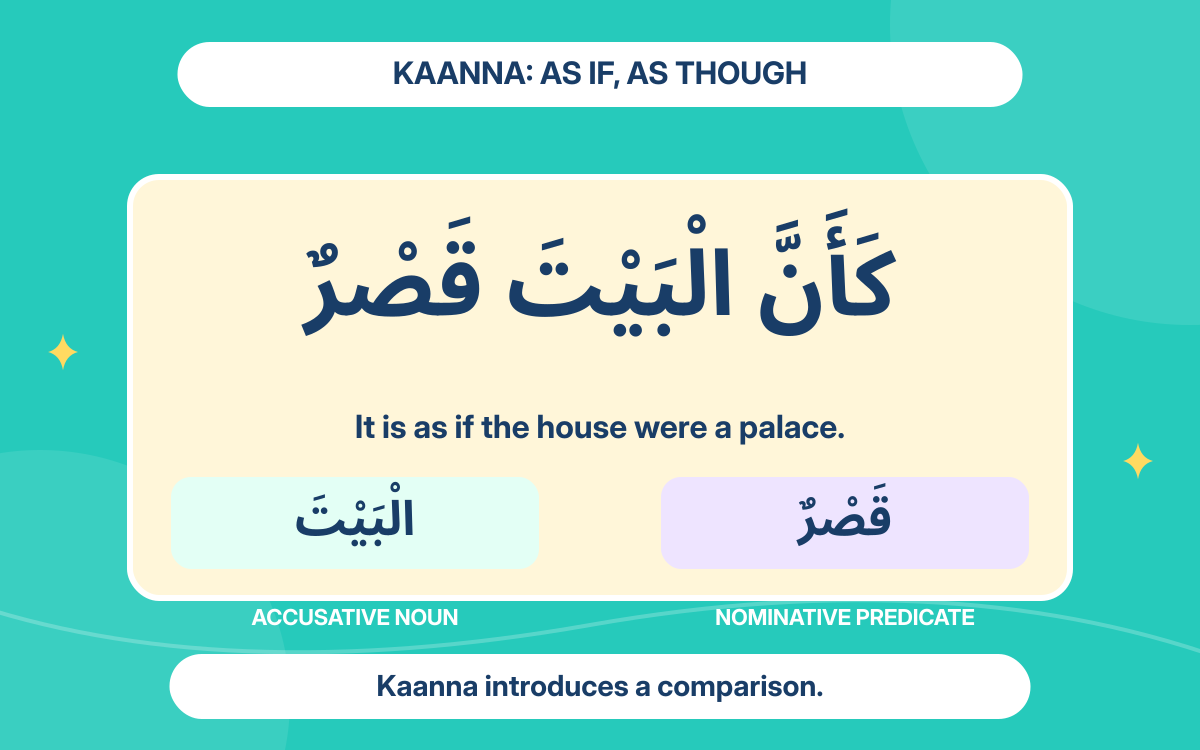
Kaanna in Arabic: As If and As Though
كَأَنَّ عَدَدَ الْمُشَارِكِينَ مَعْرُوفٌ سَلَفًا
Use kaanna to question an apparently shared assumption about the group being counted.