In an invented town, a moderator, historian, and economist compare a fictional old community hall with a proposed cultural space. Two created records expose the difference between contributing money and paying as a condition of entry.
01Read the Arabic conversation
مُسَاءَلَةُ الْقِيَاسِ عَلَى تَجْرِبَةٍ سَابِقَةٍ
سَلْمَى: نُنَاقِشُ مَشْرُوعَ فَضَاءٍ ثَقَافِيٍّ فِي بَلْدَةِ دَارِ السَّرْوِ الْمُتَخَيَّلَةِ. اقْتَرَحَتْ هَالَةُ تَمْوِيلَهُ بِتَذَاكِرِ الدُّخُولِ، وَاسْتَشْهَدَتْ بِقَاعَةٍ قَدِيمَةٍ أَنْشَأَهَا أَهْلُ الْبَلْدَةِ فِي حِكَايَتِنَا. فَمَا حُدُودُ الْمُقَارَنَةِ؟
هَالَةُ: قُلْتُ إِنَّ التَّذْكِرَةَ كَالْمُسَاهَمَةِ الْقَدِيمَةِ: مَنْ يَنْتَفِعُ بِالْمَكَانِ يُسَاعِدُ فِي تَمْوِيلِهِ. أَسْتَعِينُ بِتَجْرِبَةٍ مَحَلِّيَّةٍ لِأَقُولَ إِنَّ الْمُشَارَكَةَ فِي الدَّفْعِ لَيْسَتْ فِكْرَةً غَرِيبَةً عَلَى أَهْلِ الْبَلْدَةِ.
عَادِلٌ: لَكِنَّ الْقَاعَةَ الْقَدِيمَةَ لَمْ تَبِعْ تَذَاكِرَ. أَمَامَنَا دَفْتَرٌ مُخْتَلَقٌ لِهَذِهِ الْحِكَايَةِ، يَذْكُرُ تَبَرُّعَ اثْنَتَيْ عَشْرَةَ أُسْرَةً لِشِرَاءِ الْمَقَاعِدِ. وَإِعْلَانٌ مُخْتَلَقٌ يَقُولُ إِنَّ الدُّخُولَ مُتَاحٌ لِأُسَرِ الْبَلْدَةِ سَوَاءٌ أَسَاهَمَتْ أَمْ لَمْ تُسَاهِمْ.
سَلْمَى: هَذَا فَرْقٌ مُحَدَّدٌ، وَلَكِنْ هَلْ يَهْدِمُ كُلَّ مُقَارَنَةٍ؟ أَسْأَلُ عَنْ عَلَاقَةِ هَذَا الْفَرْقِ بِالنَّتِيجَةِ الَّتِي تُرِيدُ هَالَةُ اسْتِخْلَاصَهَا، لَا عَنْ وُجُودِهِ وَحْدَهُ.
هَالَةُ: نَتِيجَتِي الْأُولَى مُحَدَّدَةٌ: سَبَقَ أَنْ جَمَعَ السُّكَّانُ مَالًا لِمَكَانٍ ثَقَافِيٍّ مَحَلِّيٍّ. أَمَّا أَنَّ التَّذَاكِرَ هِيَ الْوَسِيلَةُ الْأَنْسَبُ، فَهَذَا ادِّعَاءٌ آخَرُ. أَعْتَرِفُ أَنَّنِي وَصَلْتُ بَيْنَهُمَا بِسُرْعَةٍ فِي الْعَرْضِ.
عَادِلٌ: أَقْبَلُ الْعَلَاقَةَ الْأُولَى. وَاعْتِرَاضِي لَيْسَ عَلَى اسْتِعَانَتِكِ بِالْقَدِيمِ، بَلْ عَلَى نَقْلِ مَشْرُوعِيَّةِ التَّبَرُّعِ إِلَى شَرْطِ الدُّخُولِ. فِي الْإِعْلَانِ، يَتَبَرَّعُ بَعْضُهُمْ وَيَدْخُلُ غَيْرُهُمْ؛ وَفِي مُقْتَرَحِكِ، يَرْتَبِطُ الدُّخُولُ بِدَفْعِ التَّذْكِرَةِ. هَذَا تَغَيُّرٌ فِي الْعَلَاقَةِ، لَا فِي الزِّينَةِ.
سَلْمَى: الْفَرْقُ بَيْنَ تَمْوِيلِ مَنْفَعَةٍ يُتَاحُ الْوُصُولُ إِلَيْهَا لِغَيْرِ الْمُسَاهِمِ، وَدَفْعٍ يَكُونُ شَرْطًا لِلْوُصُولِ. هَلْ يُؤَثِّرُ ذَلِكَ فِي كَيْفِيَّةِ وَصْفِ مَنْ يَحْمِلُونَ كُلْفَةَ الْمَكَانِ الْجَدِيدِ؟
هَالَةُ: نَعَمْ؛ فَقَوْلِي إِنَّ الْمُنْتَفِعِينَ دَفَعُوا كَانَ أَوْسَعَ مِنَ الدَّفْتَرِ. يَذْكُرُ الدَّفْتَرُ الْمُتَبَرِّعِينَ، وَلَا يَذْكُرُ مَنْ حَضَرَ كُلَّ نَشَاطٍ. يُمْكِنُ أَنْ يَكُونَ الْمُتَبَرِّعُ مُنْتَفِعًا، لَكِنَّنِي لَا أَمْلِكُ أَنْ أَجْعَلَ الْفِئَتَيْنِ مُتَطَابِقَتَيْنِ بِهَذَا السِّجِلِّ.
عَادِلٌ: وَلَا يَجُوزُ لِي أَيْضًا أَنْ أَسْتَنْتِجَ أَنَّ أَهْلَ الْبَلْدَةِ رَفَضُوا كُلَّ دَفْعٍ مُقَابِلَ الدُّخُولِ. الْإِعْلَانُ يَصِفُ تَرْتِيبَ هَذِهِ الْقَاعَةِ عِنْدَ افْتِتَاحِهَا، لَا مَوْقِفًا دَائِمًا. الدَّلِيلُ يَضِيقُ عَنْ تَأْيِيدِكِ الْوَاسِعِ وَعَنْ رَفْضِي الْوَاسِعِ مَعًا.
سَلْمَى: لِنَنْتَقِلْ إِلَى نَوْعِ النَّفَقَةِ. الدَّفْتَرُ يُسَمِّي شِرَاءَ الْمَقَاعِدِ، وَمُقْتَرَحُ هَالَةَ يُسَمِّي تَشْغِيلَ الْفَضَاءِ كُلَّ أُسْبُوعٍ. هَلْ يَصِحُّ أَنْ نَقُولَ إِنَّ نَجَاحَ جَمْعِ الْمَالِ فِي الْأُولَى يَضْمَنُ اسْتِمْرَارَهُ فِي الثَّانِيَةِ؟
هَالَةُ: لَا؛ الْمَقَاعِدُ نَفَقَةٌ لِلتَّأْسِيسِ، وَالتَّشْغِيلُ حَاجَةٌ مُتَكَرِّرَةٌ. التَّذَاكِرُ تَرْبِطُ الْإِيرَادَ بِالزِّيَارَاتِ، وَلَا نَعْرِفُ بَعْدُ عَدَدَ الزِّيَارَاتِ الْمُتَوَقَّعَةِ. أَسْتَطِيعُ الدِّفَاعَ عَنْهَا كَوَسِيلَةٍ مُحْتَمَلَةٍ، لَكِنْ لَا بِوَصْفِ الدَّفْتَرِ الْقَدِيمِ ضَمَانًا لِحِسَابٍ لَمْ أُعِدَّهُ.
عَادِلٌ: وَقَدْ يَكُونُ التَّشْغِيلُ الْقَدِيمُ احْتَاجَ إِلَى مَالٍ أَيْضًا، لَكِنَّ الدَّفْتَرَ لَا يَصِفُهُ. سُكُوتُهُ لَا يُثْبِتُ أَنَّ الْعَمَلَ كَانَ مُتَاحًا بِلَا كُلْفَةٍ. لَا أُرِيدُ أَنْ أَسْتَبْدِلَ بِتَفَاؤُلِكِ حِكَايَةً حَنُونَةً عَنْ مَاضٍ كَانَ فِيهِ كُلُّ شَيْءٍ سَهْلًا.
سَلْمَى: نَقْصُ الْمَعْلُومَاتِ لَا يُلْغِي مَا نَعْرِفُهُ. سَأَضَعُ سَطْرَيْنِ فِي مَحْضَرِنَا: جَمْعُ مُسَاهَمَاتٍ مَحَلِّيَّةٍ مَذْكُورٌ، وَاسْتِمْرَارُ تَمْوِيلِ التَّشْغِيلِ غَيْرُ مَوْصُوفٍ. لَا تُسَدُّ الْفَجْوَةُ بِالتَّذَاكِرِ وَلَا بِالتَّبَرُّعَاتِ تِلْقَائِيًّا.
هَالَةُ: الْقَاعَةُ فِي حِكَايَتِنَا لَمْ تَظْهَرْ مِنْ مَالِ شَخْصٍ وَاحِدٍ؛ جَمَعَتْ مُسَاهَمَاتٍ لِغَرَضٍ وَاضِحٍ. هَذَا يُوَجِّهُنِي إِلَى شَرْحِ مَا نُرِيدُ تَمْوِيلَهُ قَبْلَ طَلَبِ الْمَالِ، وَإِنِ اخْتَلَفَتْ وَسِيلَةُ جَمْعِهِ.
عَادِلٌ: أُوَافِقُ عَلَى أَنَّ ذَلِكَ سُؤَالٌ مُفِيدٌ لِلْمُقْتَرَحِ. لَكِنَّ الْقَاعَةَ لَا تُثْبِتُ أَنَّ شَرْحَ الْغَرَضِ كَافٍ لِإِقْنَاعِ الْحَاضِرِينَ الْيَوْمَ. وَحَتَّى لَوْ كَانَتِ التَّذْكِرَةُ وَاضِحَةَ الْغَرَضِ، فَقَدْ يَعْتَرِضُ أَحَدُهُمْ عَلَى جَعْلِهَا شَرْطًا لِلدُّخُولِ، لَا عَلَى غُمُوضِهَا.
سَلْمَى: الْمُقَارَنَةُ تَفْتَحُ سُؤَالَ الْغَرَضِ، وَلَا تُغْلِقُ سُؤَالَ الْوُصُولِ. هَلْ تَقْبَلِينَ هَذَا الْفَصْلَ يَا هَالَةُ، أَمْ أَنَّ سَحْبَ صِفَةِ الدَّلِيلِ مِنَ الْقَاعَةِ يَجْعَلُ الْمِثَالَ بِلَا قِيمَةٍ فِي نَظَرِكِ؟
هَالَةُ: أَقْبَلُهُ. الْمِثَالُ قَدْ يَكْشِفُ جَانِبًا لَمْ أَنْتَبِهْ إِلَيْهِ، دُونَ أَنْ يَحْسِمَ الْمَقْتَرَحَ. وَأُدْرِكُ الْآنَ أَنَّ قَوْلِي إِنَّ الْأَسْلَافَ دَفَعُوا كَانَ يَضَعُ الْمُعْتَرِضَ الْحَالِيَّ فِي مَوْقِفِ مَنْ يَرْفُضُ تَقْلِيدًا، مَعَ أَنَّهُ قَدْ يَرْفُضُ شَرْطًا جَدِيدًا.
عَادِلٌ: وَهَذَا مَا أَزْعَجَنِي فِي الشِّعَارِ الْمَطْبُوعِ: نُوَاصِلُ مَا بَدَأَهُ الْأَسْلَافُ. يُوَحِي بِأَنَّ النِّقَاشَ عَنْ وَفَائِنَا لَهُمْ، لَا عَنْ تَرْتِيبٍ نَخْتَارُهُ الْآنَ. لَا أَعْتَرِضُ عَلَى تَذَكُّرِهِمْ، بَلْ عَلَى اسْتِخْدَامِ ذِكْرَاهُمْ لِتَرْجِيحِ خِيَارٍ لَمْ يَعْرِفُوهُ بِهَذِهِ الصُّورَةِ.
سَلْمَى: سَأَحْذِفُ الشِّعَارَ مِنَ الْمُلَخَّصِ الْمُوَزَّعِ، وَأُبْقِي الدَّفْتَرَ وَالْإِعْلَانَ مَعًا، لِكَيْ لَا يَقْرَأَ الْحَاضِرُونَ أَسْمَاءَ الْمُتَبَرِّعِينَ دُونَ تَرْتِيبِ الدُّخُولِ. يَحْتَاجُ الْمِثَالُ إِلَى حُدُودِهِ، كَمَا يَحْتَاجُ الْمَقْتَرَحُ إِلَى أَسْبَابِهِ.
هَالَةُ: سَأُعِيدُ كِتَابَةَ الْفِقْرَةِ: تُذَكِّرُنَا الْقَاعَةُ بِإِمْكَانِ جَمْعِ مُسَاهَمَاتٍ لِغَرَضٍ مَحَلِّيٍّ، وَلَا تُثْبِتُ مَلَاءَمَةَ التَّذَاكِرِ لِلْمَشْرُوعِ الْجَدِيدِ. ثُمَّ أَعْرِضُ أَسْبَابِي الْحَالِيَّةَ، وَمَا أَحْتَاجُ إِلَى حِسَابِهِ. لَنْ أَطْلُبَ مِنَ الدَّفْتَرِ أَنْ يُجِيبَ نِيَابَةً عَنِّي.
عَادِلٌ: وَسَأَذْكُرُ أَنَّ الْإِعْلَانَ يَتَعَلَّقُ بِأُسَرِ الْبَلْدَةِ، لَا بِكُلِّ زَائِرٍ مُمْكِنٍ. لَوْ وَسَّعْتُهُ إِلَى دُخُولٍ مَجَّانِيٍّ لِلْجَمِيعِ فِي كُلِّ وَقْتٍ، لَكُنْتُ أَفْعَلُ مَا انْتَقَدْتُهُ عِنْدَكِ.
سَلْمَى: لِنُحَدِّدْ مَوْضِعَ الْخِلَافِ الْبَاقِي. هَالَةُ، هَلْ تَرَاجَعْتِ عَنِ التَّذَاكِرِ نَفْسِهَا، أَمْ عَنْ حُجَّةٍ كُنْتِ تَسُوقِينَهَا لِتَأْيِيدِهَا؟ لَا أُرِيدُ أَنْ يُفْهَمَ تَعْدِيلُ الْمُقَارَنَةِ عَلَى أَنَّهُ اتِّفَاقٌ بَيْنَكُمَا عَلَى وَسِيلَةِ التَّمْوِيلِ.
هَالَةُ: تَرَاجَعْتُ عَنِ اتِّخَاذِ الْقَاعَةِ حُجَّةً كَافِيَةً لِلتَّذَاكِرِ. مَا زِلْتُ أُفَضِّلُ أَنْ تُسَاهِمَ الزِّيَارَاتُ فِي تَمْوِيلِ التَّشْغِيلِ، لَكِنَّ عَلَيَّ أَنْ أَشْرَحَ أَثَرَ ذَلِكَ فِي الْوُصُولِ وَأُقَدِّرَ الْإِيرَادَ.
عَادِلٌ: وَأَنَا مَا زِلْتُ أُفَضِّلُ فَصْلَ الدُّخُولِ عَنِ الدَّفْعِ فِي الْمَقْتَرَحِ، لَكِنَّ الْإِعْلَانَ الْقَدِيمَ لَا يُمَوِّلُ هَذَا الِاخْتِيَارَ. عَلَيَّ أَنْ أُبَيِّنَ مَنْ سَيَحْمِلُ كُلْفَتَهُ الْمُتَكَرِّرَةَ. أَسْتَطِيعُ اسْتِخْدَامَ الْمِثَالِ لِسُؤَالٍ عَنِ الْوُصُولِ، لَا لِلْإِعْفَاءِ مِنْ سُؤَالِ التَّمْوِيلِ.
سَلْمَى: سَأَسْتَبْدِلُ بِعُنْوَانِ الْمُقَارَنَةِ فِي الْمَحْضَرِ سُؤَالًا: مَنْ يَدْفَعُ، وَمَنْ يَدْخُلُ؟ وَسَأُثْبِتُ تَفْضِيلَيْكُمَا وَأَسْئِلَتَهُمَا. لَمْ نَخْتَرْ وَسِيلَةَ التَّمْوِيلِ، لَكِنَّنَا أَزَلْنَا حُجَّةً كَانَتْ تَجْعَلُ أَحَدَ الْخِيَارَيْنِ يَبْدُو مَحْسُومًا قَبْلَ نِقَاشِهِ.
هَالَةُ: خُذِي الْمُلْصَقَ الْقَدِيمَ؛ سَأَطْبَعُ بَدَلًا مِنْهُ الْفِقْرَةَ الْجَدِيدَةَ. وَسَأُبْقِي صُورَةَ الدَّفْتَرِ، لِأَنَّهَا تُذَكِّرُنِي بِالْغَرَضِ الْمُشْتَرَكِ، لَا لِأَنَّهَا تَضَعُ تَوْقِيعَ الْأَسْلَافِ تَحْتَ مُقْتَرَحِي.
عَادِلٌ: وَضَعِي إِلَى جَانِبِهَا صُورَةَ الْإِعْلَانِ، وَسَأَكْتُبُ تَحْتَهُمَا حُدُودَ الْقِرَاءَةِ. الْمَاضِي فِي حِكَايَتِنَا لَيْسَ صَوْتًا يُصَوِّتُ فِي اجْتِمَاعِنَا، وَلَكِنَّهُ مِثَالٌ يَجْعَلُنَا نَرَى الْعَلَاقَةَ بَيْنَ الْمُسَاهَمَةِ وَالِانْتِفَاعِ بِشَكْلٍ أَوْضَحَ. هَذِهِ فَائِدَةٌ تَبْقَى بَعْدَ سُقُوطِ الِاسْتِنْتَاجِ الْأَوَّلِ.
Show English translationHide English translation
Salma — moderator: We are discussing a cultural-space project in the invented town of Dar al-Sarw. Hala proposed funding it through admission tickets and cited an old hall that the townspeople established in our story. What are the comparison’s limits?
Hala — economist: I said that a ticket is like the old contribution: those who benefit from the place help fund it. I draw on a local experience to say that contributing money is not an idea unfamiliar to the townspeople.
Adil — historian: But the old hall did not sell tickets. We have a ledger invented for this story, mentioning donations from twelve households to buy seats, and an invented notice saying admission is available to the town’s households whether they contributed or not.
Salma — moderator: That is a specific difference, but does it defeat every comparison? I am asking how this difference relates to the conclusion Hala wants to draw, rather than merely whether it exists.
Hala — economist: My first conclusion is specific: residents have previously raised money for a local cultural place. That tickets are the most suitable means is another claim. I admit I linked them too quickly in the presentation.
Adil — historian: I accept the first relationship. My objection is not to your drawing on the past, but to transferring the legitimacy of donation to an admission condition. In the notice, some donate and others attend; in your proposal, admission is linked to paying for a ticket. This changes the relationship, rather than the decoration.
Salma — moderator: The difference is between funding a benefit accessible to a non-contributor and a payment that is a condition of access. Does that affect how we describe those who bear the cost of the new place?
Hala — economist: Yes: my statement that the beneficiaries paid went beyond the ledger. The ledger names donors, but not who attended each activity. A donor may have been a beneficiary, but this record does not entitle me to treat the two categories as identical.
Adil — historian: Nor may I infer that the townspeople rejected every payment in return for admission. The notice describes this hall’s arrangement at its opening, rather than a permanent position. The evidence is too narrow for both your broad endorsement and my broad rejection.
Salma — moderator: Let us move to the kind of expense. The ledger names buying seats, while Hala’s proposal names running the space each week. Can we say that successful fundraising for the first guarantees its continuation for the second?
Hala — economist: No: the seats are a setup expense, while running costs are a recurring need. Tickets link revenue to visits, and we do not yet know the expected number of visits. I can defend them as a possible means, but not by treating the old ledger as a guarantee for a calculation I have not prepared.
Adil — historian: Running the old hall may also have required money, but the ledger does not describe it. Its silence does not establish that operating it was cost-free. I do not want to replace your optimism with a sentimental tale of a past in which everything was easy.
Salma — moderator: Missing information does not erase what we know. I will put two lines in our record: raising local contributions is mentioned, and continued operating funding is not described. Neither tickets nor donations automatically fill the gap.
Hala — economist: In our story, the hall did not emerge from one person’s money; it gathered contributions for a clear purpose. That directs me to explain what we want to fund before asking for money, even if the means of collecting it differs.
Adil — historian: I agree that this is a useful question for the proposal. But the hall does not establish that explaining the purpose is enough to persuade people attending today. Even if the ticket’s purpose is clear, someone may object to making it a condition of admission, rather than to its being unclear.
Salma — moderator: The comparison opens the question of purpose without settling the question of access. Do you accept that distinction, Hala, or does removing the hall’s status as proof make the example worthless to you?
Hala — economist: I accept it. An example may reveal an aspect I had not noticed without deciding the proposal. I now realise that my statement that our predecessors paid placed a present objector in the position of someone rejecting a tradition, although they may be rejecting a new condition.
Adil — historian: That is what bothered me about the printed slogan: we continue what our predecessors began. It suggests that the discussion concerns our loyalty to them, rather than an arrangement we choose now. I do not object to remembering them, but to using their memory to favour an option they did not know in this form.
Salma — moderator: I will remove the slogan from the circulated summary and retain the ledger and notice together, so attendees do not read the donors’ names without the admission arrangement. The example needs its limits just as the proposal needs its reasons.
Hala — economist: I will rewrite the paragraph: the hall reminds us of the possibility of gathering contributions for a local purpose; it does not establish that tickets suit the new project. I will then present my current reasons and what I need to calculate. I will not ask the ledger to answer on my behalf.
Adil — historian: And I will state that the notice concerns the town’s households, rather than every possible visitor. If I expanded it to free admission for everyone at all times, I would be doing what I criticised in your argument.
Salma — moderator: Let us identify the remaining disagreement. Hala, have you withdrawn the tickets themselves or an argument you were offering in their favour? I do not want revising the comparison to be understood as agreement between you on the funding method.
Hala — economist: I have withdrawn treating the hall as a sufficient argument for tickets. I still prefer visits to contribute to operating funding, but I must explain the effect on access and estimate the revenue.
Adil — historian: I still prefer separating admission from payment in the proposal, but the old notice does not fund that choice. I must explain who would bear its recurring cost. I can use the example to pose a question about access, rather than to escape the question of funding.
Salma — moderator: I will replace the comparison heading in the record with a question: who pays, and who enters? I will record your two preferences and their questions. We have not chosen a funding method, but we have removed an argument that made one option seem settled before it was discussed.
Hala — economist: Take the old poster; I will print the new paragraph instead. I will keep the ledger’s picture because it reminds me of a shared purpose, rather than placing our predecessors’ signatures beneath my proposal.
Adil — historian: Put the notice’s picture beside it, and I will write the limits of the reading beneath them. The past in our story is not a voice casting a vote at our meeting, but an example that helps us see the relationship between contributing and benefiting more clearly. That value remains after the first inference falls away.
02Useful words and expressions
| Arabic in the conversation | Meaning here |
|---|---|
| كَالْمُسَاهَمَةِ الْقَدِيمَةِ | like the old contribution |
| يَهْدِمُ كُلَّ مُقَارَنَةٍ | defeats every comparison |
| نَقْلِ مَشْرُوعِيَّةِ التَّبَرُّعِ | transferring the legitimacy of donation |
| شَرْطًا لِلْوُصُولِ | a condition of access |
| أَوْسَعَ مِنَ الدَّفْتَرِ | beyond what the ledger supports |
| مُتَطَابِقَتَيْنِ | identical, referring to the two categories |
| الدَّلِيلُ يَضِيقُ عَنْ | the evidence is too narrow to support |
| نَفَقَةٌ لِلتَّأْسِيسِ | a setup expense |
| سُكُوتُهُ | its silence, referring to the ledger |
| عَلَى أَنَّهُ اتِّفَاقٌ | as an agreement |
| حُجَّةً كَافِيَةً | a sufficient argument |
| نِيَابَةً عَنِّي | on my behalf |
03Check your understanding
Choose one answer for each question. Look back at the Arabic conversation for evidence. Open the English question support or a hint when you need help.
What to remember
- Challenge an analogy by showing how a difference affects the inference, rather than by merely listing different details.
- Keep documented setup contributions separate from unknown operating funding and from a present condition of access.
- Retain an example’s value for inquiry while requiring current preferences to stand on their own reasons.
Explore the Arabic in this conversation
Related grammar and vocabularyOpen Araqick guides connected to this conversation.
Ka in Arabic: The Attached Preposition Meaning Like
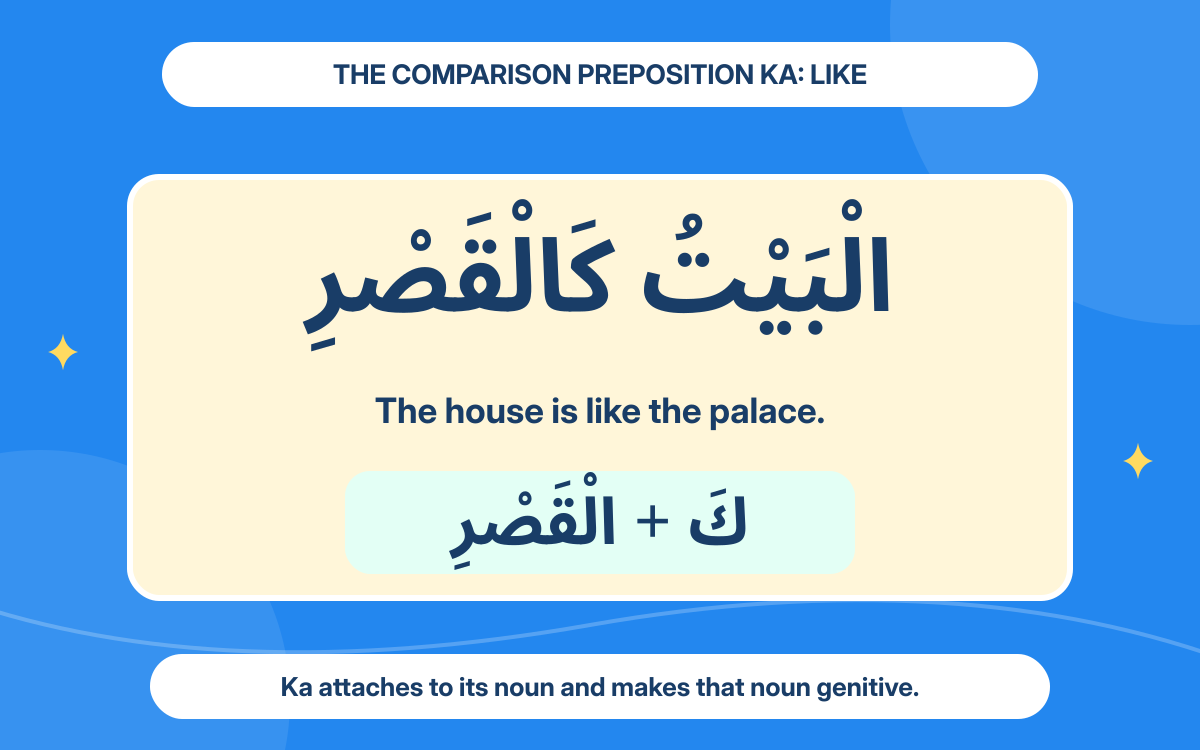
التَّذْكِرَةَ كَالْمُسَاهَمَةِ الْقَدِيمَةِ
Attach comparison ka to a definite genitive noun phrase when comparing the ticket with the old contribution.
Lam in Arabic: How to Say “Did Not”
لَكِنَّ الْقَاعَةَ الْقَدِيمَةَ لَمْ تَبِعْ تَذَاكِرَ
Use lam with a jussive present verb to identify a past action the old hall did not perform.
Lakinna and Lakin in Arabic: Two Patterns for But
لَكِنَّ الْإِعْلَانَ الْقَدِيمَ لَا يُمَوِّلُ هَذَا الِاخْتِيَارَ
Follow lakinna with an accusative noun and a verbal predicate to limit what a historical notice can provide.