In a fictional interview, Mazin questions community-radio editor Dima about three unanswered complaints. Moderator Lamya keeps the delayed response visible while testing whether the charge of deliberate concealment has been established.
01Read the Arabic conversation
التَّعَامُلُ مَعَ سُؤَالٍ يَحْمِلُ افْتِرَاضًا مُسْبَقًا
مَازِنٌ: نُنَاقِشُ الْيَوْمَ وَاقِعَةً مُتَخَيَّلَةً فِي بَرْنَامَجِ أَصْوَاتِ الْحَيِّ. وَصَلَتْ ثَلَاثُ شَكَاوَى يَوْمَ الِاثْنَيْنِ، وَلَمْ يَصِلِ الرَّدُّ إِلَّا يَوْمَ الْجُمُعَةِ. يَا دِيمَا، مَتَى تَوَقَّفْتِ عَنْ دَفْنِ شَكَاوَى السُّكَّانِ؟
دِيمَا: أَسْتَطِيعُ أَنْ أُجِيبَ عَنْ تَأَخُّرِ الرَّدِّ، لَكِنَّ سُؤَالَكَ يُقَدِّمُ الدَّفْنَ الْمُتَعَمَّدَ كَأَمْرٍ ثَابِتٍ. لَمْ أُقِرَّ بِهَذَا الْوَصْفِ، وَإِعْطَاءُ تَارِيخٍ لِلتَّوَقُّفِ عَنْهُ سَيَجْعَلُنِي أُقِرُّ بِأَنَّنِي كُنْتُ أَفْعَلُهُ قَبْلَ ذَلِكَ.
لَمْيَاءُ: الْوَاقِعَةُ الْمُتَّفَقُ عَلَيْهَا هِيَ التَّأَخُّرُ مِنَ الِاثْنَيْنِ إِلَى الْجُمُعَةِ. أَمَّا الْقَصْدُ وَالْإِخْفَاءُ فَهُمَا مَوْضِعُ خِلَافٍ. فَلْنَفْصِلْ بَيْنَهُمَا، دُونَ أَنْ يَصِيرَ الِاعْتِرَاضُ عَلَى الصِّيَاغَةِ سَبَبًا لِتَرْكِ السُّؤَالِ عَنِ الْمَسْؤُولِيَّةِ بِلَا جَوَابٍ.
مَازِنٌ: لَدَيَّ سَبَبٌ لِهَذِهِ الصِّيَاغَةِ. ظَهَرَ فِي السِّجِلِّ أَنَّ الرَّسَائِلَ فُتِحَتْ يَوْمَ الِاثْنَيْنِ، ثُمَّ بُثَّتْ حَلْقَةُ الثُّلَاثَاءِ دُونَ ذِكْرِهَا. لَمْ يَكُنْ هَذَا مُجَرَّدَ تَأَخُّرٍ فِي مَوْعِدٍ إِدَارِيٍّ.
دِيمَا: فَتَحَهَا مُسَاعِدِي وَوَضَعَهَا فِي مَلَفِّ الْمُرَاجَعَةِ الْمُشْتَرَكِ. اِطَّلَعْتُ عَلَيْهَا ذَلِكَ الْمَسَاءَ. كَانَتْ تَتَّهِمُ الْحَلْقَةَ السَّابِقَةَ بِحَذْفِ سِيَاقِ أَقْوَالِ سَاكِنَيْنِ، وَأَرَدْتُ مُقَارَنَةَ التَّسْجِيلَاتِ قَبْلَ الرَّدِّ.
لَمْيَاءُ: هَذَا يُفَسِّرُ الْحَاجَةَ إِلَى فَحْصِ الْمَادَّةِ، وَلَا يُفَسِّرُ وَحْدَهُ غِيَابَ إِشْعَارٍ بِاسْتِلَامِهَا. هَلْ وَصَلَ إِلَى أَصْحَابِ الشَّكَاوَى مَا يُخْبِرُهُمْ بِأَنَّ رَسَائِلَهُمْ تَحْتَ الْمُرَاجَعَةِ، أَمْ ظَلَّ الصَّمْتُ هُوَ الرَّدَّ الْوَحِيدَ حَتَّى الْجُمُعَةِ؟
مَازِنٌ: بَقِيَ الصَّمْتُ، وَهَذَا مَا يُثِيرُ شَكِّي. لِأَنَّ الْبَرْنَامَجَ يَطْلُبُ مِنَ السُّكَّانِ الْمُشَارَكَةَ، فَهُوَ يُنْشِئُ تَوَقُّعًا بِأَنْ تُسْمَعَ أَصْوَاتُهُمْ. مَا قِيمَةُ بَقَاءِ الرَّسَائِلِ فِي مَلَفٍّ إِذَا لَمْ يَعْرِفْ أَصْحَابُهَا أَنَّ أَحَدًا يَهْتَمُّ بِهَا؟
دِيمَا: لَيْسَ لِلْمَلَفِّ أَنْ يَحُلَّ مَحَلَّ الْجَوَابِ. اِفْتَرَضْتُ أَنَّ الرَّدَّ الْمُفَصَّلَ سَيَأْتِي سَرِيعًا، فَأَهْمَلْتُ إِشْعَارَ الِاسْتِلَامِ. كَانَ هَذَا قَرَارًا مِنِّي، وَكَانَ خَطَأً؛ لَكِنَّنِي لَمْ أَحْذِفِ الرَّسَائِلَ، وَلَمْ أَطْلُبْ مَنْعَ زُمَلَائِي مِنْ قِرَاءَتِهَا.
لَمْيَاءُ: عَدَمُ الْحَذْفِ يُجِيبُ عَنْ جَانِبٍ مِنَ الْإِخْفَاءِ، لَا عَنْ جَانِبِهِ الْعَلَنِيِّ. وَالصَّمْتُ يَسْنُدُ نَقْدَ التَّوَاصُلِ، لَكِنَّهُ لَا يَكْشِفُ النِّيَّةَ وَحْدَهُ. نَحْتَاجُ إِلَى قِرَاءَةِ كُلِّ قَرِينَةٍ بِقَدْرِ مَا تَسْمَحُ بِهِ.
مَازِنٌ: هُنَاكَ قَرِينَةٌ أُخْرَى: كَتَبْتِ لِلْفَرِيقِ يَوْمَ الِاثْنَيْنِ: لَا نَفْتَحُ هَذَا الْبَابَ الْآنَ. أَلَا تَدُلُّ هَذِهِ الْعِبَارَةُ عَلَى رَغْبَةٍ فِي إِبْعَادِ النَّقْدِ عَنِ الْحَلْقَةِ، بَدَلًا مِنْ مُجَرَّدِ التَّثَبُّتِ مِنَ التَّسْجِيلَاتِ؟
دِيمَا: كُنْتُ أَقْصِدُ تَأْجِيلَ النِّقَاشِ عَلَى الْهَوَاءِ إِلَى حِينِ الْفَحْصِ، وَلَمْ أُحَدِّدْ ذَلِكَ فِي الرِّسَالَةِ. أَفْهَمُ لِمَاذَا تُقْرَأُ كَأَنَّ النَّقْدَ بَابٌ نُرِيدُ إِغْلَاقَهُ. صِيَاغَتِي تَسْمَحُ بِهَذَا الْفَهْمِ، وَإِنْ لَمْ يَكُنْ قَصْدِي.
لَمْيَاءُ: إِقْرَارُكِ بِغُمُوضِ الْعِبَارَةِ لَا يَحْسِمُ مَعْنَاهَا لِصَالِحِ مَازِنٍ، وَشَرْحُ نِيَّتِكِ لَا يَمْحُو أَثَرَهَا. مَازِنُ، يُمْكِنُكَ أَنْ تَسْأَلَ عَمَّا بَرَّرَ التَّأْجِيلَ، وَعَمَّا يَسْنُدُ هَذَا التَّبْرِيرَ، دُونَ أَنْ تُدْخِلَ الْإِدَانَةَ فِي صِيغَةِ السُّؤَالِ.
مَازِنٌ: إِذَنْ مَا الَّذِي جَعَلَ تَأْجِيلَ النِّقَاشِ أَهَمَّ مِنْ إِبْلَاغِ السُّكَّانِ بِأَنَّكِ تَقْرَئِينَ شَكْوَاهُمْ؟ أَطْلُبُ تَفْسِيرًا لِقَرَارٍ تَرَكَهُمْ بِلَا مَعْلُومَةٍ عَمَّا يَحْدُثُ.
دِيمَا: لَمْ يَكُنْ إِشْعَارُهُمْ يُعَطِّلُ الْفَحْصَ، وَلَا أَمْلِكُ حُجَّةً تُبَرِّرُ عَدَمَ إِرْسَالِهِ. خَلَطْتُ بَيْنَ التَّرَيُّثِ فِي الْحُكْمِ وَالتَّرَيُّثِ فِي التَّوَاصُلِ. أَتَحَمَّلُ مَسْؤُولِيَّةَ هَذَا الْخَلْطِ، وَلَا أَطْلُبُ أَنْ يَعْتَبِرَهُ أَصْحَابُ الرَّسَائِلِ تَفْصِيلًا صَغِيرًا.
لَمْيَاءُ: هَذَا جَوَابٌ عَنِ الْمَسْؤُولِيَّةِ، وَلَيْسَ اعْتِرَافًا بِتَعَمُّدِ الْإِخْفَاءِ. وَسُؤَالُ مَازِنٍ الْجَدِيدُ أَبْقَى الْفِعْلَ الْقَابِلَ لِلْفَحْصِ وَحَذَفَ الْوَصْفَ الْمُتَنَازَعَ عَلَيْهِ. لَا يَلْزَمُ أَنْ يَصِيرَ السُّؤَالُ لَطِيفًا لِكَيْ يَصِيرَ أَدَقَّ.
مَازِنٌ: أَحَدُ أَصْحَابِ الرَّسَائِلِ كَتَبَ: شَعَرْنَا أَنَّ أَصْوَاتَنَا غَيْرُ مَرْغُوبٍ فِيهَا. هَلْ سَتَقُولِينَ لَهُ إِنَّهُ أَسَاءَ فَهْمَكِ؟ أَخْشَى أَنْ يَتَحَوَّلَ النِّقَاشُ عَنِ النِّيَّةِ إِلَى وَسِيلَةٍ لِتَصْحِيحِ شُعُورِهِ بَدَلًا مِنْ مُوَاجَهَةِ سَبَبِهِ.
دِيمَا: لَنْ أَجْعَلَ شُعُورَهُ خَطَأً يَحْتَاجُ إِلَى تَصْحِيحٍ. أَسْتَطِيعُ أَنْ أَقُولَ إِنَّ الْإِقْصَاءَ لَمْ يَكُنْ قَصْدِي، وَأَنْ أُقِرَّ فِي الْوَقْتِ نَفْسِهِ بِأَنَّ صَمْتِي أَعْطَاهُ سَبَبًا لِهَذَا الشُّعُورِ؛ فَالْجُمْلَتَانِ لَا تَتَنَاقَضَانِ.
لَمْيَاءُ: وَيُمْكِنُ لِمَازِنٍ أَنْ يَسْتَمِرَّ فِي تَمْحِيصِ شَرْحِكِ. الِاعْتِرَاضُ عَلَى السُّؤَالِ الْأَوَّلِ لَا يَمْنَحُكِ سُلْطَةً لِاخْتِيَارِ كُلِّ الْأَسْئِلَةِ التَّالِيَةِ، كَمَا أَنَّ حَقَّهُ فِي النَّقْدِ لَا يَجْعَلُ كُلَّ وَصْفٍ يَسْتَخْدِمُهُ حَقِيقَةً مُتَّفَقًا عَلَيْهَا.
مَازِنٌ: مَاذَا وَجَدْتِ فِي الْفَحْصِ الَّذِي أَخَّرَ الْجَوَابَ؟ نَتِيجَةُ الْمُرَاجَعَةِ تَخُصُّ الْجُمْهُورَ أَيْضًا. إِذَا ثَبَتَ حَذْفُ السِّيَاقِ، فَلَا يَكْفِي أَنْ نَتَحَدَّثَ عَنْ تَأَخُّرِ الرَّدِّ وَحْدَهُ.
دِيمَا: وَجَدْتُ أَنَّ عِبَارَةَ أَحَدِ السَّاكِنَيْنِ بُثَّتْ دُونَ جُمْلَتِهِ التَّالِيَةِ، فَبَدَا اعْتِرَاضُهُ أَوْسَعَ مِمَّا قَالَهُ. أَمَّا الْعِبَارَةُ الْأُخْرَى فَبُثَّتْ بِسِيَاقِهَا. أَرْسَلْتُ هَذَا التَّفْصِيلَ يَوْمَ الْجُمُعَةِ، وَسَنُذِيعُ التَّصْحِيحَ فِي الْحَلْقَةِ الْقَادِمَةِ.
لَمْيَاءُ: فَالْفَحْصُ أَنْتَجَ تَصْحِيحًا مُحَدَّدًا، لَا تَبْرِئَةً شَامِلَةً وَلَا إِثْبَاتًا لِكُلِّ شَكْوَى. يَجِبُ أَنْ يَبْقَى هَذَا الْفَرْقُ وَاضِحًا حِينَ نُلَخِّصُ الْمُقَابَلَةَ، وَأَنْ يَبْقَى التَّأَخُّرُ ظَاهِرًا حَتَّى بَعْدَ ذِكْرِ فَائِدَةِ الْفَحْصِ.
مَازِنٌ: سَأَذْكُرُ التَّصْحِيحَ، وَسَأَقُولُ إِنَّ التَّأَخُّرَ وَالْعِبَارَةَ الدَّاخِلِيَّةَ أَثَارَا سُؤَالًا عَنِ الْإِخْفَاءِ. لَنْ أُقَدِّمَ تَفْسِيرَكِ كَحُكْمٍ نِهَائِيٍّ، وَلَنْ أَقُولَ إِنَّكِ اعْتَرَفْتِ بِالْقَصْدِ الَّذِي نَفَيْتِهِ؛ فَهَذَا سَيُعِيدُ الْمُشْكِلَةَ فِي صِيغَةٍ أُخْرَى.
دِيمَا: وَسَأَنْشُرُ مَعَ التَّصْحِيحِ تَسَلْسُلَ الِاسْتِلَامِ وَالْمُرَاجَعَةِ وَالرَّدِّ، وَنَصَّ رِسَالَتِي لِلْفَرِيقِ. لَا أَطْلُبُ مِنَ السُّكَّانِ تَصْدِيقَ نِيَّتِي قَبْلَ رُؤْيَةِ الْوَقَائِعِ، وَسَأَدْعُوهُمْ إِلَى تَعْلِيقٍ يُبَثُّ مَعَ جَوَابِي، إِذَا رَغِبُوا فِي ذَلِكَ.
لَمْيَاءُ: هَذَا يَجْعَلُ الْجَوَابَ قَابِلًا لِلْمُرَاجَعَةِ، دُونَ أَنْ يَضْمَنَ زَوَالَ الشَّكِّ. مَا نُثْبِتُهُ الْآنَ هُوَ التَّأَخُّرُ وَالْخَطَأُ فِي سِيَاقِ عِبَارَةٍ وَاحِدَةٍ؛ وَمَا يَبْقَى مُتَنَازَعًا عَلَيْهِ هُوَ مَعْنَى الْقَرَارِ الْأَوَّلِ وَقَصْدُهُ.
مَازِنٌ: سَأَخْتِمُ بِسُؤَالٍ لَا يَحْتَاجُ إِلَى اعْتِرَافٍ مُسْبَقٍ: مَا الَّذِي سَتَفْعَلِينَهُ إِذَا وَصَلَتْ شَكْوَى جَدِيدَةٌ قَبْلَ الْبَثِّ؟ لَا أُرِيدُ وَعْدًا بِقَبُولِهَا دُونَ فَحْصٍ، بَلْ مَعْرِفَةَ مَا سَيَتَغَيَّرُ فِي التَّوَاصُلِ.
دِيمَا: سَأُؤَكِّدُ اسْتِلَامَهَا، وَأُوَضِّحُ مَا يَحْتَاجُ إِلَى الْفَحْصِ وَمَوْعِدَ الْجَوَابِ الْمُتَوَقَّعَ. وَإِذَا تَأَخَّرَ الْفَحْصُ، سَأُخْبِرُ صَاحِبَهَا بِذَلِكَ. هَذَا وَعْدٌ بِالتَّوَاصُلِ وَالْمُرَاجَعَةِ، وَلَيْسَ وَعْدًا بِأَنَّ كُلَّ شَكْوَى سَتَنْتَهِي إِلَى تَصْحِيحٍ.
لَمْيَاءُ: سَنُثْبِتُ هَذَا الْوَعْدَ بِحُدُودِهِ فِي خُلَاصَةِ الْمُقَابَلَةِ. رَفْضُ الِافْتِرَاضِ الْمُسْبَقِ لَمْ يُسْقِطِ الْمَسْؤُولِيَّةَ، وَقَبُولُ الْمَسْؤُولِيَّةِ لَمْ يُثْبِتِ النِّيَّةَ الْمُتَنَازَعَ عَلَيْهَا. بَقِيَ السُّؤَالُ نَاقِدًا، وَصَارَ الْجَوَابُ أَوْضَحَ فِي مَا يَقْبَلُهُ وَمَا يَرْفُضُهُ.
Show English translationHide English translation
Mazin — interviewer: Today we are discussing an invented incident in the programme Voices of the Neighbourhood. Three complaints arrived on Monday, and the response did not arrive until Friday. Dima, when did you stop burying residents’ complaints?
Dima — community-radio programme editor: I can answer about the delayed response, but your question presents deliberate burying as an established fact. I have not accepted that description, and giving a date for stopping would make me concede that I had previously been doing it.
Lamya — moderator: The agreed fact is the delay from Monday to Friday. Intent and concealment are disputed. Let us separate them without letting an objection to the wording become a reason to leave the question of responsibility unanswered.
Mazin — interviewer: I have a reason for that wording. The log shows the messages were opened on Monday, then Tuesday’s episode aired without mentioning them. This was not merely a delay in an administrative schedule.
Dima — community-radio programme editor: My assistant opened them and put them in the shared review folder. I read them that evening. They accused the previous episode of removing the context of two residents’ remarks, and I wanted to compare the recordings before replying.
Lamya — moderator: That explains the need to inspect the material, but does not by itself explain the absence of an acknowledgement. Did the complainants receive anything telling them their messages were under review, or did silence remain the only response until Friday?
Mazin — interviewer: Silence remained, which is what arouses my suspicion. Because the programme asks residents to participate, it creates an expectation that their voices will be heard. What is the value of keeping messages in a folder if their writers do not know anyone cares about them?
Dima — community-radio programme editor: The folder cannot replace an answer. I assumed the detailed response would come quickly, so I neglected the acknowledgement. That was my decision, and it was a mistake; but I did not delete the messages or ask for my colleagues to be prevented from reading them.
Lamya — moderator: Not deleting them answers one aspect of concealment, not its public aspect. Silence supports criticism of communication, but does not reveal intent by itself. We need to read each indication within the limits of what it allows.
Mazin — interviewer: There is another indication: you wrote to the team on Monday, “We are not opening this door now.” Does that phrase not indicate a wish to keep criticism out of the episode, rather than merely to check the recordings?
Dima — community-radio programme editor: I meant to postpone the on-air discussion until the check, and did not specify that in the message. I understand why it reads as though criticism were a door we want closed. My wording permits that reading, even if it was not my intention.
Lamya — moderator: Your acknowledgement of the phrase’s ambiguity does not settle its meaning in Mazin’s favour, and explaining your intention does not erase its effect. Mazin, you can ask what justified postponement and what supports that justification without embedding condemnation in the question’s form.
Mazin — interviewer: Then what made postponing the discussion more important than informing residents that you were reading their complaint? I ask you to explain a decision that left them with no information about what was happening.
Dima — community-radio programme editor: Acknowledging them would not have obstructed the check, and I have no argument justifying not sending it. I confused taking time over judgement with taking time over communication. I accept responsibility for that confusion and do not ask the writers to treat it as a small detail.
Lamya — moderator: That answers responsibility and is not a confession to deliberate concealment. Mazin’s new question retained the action that can be examined and removed the disputed description. A question does not have to become gentle in order to become more precise.
Mazin — interviewer: One of the letter writers wrote, “We felt our voices were unwelcome.” Will you tell him he misunderstood you? I worry the discussion of intention will become a way to correct his feelings instead of confronting their cause.
Dima — community-radio programme editor: I will not turn his feeling into a mistake requiring correction. I can say exclusion was not my intention and at the same time acknowledge that my silence gave him reason to feel that way; the two statements do not contradict each other.
Lamya — moderator: And Mazin can continue examining your explanation. Objecting to the first question does not give you authority to choose every subsequent question, just as his right to criticise does not make every description he uses an agreed fact.
Mazin — interviewer: What did you find in the check that delayed the answer? The outcome of the review also concerns the audience. If context was removed, discussing the delayed reply alone is insufficient.
Dima — community-radio programme editor: I found that one resident’s remark was broadcast without his following sentence, making his objection sound broader than what he said. The other remark was broadcast with its context. I sent this detail on Friday, and we will broadcast the correction in the next episode.
Lamya — moderator: So the check produced a specific correction, not a blanket exoneration or proof of every complaint. This distinction must remain clear when we summarise the interview, and the delay must remain visible even after we mention the check’s usefulness.
Mazin — interviewer: I will mention the correction and say that the delay and internal phrase raised a question about concealment. I will not present your explanation as a final judgement, or say you admitted the intention you denied; that would recreate the problem in another form.
Dima — community-radio programme editor: With the correction I will publish the sequence of receipt, review, and response, and the text of my message to the team. I do not ask residents to believe my intention before seeing the facts, and will invite a comment to air alongside my answer if they wish.
Lamya — moderator: That makes the answer open to review without guaranteeing that doubt will disappear. What we establish now is the delay and the error in the context of one remark; what remains disputed is the meaning and intention of the first decision.
Mazin — interviewer: I will finish with a question that requires no prior confession: what will you do if a new complaint arrives before a broadcast? I do not want a promise to accept it without checking, but to know what will change in communication.
Dima — community-radio programme editor: I will confirm receipt, explain what requires checking and the expected time of the answer. If the check takes longer, I will tell its writer. This promises communication and review, not that every complaint will end in a correction.
Lamya — moderator: We will record that promise within its limits in the interview summary. Rejecting the presupposition did not remove responsibility, and accepting responsibility did not establish the disputed intent. The question remained critical, and the answer became clearer about what it accepts and rejects.
02Useful words and expressions
| Arabic in the conversation | Meaning here |
|---|---|
| مَوْضِعُ خِلَافٍ | a matter of disagreement |
| مَلَفِّ الْمُرَاجَعَةِ الْمُشْتَرَكِ | the shared review folder |
| إِشْعَارٍ بِاسْتِلَامِهَا | an acknowledgement of their receipt |
| يَحُلَّ مَحَلَّ الْجَوَابِ | take the place of an answer |
| قَرِينَةٌ أُخْرَى | another indication |
| عَلَى الْهَوَاءِ | on air |
| بِغُمُوضِ الْعِبَارَةِ | the phrase’s ambiguity |
| التَّرَيُّثِ فِي الْحُكْمِ | taking time over judgement |
| الْوَصْفَ الْمُتَنَازَعَ عَلَيْهِ | the disputed description |
| فِي تَمْحِيصِ شَرْحِكِ | examining your explanation |
| تَبْرِئَةً شَامِلَةً | a blanket exoneration |
| قَابِلًا لِلْمُرَاجَعَةِ | open to review |
03Check your understanding
Choose one answer for each question. Look back at the Arabic conversation for evidence. Open the English question support or a hint when you need help.
What to remember
- Reject a disputed presupposition while answering the concrete action that legitimately needs explaining.
- Distinguish an established delay, its effects on residents, and competing interpretations of intent.
- Keep a promise to acknowledge and review complaints separate from a promise to uphold every complaint.
Explore the Arabic in this conversation
Related grammar and vocabularyOpen Araqick guides connected to this conversation.
Lakinna and Lakin in Arabic: Two Patterns for But
لَكِنَّنِي لَمْ أَحْذِفِ الرَّسَائِلَ، وَلَمْ أَطْلُبْ مَنْعَ زُمَلَائِي مِنْ قِرَاءَتِهَا
Use lakinna to accept a concrete communication failure while distinguishing it from a disputed allegation.
Because in Arabic: Give a Reason with Lianna
لِأَنَّ الْبَرْنَامَجَ يَطْلُبُ مِنَ السُّكَّانِ الْمُشَارَكَةَ
Use lianna to connect the programme’s invitation to participate with residents’ expectation of being heard.
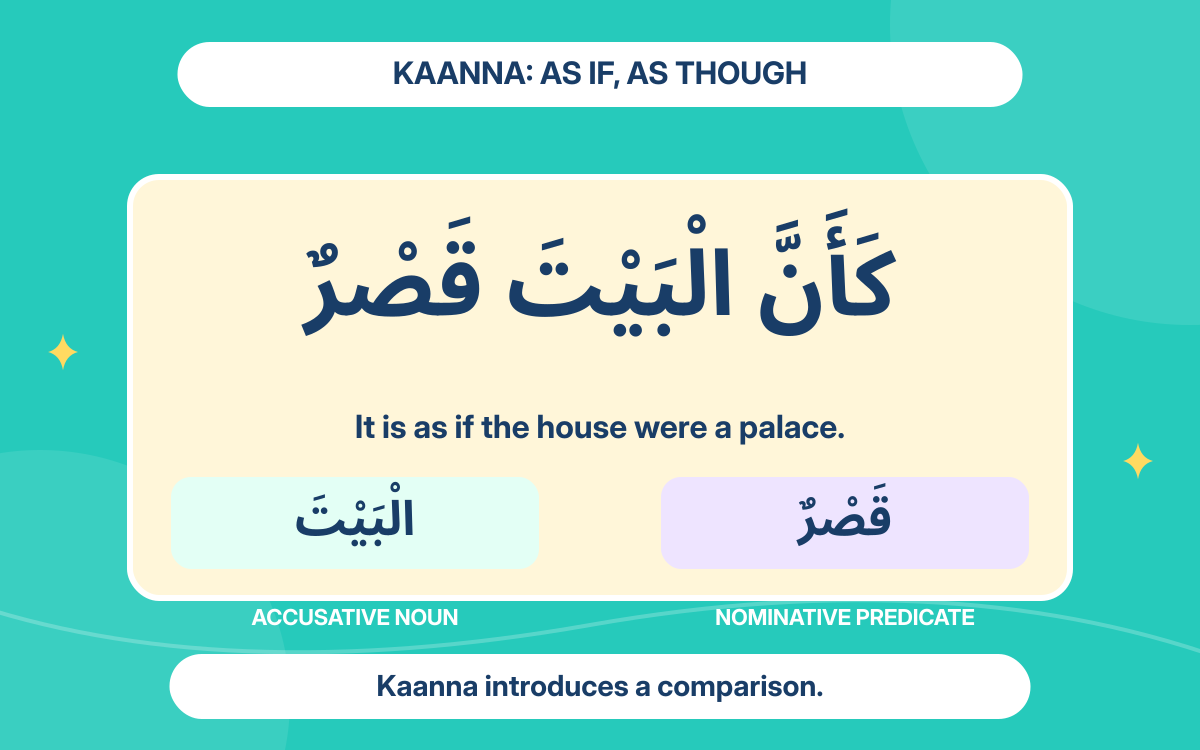
Kaanna in Arabic: As If and As Though
كَأَنَّ النَّقْدَ بَابٌ نُرِيدُ إِغْلَاقَهُ
Use kaanna to describe an interpretation the editor’s wording allows without accepting it as her intention.