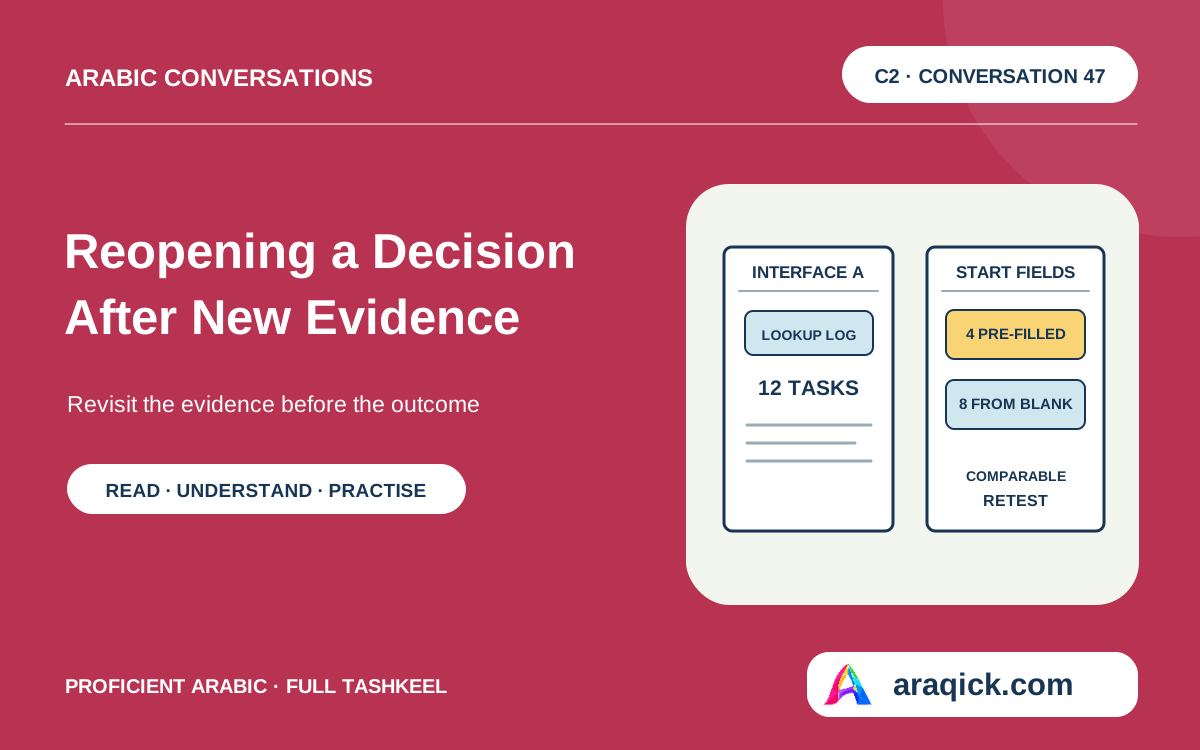
Five members of a fictional community catalogue committee reconsider their reason for choosing interface A. A newly found log separates four pre-filled tasks from eight blank-input tasks, raising a precise question about reopening the decision without pretending that interface B has already won.
01Read the Arabic conversation
إِعَادَةُ النَّظَرِ فِي قَرَارٍ بَعْدَ ظُهُورِ دَلِيلٍ جَدِيدٍ
سَلْمَى: اِخْتَرْنَا الْوَاجِهَةَ الْأُولَى لِفِهْرِسِنَا الْمُجْتَمَعِيِّ التَّخَيُّلِيِّ، وَلَمْ يَبْدَأْ تَطْبِيقُهَا بَعْدُ. اِعْتَمَدْنَا عَلَى تَقْرِيرٍ يَذْكُرُ اكْتِمَالَ اثْنَتَيْ عَشْرَةَ مُهِمَّةَ بَحْثٍ فِيهَا، مُقَابِلَ عَشْرٍ فِي الْوَاجِهَةِ الثَّانِيَةِ. وَصَلَنِي الْآنَ سِجِلٌّ يُقَيِّدُ مَعْنَى الْمُقَارَنَةِ.
كَرِيمٌ: فِي سِجِلِّ الْوَاجِهَةِ الْأُولَى أَرْبَعُ مُهِمَّاتٍ بَدَأَتْ بِحُقُولٍ مُعَبَّأَةٍ سَلَفًا، وَثَمَانٍ بَدَأَتْ بِحُقُولٍ فَارِغَةٍ. اِكْتَمَلَتِ الْمَجْمُوعَتَانِ، لَكِنَّ تَقْرِيرِي جَمَعَهُمَا دُونَ ذِكْرِ الْفَرْقِ. أَمَّا الْمُهِمَّاتُ الِاثْنَتَا عَشْرَةَ فِي الثَّانِيَةِ فَبَدَأَتْ جَمِيعُهَا مِنْ حُقُولٍ فَارِغَةٍ.
هَانٍ: أَعْدَدْتُ حُقُولَ الْمُهِمَّاتِ الْأَرْبَعِ مُسْبَقًا لِعَرْضِ النَّتَائِجِ، لَا لِقِيَاسِ جُهْدِ الْإِدْخَالِ. هَذَا لَا يَعْنِي أَنَّ الْوَاجِهَةَ تَعْجِزُ عَنْ قَبُولِ إِدْخَالٍ جَدِيدٍ؛ لَقَدْ قَبِلَتْهُ فِي الثَّمَانِي الْأُخْرَى. لَكِنَّ الْعَرْضَ لَمْ يَخْتَبِرِ الْبِدَايَةَ نَفْسَهَا فِي الْمُهِمَّاتِ كُلِّهَا.
مَهَا: مَنْ يَسْتَخْدِمُ الْفِهْرِسَ لِلْمَرَّةِ الْأُولَى يَحْتَاجُ إِلَى مَعْرِفَةِ مَا يَكْتُبُهُ وَأَيْنَ يَكْتُبُهُ. هَذَا هُوَ الْجُهْدُ الَّذِي سَأَلْتُ عَنْهُ فِي اجْتِمَاعِنَا السَّابِقِ. لَا أَطْلُبُ مَحْوَ فَائِدَةِ الْحُقُولِ الْجَاهِزَةِ، بَلْ أَلَّا تُحْسَبَ كَأَنَّهَا بَدَايَةٌ فَارِغَةٌ.
عَادِلٌ: كُنْتُ قَدْ أَيَّدْتُ الْقَرَارَ لِأَنَّنِي فَهِمْتُ الْعَدَدَيْنِ عَلَى أَنَّهُمَا نَتِيجَتَانِ لِشُرُوطٍ مُتَمَاثِلَةٍ. السِّجِلُّ الْجَدِيدُ يُصِيبُ هَذِهِ الْمُقَدِّمَةَ، لَا يُثْبِتُ خَطَأَ كُلِّ مَا قِيلَ عَنِ الْأُولَى. لِذَلِكَ أَرَى أَنَّ سَبَبًا لِفَتْحِ الْمُرَاجَعَةِ قَدْ ظَهَرَ.
سَلْمَى: أُوَافِقُ عَلَى فَحْصِ الْمُقَدِّمَةِ، لَكِنْ أُرِيدُ حَدًّا لِلْمُرَاجَعَةِ. إِذَا أَعَدْنَا الْقَرَارَ كُلَّمَا وَصَلَ تَفْصِيلٌ، فَلَنْ نَبْدَأَ شَيْئًا. مَا الَّذِي يَجْعَلُ هَذَا السِّجِلَّ جَوْهَرِيًّا، بَدَلًا مِنْ كَوْنِهِ مَعْلُومَةً إِضَافِيَّةً لَا تُغَيِّرُ مَنْطِقَ الِاخْتِيَارِ؟
كَرِيمٌ: كَتَبْتُ فِي خُلَاصَتِي أَنَّ الْأُولَى أَنْجَزَتْ عَدَدًا أَكْبَرَ مِنَ الْمُهِمَّاتِ مِنْ بَدَايَةٍ فَارِغَةٍ. هَذِهِ الْجُمْلَةُ لَا يَدْعَمُهَا السِّجِلُّ. لَيْسَ الْجَدِيدُ لَوْنَ زِرٍّ أَوْ تَفْضِيلًا شَخْصِيًّا، بَلِ الشَّرْطُ الَّذِي بَنَيْتُ عَلَيْهِ الْحُجَّةَ الْعَدَدِيَّةَ.
هَانٍ: وَلَا يَصِحُّ أَنْ نَخْصِمَ الْأَرْبَعَ فَنَقُولَ إِنَّ الْأُولَى نَجَحَتْ فِي ثَمَانٍ مِنَ اثْنَتَيْ عَشْرَةَ بِبِدَايَةٍ فَارِغَةٍ. الْأَرْبَعُ لَمْ تَبْدَأْ فَارِغَةً فَتَفْشَلْ؛ لَمْ تُجَرَّبْ بِهَذَا الشَّرْطِ. لَدَيْنَا ثَمَانِي تَجَارِبَ مَكْتَمِلَةٍ، وَأَرْبَعُ مُقَارَنَاتٍ نَاقِصَةٍ.
مَهَا: أُرِيدُ تَثْبِيتَ ذَلِكَ، لِأَنَّ الثَّانِيَةَ لَيْسَتْ خِيَارِي التِّلْقَائِيَّ كُلَّمَا ضَعُفَ دَلِيلُ الْأُولَى. فِي عَرْضِهَا اكْتَمَلَتْ عَشْرٌ مِنَ اثْنَتَيْ عَشْرَةَ، وَلَا أَعْرِفُ مَا إِذَا كَانَ الْفَرْقُ سَيَبْقَى فِي إِعَادَةٍ مُتَمَاثِلَةٍ. أُرِيدُ دَلِيلًا عَنْ جُهْدِ الْبِدَايَةِ.
عَادِلٌ: إِعَادَةُ النَّظَرِ تَعْنِي أَنَّ سَبَبَ الْقَرَارِ يَحْتَاجُ إِلَى اخْتِبَارٍ جَدِيدٍ، وَلَا تَعْنِي أَنَّ عَكْسَهُ صَارَ صَحِيحًا. يَجِبُ أَنْ نُبَيِّنَ هَذَا فِي الْمَحْضَرِ. وَأَتَحَفَّظُ عَلَى اسْتِخْدَامِ كَلِمَةِ إِلْغَاءٍ قَبْلَ أَنْ نَقْرَأَ نَتِيجَةَ الْإِعَادَةِ.
سَلْمَى: التَّطْبِيقُ مُقَرَّرٌ لِلْأُسْبُوعِ الْمُقْبِلِ، وَأَقْتَرِحُ تَعْلِيقَ بَدْئِهِ حَتَّى نُرَاجِعَ إِعَادَةَ الِاخْتِبَارِ. لَا أُرِيدُ أَنْ يَفْهَمَ الْفَرِيقُ أَنَّهُ طُلِبَتْ مِنْهُ تَهْيِئَةُ الثَّانِيَةِ. يَبْقَى اسْمُ الْأُولَى فِي الْقَرَارِ السَّابِقِ، مَعَ تَعْلِيقِ تَنْفِيذِهِ وَفَتْحِ أَسْبَابِهِ لِلْمُرَاجَعَةِ.
كَرِيمٌ: سَأُصَحِّحُ الْخُلَاصَةَ الْعَدَدِيَّةَ الْيَوْمَ، وَسَأَحْتَفِظُ بِالنُّسْخَةِ الْأُولَى وَبِالسِّجِلِّ الَّذِي كَشَفَ الْفَرْقَ. لَنْ أَصِفَ التَّصْحِيحَ بِأَنَّهُ نَتِيجَةُ اخْتِبَارٍ جَدِيدٍ؛ هُوَ تَصْحِيحٌ لِمَا يَجُوزُ اسْتِنْتَاجُهُ مِنْ مَوَادَّ كَانَتْ مَوْجُودَةً وَلَمْ أَقْرَأْهَا كَامِلَةً.
هَانٍ: أَقْتَرِحُ إِعَادَةَ الْمُهِمَّاتِ الِاثْنَتَيْ عَشْرَةَ فِي كُلِّ وَاجِهَةٍ بِحُقُولٍ فَارِغَةٍ، وَبِبِطَاقَاتِ الطَّلَبِ نَفْسِهَا، وَبِالْمُهْلَةِ نَفْسِهَا: ثَلَاثِ دَقَائِقَ لِكُلِّ مُهِمَّةٍ. سَنَعُدُّ الْوُصُولَ إِلَى الْمَادَّةِ الْمَطْلُوبَةِ دُونَ مُسَاعَدَةٍ اكْتِمَالًا، وَنُسَجِّلُ الْحَاجَةَ إِلَى الْمُسَاعَدَةِ عَلَى حِدَةٍ.
مَهَا: أُرِيدُ أَنْ يَظْهَرَ فِي السِّجِلِّ أَيْنَ احْتَاجَ الْمُسْتَخْدِمُ إِلَى الْمُسَاعَدَةِ، لَا الْعَدَدُ النِّهَائِيُّ فَقَطْ. هَذَا لَا يُغَيِّرُ تَعْرِيفَ الِاكْتِمَالِ، لَكِنَّهُ يُوَضِّحُ لَنَا مَا إِذَا كَانَ التَّعَثُّرُ فِي اخْتِيَارِ الْحَقْلِ أَوْ فِي قِرَاءَةِ النَّتِيجَةِ.
عَادِلٌ: وَلْنَكْتُبْ هَذِهِ الشُّرُوطَ قَبْلَ الْإِعَادَةِ، لَا بَعْدَ مَعْرِفَةِ الْفَائِزِ. أَقْتَرِحُ أَنْ أُرَاجِعَ السِّجِلَّ مَعَ كَرِيمٍ، مَعَ بَيَانِ أَنَّنِي أَيَّدْتُ الِاخْتِيَارَ السَّابِقَ. تَغْيِيرُ رَأْيِي الْمُحْتَمَلُ لَيْسَ مَقْيَاسَ نَجَاحِ الْمُرَاجَعَةِ؛ اِكْتِمَالُ الْمُقَارَنَةِ هُوَ مَا نَفْحَصُهُ.
سَلْمَى: نُجْرِي الْإِعَادَةَ يَوْمَ الْأَرْبِعَاءِ، وَنَجْتَمِعُ يَوْمَ الْخَمِيسِ لِقِرَاءَةِ السِّجِلِّ. إِذَا نَقَصَتْ مُهِمَّةٌ أَوْ تَغَيَّرَ شَرْطٌ، فَلَا نَعُدُّ الْمُقَارَنَةَ مُكْتَمِلَةً، وَفِي اجْتِمَاعِ الْخَمِيسِ نُحَدِّدُ مَوْعِدًا لِاسْتِكْمَالِهَا. هَكَذَا يَكُونُ لِلتَّعْلِيقِ مَوْعِدُ مُرَاجَعَةٍ، دُونَ وَعْدٍ بِنَتِيجَةٍ لَمْ تَظْهَرْ.
كَرِيمٌ: سَأَضَعُ لِكُلِّ مُهِمَّةٍ خَانَةً لِبِدَايَتِهَا، وَنَتِيجَتِهَا، وَالْمُسَاعَدَةِ الَّتِي طُلِبَتْ فِيهَا. وَلَنْ أَجْمَعَ الْمُسَاعَدَةَ مَعَ الِاكْتِمَالِ الْمُسْتَقِلِّ فِي رَقْمٍ وَاحِدٍ. مَا حَدَثَ فِي تَقْرِيرِي يُلْزِمُنِي بِإِظْهَارِ الشُّرُوطِ، لَا بِافْتِرَاضِ أَنَّ النَّتِيجَةَ الْقَادِمَةَ سَتُخَالِفُهُ.
هَانٍ: وَسَنُوَزِّعُ الْمُهِمَّاتِ عَلَى جَوْلَتَيْنِ، بِوَاقِعِ سِتِّ مُهِمَّاتٍ لِكُلِّ وَاجِهَةٍ فِي كُلِّ جَوْلَةٍ، مَعَ تَبْدِيلِ الْوَاجِهَةِ الَّتِي تَبْدَأُ أَوَّلًا. هَذَا تَرْتِيبُنَا لِلْإِعَادَةِ، وَلَا يَضْمَنُ تَمْثِيلَ كُلِّ مُسْتَخْدِمٍ مُمْكِنٍ. سَنَذْكُرُ مَنْ شَارَكَ وَمَا جَرَّبَهُ.
مَهَا: سَأَدْعُو مُسْتَخْدِمِينَ لَمْ يَشْهَدُوا الْعَرْضَ الْأَوَّلَ، وَلَا أَفْتَرِضُ مُوَافَقَتَهُمْ قَبْلَ الرَّدِّ. إِذَا لَمْ يَتَأَكَّدْ حُضُورُهُمْ، فَسَأُبَلِّغُكُمْ قَبْلَ الْأَرْبِعَاءِ. قَائِمَةُ دَعَوَاتِي لَيْسَتْ بَيَانًا بِمَنْ شَارَكَ فِعْلًا، وَلَا أُرِيدُ أَنْ يَتَكَرَّرَ خَلْطٌ آخَرُ فِي السِّجِلِّ.
عَادِلٌ: أُؤَيِّدُ هَذَا الْحَدَّ. وَسَأَفْحَصُ قَائِمَةَ الْحُضُورِ وَبِطَاقَاتِ الْمُهِمَّاتِ مَعَ النَّتَائِجِ، لَا مُلَخَّصًا عَدَدِيًّا وَحْدَهُ. تَبْقَى لَدَيَّ رَغْبَةٌ فِي سُرْعَةِ التَّطْبِيقِ، لَكِنَّ السُّرْعَةَ لَا تُصْلِحُ الْمُقَدِّمَةَ الَّتِي بَنَيْنَا عَلَيْهَا تَفْضِيلَنَا. لَنْ أُسَمِّي التَّعْلِيقَ هَزِيمَةً لِلْأُولَى.
سَلْمَى: إِذَنْ نُعَلِّقُ بَدْءَ التَّطْبِيقِ، وَنَفْتَحُ سَبَبَ الِاخْتِيَارِ لِلْمُرَاجَعَةِ وَفْقَ هَذِهِ الشُّرُوطِ. لَا نُعْلِنُ الْآنَ اسْتِبْدَالَ وَاجِهَةٍ بِأُخْرَى. سَيَذْكُرُ الْإِشْعَارُ أَنَّ الْفَرْقَ فِي نُقْطَةِ الْبِدَايَةِ أَضْعَفَ الْمُقَارَنَةَ، وَأَنَّ نَتِيجَةَ الْإِعَادَةِ لَمْ تُعْرَفْ بَعْدُ.
كَرِيمٌ: وَسَأُرْفِقُ بِنُسْخَةِ التَّصْحِيحِ بَيَانًا يَفْصِلُ بَيْنَ الِاثْنَتَيْ عَشْرَةَ الْمُكْتَمِلَةِ فِي الْعَرْضِ وَالثَّمَانِي الْمُكْتَمِلَةِ مِنْ حُقُولٍ فَارِغَةٍ. لَا تَتَنَاقَضُ الْعِبَارَتَانِ؛ كُلٌّ مِنْهُمَا تَصِفُ شَيْئًا مُخْتَلِفًا. كَانَ الْخَطَأُ فِي الْمَعْنَى الَّذِي أَضَفْتُهُ إِلَى الْعَدَدِ الْأَوَّلِ.
هَانٍ: سَأُعِدُّ الْوَاجِهَتَيْنِ بِحُقُولٍ فَارِغَةٍ وَأُوَثِّقُ ذَلِكَ قَبْلَ الْبَدْءِ. وَلَا أَعِدُ أَنَّ هَذَا سَيُؤَكِّدُ الِاخْتِيَارَ أَوْ يَقْلِبُهُ. قَدْ تَظْهَرُ صُعُوبَاتٌ فِي إِحْدَاهُمَا أَوْ فِي كِلْتَيْهِمَا؛ الْمُهِمُّ أَنْ نَرَاهَا تَحْتَ الشَّرْطِ الَّذِي نَقُولُ إِنَّنَا نَفْحَصُهُ.
مَهَا: وَسَأَقْرَأُ نَتِيجَةَ الْإِعَادَةِ بِاعْتِبَارِهَا دَلِيلًا عَنْ هَذِهِ الْمُهِمَّاتِ وَهَؤُلَاءِ الْمُشَارِكِينَ، لَا شَهَادَةً بِأَنَّ جَمِيعَ حَاجَاتِ الْمُسْتَخْدِمِينَ تَحَقَّقَتْ. قَبُولِي بِإِعَادَةِ الِاخْتِبَارِ لَا يُسْقِطُ سُؤَالَ الْجُهْدِ الْيَوْمِيِّ. إِنَّهُ يَجْعَلُ أَحَدَ أَجْزَاءِ ذَلِكَ السُّؤَالِ أَوْضَحَ فَحَسْبُ.
عَادِلٌ: وَسَأُبْقِي فِي تَقْرِيرِ الْمُرَاجَعَةِ ثَلَاثَ خُطُوَاتٍ مُنْفَصِلَةً: تَصْحِيحَ الْحُجَّةِ الْقَدِيمَةِ، وَتَعْلِيقَ تَنْفِيذِ الْقَرَارِ، ثُمَّ تَقْيِيمَ مَا يَظْهَرُ جَدِيدًا. عِنْدَئِذٍ يُمْكِنُ تَثْبِيتُ الِاخْتِيَارِ أَوْ تَغْيِيرُهُ بِسَبَبٍ مَقْرُوءٍ، بَدَلًا مِنْ عَدِّ ظُهُورِ الشَّكِّ نَتِيجَةً نِهَائِيَّةً.
Show English translationHide English translation
Salma — chairperson: We chose interface A for our fictional community catalogue, and implementation has not begun. We relied on a report showing twelve complete lookup tasks in it against ten in interface B. I have now received a log that qualifies the comparison’s meaning.
Karim — analyst: In interface A’s log, four tasks began with pre-filled fields and eight with blank fields. Both groups were completed, but my report combined them without mentioning the difference. All twelve tasks in interface B began with blank fields.
Hani — engineer: I prepared the fields of the four tasks in advance to demonstrate results, not to measure input effort. That does not mean the interface cannot accept new input: it accepted it in the other eight tasks. But the demonstration did not test the same starting point in every task.
Maha — user representative: Someone using the catalogue for the first time needs to know what to enter and where. That is the effort I asked about in our earlier meeting. I do not ask us to erase the value of ready-made fields, but not to count them as though they were a blank start.
Adil — reviewer: I had supported the decision because I understood the two counts as results under comparable conditions. The new log undermines that premise; it does not establish that everything said about A was wrong. I therefore think a reason to reopen the review has emerged.
Salma — chairperson: I agree to examine the premise, but I want a boundary for review. If we revisit the decision whenever a detail arrives, we will never start anything. What makes this log material rather than extra information that leaves the choice’s reasoning unchanged?
Karim — analyst: I wrote in my summary that A completed more tasks from a blank start. The log does not support that sentence. The new detail is not a button’s colour or a personal preference, but the condition on which I based the numerical argument.
Hani — engineer: Nor can we subtract the four and say A succeeded in eight out of twelve from a blank start. The four did not start blank and then fail; they were not tried under that condition. We have eight completed trials and four missing comparisons.
Maha — user representative: I want that recorded, because B is not my automatic choice whenever A’s evidence weakens. In its demonstration, ten of twelve tasks were completed, and I do not know whether the difference would remain in a comparable retest. I want evidence about starting effort.
Adil — reviewer: Reconsidering means that the decision’s reason needs a new test, not that its opposite has become correct. We must make this clear in the minutes. I reserve judgement on using the word cancellation before we read the retest result.
Salma — chairperson: Implementation is scheduled for next week, and I propose pausing its start until we review the retest. I do not want the team to think it has been asked to prepare B. A remains named in the earlier decision, with implementation paused and its reasons reopened for review.
Karim — analyst: I will correct the numerical summary today and retain the first version and the log that revealed the difference. I will not describe the correction as a new test result: it corrects what may be inferred from material that existed but that I did not read completely.
Hani — engineer: I propose repeating the twelve tasks in each interface with blank fields, the same request cards and the same limit: three minutes per task. We will count reaching the requested item without help as completion and record the need for help separately.
Maha — user representative: I want the log to show where the user needed help, not just the final count. That does not change the definition of completion, but clarifies whether the difficulty was in choosing the field or reading the result.
Adil — reviewer: Let us write these conditions before the retest, not after knowing the winner. I propose reviewing the log with Karim, disclosing that I supported the earlier choice. My possible change of mind is not the measure of review success; completeness of the comparison is what we examine.
Salma — chairperson: We will retest on Wednesday and meet on Thursday to read the log. If a task is missing or a condition changes, we will not consider the comparison complete and will set its completion date on Thursday. The pause thus has a review date without a promise of an unseen result.
Karim — analyst: I will give each task fields for its starting point, result and help requested. I will not combine assisted and independent completion into one number. What happened in my report requires me to show the conditions, not assume that the next result will contradict it.
Hani — engineer: We will distribute the tasks across two rounds, six in each interface in each round, switching which interface starts first. That is our retest arrangement; it does not guarantee representation of every possible user. We will state who participated and what they tried.
Maha — user representative: I will invite users who did not see the first demonstration, without assuming agreement before they reply. If attendance is not confirmed, I will tell you before Wednesday. My invitation list is not a statement of who actually participated, and I do not want another conflation in the log.
Adil — reviewer: I support that boundary. I will examine the attendance list and task cards alongside results, not a numerical summary alone. I still want speedy implementation, but speed does not repair the premise on which we based our preference. I will not call the pause a defeat for A.
Salma — chairperson: Then we pause implementation and reopen the choice’s rationale for review under these conditions. We are not announcing the replacement of one interface with another. The notice will say that different starting points weakened the comparison and that the retest result is not yet known.
Karim — analyst: I will attach to the corrected version a statement distinguishing the twelve completed in the demonstration from the eight completed from blank fields. The statements do not contradict each other; each describes a different thing. The error was in the meaning I added to the first count.
Hani — engineer: I will prepare both interfaces with blank fields and document that before starting. I do not promise that this will confirm or reverse the choice. Difficulties may appear in either or both; what matters is seeing them under the condition we say we are examining.
Maha — user representative: I will read the retest result as evidence about these tasks and these participants, not certification that every user need has been met. My acceptance of the retest does not remove the question of everyday effort. It merely makes one part of that question clearer.
Adil — reviewer: I will keep three separate steps in the review report: correcting the old argument, pausing implementation, then assessing what emerges. The choice can then be retained or changed for a reason people can read, instead of treating the emergence of doubt as a final result.
02Useful words and expressions
| Arabic in the conversation | Meaning here |
|---|---|
| بِحُقُولٍ مُعَبَّأَةٍ سَلَفًا | with pre-filled fields |
| لِشُرُوطٍ مُتَمَاثِلَةٍ | under comparable conditions |
| الْحُجَّةَ الْعَدَدِيَّةَ | the numerical argument |
| وَأَرْبَعُ مُقَارَنَاتٍ نَاقِصَةٍ | and four missing comparisons |
| خِيَارِي التِّلْقَائِيَّ | my automatic choice |
| تَعْلِيقَ بَدْئِهِ | pausing its start |
| عَلَى حِدَةٍ | separately |
| تَغْيِيرُ رَأْيِي الْمُحْتَمَلُ | my possible change of mind |
| الِاكْتِمَالِ الْمُسْتَقِلِّ | independent completion |
| قَائِمَةُ دَعَوَاتِي | my invitation list |
| نُقْطَةِ الْبِدَايَةِ | the starting point |
| تَثْبِيتُ الِاخْتِيَارِ | retaining the choice |
03Check your understanding
Choose one answer for each question. Look back at the Arabic conversation for evidence. Open the English question support or a hint when you need help.
What to remember
- Distinguish four tasks not tested from blank fields from four tasks that failed under that condition.
- Recognise evidence that undermines a decision’s stated premise without proving the opposite choice better.
- Track an agreed pause and comparable retest without inventing attendance or a future result.
Explore the Arabic in this conversation
Related grammar and vocabularyOpen Araqick guides connected to this conversation.
Because in Arabic: Give a Reason with Lianna
لِأَنَّنِي فَهِمْتُ الْعَدَدَيْنِ عَلَى أَنَّهُمَا نَتِيجَتَانِ لِشُرُوطٍ مُتَمَاثِلَةٍ
Use lianna to state the reviewer’s original reason for treating the task counts as comparable.
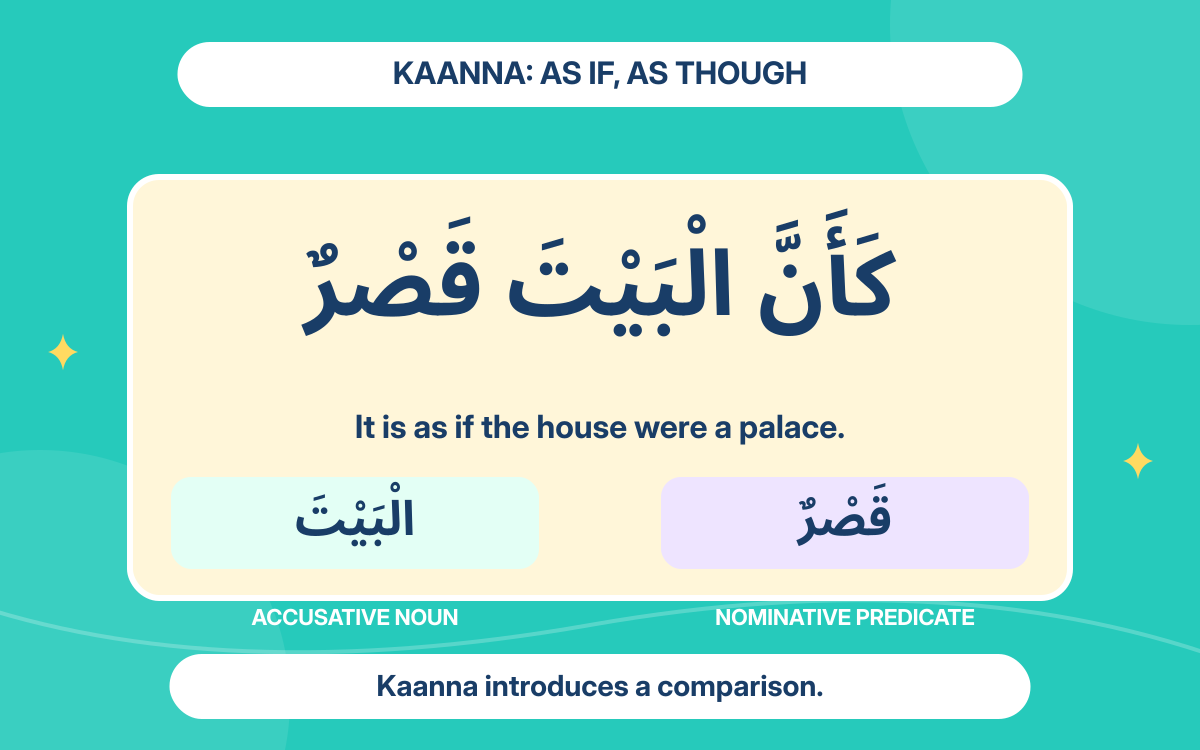
Kaanna in Arabic: As If and As Though
كَأَنَّهَا بَدَايَةٌ فَارِغَةٌ
Use kaanna to identify the mistaken equivalence between pre-filled fields and a blank starting point.
Lakinna and Lakin in Arabic: Two Patterns for But
لَكِنَّ الْعَرْضَ لَمْ يَخْتَبِرِ الْبِدَايَةَ نَفْسَهَا فِي الْمُهِمَّاتِ كُلِّهَا
Use governing lakinna to retain a criticism of the comparison without denying the interface’s demonstrated ability.