

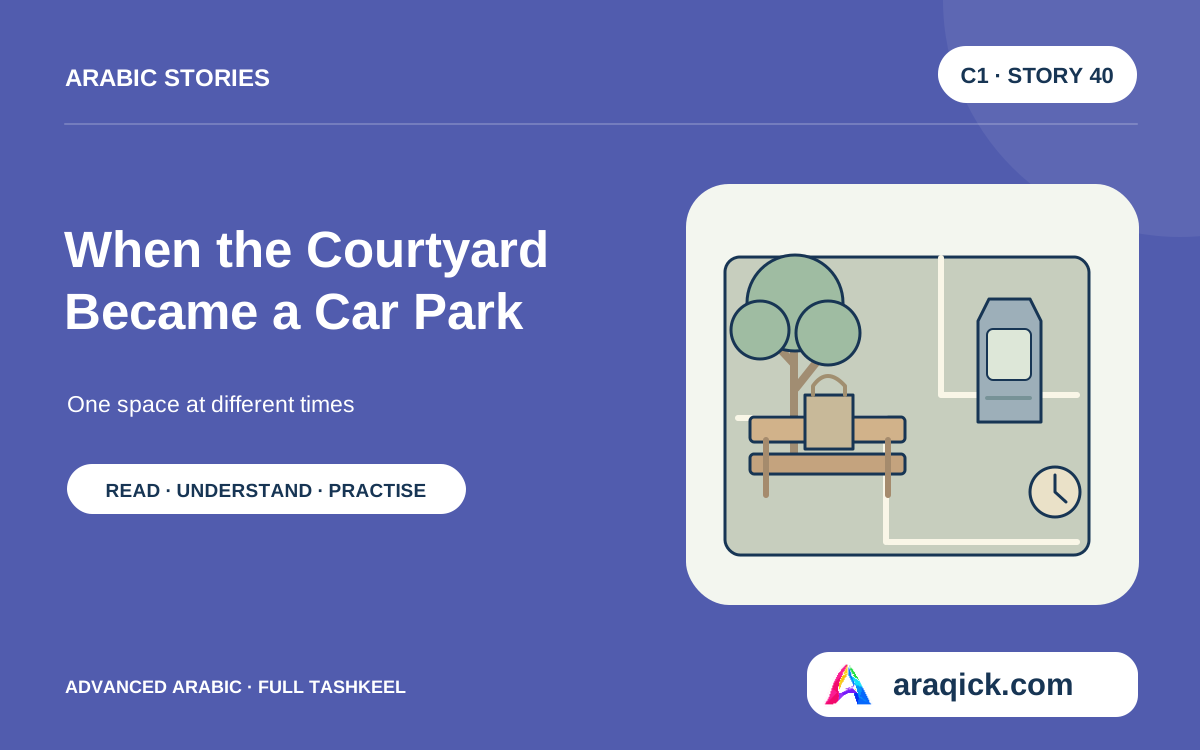
A resident sees parking lines as the loss of a shared courtyard. His sister’s shopping bags and a neighbour’s late return complicate that account.
01Read the Arabic story
حِينَ صَارَ الْفِنَاءُ مَوْقِفًا لِلسَّيَّارَاتِ
رَأَيْتُ الْخُطُوطَ الْبَيْضَاءَ عَلَى أَرْضِ الْفِنَاءِ، فَقُلْتُ إِنَّ الْبَيْتَ فَقَدَ آخِرَ مَكَانٍ نَجْتَمِعُ فِيهِ. صَارَ الْفِنَاءُ مَوْقِفًا لِسَيَّارَاتِ السُّكَّانِ، وَنُقِلَ مَقْعَدُنَا الْخَشَبِيُّ إِلَى الْجِدَارِ. كُنْتُ أَتَذَكَّرُ لَيْلَاتِ الصَّيْفِ تَحْتَ الشَّجَرَةِ، وَلَمْ أَكُنْ قَدْ جَلَسْتُ هُنَا مُنْذُ شَهْرَيْنِ. مَعَ ذَلِكَ، رَأَيْتُ أَنَّ الْخُطُوطَ أَخَذَتْ مِنِّي شَيْئًا كُنْتُ أَسْتَعْمِلُهُ كُلَّ يَوْمٍ.
وَصَلَتْ أُخْتِي بِسَيَّارَتِهَا وَأَخْرَجَتْ أَكْيَاسَ الطَّعَامِ. قَالَتْ إِنَّهَا لَمْ تَعُدْ تَحْمِلُهَا مِنْ آخِرِ الشَّارِعِ، وَإِنَّ أُمَّنَا تَسْتَطِيعُ الْآنَ أَنْ تَخْرُجَ مَعَهَا بِسُهُولَةٍ. وَافَقْتُ، ثُمَّ أَشَرْتُ إِلَى الْمَقْعَدِ. كَانَ بَابُ سَيَّارَةٍ يَنْفَتِحُ أَمَامَهُ، فَلَمْ يَكُنْ الْمَقْعَدُ الْمَوْجُودُ عَلَى الرَّسْمِ مَقْعَدًا يُمْكِنُ الْجُلُوسُ عَلَيْهِ دَائِمًا. جَلَسْنَا دَقِيقَتَيْنِ، ثُمَّ قُمْنَا لِيُخْرِجَ جَارُنَا حَقِيبَتَهُ.
فِي اللِّقَاءِ الَّذِي دَعَا إِلَيْهِ السُّكَّانُ، اقْتَرَحْتُ إِزَالَةَ خَطٍّ لِتَبْقَى مَسَاحَةٌ قُرْبَ الشَّجَرَةِ. اعْتَرَضَ جَارٌ يَعُودُ مُتَأَخِّرًا وَيَحْتَاجُ إِلَى مَوْقِعٍ. سَأَلَنِي مَتَى جَلَسْتُ فِي الْفِنَاءِ آخِرَ مَرَّةٍ، فَلَمْ أُجِبْ فَوْرًا. لَكِنَّ قِلَّةَ جُلُوسِي لَمْ تَجْعَلِ الْمَقْعَدَ وَهْمًا. كَانَ عَلَيْنَا أَنْ نَعْرِفَ مَنْ يَسْتَعْمِلُ الْمَكَانَ وَمَتَى، لَا أَنْ نَعُدَّ ذَاكِرَتِي خُطَّةً كَامِلَةً.
اتَّفَقْنَا عَلَى تَجْرِبَةٍ لِأُسْبُوعٍ: تُتْرَكُ الْمَسَاحَةُ قُرْبَ الشَّجَرَةِ خَالِيَةً عَصْرًا، وَتُسْتَعْمَلُ لِسَيَّارَةٍ لَيْلًا. احْتَاجَ الِاتِّفَاقُ إِلَى نَقْلِ الْمَقْعَدِ وَإِلَى شَخْصٍ يَتَذَكَّرُ الْمَوْعِدَ، وَعَرَضْتُ أَنْ أُسَاعِدَ. لَمْ تُصْبِحِ الْمَسَاحَةُ أَكْبَرَ. فِي الْيَوْمِ الْأَوَّلِ، نَسِيَ جَارُنَا نَقْلَ سَيَّارَتِهِ، فَانْتَظَرْنَا حَتَّى عَادَ. وَسَأَلَتْ أُخْتِي مَنْ سَيَحْمِلُ الْمَقْعَدَ حِينَ أَكُونُ خَارِجَ الْبَيْتِ.
فِي عَصْرِ الْيَوْمِ التَّالِي، جَلَسَتْ أُمِّي تَحْتَ الشَّجَرَةِ، وَوَضَعَتْ أُخْتِي أَكْيَاسَهَا عَلَى الْمَقْعَدِ قَبْلَ أَنْ تَحْمِلَهَا إِلَى الدَّاخِلِ. لَمْ يَعُدِ الْفِنَاءُ كَمَا كَانَ، وَلَمْ يَصِرْ مُجَرَّدَ صُفُوفٍ لِلسَّيَّارَاتِ. عِنْدَ الْمَسَاءِ، جَاءَ الْجَارُ الْمُتَأَخِّرُ، فَحَمَلْتُ مَعَهُ الْمَقْعَدَ. سَأَلَنِي عَنِ الْجُلُوسِ، وَسَأَلْتُهُ عَنْ مَكَانِهِ لَيْلًا. بَقِيَ الْخَطُّ الْأَبْيَضُ، وَصَارَ يَحْتَاجُ إِلَى أَكْثَرَ مِنْ تَفْسِيرٍ.
Show English translationHide English translation
I saw the white lines on the courtyard floor and said the building had lost our last place to gather. The courtyard had become parking for residents’ cars, and our wooden bench had moved to the wall. I remembered summer evenings beneath the tree, although I had not sat here for two months. Even so, I felt the lines had taken something I used every day.
My sister arrived in her car and took out food bags. She said she no longer carried them from the far end of the street, and our mother could now go out with her easily. I agreed, then pointed to the bench. A car door opened in front of it: the bench present on the drawing was not always a bench one could sit on. We sat for two minutes, then stood so our neighbour could take out his bag.
At the residents’ meeting, I proposed removing a line to leave space near the tree. A neighbour who returned late and needed a place objected. He asked when I had last sat in the courtyard, and I did not answer immediately. Yet my infrequent use did not make the bench imaginary. We needed to know who used the place and when, rather than treating my memory as a complete plan.
We agreed on a week’s trial: the space near the tree would stay clear in the afternoon and be used by a car at night. The agreement needed the bench moved and someone to remember the time; I offered to help. The space did not become larger. On the first day our neighbour forgot to move his car, so we waited until he returned. My sister asked who would carry the bench when I was away.
The following afternoon, my mother sat beneath the tree, and my sister put her bags on the bench before carrying them inside. The courtyard had not returned to what it was, but had not become merely rows of cars either. In the evening the late-returning neighbour came, and I helped him carry the bench. He asked about sitting there, and I asked about his space at night. The white line remained, now needing more than one interpretation.
02Useful words from the story
| Arabic in the story | Meaning here |
|---|---|
| مَوْقِفًا | a parking area |
| أَكْيَاسَ | bags |
| الْخُطُوطَ | the lines |
| ذَاكِرَتِي | my memory |
| عَلَيْهِ | on it |
| وَهْمًا | an illusion; something imagined |
| عَصْرًا | in the afternoon |
| الْمَوْعِدَ | the appointed time |
| لِلسَّيَّارَاتِ | for cars |
| تَفْسِيرٍ | an interpretation |
03Check your understanding
Choose one answer per question. Follow the changing perspectives and distinguish what the text shows from what its characters assume.
What to remember
- Recent use and remembered belonging are different kinds of evidence, and neither alone settles the shared space.
- A timetable needs physical work and follow-through; the trial leaves that responsibility visible.
Explore the Arabic in this story
Related grammar and vocabularyOpen Araqick guides connected to this story.
Arabic Relative Pronouns: Joining Ideas with Alladhi and Allati
اللِّقَاءِ الَّذِي دَعَا إِلَيْهِ السُّكَّانُ
Connect the masculine meeting to the clause identifying who called it.
Lam in Arabic: How to Say “Did Not”
فَلَمْ أُجِبْ فَوْرًا
Read lam as denying the narrator’s immediate answer to the neighbour.





