

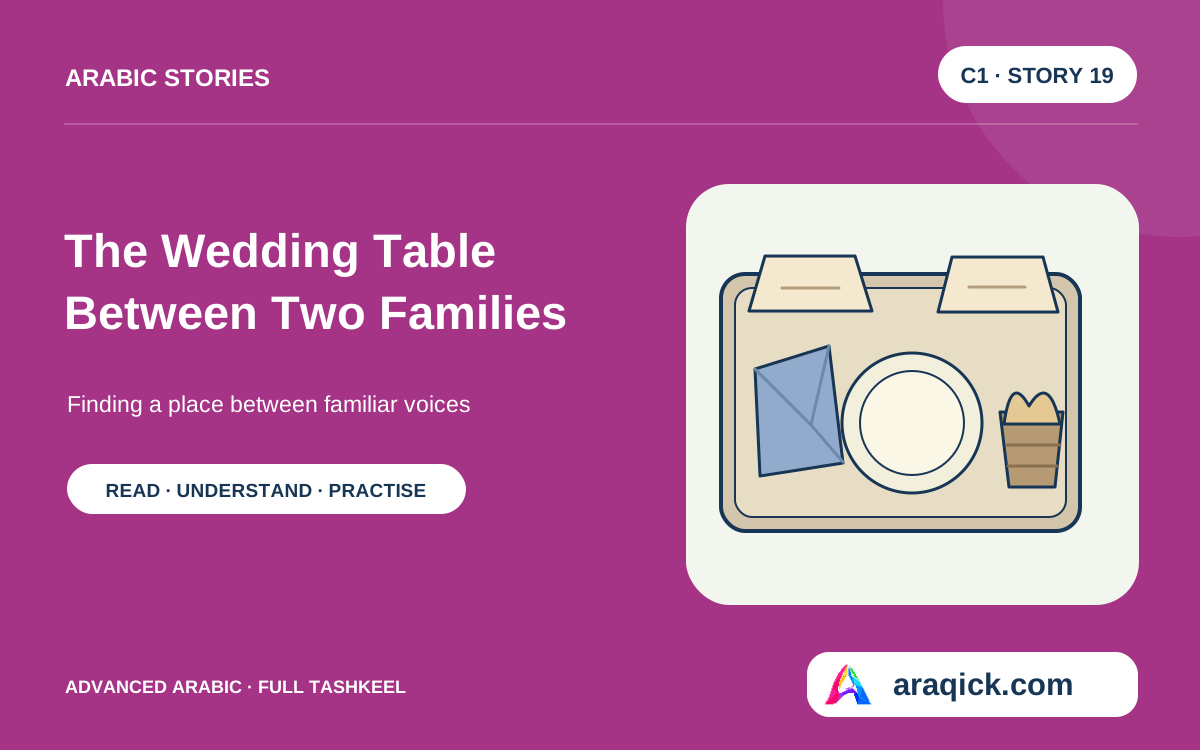
Salma knows both families at a wedding. Her carefully chosen seat brings requests to explain everyone else, while her own answer goes unfinished.
01Read the Arabic story
مَائِدَةُ الزِّفَافِ بَيْنَ عَائِلَتَيْنِ
وُضِعَتْ بِطَاقَةُ سَلْمَى بَيْنَ اسْمَيْنِ لَمْ يَلْتَقِ صَاحِبَاهُمَا قَبْلَ ذَلِكَ الْمَسَاءِ. كَانَتْ بِنْتَ عَمِّ الْعَرُوسِ وَزَمِيلَةَ الْعَرِيسِ السَّابِقَةَ، وَلِذَلِكَ بَدَا مَقْعَدُهَا فِي وَسَطِ مَائِدَةِ الزِّفَافِ اخْتِيَارًا مُوَفَّقًا. قَالَتْ لَهَا الْعَرُوسُ ضَاحِكَةً: أَنْتِ تَفْهَمِينَ الْجَمِيعَ. سَرَّهَا الْمَدْحُ، وَلَمْ تَتَنَبَّهْ إِلَى أَنَّهُ قَدْ يَتَحَوَّلُ إِلَى مُهِمَّةٍ لَمْ تَخْتَرْهَا.
طَلَبَ عَمُّهَا أَنْ تُخْبِرَ أُمَّ الْعَرِيسِ بِأَنَّ الْخُبْزَ بَعِيدٌ عَنْهُ، مَعَ أَنَّهَا كَانَتْ تَجْلِسُ قُبَالَتَهُ. نَقَلَتْ سَلْمَى الطَّلَبَ، ثُمَّ شَرَحَتْ مَزْحَةً قَالَهَا أَخُو الْعَرِيسِ. وَحِينَ سَكَتَ عَمُّهَا، أَضَافَتْ أَنَّهُ لَا يَقْصِدُ الْجَفَاءَ. نَظَرَ إِلَيْهَا مُسْتَغْرِبًا؛ فَقَدْ كَانَ يُحَاوِلُ سَمَاعَ مَا يَقُولُهُ شَخْصٌ فِي طَرَفِ الْمَائِدَةِ، وَلَمْ يَطْلُبْ تَفْسِيرًا لِصَمْتِهِ.
سَأَلَتْهَا أُمُّ الْعَرِيسِ عَنْ عَمَلِهَا الْجَدِيدِ. بَدَأَتْ سَلْمَى تُجِيبُ، لَكِنَّ عَمَّهَا قَاطَعَهَا لِيَسْأَلَ عَنْ مَوْعِدِ تَقْطِيعِ الْكَعْكَةِ. كَانَ طَبَقُهَا فَارِغًا، وَالْمِنْدِيلُ الْأَزْرَقُ مَا زَالَ مَطْوِيًّا. لَمْ تُغْضِبْهَا الْمُقَاطَعَةُ وَحْدَهَا؛ آذَاهَا أَنَّ الْجُمْلَةَ الْوَحِيدَةَ الَّتِي تَخُصُّهَا بَقِيَتْ مُعَلَّقَةً، بَيْنَمَا تَنَقَّلَ كَلَامُ الْآخَرِينَ بِسُهُولَةٍ عَبْرَهَا. وَقَدْ سَاعَدَتْهُمْ هِيَ عَلَى ذَلِكَ.
عِنْدَمَا طَلَبَ عَمُّهَا الْخُبْزَ مَرَّةً أُخْرَى، لَمْ تَنْقُلِ الرِّسَالَةَ. قَالَتْ بِهُدُوءٍ: اسْأَلْهَا، فَإِنَّهَا تَسْمَعُكَ. تَرَدَّدَ، ثُمَّ سَأَلَ أُمَّ الْعَرِيسِ مُبَاشَرَةً، فَمَدَّتْ إِلَيْهِ السَّلَّةَ. لَمْ يَبْدَأْ بَيْنَهُمَا حَدِيثٌ طَوِيلٌ، وَلَمْ تَشْعُرْ سَلْمَى بِانْتِصَارٍ؛ خَشِيَتْ أَنْ يَكُونَ قَدْ سَمِعَ فِي نَبْرَتِهَا ضِيقًا أَكْبَرَ مِمَّا قَصَدَتْ. وَضَعَتْ لَهُ قِطْعَةً فِي طَبَقِهِ، ثُمَّ مَلَأَتْ طَبَقَهَا.
قَرَّبَتْ بِطَاقَةَ اسْمِهَا مِنْ طَبَقِهَا، وَعَادَتْ إِلَى سُؤَالِ الْعَمَلِ. قَالَتْ إِنَّ الْبِدَايَةَ لَمْ تَكُنْ سَهْلَةً. أَصْغَتْ أُمُّ الْعَرِيسِ، أَمَّا عَمُّهَا فَظَلَّ يَرْقُبُ الْبَابَ. حِينَ وَصَلَتِ الْكَعْكَةُ، مَدَّ إِلَيْهَا أَوَّلَ طَبَقٍ مِنْ غَيْرِ تَعْلِيقٍ. شَكَرَتْهُ، وَلَمْ تَجْعَلْ مِنَ الطَّبَقِ إِجَابَةً عَنْ كُلِّ مَا مَرَّ بَيْنَهُمَا؛ كَانَتْ لَا تَزَالُ تُكْمِلُ حَدِيثَهَا.
Show English translationHide English translation
Salma’s place card stood between two names whose owners had never met before that evening. She was the bride’s cousin and the groom’s former colleague, so her seat in the middle of the wedding table seemed well chosen. “You understand everyone,” the bride told her, laughing. The compliment pleased her, and she did not notice that it might become a task she had not chosen.
Her uncle asked her to tell the groom’s mother that the bread was out of his reach, although she was sitting opposite him. Salma relayed the request, then explained a joke made by the groom’s brother. When her uncle fell silent, she added that he did not mean to be unfriendly. He looked at her in surprise: he had been trying to hear someone at the end of the table and had not asked her to explain his silence.
The groom’s mother asked about her new job. Salma began answering, but her uncle interrupted to ask when the cake would be cut. Her plate was empty, and the blue napkin was still folded. The interruption alone did not anger her; what hurt was that the only sentence about herself remained suspended while everyone else’s words travelled easily through her. She had helped them do that.
When her uncle asked for bread again, she did not relay the message. She said quietly, “Ask her; she can hear you.” He hesitated, then asked the groom’s mother directly, and she passed him the basket. No long conversation began between them, and Salma felt no triumph: she feared he might have heard more irritation in her tone than she intended. She put a piece on his plate, then filled her own.
She moved her place card closer to her plate and returned to the question about work. She said the beginning had not been easy. The groom’s mother listened, while her uncle continued watching the door. When the cake arrived, he passed her the first plate without comment. She thanked him without making the plate an answer to everything that had passed between them: she was still finishing her story.
02Useful words from the story
| Arabic in the story | Meaning here |
|---|---|
| بِطَاقَةُ | the card of |
| مُوَفَّقًا | well chosen |
| الْجَفَاءَ | unfriendliness |
| قُبَالَتَهُ | opposite him |
| مَطْوِيًّا | folded |
| مُعَلَّقَةً | left hanging; unfinished |
| تَرَدَّدَ | he hesitated |
| نَبْرَتِهَا | her tone |
| بِانْتِصَارٍ | a sense of triumph |
| يَرْقُبُ | watches |
03Check your understanding
Choose one answer. Distinguish what happens, what a character assumes and what the details support.
What to remember
- Being connected to both families does not give Salma reliable access to everyone’s intentions.
- Resuming her own conversation changes her role without settling every tension at the table.
Explore the Arabic in this story
Related grammar and vocabularyOpen Araqick guides connected to this story.
Lakinna and Lakin in Arabic: Two Patterns for But
لَكِنَّ عَمَّهَا قَاطَعَهَا
Read the contrasting clause introduced by lakinna as the uncle interrupts.
Arabic Relative Pronouns: Joining Ideas with Alladhi and Allati
الْجُمْلَةَ الْوَحِيدَةَ الَّتِي تَخُصُّهَا
Follow allati as it links the feminine noun for sentence to its description.





