

A student prepares his family’s language for a guest, then discovers that his careful explanations may interrupt the conversation she came to have.
01Read the Arabic story
اللُّغَةُ الَّتِي اسْتَخْدَمْنَاهَا مَعَ الضُّيُوفِ
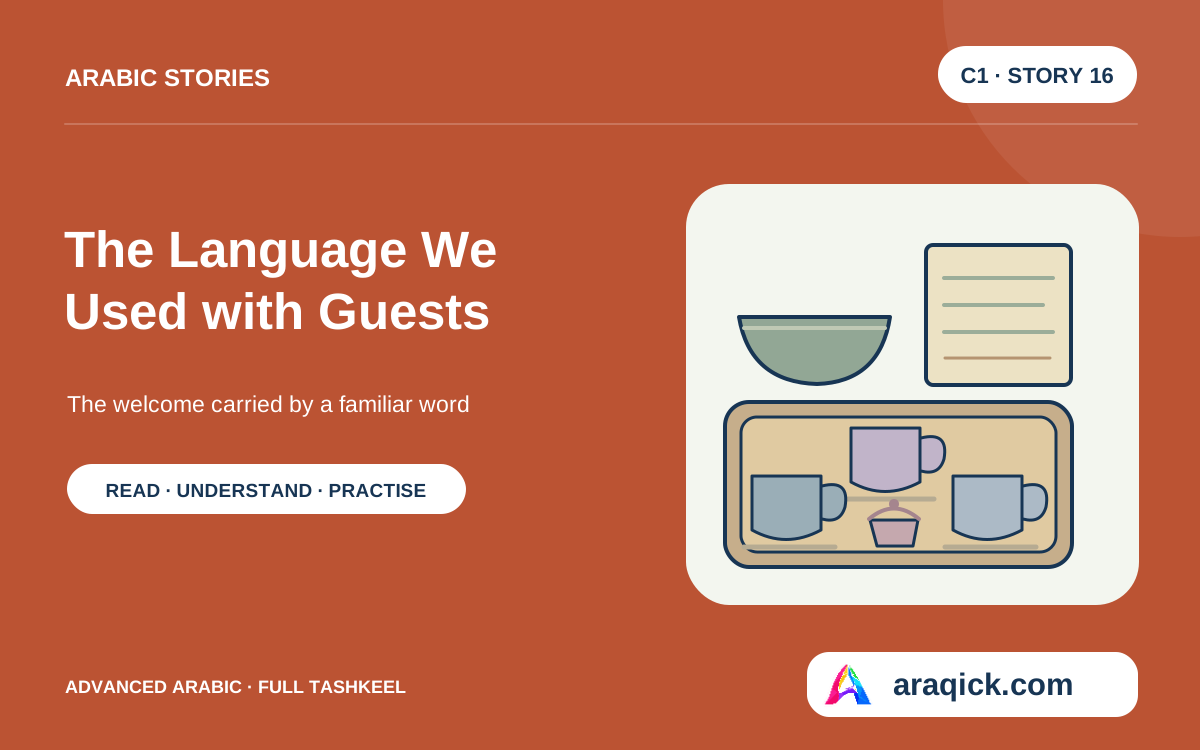
قَبْلَ وُصُولِ الضُّيُوفِ، كَانَ بَيْتُنَا يُرَتِّبُ لُغَتَهُ كَمَا يُرَتِّبُ الْمَقَاعِدَ. تَطُولُ عِبَارَاتُ التَّرْحِيبِ، وَتَخْتَفِي الْأَسْمَاءُ الَّتِي نُطْلِقُهَا عَلَى أَشْيَائِنَا. يَوْمَ زَارَتْنَا رِيمَا، زَمِيلَتِي فِي الْجَامِعَةِ، وَضَعَتْ أُمِّي ثَلَاثَةَ فَنَاجِينَ وَوِعَاءَ السُّكَّرِ عَلَى صِينِيَّةٍ لَامِعَةٍ. رَاجَعْتُ مَعَهَا مَا سَنَقُولُهُ عَنْ دِرَاسَتِي، كَأَنَّنَا نَسْتَعِدُّ لِعَرْضٍ لَا لِزِيَارَةٍ قَصِيرَةٍ فِي بَيْتِنَا.
أَثْنَاءَ الشَّايِ، سَأَلَتْ رِيمَا عَنِ الْخُبْزِ الَّذِي خَبَزَتْهُ أُمِّي. قَالَتْ أُمِّي إِنَّهَا تَتْرُكُ الْعَجِينَ حَتَّى يَسْتَرِيحَ. تَدَخَّلْتُ لِأَشْرَحَ أَنَّهَا تَقْصِدُ اخْتِمَارَهُ، وَأَضَفْتُ وَصْفًا لِدَرَجَةِ الْحَرَارَةِ. أَحْسَسْتُ أَنَّنِي أُقَرِّبُ الْمَعْنَى إِلَى ضَيْفَتِنَا. لَكِنَّ رِيمَا أَعَادَتِ السُّؤَالَ إِلَى أُمِّي: وَكَيْفَ تَعْرِفِينَ أَنَّهُ اسْتَرَاحَ؟ وَضَعَتْ أُمِّي فِنْجَانَهَا وَنَهَضَتْ إِلَى الْمَطْبَخِ.
عَادَتْ بِوِعَاءٍ قَدِيمٍ عَلِقَ بِحَافَتِهِ قَلِيلٌ مِنَ الدَّقِيقِ. وَصَفَتْ مَلْمَسَ الْعَجِينَ وَالْعَلَامَةَ الَّتِي يَتْرُكُهَا الْإِصْبَعُ، ثُمَّ أَقَرَّتْ بِأَنَّهَا أَحْيَانًا تُخْطِئُ فِي تَقْدِيرِ الْوَقْتِ. ضَحِكَتْ رِيمَا وَرَوَتْ تَجْرِبَةً فَاشِلَةً لَهَا. اتَّضَحَ أَنَّهَا تَعْرِفُ كَلِمَةَ الِاخْتِمَارِ، وَلَكِنَّهَا كَانَتْ تَسْأَلُ عَنْ خِبْرَةِ أُمِّي، لَا عَنْ تَعْرِيفٍ. بَقِيتُ مُمْسِكًا بِالْمِلْعَقَةِ دُونَ أَنْ أُحَرِّكَ الشَّايَ.
ظَنَنْتُ أَوَّلًا أَنَّ رِيمَا تُجَامِلُ أُمِّي، ثُمَّ خَجِلْتُ مِنْ حَاجَتِي إِلَى هَذَا التَّفْسِيرِ. أَلَمْ أَكُنْ أُحَوِّلُ كُلَّ مَا يَخْرُجُ عَنْ حَدِيثِنَا الْمُرَتَّبِ إِلَى شَيْءٍ يَحْتَاجُ إِلَى اعْتِذَارٍ؟ وَمَعَ ذَلِكَ، لَمْ تَتَخَلَّ أُمِّي عَنْ عِبَارَاتِهَا الْمُهَذَّبَةِ؛ اسْتَخْدَمَتْهَا وَهِيَ تُقَدِّمُ الْمَزِيدَ مِنَ الشَّايِ، ثُمَّ عَادَتْ إِلَى الْعَجِينَ. لَمْ تَرَ فِي الِانْتِقَالِ بَيْنَ النَّبْرَتَيْنِ مَا يَسْتَوْجِبُ شَرْحًا.
أَخْرَجَتْ رِيمَا بِطَاقَةً لِتَكْتُبَ الْوَصْفَةَ، وَسَأَلَتْ عَنْ مِقْدَارِ الْمَاءِ. بَدَأْتُ أُجِيبُ، فَنَظَرَتْ إِلَى أُمِّي، وَانْتَظَرْتُ أَنَا أَيْضًا. لَمْ تُعْطِهَا أُمِّي رَقْمًا دَقِيقًا؛ طَلَبَتْ مِنْهَا أَنْ تَزُورَنَا حِينَ نَعْجِنُ فِي الْمَرَّةِ الْقَادِمَةِ. كَتَبَتْ رِيمَا الْمَقَادِيرَ، وَتَرَكَتْ مَكَانَ الْمَاءِ فَارِغًا. وَضَعَتِ الْبِطَاقَةَ بَيْنَ الْوِعَاءِ الْقَدِيمِ وَالصِّينِيَّةِ اللَّامِعَةِ رَيْثَمَا تَجْمَعُ أَغْرَاضَهَا.
Show English translationHide English translation
Before guests arrived, our home would arrange its language as carefully as its chairs. Greetings grew longer, and the names we gave our belongings disappeared. On the day Rima, my university classmate, visited, my mother set three cups and the sugar bowl on a gleaming tray. I rehearsed with her what we would say about my studies, as though we were preparing a presentation rather than a brief visit to our home.
Over tea, Rima asked about the bread my mother had baked. My mother said she left the dough until it rested. I intervened to explain that she meant letting it ferment, and added a description of the temperature. I felt I was making the meaning more accessible to our guest. But Rima directed the question back to my mother: “And how do you know it has rested?” My mother put down her cup and went to the kitchen.
She returned with an old bowl with a little flour clinging to its rim. She described the feel of the dough and the mark a finger left, then admitted that she sometimes misjudged the timing. Rima laughed and recounted an unsuccessful attempt of her own. It became clear that she knew the word for fermentation, but had been asking about my mother’s experience, not a definition. I remained holding the spoon without stirring my tea.
At first I thought Rima was being polite to my mother, then felt ashamed of needing that explanation. Had I not been turning everything outside our carefully arranged conversation into something requiring an apology? Yet my mother did not abandon her courteous expressions: she used them while offering more tea, then returned to the dough. She saw nothing in the shift between the two tones that needed explaining.
Rima took out a card to write the recipe and asked about the amount of water. I began to answer, so she looked at my mother, and I too waited. My mother did not give her a precise number; she asked her to visit when we next made dough. Rima wrote down the ingredients and left the space for water blank. She placed the card between the old bowl and the gleaming tray while gathering her belongings.
02Useful words from the story
| Arabic in the story | Meaning here |
|---|---|
| تَطُولُ | grow longer |
| لَامِعَةٍ | gleaming |
| رَاجَعْتُ | I rehearsed; went over |
| اخْتِمَارَهُ | its fermentation |
| مَلْمَسَ | the feel of |
| تَقْدِيرِ | estimating |
| تُجَامِلُ | is being polite to |
| يَسْتَوْجِبُ | requires |
| الْمَقَادِيرَ | the ingredient amounts |
| رَيْثَمَا | while; until |
03Check your understanding
Choose one answer per question. Follow the details, shifts in perspective and limits of what the characters know. Open the English support when needed.
What to remember
- The guest seeks practical experience; the narrator initially substitutes a definition for the voice she wants to hear.
- The mother uses courteous language and familiar descriptions together, without treating either as her only legitimate voice.
Explore the Arabic in this story
Related grammar and vocabularyOpen Araqick guides connected to this story.
Arabic Relative Pronouns: Joining Ideas with Alladhi and Allati
الْخُبْزِ الَّذِي خَبَزَتْهُ أُمِّي
Connect the definite masculine noun for bread to the clause identifying who baked it.
Arabic Past-Tense Endings: I Wrote, You Wrote and We Wrote
كَتَبَتْ رِيمَا الْمَقَادِيرَ
Use katabat to identify Rima as the female subject who wrote the ingredient amounts.





