

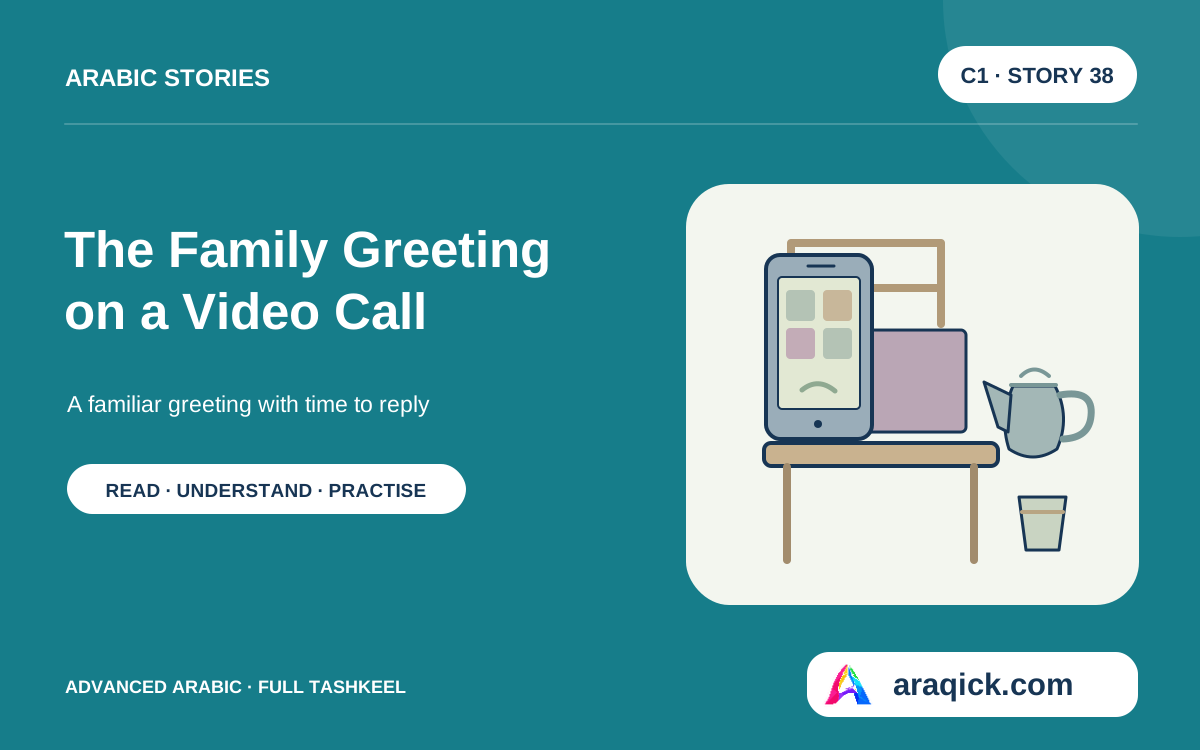
A family prepares its familiar greeting for a video call. A frozen smile and a kitchen question reveal what the group image leaves out.
01Read the Arabic story
التَّحِيَّةُ الْعَائِلِيَّةُ فِي مُكَالَمَةِ فِيدْيُو
أَسْنَدَ أَبِي الْهَاتِفَ إِلَى كِتَابٍ فَوْقَ الْكُرْسِيِّ، وَطَلَبَ مِنَّا أَنْ نَقْتَرِبَ لِنُحَيِّيَ عَمِّي خَالِدًا. كَانَتْ أَوَّلَ مُكَالَمَةٍ بَعْدَ انْتِقَالِهِ إِلَى بَيْتٍ فِي بَلَدٍ آخَرَ. أَرَادَ أَبِي أَنْ يَسْمَعَ التَّحِيَّةَ الَّتِي نَقُولُهَا حِينَ يَدْخُلُ بَيْتَنَا. وَقَفْنَا فِي صَفٍّ، وَكَانَتْ جَدَّتِي فِي آخِرِهِ. لَمْ تَكُنِ الشَّاشَةُ تَتَّسِعُ لَنَا، فَحَرَّكْنَا الْكُرْسِيَّ إِلَى الْخَلْفِ.
قَالَ أَبِي: بَيْتُكَ يَنْتَظِرُكَ. وَبَدَأْنَا نُكَرِّرُ التَّحِيَّةَ، فَاخْتَلَطَتِ الْأَصْوَاتُ. كَانَ عَمِّي يَبْتَسِمُ، ثُمَّ ثَبَتَتْ صُورَتُهُ. ظَنَّ أَبِي أَنَّهُ يَنْتَظِرُ جَدَّتِي، فَطَلَبَ مِنَّا الصَّمْتَ. وَحِينَ عَادَ الصَّوْتُ، قَالَ عَمِّي إِنَّهُ لَمْ يَسْمَعِ الْجُمْلَةَ الْأُولَى. لَمْ يَكُنْ سُكُونُ وَجْهِهِ جَوَابًا عَنْ تَحِيَّتِنَا، وَلَكِنَّنَا كُنَّا قَدْ أَعْطَيْنَاهُ مَعْنًى قَبْلَ أَنْ يَتَكَلَّمَ.
حَمَلْتُ الْهَاتِفَ وَجَلَسْتُ بِجَانِبِ جَدَّتِي. سَأَلَتْهُ إِنْ كَانَ قَدْ وَجَدَ مَكَانًا لِلْإِبْرِيقِ فِي مَطْبَخِهِ. أَرَاهَا رَفًّا ضَيِّقًا، فَقَالَتْ إِنَّهُ يَحْتَاجُ إِلَى تَغْيِيرِ التَّرْتِيبِ. ضَحِكَ أَبِي، وَطَلَبَ أَنْ نَعُودَ إِلَى الصُّورَةِ الْجَمَاعِيَّةِ. لَكِنَّ عَمِّي سَأَلَ جَدَّتِي عَنْ مَوْضِعِ الْكُؤُوسِ. لَمْ يَكُنِ الْحَدِيثُ عَنِ الْمَطْبَخِ تَحِيَّةً مَحْفُوظَةً، وَلَكِنَّهُ أَعْطَاهَا وَقْتًا لِتُجِيبَ بِصَوْتِهَا.
تَنَاقَلْنَا الْهَاتِفَ بَدَلًا مِنَ الْوُقُوفِ أَمَامَهُ مَعًا. احْتَاجَتِ الْمُكَالَمَةُ إِلَى وَقْتٍ أَطْوَلَ، وَتَأَخَّرَتْ أُمِّي عَنْ إِعْدَادِ الشَّايِ. لَمْ يَخْتَفِ التَّقَطُّعُ، وَاضْطُرَّ أَبِي إِلَى إِعَادَةِ جُمْلَتِهِ. لَمْ نُلْغِهَا لِأَنَّهَا لَا تُنَاسِبُ الْهَاتِفَ؛ قَالَهَا هَذِهِ الْمَرَّةَ وَانْتَظَرَ. أَجَابَ عَمِّي أَنَّهُ يَفْتَقِدُ مَكَانَهُ عِنْدَنَا، ثُمَّ سَأَلَ أَبِي عَنِ الْكُرْسِيِّ الَّذِي كَانَ يَجْلِسُ عَلَيْهِ قُرْبَ النَّافِذَةِ.
قَبْلَ أَنْ نُغْلِقَ، طَلَبَ أَبِي صُورَةً لِلْجَمِيعِ، فَاقْتَرَبْنَا مَرَّةً أُخْرَى. كَانَ وَجْهُ جَدَّتِي خَارِجَ الْإِطَارِ، فَأَعَدْنَا الْمُحَاوَلَةَ. لَنْ نَحْذِفَ الصُّورَةَ، وَلَكِنَّهَا لَنْ تَحْفَظَ كُلَّ مَا قِيلَ. بَعْدَ الْمُكَالَمَةِ، وَضَعَ أَبِي الْكُرْسِيَّ قُرْبَ النَّافِذَةِ، وَسَأَلَ جَدَّتِي عَنِ الْإِبْرِيقِ. قَالَتْ إِنَّهَا لَا تَعْرِفُ مَكَانَهُ بَعْدُ؛ فَالْمَطْبَخُ الْجَدِيدُ لَمْ يَدْخُلْ كُلُّهُ فِي الصُّورَةِ.
Show English translationHide English translation
My father propped the phone against a book on the chair and asked us to come closer to greet my uncle Khalid. It was the first call since he moved to a house in another country. My father wanted him to hear the greeting we said when he entered our home. We stood in a line with my grandmother at the end. The screen could not fit us all, so we moved the chair back.
My father said, “Your home is waiting for you.” We began repeating the greeting and our voices overlapped. My uncle was smiling, then his image froze. My father thought he was waiting for my grandmother and asked us to be quiet. When the sound returned, my uncle said he had not heard the first sentence. His still face had not been an answer to our greeting, but we had given it a meaning before he spoke.
I picked up the phone and sat beside my grandmother. She asked whether he had found a place for the teapot in his kitchen. He showed her a narrow shelf, and she said he needed to change the arrangement. My father laughed and asked us to return to the group picture. But my uncle asked her about the position of the glasses. The kitchen conversation was not a rehearsed greeting, yet it gave her time to answer in her own voice.
We passed the phone around instead of standing in front of it together. The call needed longer, and my mother was late preparing tea. The interruptions did not disappear, and my father had to repeat his sentence. We did not discard it because it did not suit a phone: this time he said it and waited. My uncle answered that he missed his place with us, then asked about the chair he used to sit on by the window.
Before hanging up, my father asked for a picture of everyone, and we gathered again. My grandmother’s face was outside the frame, so we tried again. We would not delete the picture, but it would not preserve everything said. After the call my father put the chair by the window and asked my grandmother about the teapot. She said she did not yet know where it was: the new kitchen had not all fitted into the picture.
02Useful words from the story
| Arabic in the story | Meaning here |
|---|---|
| أَسْنَدَ | propped; supported |
| لِنُحَيِّيَ | to greet |
| التَّحِيَّةَ | the greeting |
| فَاخْتَلَطَتِ | so they overlapped |
| سُكُونُ | the stillness of |
| تَنَاقَلْنَا | we passed around |
| التَّقَطُّعُ | the interruptions |
| يَفْتَقِدُ | misses |
| الْإِطَارِ | the frame |
| نُغْلِقَ | hang up; close |
03Check your understanding
Choose one answer per question. Follow the changing perspectives and distinguish what the text shows from what its characters assume.
What to remember
- A frozen expression supplies too little evidence to establish a response.
- The familiar greeting survives when speakers leave space for an individual answer.
Explore the Arabic in this story
Related grammar and vocabularyOpen Araqick guides connected to this story.
Arabic Prepositions with Pronouns: To Me, On Me and With Us
الْكُرْسِيِّ الَّذِي كَانَ يَجْلِسُ عَلَيْهِ
Follow alayhi back to the chair on which Khalid used to sit.
Lan in Arabic: How to Say “Will Not”
لَنْ نَحْذِفَ الصُّورَةَ
Use lan with the subjunctive to express the narrator’s intended future decision about the picture.





