Screenwriter Salim, literature teacher Hala and reader Marwan debate a film version of an old novel. The Courtyard Key, its plot and all quoted passages are invented for this fictional conversation; no real book or author is being discussed.
01Read the Arabic conversation
مُنَاقَشَةُ اقْتِبَاسٍ حَدِيثٍ لِرِوَايَةٍ قَدِيمَةٍ
سَلِيمٌ: فِي اقْتِبَاسِي لِرِوَايَةِ «مِفْتَاحُ السَّاحَةِ»، نَقَلْتُ الْأَحْدَاثَ إِلَى زَمَنِنَا، وَجَعَلْتُ مُنَى، ابْنَةَ الْحَارِسِ، بَطَلَةَ الْفِيلْمِ. أُرِيدُ أَنْ أَسْمَعَ رَأْيَيْكُمَا قَبْلَ إِرْسَالِ السِّينَارْيُو إِلَى الْمُنْتِجِ.
هَالَةُ: بِوَصْفِي مُدَرِّسَةَ أَدَبٍ، لَا أَعْتَرِضُ عَلَى تَغْيِيرِ الزَّمَنِ نَفْسِهِ. لَكِنَّ الْمُسَوَّدَةَ تُحَوِّلُ التَّاجِرَ إِلَى الْمَسْؤُولِ الْوَحِيدِ عَنْ إِغْلَاقِ السَّاحَةِ، وَتُخَفِّفُ مَسْؤُولِيَّةَ الْحَارِسِ يُوسُفَ.
مَرْوَانُ: قَرَأْتُ الرِّوَايَةَ الْقَدِيمَةَ مَرَّتَيْنِ، وَمَا زِلْتُ أَخْتَلِفُ مَعَ نِهَايَتِهَا. قَبِلَ يُوسُفُ مَالَ التَّاجِرِ لِيُغْلِقَ السَّاحَةَ وَيُحَوِّلَهَا إِلَى مَخْزَنٍ، ثُمَّ ادَّعَى أَنَّهَا تُغْلَقُ لِلتَّرْمِيمِ.
سَلِيمٌ: أَبْقَيْتُ الْمَالَ وَالْكَذِبَ فِي الْفِيلْمِ، لَكِنَّنِي أَضَفْتُ تَهْدِيدًا بِفَصْلِ يُوسُفَ مِنْ عَمَلِهِ. إِنْ لَمْ يَكُنْ تَحْتَ ضَغْطٍ، فَأَخْشَى أَنْ يَرْفُضَهُ الْمُشَاهِدُ قَبْلَ فَهْمِهِ.
هَالَةُ: فِي الرِّوَايَةِ يَقُولُ لِابْنِهِ فِي رِسَالَةٍ: «أَغْلَقْتُ الْبَابَ كَيْلَا يَدْخُلَ الْغُبَارُ، وَتَرَكْتُ الْخَوْفَ يَدْخُلُ بَيْتِي». الْعِبَارَةُ تُظْهِرُ تَبْرِيرَهُ، وَلَا تَمْنَحُهُ عُذْرًا يَمْحُو اخْتِيَارَهُ.
مَرْوَانُ: وَنَحْنُ نَعْرِفُ كَذِبَهُ مِنْ دَفْتَرِهِ الَّذِي تَجِدُهُ مُنَى: الْمَالُ مَكْتُوبٌ، وَالتَّرْمِيمُ لَا ذِكْرَ لَهُ. أُحِبُّ أَنْ يَتْرُكَ الْفِيلْمُ لَنَا فُرْصَةَ مُقَارَنَةِ رِوَايَتِهِ بِأَثَرِهَا.
سَلِيمٌ: لِهَذَا أَسْنَدْتُ الْحِكَايَةَ إِلَى مُنَى؛ فِي السِّينَارْيُو تَجِدُ الدَّفْتَرَ وَتُصَوِّرُهُ بِهَاتِفِهَا. بَدَلًا مِنْ قِرَاءَةِ رِسَالَةٍ طَوِيلَةٍ، نَرَى تَرَدُّدَهَا قَبْلَ إِرْسَالِ الصُّوَرِ إِلَى أَهْلِ الْحَيِّ.
هَالَةُ: هَذَا اخْتِيَارٌ يُمْكِنُ الدِّفَاعُ عَنْهُ، لِأَنَّ تَرَدُّدَهَا يَكْشِفُ صِرَاعًا بَيْنَ الْوَلَاءِ وَالْمُسَاءَلَةِ. أَمَّا تَحْوِيلُ رِسَالَةِ يُوسُفَ إِلَى اعْتِرَافٍ مُصَوَّرٍ لِلْجُمْهُورِ فَيُغَيِّرُ مُخَاطَبَهُ وَغَرَضَهُ مَعًا.
مَرْوَانُ: صَحِيحٌ؛ فِي الرِّسَالَةِ يَطْلُبُ ضِمْنًا أَلَّا يَخْجَلَ ابْنُهُ مِنْهُ. أَمَّا أَمَامَ الْكَامِيرَا فَقَدْ يَبْدُو كَأَنَّهُ يَسْعَى إِلَى اسْتِعَادَةِ سُمْعَتِهِ، حَتَّى لَوْ قَالَ الْكَلِمَاتِ نَفْسَهَا.
سَلِيمٌ: لَمْ أَنْتَبِهْ إِلَى هَذَا الْفَرْقِ بِهَذِهِ الدِّقَّةِ. يُمْكِنُ أَنْ تَبْقَى الرِّسَالَةُ خَاصَّةً، وَأَنْ يَظْهَرَ صَوْتُهُ وَهُوَ يَكْتُبُهَا، بَيْنَمَا تُرِينَا الصُّورَةُ السَّاحَةَ الَّتِي فَقَدَهَا الْجِيرَانُ.
هَالَةُ: وَلْتَظْهَرْ سَلْمَى أَيْضًا؛ فَهِيَ النَّجَّارَةُ الَّتِي كَانَتْ تَعْمَلُ فِي السَّاحَةِ. فِي مُسَوَّدَتِكَ تَقُولُ جُمْلَةً وَاحِدَةً، ثُمَّ تَخْتَفِي، فَتَصِيرُ خَسَارَتُهَا مُجَرَّدَ خَلْفِيَّةٍ لِشُعُورِ يُوسُفَ بِالذَّنْبِ.
مَرْوَانُ: لَا أُرِيدُ خُطْبَةً تُلَخِّصُ مَعَانَاتَهَا. يَكْفِي مَشْهَدٌ تَحْمِلُ فِيهِ مِنْضَدَتَهَا إِلَى بَيْتٍ لَا يَتَّسِعُ لَهَا، ثُمَّ تَرْفُضُ مُسَاعَدَةَ يُوسُفَ؛ عِنْدَهَا نَفْهَمُ مَا لَا تُصْلِحُهُ كَلِمَةُ اعْتِذَارٍ.
سَلِيمٌ: هَذَا مَشْهَدٌ جَيِّدٌ، وَإِنْ لَمْ يَرِدْ فِي الرِّوَايَةِ. إِذَنْ أَنْتُمَا تَقْبَلَانِ إِضَافَةَ أَحْدَاثٍ جَدِيدَةٍ، وَلَا تَطْلُبَانِ مِنِّي أَنْ أُحَوِّلَ كُلَّ صَفْحَةٍ إِلَى مَشْهَدٍ مُطَابِقٍ.
هَالَةُ: نَعَمْ، فَالْوَفَاءُ لِلرِّوَايَةِ لَيْسَ جَرْدًا لِأَثَاثِهَا. أَسْأَلُ عَمَّا تَفْعَلُهُ الْإِضَافَةُ بِالْعَلَاقَاتِ وَالْمَسْؤُولِيَّةِ. مَشْهَدُ الْمِنْضَدَةِ يُوَسِّعُ أَثَرَ الْقَرَارِ، بَيْنَمَا التَّهْدِيدُ بِالْفَصْلِ قَدْ يَحْصُرُهُ فِي الْإِكْرَاهِ.
مَرْوَانُ: مَعَ ذَلِكَ، أَفْتَقِدُ نِهَايَةً يَعُودُ فِيهَا الْمَكَانُ إِلَى أَهْلِهِ. آخِرُ صَفْحَةٍ تَقُولُ: «وَضَعَتْ مُنَى الْمِفْتَاحَ عَلَى الطَّاوِلَةِ، وَلَمْ يَمُدَّ أَحَدٌ يَدَهُ إِلَيْهِ». هَلْ يَكْفِي هَذَا بَعْدَ كُلِّ الْخَسَارَةِ؟
سَلِيمٌ: لِذَلِكَ جَعَلْتُ مُنَى تَفْتَحُ السَّاحَةَ فِي النِّهَايَةِ، وَالْجِيرَانَ يُصَفِّقُونَ لَهَا. أَخْشَى أَنْ يَقْرَأَ الْمُشَاهِدُ بَقَاءَ الْمِفْتَاحِ عَلَى الطَّاوِلَةِ بِوَصْفِهِ عَجْزًا، لَا دَعْوَةً إِلَى التَّفْكِيرِ.
هَالَةُ: الْغُمُوضُ هُنَا لَيْسَ فِي مَنْ أَغْلَقَ الْبَابَ، بَلْ فِي مَنْ سَيَتَحَمَّلُ تَبِعَةَ فَتْحِهِ. التَّصْفِيقُ يَجْمَعُ الْجِيرَانَ عَلَى رَأْيٍ وَاحِدٍ، مَعَ أَنَّ بَعْضَهُمْ قَبِلَ تَخْزِينَ بَضَائِعِهِ هُنَاكَ.
مَرْوَانُ: نَسِيتُ هَؤُلَاءِ حِينَ طَالَبْتُ بِنِهَايَةٍ مُرِيحَةٍ. لَكِنَّ إِبْقَاءَ الْمِفْتَاحِ لَا يَضْمَنُ الْعُمْقَ أَيْضًا؛ إِذَا حَذَفْنَا مُشَارَكَةَ الْجِيرَانِ فِي الْمَنْفَعَةِ، فَسَيَصِيرُ الصَّمْتُ لُغْزًا بِغَيْرِ مُقَدِّمَاتٍ.
سَلِيمٌ: سَأُظْهِرُ صُنْدُوقًا يَحْمِلُ اسْمَ أَحَدِ الْمُعْتَرِضِينَ دَاخِلَ الْمَخْزَنِ، وَأَتْرُكُ مُنَى تَسْأَلُهُ عَنْهُ. لَنْ أَجْعَلَ كُلَّ مَنْ تَضَرَّرَ بَرِيئًا مِنْ كُلِّ تَنَاقُضٍ، وَلَنْ أُسَاوِيَ بَيْنَ أَدْوَارِهِمْ.
هَالَةُ: وَأَقْتَرِحُ أَنْ تَحْذِفَ تَهْدِيدَ الْفَصْلِ؛ فَحَاجَةُ يُوسُفَ إِلَى الْمَالِ وَرَغْبَتُهُ فِي رِضَا التَّاجِرِ كَافِيَتَانِ لِفَهْمِ تَرَدُّدِهِ. الْفَهْمُ يُتِيحُ لَنَا مُحَاسَبَتَهُ بِدِقَّةٍ أَكْبَرَ، لَا إِعْفَاءَهُ.
مَرْوَانُ: أَمَّا مُنَى فَلَا تُحَمِّلْهَا مَسْؤُولِيَّةَ إِصْلَاحِ الْحَيِّ وَحْدَهَا. أُرِيدُ أَنْ أَرَى لَهَا رَغْبَةً شَخْصِيَّةً أَيْضًا: هِيَ تُرِيدُ مُغَادَرَةَ الْبَيْتِ لِلدِّرَاسَةِ، وَتَخْشَى أَنْ يَبْدُوَ رَحِيلُهَا هُرُوبًا.
سَلِيمٌ: سَأُبْقِي سَفَرَهَا الْمُقَرَّرَ فِي الْمَشْهَدِ الْأَخِيرِ، وَسَتَضَعُ الْمِفْتَاحَ أَمَامَ أَبِيهَا قَبْلَ الْخُرُوجِ. لَكِنَّنِي سَأُضِيفُ فِعْلًا صَغِيرًا: يَكْتُبُ يُوسُفُ حَقِيقَةَ الِاتِّفَاقِ وَيُوَقِّعُهَا بِاسْمِهِ.
هَالَةُ: هَذَا يَنْقُلُهُ مِنَ التَّبْرِيرِ الْخَاصِّ إِلَى تَحَمُّلِ مَسْؤُولِيَّةٍ يَسْتَطِيعُ الْآخَرُونَ مُطَالَبَتَهُ بِهَا. لَكِنَّ التَّوْقِيعَ لَيْسَ اسْتِعَادَةً لِلسَّاحَةِ، فَلَا تَجْعَلِ الْمُوسِيقَى تُعْلِنُ انْتِصَارًا لَمْ يَحْدُثْ بَعْدُ.
مَرْوَانُ: مَا زِلْتُ أُفَضِّلُ أَنْ يَعُودَ الْمَكَانُ، وَلَكِنَّنِي أَفْهَمُ الْآنَ مَا سَأَخْسَرُهُ مِنْ هَذَا الِاخْتِيَارِ. سَأُشَاهِدُ النِّهَايَةَ الْمُقْتَرَحَةَ بِفُضُولٍ، لَا بِوَعْدٍ مُسْبَقٍ بِأَنَّنِي سَأُحِبُّهَا.
سَلِيمٌ: إِذَنْ سَأَحْتَفِظُ بِالزَّمَنِ الْحَدِيثِ وَوِجْهَةِ نَظَرِ مُنَى، وَأَحْذِفُ التَّهْدِيدَ وَالتَّصْفِيقَ. هَلْ تَكْتُبِينَ لِلْكُتَيِّبِ عِبَارَةَ «اقْتِبَاسٌ أَمِينٌ»؟ قَدْ تُطَمْئِنُ قُرَّاءً يَخْشَوْنَ تَغْيِيرَ عَمَلِهِمُ الْمُفَضَّلِ.
هَالَةُ: سَأَكْتُبُ مُقَدِّمَةً تَشْرَحُ الِاخْتِيَارَاتِ، لَا خَتْمَ مُوَافَقَةٍ. عِبَارَةُ «قِرَاءَةٌ سِينَمَائِيَّةٌ جَدِيدَةٌ» أَدَقُّ، وَيُمْكِنُ لِلْكُتَيِّبِ عَرْضُ نِهَايَةِ الرِّوَايَةِ بِجَانِبِ تَفْسِيرِكَ لِيَحْكُمَ الْقَارِئُ بِنَفْسِهِ عَلَى الْفَرْقِ.
مَرْوَانُ: وَأَنَا سَأَحْضُرُ الْعَرْضَ وَمَعِي نُسْخَتِي الْقَدِيمَةُ. لَيْسَ لِأَعُدَّ مَا حُذِفَ مِنْهَا، بَلْ لِأَسْأَلَ بَعْدَ الْفِيلْمِ: هَلْ جَعَلَتْنِي تَغْيِيرَاتُكَ أَقْرَأُ صَمْتَ الْأَبِ وَرَحِيلَ ابْنَتِهِ بِطَرِيقَةٍ أُخْرَى؟
Show English translationHide English translation
Salim: In my adaptation of The Courtyard Key, I have moved the events to our own time and made Muna, the caretaker’s daughter, the film’s protagonist. I want both your opinions before sending the screenplay to the producer.
Hala: As a literature teacher, I do not object to changing the period itself. But the draft makes the merchant solely responsible for closing the courtyard and reduces the caretaker Yusuf’s responsibility.
Marwan: I have read the old novel twice, and I still disagree with its ending. Yusuf accepted the merchant’s money to close the courtyard and turn it into a storehouse, then claimed it was being closed for repairs.
Salim: I kept the money and the lie in the film, but added a threat to dismiss Yusuf from his job. If he is not under pressure, I fear the viewer will reject him before understanding him.
Hala: In the novel, he says in a letter to his son: “I closed the door to keep the dust out, and let fear enter my home.” The phrase reveals his self-justification; it does not give him an excuse that erases his choice.
Marwan: And we discover his lie through the ledger Muna finds: the money is recorded, and repairs are not mentioned. I would like the film to let us compare his account with its consequences.
Salim: That is why I gave the story to Muna; in the screenplay she finds the ledger and photographs it with her phone. Instead of reading a long letter, we see her hesitate before sending the pictures to the neighbourhood’s residents.
Hala: That choice can be defended, because her hesitation reveals a conflict between loyalty and accountability. Turning Yusuf’s letter into a filmed public confession, however, changes both its audience and its purpose.
Marwan: Exactly; in the letter, he implicitly asks his son not to be ashamed of him. In front of the camera, though, he may seem to be trying to recover his reputation, even if he says the same words.
Salim: I had not noticed that distinction so precisely. The letter could remain private, with his voice heard as he writes it, while the image shows us the courtyard the neighbours have lost.
Hala: Let Salma appear too; she is the carpenter who used to work in the courtyard. In your draft she says one sentence and then disappears, making her loss merely a backdrop for Yusuf’s guilt.
Marwan: I do not want a speech summarising her suffering. A scene where she carries her workbench to a home too small for it, then refuses Yusuf’s help, would be enough; then we understand what a word of apology cannot repair.
Salim: That is a good scene, even though it does not occur in the novel. So you both accept adding new events, and are not asking me to turn every page into an identical scene.
Hala: Yes; fidelity to a novel is not an inventory of its furniture. I ask what an addition does to relationships and responsibility. The workbench scene broadens the decision’s consequences, whereas the dismissal threat may reduce it to coercion.
Marwan: Even so, I miss an ending in which the place is returned to its people. The last page says: “Muna put the key on the table, and no one reached for it.” Is that enough after all the loss?
Salim: That is why I made Muna open the courtyard at the end, with the neighbours applauding her. I fear the viewer will read the key remaining on the table as helplessness rather than an invitation to think.
Hala: The uncertainty here is not about who closed the door, but about who will take responsibility for opening it. The applause gives the neighbours a single shared position, even though some agreed to store their goods there.
Marwan: I forgot about those people when I asked for a comforting ending. But keeping the key does not guarantee depth either; if we remove the neighbours’ share in the benefit, the silence becomes a puzzle without preparation.
Salim: I will show a crate bearing one objector’s name inside the storehouse, and let Muna ask him about it. I will not make everyone who suffered free of every contradiction, nor will I equate their roles.
Hala: And I suggest removing the dismissal threat; Yusuf’s need for money and desire for the merchant’s approval are enough to understand his hesitation. Understanding lets us hold him accountable more precisely, not exempt him.
Marwan: As for Muna, do not make her alone responsible for repairing the neighbourhood. I want to see a personal desire of hers too: she wants to leave home to study, and fears her departure will look like escape.
Salim: I will keep her planned departure in the final scene, and she will put the key before her father before leaving. But I will add a small action: Yusuf writes down the truth about the agreement and signs his name.
Hala: That moves him from private self-justification to taking responsibility that others can hold him to. But a signature is not the recovery of the courtyard, so do not let the music announce a victory that has not yet happened.
Marwan: I still prefer the place to be returned, but I now understand what I would lose through that choice. I will watch the proposed ending with curiosity, not a prior promise that I will like it.
Salim: Then I will keep the contemporary setting and Muna’s viewpoint, and remove the threat and applause. Would you write “a faithful adaptation” for the booklet? It might reassure readers who fear changes to their favourite work.
Hala: I will write an introduction explaining the choices, not a seal of approval. “A new cinematic reading” is more accurate, and the booklet can present the novel’s ending alongside your interpretation so readers can judge the difference themselves.
Marwan: And I will attend the screening with my old copy. Not to count what has been removed, but to ask after the film: have your changes made me read the father’s silence and his daughter’s departure differently?
02Useful words and expressions
| Arabic in the conversation | Meaning here |
|---|---|
| اقْتِبَاسِي | my adaptation |
| الْمُسَوَّدَةَ | the draft |
| تَبْرِيرَهُ | his self-justification |
| الْوَلَاءِ وَالْمُسَاءَلَةِ | loyalty and accountability |
| اسْتِعَادَةِ سُمْعَتِهِ | recovering his reputation |
| خَلْفِيَّةٍ لِشُعُورِ يُوسُفَ بِالذَّنْبِ | a backdrop for Yusuf’s guilt |
| جَرْدًا لِأَثَاثِهَا | an inventory of its furniture |
| تَبِعَةَ فَتْحِهِ | responsibility for opening it |
| بِغَيْرِ مُقَدِّمَاتٍ | without preparation |
| إِعْفَاءَهُ | exempting him |
| بِوَعْدٍ مُسْبَقٍ | with a prior promise |
| خَتْمَ مُوَافَقَةٍ | a seal of approval |
03Check your understanding
Choose one answer for each question. Look back at the Arabic conversation for evidence. Open the English question support or a hint when you need help.
What to remember
- Judge an adaptation by how its changes redistribute agency and responsibility, not simply by how many events it preserves.
- Compare the audience and purpose of a statement before treating a change of medium as neutral.
- Distinguish openness to an interpretation from endorsement, and a partial acknowledgment from a completed resolution.
Explore the Arabic in this conversation
Related grammar and vocabularyOpen Araqick guides connected to this conversation.
Because in Arabic: Give a Reason with Lianna
لِأَنَّ تَرَدُّدَهَا يَكْشِفُ صِرَاعًا بَيْنَ الْوَلَاءِ وَالْمُسَاءَلَةِ
Use lianna to justify a creative choice with a noun clause.
Amma and Fa in Arabic: As For This Topic
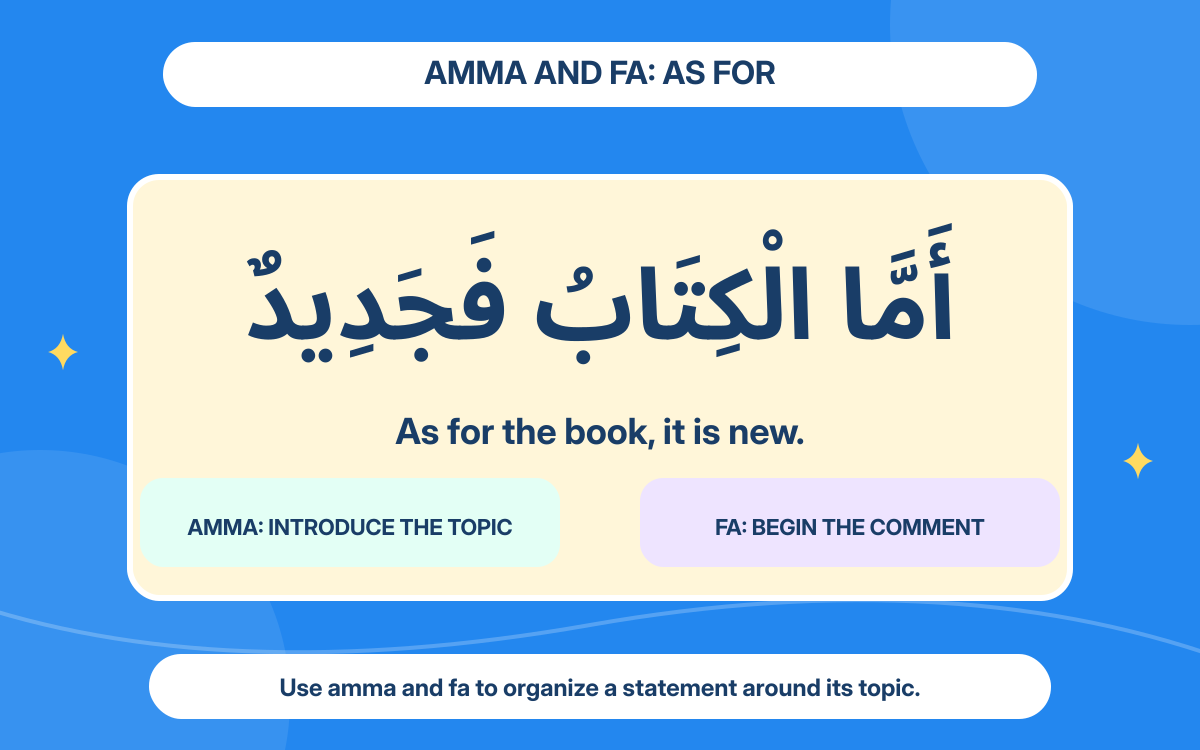
أَمَّا أَمَامَ الْكَامِيرَا فَقَدْ يَبْدُو كَأَنَّهُ يَسْعَى إِلَى اسْتِعَادَةِ سُمْعَتِهِ
Use amma and fa to contrast a public audience with the private recipient of a letter.
Idha in Arabic: How to Say When and If
إِذَا حَذَفْنَا مُشَارَكَةَ الْجِيرَانِ فِي الْمَنْفَعَةِ، فَسَيَصِيرُ الصَّمْتُ لُغْزًا بِغَيْرِ مُقَدِّمَاتٍ
Use idha to connect removing narrative preparation with a possible consequence.