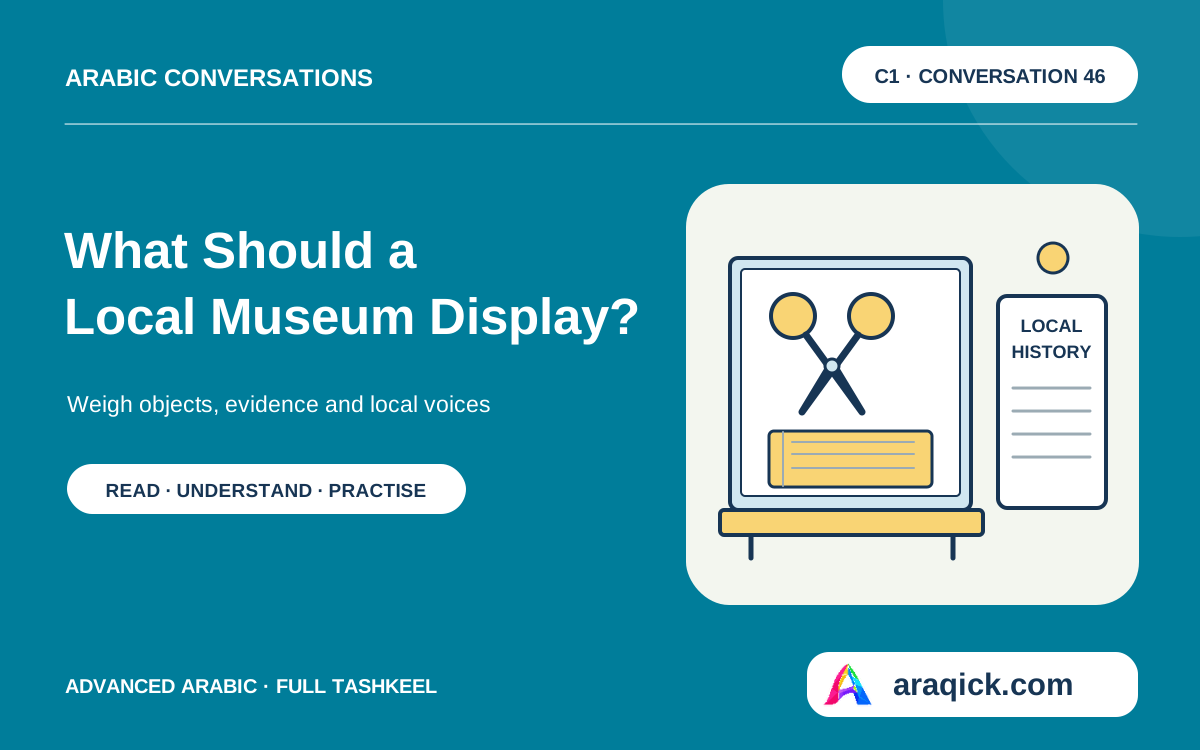
Curator Rania, local historian Adil and resident Kamal choose objects for a small exhibition. All exhibits, memories, documents and provenance details in this conversation are fictional; their discussion asks whose work becomes visible and how much a label can honestly claim.
01Read the Arabic conversation
اخْتِيَارُ مَا يَعْرِضُهُ الْمَتْحَفُ الْمَحَلِّيُّ
رَانِيَةُ: لَدَيْنَا ثَلَاثُ خَزَائِنَ زُجَاجِيَّةٍ فَقَطْ لِمَعْرِضِ «يَوْمٌ فِي حَيِّنَا». بِوَصْفِي أَمِينَةَ الْمَتْحَفِ، اقْتَرَحْتُ السَّاعَةَ الْمُذَهَّبَةَ فِي الْوَسَطِ، وَأَدَوَاتِ الْخِيَاطَةِ وَدَفْتَرَ الْمَخْبَزِ فِي الْجَانِبَيْنِ.
عَادِلٌ: قَبْلَ تَرْتِيبِ الْقِطَعِ، أُرِيدُ مُرَاجَعَةَ بِطَاقَةِ السَّاعَةِ. الْعِبَارَةُ الْمُقْتَرَحَةُ تَقُولُ إِنَّهَا «وَحَّدَتْ مَوَاعِيدَ أَهْلِ الْحَيِّ»، وَلَكِنَّ وَثَائِقَ الْأُسْرَةِ الْمُعِيرَةِ لَا تُثْبِتُ هَذَا الدَّوْرَ الْعَامَّ.
كَمَالٌ: وَأَنَا أَسْأَلُ عَنْ سَبَبِ وَضْعِهَا فِي الْوَسَطِ. مِقَصُّ أُمِّي أَقَلُّ بَرِيقًا، لَكِنَّهُ يَحْمِلُ قِصَّةَ عَمَلٍ طَوِيلٍ فِي تَصْلِيحِ الثِّيَابِ. هَلْ سَتَبْدُو حَيَاتُهَا هَامِشًا حَوْلَ سَاعَةِ أُسْرَةٍ وَاحِدَةٍ؟
رَانِيَةُ: اخْتَرْتُهَا لِكِبَرِهَا وَوُضُوحِهَا مِنَ الْمَدْخَلِ، لَا لِثَرْوَةِ صَاحِبِهَا. لَكِنَّنِي أَقِرُّ بِأَنَّ مَوْقِعَهَا يُوَجِّهُ الْقِرَاءَةَ قَبْلَ أَنْ يَقْرَأَ الزَّائِرُ كَلِمَةً، وَأَنَّ الْحَجْمَ لَيْسَ مِعْيَارَ الْأَهَمِّيَّةِ الْوَحِيدَ.
عَادِلٌ: فِي الرِّسَالَةِ الْمُرْفَقَةِ يَكْتُبُ جَدُّ الْمُعِيرِ: «كَانَتِ السَّاعَةُ تَجْمَعُنَا فِي الدُّكَّانِ قَبْلَ إِغْلَاقِهِ». هَذَا يَصِفُ ذِكْرَى عَائِلِيَّةً، وَلَا يُحَدِّدُ مَنْ يَشْمَلُهُمْ ضَمِيرُ الْجَمْعِ وَلَا مَوَاعِيدَ الْحَيِّ.
كَمَالٌ: إِذَنْ نَكْتُبُ أَنَّهَا سَاعَةُ الْأُسْرَةِ وَنَذْكُرُ الرِّسَالَةَ. لَا أُرِيدُ إِخْرَاجَهَا لِأَنَّ صَاحِبَهَا مُوسِرٌ، بَلْ أَلَّا تَتَحَوَّلَ ذَاكِرَةُ بَيْتٍ وَاحِدٍ إِلَى ذَاكِرَةِ الْجَمِيعِ بِسَبَبِ زِينَتِهَا.
رَانِيَةُ: الْأُسْرَةُ اشْتَرَطَتْ عِنْدَ الْإِعَارَةِ بَقَاءَ عُنْوَانِ «سَاعَةُ الْحَيِّ». لَمْ أُوَافِقْ عَلَى الشَّرْطِ بَعْدُ، وَكُنْتُ أَظُنُّهُ اسْمًا مُتَدَاوَلًا. أُرْسِلُ إِلَيْهِمُ الْآنَ اقْتِرَاحًا بِعُنْوَانٍ أَضْيَقَ وَاقْتِبَاسٍ مَنْسُوبٍ إِلَى كَاتِبِ الرِّسَالَةِ.
عَادِلٌ: هَذَا مُهِمٌّ، لِأَنَّ عُنْوَانَ الْمَتْحَفِ يَبْدُو لِلزَّائِرِ حُكْمًا مُوَثَّقًا. أَمَّا الذِّكْرَى الْمَنْسُوبَةُ إِلَى صَاحِبِهَا فَتَدْعُوهُ إِلَى فَهْمِ مَوْقِفِهِ، دُونَ أَنْ نَضَعَ شَهَادَةَ الْمَتْحَفِ عَلَى كُلِّ تَفْصِيلٍ.
كَمَالٌ: إِذَا طَبَّقْنَا ذَلِكَ عَلَى أُمِّي، فَلَا تَكْتُبُوا أَنَّهَا «مَثَّلَتْ نِسَاءَ الْحَيِّ». أَعْرِفُ قِصَّتَهَا، وَلَا أَمْلِكُ قِصَصَ الْأُخْرَيَاتِ. بَعْضُ جَارَاتِهَا كُنَّ يَعْمَلْنَ خَارِجَ الْبَيْتِ، وَاخْتَلَفَتْ ظُرُوفُهُنَّ عَنْ ظُرُوفِهَا.
رَانِيَةُ: أَشْكُرُكَ عَلَى التَّنْبِيهِ؛ فَالْبِطَاقَةُ الَّتِي أَعْدَدْتُهَا تَسْتَخْدِمُ هَذِهِ الْعِبَارَةَ فِعْلًا. سَأَسْتَبْدِلُهَا بِاسْمِهَا وَوَصْفِ عَمَلِهَا، وَأَذْكُرُ أَنَّكَ قَدَّمْتَ الْأَدَوَاتَ وَشَرَحْتَ كَيْفَ كَانَتْ تَسْتَعْمِلُهَا.
عَادِلٌ: وَلَدَيْنَا دَفْتَرُهَا أَيْضًا، وَفِيهِ أَسْمَاءُ زَبَائِنَ وَأُجُورٌ مُتَفَاوِتَةٌ. لَا يَكْفِي تَفَاوُتُ الْأُجُورِ لِنَسْتَنْتِجَ أَنَّهَا كَانَتْ تُحَابِي أَحَدًا؛ فَالْمَهَامُّ الْمَكْتُوبَةُ تَخْتَلِفُ فِي الْحَجْمِ وَالتَّفَاصِيلِ.
كَمَالٌ: أُحِبُّ أَنْ يَرَى النَّاسُ حِسَابَاتِهَا الدَّقِيقَةَ، لَا الْمِقَصَّ وَحْدَهُ. لَكِنَّ بَعْضَ الصَّفَحَاتِ يَذْكُرُ دُيُونًا وَخِلَافَاتٍ، وَتَسْلِيمِي الدَّفْتَرَ لَكُمْ لِلْقِرَاءَةِ لَمْ يَكُنْ مُوَافَقَةً عَلَى نَشْرِهِ كَامِلًا.
رَانِيَةُ: لَنْ نَعْرِضَ الْأَصْلَ مَفْتُوحًا عَلَى تِلْكَ الصَّفَحَاتِ. نَخْتَارُ مَعَكَ صَفْحَةً تَصِفُ الْعَمَلَ، وَنُعِدُّ نُسْخَةَ عَرْضٍ تُحْجَبُ فِيهَا الْأَسْمَاءُ وَالتَّفَاصِيلُ الْخَاصَّةُ، ثُمَّ نَعْرِضُهَا عَلَيْكَ قَبْلَ الطِّبَاعَةِ.
عَادِلٌ: وَنُوَضِّحُ أَنَّهَا نُسْخَةٌ عُدِّلَتْ لِلْعَرْضِ، وَمَا نَوْعُ التَّعْدِيلِ. حَذْفُ الِاسْمِ لَا يَعْنِي تَغْيِيرَ الْمَبْلَغِ، وَإِذَا اسْتَبْعَدْنَا سَطْرًا فَلَا نَدَّعِي أَنَّنَا نَعْرِضُ الصَّفْحَةَ كَامِلَةً كَمَا وَصَلَتْنَا.
كَمَالٌ: مِنْ فَضْلِكُمَا، لَا تَجْعَلَا الْبُقَعَ وَالْحَوَافَّ الْمُمَزَّقَةَ زِينَةً تُوحِي بِحَيَاةٍ بَسِيطَةٍ وَسَعِيدَةٍ. كَانَتْ أُمِّي تَفْخَرُ بِمَهَارَتِهَا، وَكَانَتْ تَتْعَبُ وَتُفَاوِضُ عَلَى أَجْرِهَا؛ الْأَمْرَانِ صَحِيحَانِ مَعًا.
رَانِيَةُ: سَأَسْتَخْدِمُ وَصْفَكَ هَذَا بَعْدَ أَنْ تُرَاجِعَ صِيَاغَتَهُ. وَأَرَى الْآنَ أَنَّ دَفْتَرَ الْخِيَاطَةِ وَدَفْتَرَ الْمَخْبَزِ يَسْتَحِقَّانِ الْمُقَارَنَةَ: كِلَاهُمَا يُسَجِّلُ عَمَلًا يَوْمِيًّا، لَكِنَّ طَرِيقَةَ الْحِسَابِ فِيهِمَا مُخْتَلِفَةٌ.
عَادِلٌ: دَفْتَرُ الْمَخْبَزِ يَجْمَعُ الْمَبِيعَاتِ يَوْمِيًّا بِغَيْرِ أَسْمَاءِ زَبَائِنَ، وَدَفْتَرُ الْخِيَاطَةِ يَتْبَعُ كُلَّ طَلَبٍ عَلَى حِدَةٍ. هَذَا فَرْقٌ نَسْتَطِيعُ إِظْهَارَهُ، أَمَّا مُقَارَنَةُ الدَّخْلِ فَتَحْتَاجُ إِلَى مَعْلُومَاتٍ لَا نَمْلِكُهَا.
كَمَالٌ: وَمَنْ سَيَشْرَحُ دَفْتَرَ الْمَخْبَزِ؟ لَا أُرِيدُ أَنْ يَكُونَ لِأَدَوَاتِ أُمِّي صَوْتٌ، وَيَبْقَى الدَّفْتَرُ الْآخَرُ بِلَا صَاحِبٍ. الْقِطَعُ لَا تَتَكَلَّمُ وَحْدَهَا، حَتَّى إِنْ كَانَتْ أَرْقَامُهَا وَاضِحَةً.
رَانِيَةُ: الْخَبَّازُ الَّذِي أَهْدَانَا الدَّفْتَرَ سَجَّلَ شَرْحًا قَصِيرًا وَوَافَقَ عَلَى عَرْضِهِ، وَلَدَيْنَا نَصُّهُ مَكْتُوبًا. يَقُولُ إِنَّهُ كَانَ يُؤَجِّلُ الْحِسَابَ حِينَ يَزْدَحِمُ الْمَحَلُّ، فَنَفْهَمُ سَبَبَ بَعْضِ التَّصْحِيحَاتِ.
عَادِلٌ: سَنَنْسُبُ التَّفْسِيرَ إِلَيْهِ أَيْضًا، فَأَنَا مُؤَرِّخٌ مَحَلِّيٌّ وَلَسْتُ شَاهِدًا عَلَى كُلِّ سَطْرٍ. يُمْكِنُنَا مُقَارَنَةُ كَلَامِهِ بِالدَّفْتَرِ، مَعَ الْإِقْرَارِ بِأَنَّ ذِكْرَاهُ الْمُتَأَخِّرَةَ لَا تَشْرَحُ كُلَّ مَا فِيهِ.
كَمَالٌ: أَفْهَمُ الْحَذَرَ، لَكِنَّنِي أَخْشَى أَنْ نَمْلَأَ الْبِطَاقَاتِ بِالْقُيُودِ حَتَّى تَضِيعَ الْحِكَايَاتُ. أَلَا يُمْكِنُ أَنْ نَبْدَأَ بِسُؤَالٍ وَاضِحٍ، ثُمَّ نَضَعَ التَّفَاصِيلَ لِمَنْ يُرِيدُ التَّوَسُّعَ فِي الْقِرَاءَةِ؟
رَانِيَةُ: نَبْدَأُ بِسُؤَالِ «كَيْفَ كَانَ أَصْحَابُ هَذِهِ الدَّفَاتِرِ يَحْسُبُونَ عَمَلَهُمْ؟»، وَنُبْقِي حُدُودَ الْمَعْرِفَةِ قَرِيبَةً مِنَ الْمَعْلُومَةِ. وَقَدْ وَصَلَنِي الْآنَ رَدُّ أُسْرَةِ السَّاعَةِ: تَرْفُضُ تَغْيِيرَ الْعُنْوَانِ وَتَسْحَبُ عَرْضَ الْإِعَارَةِ.
عَادِلٌ: مُؤْسِفٌ أَنْ تَغِيبَ الْقِطْعَةُ، لَكِنَّ غِيَابَهَا لَا يُبَرِّرُ تَخْفِيفَ مِعْيَارِنَا. وَلَا نَسْتَخْدِمْ صُورَتَهَا مَعَ عِبَارَةٍ تُلَمِّحُ إِلَى خِلَافِنَا؛ فَالْمَعْرِضُ لَيْسَ مَكَانًا لِمُعَاقَبَةِ الْمُعِيرِ عَلَى قَرَارِهِ.
كَمَالٌ: لَدَيَّ حَقِيبَةُ الْأَدَوَاتِ الَّتِي كَانَتْ أُمِّي تَحْمِلُهَا إِلَى بُيُوتِ الزَّبَائِنِ. يُمْكِنُ فَصْلُهَا عَنِ الْمِقَصِّ لِنُظْهِرَ التَّنَقُّلَ بَيْنَ الْبُيُوتِ، لَكِنْ لَا أُرِيدُ أَنْ نُكْثِرَ قِطَعَ أُسْرَتِي لِمَلْءِ فَرَاغٍ.
رَانِيَةُ: لَنْ نَمْلَأَ الْخِزَانَةَ الثَّالِثَةَ لِمُجَرَّدِ أَنَّهَا مَوْجُودَةٌ؛ سَنُزِيلُهَا مِنَ الْقَاعَةِ. تَبْقَى الْحَقِيبَةُ مَعَ الْأَدَوَاتِ، وَتُقَابِلُهَا خِزَانَةُ الْمَخْبَزِ. نَفْتَتِحُ بِحِكَايَتَيْنِ مَوْثُوقَتَيِ الْمَصْدَرِ، لَا بِصُورَةٍ شَامِلَةٍ لِلْحَيِّ.
عَادِلٌ: وَأَقْتَرِحُ تَغْيِيرَ الْعُنْوَانِ إِلَى «حِكَايَتَانِ عَنِ الْعَمَلِ فِي حَيِّنَا». هَذَا يَجْعَلُ حُدُودَ الِاخْتِيَارِ ظَاهِرَةً، وَيَتْرُكُ مَكَانًا لِحِكَايَاتٍ أُخْرَى فِي مَعْرِضٍ لَاحِقٍ، دُونَ وَعْدٍ بِتَمْثِيلِ الْجَمِيعِ.
كَمَالٌ: هَذَا الْعُنْوَانُ أَقْرَبُ إِلَى مَا سَيَرَاهُ الزَّائِرُ. سَآتِي غَدًا بِالْحَقِيبَةِ لِنَخْتَارَ الصَّفْحَةَ وَنُرَاجِعَ الْبِطَاقَةَ؛ أُرِيدُ أَنْ يَخْرُجَ النَّاسُ وَهُمْ يَعْرِفُونَ عَمَلَ أُمِّي، لَا أَنْ يَتَذَكَّرُوا قِدَمَ أَدَوَاتِهَا فَقَطْ.
Show English translationHide English translation
Rania: We have only three glass cases for the exhibition A Day in Our Neighbourhood. As the museum’s curator, I proposed putting the gilded clock in the centre, with sewing tools and the bakery ledger on either side.
Adil: Before arranging the objects, I want to review the clock’s label. The proposed wording says it “synchronised the neighbourhood’s schedules”, but the lending family’s documents do not establish that public role.
Kamal: And I am asking why it should be in the centre. My mother’s scissors are less dazzling, but carry a story of years spent mending clothes. Will her life look like a footnote around one family’s clock?
Rania: I chose it for its size and visibility from the entrance, not its owner’s wealth. But I accept that its position guides interpretation before visitors read a word, and that size is not the only measure of importance.
Adil: In the accompanying letter, the lender’s grandfather writes: “The clock used to gather us in the shop before it closed.” This describes a family memory; it does not specify whom the plural pronoun includes or establish the neighbourhood’s schedules.
Kamal: Then we should identify it as the family’s clock and mention the letter. I do not want to exclude it because its owner is wealthy, but to prevent one household’s memory from becoming everyone’s memory because of its decoration.
Rania: The family made retaining the title “The Neighbourhood Clock” a condition of the loan. I have not accepted that condition yet, and had thought it was an established name. I am sending them a proposal now with a narrower title and a quotation attributed to the letter’s writer.
Adil: That matters, because a museum’s title looks like a documented judgment to the visitor. A memory attributed to its owner invites understanding of that person’s perspective without placing the museum’s endorsement on every detail.
Kamal: If we apply that to my mother, do not write that she “represented the neighbourhood’s women”. I know her story; I do not possess the others’ stories. Some neighbours worked outside the home, and their circumstances differed from hers.
Rania: Thank you for pointing that out; the label I prepared actually uses that phrase. I will replace it with her name and a description of her work, and state that you supplied the tools and explained how she used them.
Adil: We also have her notebook, with customers’ names and varying fees. The variation is not enough to conclude that she favoured anyone; the tasks recorded differ in size and detail.
Kamal: I would like people to see her precise accounts, not just the scissors. But some pages mention debts and disputes, and giving you the notebook to read was not agreement to publish it in full.
Rania: We will not display the original open at those pages. We will select with you a page describing the work, prepare a display copy with names and private details concealed, and show it to you before printing.
Adil: And we should explain that it is a copy modified for display, and what kind of modification was made. Removing a name does not mean changing an amount, and if we omit a line we must not claim to display the complete page as received.
Kamal: Please do not turn the stains and torn edges into decoration suggesting a simple, happy life. My mother was proud of her skill, and she grew tired and negotiated her pay; both things are true together.
Rania: I will use that description after you review the wording. I now see that the sewing notebook and bakery ledger deserve comparison: both record daily work, but their methods of accounting differ.
Adil: The bakery ledger totals sales by day without customers’ names, while the sewing notebook tracks each order separately. That is a difference we can show; comparing income, however, would require information we do not have.
Kamal: And who will explain the bakery ledger? I do not want my mother’s tools to have a voice while the other ledger remains ownerless. Objects do not speak for themselves, even when their figures are clear.
Rania: The baker who gave us the ledger recorded a short explanation and agreed to its display, and we have a written transcript. He says he used to postpone the accounts when the shop was crowded, which helps explain some corrections.
Adil: We should attribute that explanation to him too; I am a local historian, not a witness to every line. We can compare his account with the ledger while acknowledging that his later memory does not explain everything in it.
Kamal: I understand the caution, but I worry we will fill the labels with qualifications until the stories disappear. Could we begin with a clear question, then offer details for anyone who wants to read further?
Rania: We will begin with “How did the owners of these notebooks account for their work?”, keeping the limits of our knowledge close to the information. And the clock family’s response has just arrived: it refuses to change the title and is withdrawing the loan offer.
Adil: It is unfortunate that the object will be absent, but its absence does not justify weakening our standard. And let us not use its photograph with wording that hints at our dispute; the exhibition is not a place to punish the lender for that decision.
Kamal: I have the tool bag my mother carried to customers’ homes. We could separate it from the scissors to show movement between homes, but I do not want to multiply my family’s objects merely to fill a gap.
Rania: We will not fill the third case merely because it exists; we will remove it from the room. The bag stays with the tools, opposite the bakery case. We will open with two stories whose sources are established, not a comprehensive portrait of the neighbourhood.
Adil: And I suggest changing the title to Two Stories of Work in Our Neighbourhood. That makes the selection’s limits visible and leaves room for other stories in a later exhibition, without promising to represent everyone.
Kamal: That title is closer to what visitors will see. I will bring the bag tomorrow so we can select the page and review the label; I want people to leave knowing my mother’s work, not simply remembering how old her tools are.
02Useful words and expressions
| Arabic in the conversation | Meaning here |
|---|---|
| خَزَائِنَ زُجَاجِيَّةٍ | glass display cases |
| الْأُسْرَةِ الْمُعِيرَةِ | the lending family |
| مُوسِرٌ | well-off |
| وَاقْتِبَاسٍ مَنْسُوبٍ | and an attributed quotation |
| حُكْمًا مُوَثَّقًا | a documented judgment |
| أُجُورٌ مُتَفَاوِتَةٌ | varying fees |
| تُحَابِي أَحَدًا | favour anyone |
| نُسْخَةَ عَرْضٍ | a display copy |
| عَلَى حِدَةٍ | separately |
| مَعَ الْإِقْرَارِ | while acknowledging |
| تَسْحَبُ عَرْضَ الْإِعَارَةِ | is withdrawing the loan offer |
| بِحِكَايَتَيْنِ مَوْثُوقَتَيِ الْمَصْدَرِ | with two stories whose sources are established |
03Check your understanding
Choose one answer for each question. Look back at the Arabic conversation for evidence. Open the English question support or a hint when you need help.
What to remember
- Attribute personal memories and avoid turning one household’s experience into a claim about everyone.
- Explain both the significance of an object and the limits of the evidence, including changes to a display copy.
- Make an exhibition’s title match its actual scope, and preserve standards without turning a disagreement into retaliation.
Explore the Arabic in this conversation
Related grammar and vocabularyOpen Araqick guides connected to this conversation.
Lakinna and Lakin in Arabic: Two Patterns for But
لَكِنَّنِي أَقِرُّ بِأَنَّ مَوْقِعَهَا يُوَجِّهُ الْقِرَاءَةَ
Use lakinna with a pronoun to qualify a practical reason by acknowledging its interpretive effect.
Because in Arabic: Give a Reason with Lianna
لِأَنَّ عُنْوَانَ الْمَتْحَفِ يَبْدُو لِلزَّائِرِ حُكْمًا مُوَثَّقًا
Use lianna with an accusative noun to explain why attribution matters in museum labels.
Amma and Fa in Arabic: As For This Topic
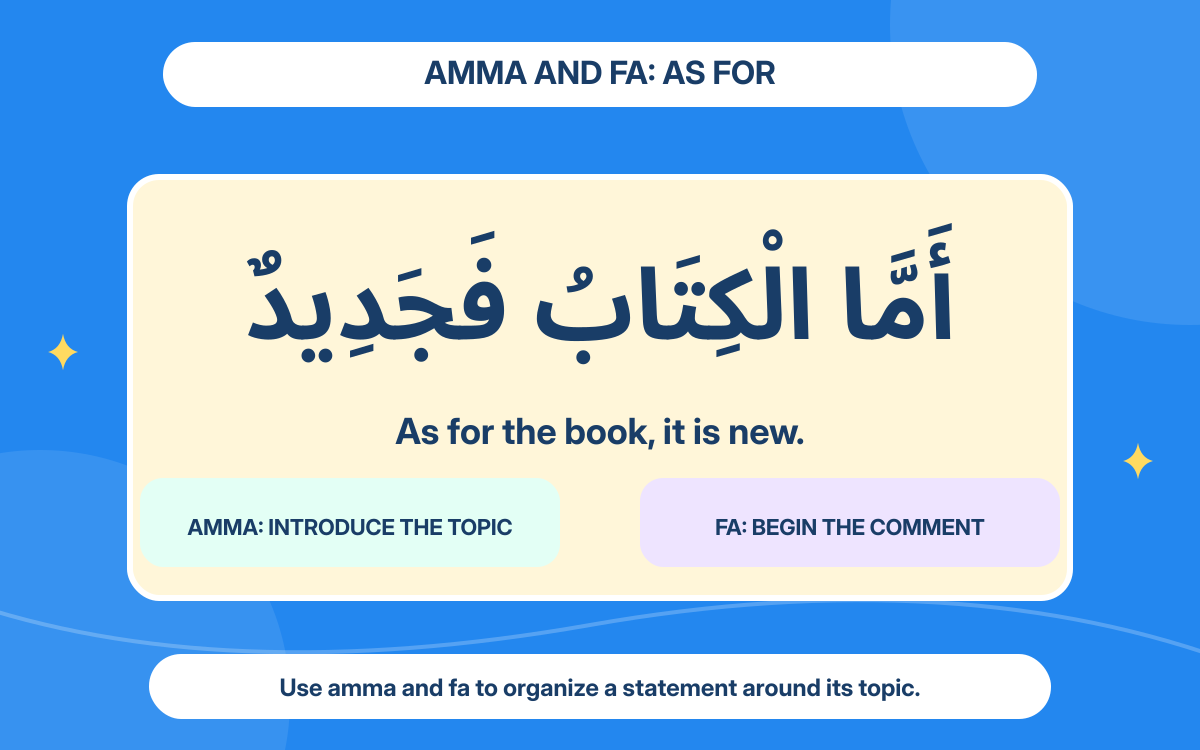
أَمَّا مُقَارَنَةُ الدَّخْلِ فَتَحْتَاجُ إِلَى مَعْلُومَاتٍ لَا نَمْلِكُهَا
Use amma and fa to contrast a supported comparison with one requiring more evidence.