Lecturer Imad, workshop supervisor Salma and graduate Omar redesign a fictional university unit to connect concepts, practical decisions and independent learning.
01Read the Arabic conversation
الْمُوَازَنَةُ بَيْنَ النَّظَرِيَّةِ وَالتَّدْرِيبِ الْعَمَلِيِّ
عِمَادُ: نُرَاجِعُ خُطَّةَ الْفَصْلِ الْأَخِيرِ فِي بَرْنَامَجِنَا، وَالسَّاعَاتُ الْمُتَاحَةُ ثَابِتَةٌ. طُلِبَ مِنَّا تَوْسِيعُ التَّدْرِيبِ الْعَمَلِيِّ، لَكِنِّي أَخْشَى أَنْ نَحْذِفَ مَفَاهِيمَ يَحْتَاجُهَا الطُّلَّابُ عِنْدَ مُوَاجَهَةِ مَشْكِلَاتٍ جَدِيدَةٍ.
سَلْمَى: وَأَنَا أَخْشَى أَنْ يَتَخَرَّجَ الطَّالِبُ وَهُوَ يَشْرَحُ الْخُطُوَاتِ بِدِقَّةٍ، وَلَا يَسْتَطِيعُ تَنْفِيذَهَا. فِي الْوَرْشَةِ الْأَخِيرَةِ تَعَثَّرَ بَعْضُهُمْ فِي تَنْظِيمِ الْعَمَلِ، رَغْمَ نَجَاحِهِمْ فِي الِاخْتِبَارِ النَّظَرِيِّ.
عُمَرُ: مِنْ تَجْرِبَتِي بَعْدَ التَّخَرُّجِ، لَمْ تَكُنِ الْمُشْكِلَةُ اخْتِيَارَ النَّظَرِيَّةِ أَوِ التَّطْبِيقِ. كُنْتُ أَعْرِفُ الْمَبَادِئَ وَالْأَدَاةَ، لَكِنِّي لَمْ أَعْرِفْ مَتَى يَجِبُ أَنْ أُغَيِّرَ طَرِيقَتِي الْمُعْتَادَةَ.
عِمَادُ: هَلْ يُمْكِنُ أَنْ تَذْكُرَ مِثَالًا مُحَدَّدًا؟ أُرِيدُ أَنْ نُمَيِّزَ بَيْنَ نَقْصِ الْمَعْرِفَةِ وَصُعُوبَةِ اسْتِخْدَامِهَا، لِأَنَّ كُلَّ وَاحِدٍ مِنْهُمَا قَدْ يَحْتَاجُ إِلَى تَعْدِيلٍ مُخْتَلِفٍ فِي الْخُطَّةِ.
سَلْمَى: سَيُسَاعِدُنَا الْمِثَالُ أَيْضًا عَلَى تَجَنُّبِ نِسْبَةِ الْمُشْكِلَةِ كُلِّهَا إِلَى الطُّلَّابِ. رُبَّمَا كَانَتْ تَمَارِينُنَا تَقُودُهُمْ إِلَى الْإِجَابَةِ خُطْوَةً خُطْوَةً، وَلَا تَتْرُكُ لَهُمْ مَجَالًا لِاخْتِيَارِ الْخُطْوَةِ التَّالِيَةِ.
عُمَرُ: طُلِبَ مِنِّي تَقْدِيرُ الْوَقْتِ اللَّازِمِ لِمَشْرُوعٍ، فَاسْتَخْدَمْتُ نَمُوذَجًا تَدَرَّبْنَا عَلَيْهِ. لَكِنَّ بَعْضَ الْمَهَامِّ كَانَ يَعْتَمِدُ عَلَى مَعْلُومَاتٍ لَمْ تَصِلْ بَعْدُ، فَأَصْبَحَ التَّقْدِيرُ الدَّقِيقُ ظَاهِرِيًّا مُضَلِّلًا.
عِمَادُ: إِذَنْ كُنْتَ تَحْتَاجُ إِلَى فَحْصِ افْتِرَاضَاتِ النَّمُوذَجِ قَبْلَ تَطْبِيقِهِ. هَذَا يُؤَيِّدُ الْحَاجَةَ إِلَى الْمَفَاهِيمِ، لَكِنَّهُ لَا يُثْبِتُ أَنَّ إِضَافَةَ مُحَاضَرَةٍ أُخْرَى كَانَتْ سَتَحُلُّ الْمُشْكِلَةَ وَحْدَهَا.
سَلْمَى: وَهَذَا مَا أَقْصِدُهُ بِتَوْسِيعِ التَّدْرِيبِ: لَيْسَ تَكْرَارَ الْخُطُوَاتِ مَرَّاتٍ أَكْثَرَ، بَلْ تَغْيِيرَ ظُرُوفِ الْمَهَمَّةِ. نَطْلُبُ مِنَ الطَّالِبِ أَنْ يُقَرِّرَ مَا إِذَا كَانَتِ الطَّرِيقَةُ مَا زَالَتْ مُنَاسِبَةً.
عُمَرُ: لَوْ وَاجَهْتُ فِي الْجَامِعَةِ حَالَةً تَتَغَيَّرُ فِيهَا الْمَعْطَيَاتُ، لَتَعَلَّمْتُ أَنْ أُعِيدَ النَّظَرَ فِي تَقْدِيرِي. كُنْتُ أَحْتَاجُ إِلَى مَنْ يُنَاقِشُ سَبَبَ اخْتِيَارِي، لَا إِلَى مَنْ يُصَحِّحُ النَّتِيجَةَ فَقَطْ.
عِمَادُ: أَقْتَرِحُ تَنْظِيمَ الْوَحْدَةِ حَوْلَ مَشْكِلَةٍ وَاحِدَةٍ، يَبْدَأُ الطُّلَّابُ بِتَحْلِيلِهَا قَبْلَ الشَّرْحِ. ثُمَّ نُقَدِّمُ الْمَفْهُومَ عِنْدَمَا تَظْهَرُ الْحَاجَةُ إِلَيْهِ، وَنَعُودُ إِلَى الْمَشْكِلَةِ بِمَعْلُومَاتٍ إِضَافِيَّةٍ.
سَلْمَى: أُؤَيِّدُ الْفِكْرَةَ، بِشَرْطِ أَلَّا نَتْرُكَ الْمُبْتَدِئَ أَمَامَ مُهِمَّةٍ مُعَقَّدَةٍ دُونَ دَعْمٍ. يُمْكِنُنَا تَقْدِيمُ أَسْئِلَةٍ مُوَجِّهَةٍ فِي الْبِدَايَةِ، ثُمَّ تَقْلِيلُهَا تَدْرِيجِيًّا كُلَّمَا أَصْبَحَ أَقْدَرَ عَلَى الِاسْتِقْلَالِ.
عُمَرُ: وَيَجِبُ أَنْ نُوَضِّحَ أَنَّ الْمُحَاوَلَةَ الْأُولَى لَيْسَتْ حُكْمًا نِهَائِيًّا عَلَى الْقُدْرَةِ. إِذَا احْتُسِبَ كُلُّ خَطَإٍ عَلَيْهِ، فَقَدْ يَخْتَارُ الطَّالِبُ طَرِيقَةً مَأْلُوفَةً فَقَطْ، وَيَتَجَنَّبُ تَجْرِبَةَ بَدِيلٍ مُحْتَمَلٍ.
عِمَادُ: نَجْعَلُ الْمُحَاوَلَةَ الْأُولَى لِلتَّعَلُّمِ، وَنُقَيِّمُ النَّاتِجَ بَعْدَ الْمُرَاجَعَةِ مَعَ تَفْسِيرِ التَّعْدِيلَاتِ. لَكِنَّنَا نَحْتَاجُ إِلَى وَقْتٍ لِلْحِوَارِ، فَمَاذَا نَحْذِفُ مِنَ الْخُطَّةِ الْحَالِيَّةِ لِكَيْ نُتِيحَهُ؟
سَلْمَى: لَدَيْنَا ثَلَاثُ جَلَسَاتٍ تَسْتَخْدِمُ الْخُطُوَاتِ نَفْسَهَا مَعَ أَرْقَامٍ مُخْتَلِفَةٍ. أَقْتَرِحُ دَمْجَ جَلْسَتَيْنِ مِنْهَا، وَاسْتِخْدَامَ الْوَقْتِ الْمُتَاحِ لِمُقَارَنَةِ طَرِيقَتَيْنِ تَصْلُحُ كُلٌّ مِنْهُمَا تَحْتَ شُرُوطٍ مُخْتَلِفَةٍ.
عُمَرُ: وَهَلْ يُمْكِنُ أَنْ نَسْتَخْدِمَ حَالَةً وَاحِدَةً بَيْنَ الْمُحَاضَرَةِ وَالْوَرْشَةِ؟ كُنَّا أَحْيَانًا نَدْرُسُ الْمَفْهُومَ فِي سِيَاقٍ، ثُمَّ نُطَبِّقُهُ فِي سِيَاقٍ بَعِيدٍ دُونَ تَوْضِيحِ الْعَلَاقَةِ بَيْنَهُمَا.
عِمَادُ: نَعَمْ، نَبْدَأُ بِحَالَةٍ مُشْتَرَكَةٍ لِتَوْضِيحِ الصِّلَةِ، ثُمَّ نَنْتَقِلُ إِلَى حَالَةٍ مُخْتَلِفَةٍ لِاخْتِبَارِ الْفَهْمِ. إِنَّ الِاكْتِفَاءَ بِالْمِثَالِ نَفْسِهِ قَدْ يَجْعَلُ الطَّالِبَ يَحْفَظُ الْحَلَّ بَدَلًا مِنْ فَهْمِ مَبْدَئِهِ.
سَلْمَى: أَمَّا الْأَدَاةُ فَنَخْتَارُ وَاحِدَةً مُتَاحَةً لِلْجَمِيعِ، دُونَ أَنْ نَجْعَلَ إِتْقَانَ قَوَائِمِهَا هَدَفَ الْوَحْدَةِ. أُرِيدُ أَنْ يَسْتَطِيعَ الطَّالِبُ شَرْحَ قَرَارِهِ حَتَّى إِذَا اسْتَخْدَمَ أَدَاةً أُخْرَى لَاحِقًا.
عُمَرُ: ذَلِكَ مُهِمٌّ، فَقَدْ تَغَيَّرَتِ الْأَدَاةُ الَّتِي اسْتَخْدَمْتُهَا بَعْدَ أَشْهُرٍ مِنْ عَمَلِي. لَمْ تَضِعْ كُلُّ خِبْرَتِي، لَكِنِّي احْتَجْتُ إِلَى فَصْلِ مَا يَخُصُّ الْوَاجِهَةَ عَمَّا يَخُصُّ مَنْطِقَ الْمَهَمَّةِ.
عِمَادُ: بَقِيَ تَصْمِيمُ التَّقْيِيمِ. إِذَا سَأَلْنَا عَنِ التَّعْرِيفَاتِ وَحْدَهَا، فَلَنْ نَعْرِفَ هَلْ أَصْبَحَ الطَّالِبُ أَقْدَرَ عَلَى الِاخْتِيَارِ. نَحْتَاجُ إِلَى مُهِمَّةٍ تَكْشِفُ كَيْفَ يَرْبِطُ بَيْنَ الْمَفْهُومِ وَالْقَرَارِ.
سَلْمَى: نُقَدِّمُ حَالَةً غَيْرَ مَأْلُوفَةٍ تَحْتَوِي عَلَى مَعْلُومَةٍ نَاقِصَةٍ، وَنَطْلُبُ تَنْفِيذًا وَتَبْرِيرًا. لَا نُعَاقِبُ الطَّالِبَ عَلَى طَلَبِ التَّوْضِيحِ؛ فَقَدْ يَكُونُ التَّوَقُّفُ لِلسُّؤَالِ أَدَقَّ مِنَ الْإِسْرَاعِ إِلَى نَتِيجَةٍ.
عُمَرُ: وَأَقْتَرِحُ أَنْ يُبَيِّنَ الطَّالِبُ مَتَى لَا يَصْلُحُ اخْتِيَارُهُ أَيْضًا. قَدْ تَبْدُو الْإِجَابَةُ مُقْنِعَةً، وَلَكِنَّ الْقُدْرَةَ عَلَى تَحْدِيدِ حُدُودِهَا تَكْشِفُ فَهْمًا أَعْمَقَ مِنَ الدِّفَاعِ عَنْهَا فِي كُلِّ ظَرْفٍ.
عِمَادُ: نُدْرِجُ ذَلِكَ فِي مِعْيَارِ التَّقْيِيمِ الْمُعْلَنِ: صِحَّةُ التَّنْفِيذِ، وَجَوْدَةُ التَّبْرِيرِ، وَإِدْرَاكُ الْحُدُودِ. وَلَنْ نُسَاوِيَ بَيْنَ الشَّرْحِ الطَّوِيلِ وَالشَّرْحِ الْجَيِّدِ؛ فَالْعِبْرَةُ بِصِلَتِهِ بِالْقَرَارِ الْمُتَّخَذِ.
سَلْمَى: هُنَاكَ قَيْدٌ آخَرُ: لَا تَكْفِي أَجْهِزَةُ الْوَرْشَةِ لِعَمَلِ الْجَمِيعِ مَعًا. يُمْكِنُ تَنَاوُبُ الْمَجْمُوعَاتِ بَيْنَ التَّحْلِيلِ وَالتَّنْفِيذِ، بِشَرْطِ أَنْ يَحْصُلَ كُلُّ طَالِبٍ عَلَى فُرْصَةِ اسْتِخْدَامِ الْأَدَاةِ بِنَفْسِهِ.
عُمَرُ: وَلْنُبَدِّلِ الْأَدْوَارَ دَاخِلَ الْمَجْمُوعَةِ؛ فَالطَّالِبُ الْأَسْرَعُ قَدْ يَتَوَلَّى التَّنْفِيذَ دَائِمًا. عِنْدَئِذٍ يَبْدُو الْعَمَلُ الْجَمَاعِيُّ نَاجِحًا، بَيْنَمَا يَبْقَى بَعْضُ الْأَفْرَادِ مُشَاهِدِينَ دُونَ أَنْ يَكْتَسِبُوا الْمَهَارَةَ الْمَقْصُودَةَ.
عِمَادُ: نَتَّفِقُ إِذَنْ عَلَى تَجْرِبَةِ هَذَا التَّنْظِيمِ فِي وَحْدَةٍ وَاحِدَةٍ، وَنُقَارِنُ أَعْمَالَ الطُّلَّابِ بِالْمَعَايِيرِ نَفْسِهَا قَبْلَ التَّعْدِيلِ وَبَعْدَهُ. وَنُرَاقِبُ الْوَقْتَ الْمَطْلُوبَ مِنَ الْمُدَرِّسِينَ، لِكَيْ تَكُونَ الْخُطَّةُ قَابِلَةً لِلِاسْتِمْرَارِ.
سَلْمَى: سَأُعِدُّ مَهَمَّةَ الْوَرْشَةِ وَجَدْوَلَ تَنَاوُبِ الْأَدْوَارِ، وَنُرَاجِعُهُمَا مَعًا قَبْلَ الْبِدَايَةِ. لَمْ نَزِدْ عَدَدَ السَّاعَاتِ، لَكِنَّنَا غَيَّرْنَا مَا يَفْعَلُهُ الطَّالِبُ فِيهَا وَكَيْفَ يَحْصُلُ عَلَى التَّغْذِيَةِ الرَّاجِعَةِ.
عُمَرُ: وَسَأُقَدِّمُ الْحَالَةَ الَّتِي وَاجَهْتُهَا بَعْدَ إِزَالَةِ التَّفَاصِيلِ الْخَاصَّةِ بِالْعَمَلِ. أَرْجُو أَنْ يَتَعَلَّمَ الطُّلَّابُ مِنْهَا أَنَّ الْفَهْمَ يَظْهَرُ فِي اخْتِيَارِ الطَّرِيقَةِ وَمُرَاجَعَتِهَا، لَا فِي تَكْرَارِهَا بِسُرْعَةٍ فَقَطْ.
Show English translationHide English translation
Imad · Lecturer: We are reviewing the final-term plan for our programme, and the available hours are fixed. We have been asked to expand practical training, but I worry about removing concepts students need when facing new problems.
Salma · Workshop supervisor: I worry about students graduating able to explain the steps accurately but unable to carry them out. In the last workshop, some struggled to organise the work despite passing the theory test.
Omar · Programme graduate: From my experience after graduation, the issue was not choosing theory or practice. I knew the principles and the tool, but I did not know when I needed to change my usual method.
Imad · Lecturer: Could you give a specific example? I want to distinguish missing knowledge from difficulty using it, because each may require a different adjustment to the plan.
Salma · Workshop supervisor: An example will also help us avoid attributing the whole problem to students. Perhaps our exercises lead them to the answer step by step without leaving room to choose the next step themselves.
Omar · Programme graduate: I was asked to estimate how long a project would take, so I used a model we had practised. Some tasks depended on information that had not yet arrived, making the apparently precise estimate misleading.
Imad · Lecturer: Then you needed to examine the model’s assumptions before applying it. That supports the need for concepts, but it does not prove that adding another lecture would have solved the problem on its own.
Salma · Workshop supervisor: That is what I mean by expanding training: not repeating the steps more often, but changing the task’s conditions. We ask the student to decide whether the method is still appropriate.
Omar · Programme graduate: If I had faced a university case with changing information, I would have learned to reconsider my estimate. I needed someone to discuss why I chose the method, rather than only correct the result.
Imad · Lecturer: I suggest organising the unit around one problem that students begin analysing before the explanation. We then introduce the concept when its relevance becomes apparent and return to the problem with additional information.
Salma · Workshop supervisor: I support the idea, provided beginners are not left facing a complex task without support. We can give guiding questions initially, then gradually reduce them as students become more independent.
Omar · Programme graduate: We must make clear that the first attempt is not a final judgement of ability. If every error counts against them, students may choose only a familiar method and avoid trying a possible alternative.
Imad · Lecturer: We will make the first attempt a learning exercise and assess the revised product together with an explanation of the changes. But discussion takes time: what should we remove from the current plan to make room?
Salma · Workshop supervisor: We have three sessions that use identical steps with different numbers. I suggest combining two of them and using the freed time to compare two methods, each suitable under different conditions.
Omar · Programme graduate: Could we use a shared case across the lecture and workshop? Sometimes we studied a concept in one context and then applied it in a distant one without anyone clarifying the relationship between them.
Imad · Lecturer: Yes, we begin with a shared case to clarify the connection, then move to a different case to test understanding. Sticking to the same example could lead students to memorise the solution rather than understand its principle.
Salma · Workshop supervisor: As for the tool, we will choose one available to everyone without making mastery of its menus the unit’s objective. I want students to be able to explain their decision even if they later use another tool.
Omar · Programme graduate: That matters: the tool I used changed a few months into my job. I did not lose all my experience, but I needed to distinguish what belonged to the interface from what belonged to the logic of the task.
Imad · Lecturer: Assessment design remains. If we ask only for definitions, we will not know whether students have become better at choosing. We need a task that reveals how they connect a concept to a decision.
Salma · Workshop supervisor: We can provide an unfamiliar case containing missing information and require both implementation and justification. We should not penalise a request for clarification: pausing to ask may be more accurate than rushing to a result.
Omar · Programme graduate: I also suggest students explain when their chosen approach would not work. An answer may sound convincing, but identifying its limits reveals deeper understanding than defending it under every condition.
Imad · Lecturer: We will include that in the published assessment criteria: correct execution, sound justification and awareness of limits. We will not equate a long explanation with a good one; what matters is its relevance to the decision.
Salma · Workshop supervisor: There is another constraint: the workshop lacks enough devices for everyone to work at once. Groups can rotate between analysis and implementation, provided each student gets a chance to use the tool personally.
Omar · Programme graduate: Let us rotate roles within each group: the fastest student might otherwise always handle implementation. Group work would then look successful while some individuals remain observers without acquiring the intended skill.
Imad · Lecturer: We agree to try this arrangement in one unit and compare student work using the same criteria before and after the change. We will also monitor teacher time so the plan can be sustained.
Salma · Workshop supervisor: I will prepare the workshop task and role-rotation schedule, and we will review them together before starting. We have not increased the hours, but we have changed what students do during them and how they receive feedback.
Omar · Programme graduate: I will provide the case I encountered after removing private workplace details. I hope it teaches students that understanding shows in choosing and revising a method, not merely repeating it quickly.
02Useful words and expressions
| Arabic in the conversation | Meaning here |
|---|---|
| السَّاعَاتُ الْمُتَاحَةُ ثَابِتَةٌ | the available hours are fixed |
| نَقْصِ الْمَعْرِفَةِ | a lack of knowledge |
| تَقْدِيرُ الْوَقْتِ اللَّازِمِ | estimating the time required |
| افْتِرَاضَاتِ النَّمُوذَجِ | the model’s assumptions |
| تَغْيِيرَ ظُرُوفِ الْمَهَمَّةِ | changing the conditions of the task |
| أَسْئِلَةٍ مُوَجِّهَةٍ | guiding questions |
| حَالَةٍ مُشْتَرَكَةٍ | a shared case |
| مَنْطِقَ الْمَهَمَّةِ | the logic of the task |
| طَلَبِ التَّوْضِيحِ | requesting clarification |
| إِدْرَاكُ الْحُدُودِ | awareness of limits |
| تَنَاوُبِ الْأَدْوَارِ | rotation of roles |
| التَّغْذِيَةِ الرَّاجِعَةِ | feedback |
03Check your understanding
Choose one answer for each question. Look back at the Arabic conversation for evidence. Open the English question support or a hint when you need help.
What to remember
- Connect concepts to practical decisions, then test understanding in a different situation.
- Make room for revision and individual practice within a fixed teaching schedule.
Explore the Arabic in this conversation
Related grammar and vocabularyOpen Araqick guides connected to this conversation.
Because in Arabic: Give a Reason with Lianna
لِأَنَّ كُلَّ وَاحِدٍ مِنْهُمَا قَدْ يَحْتَاجُ إِلَى تَعْدِيلٍ مُخْتَلِفٍ فِي الْخُطَّةِ
Use lianna to explain why a distinction matters for curriculum decisions.
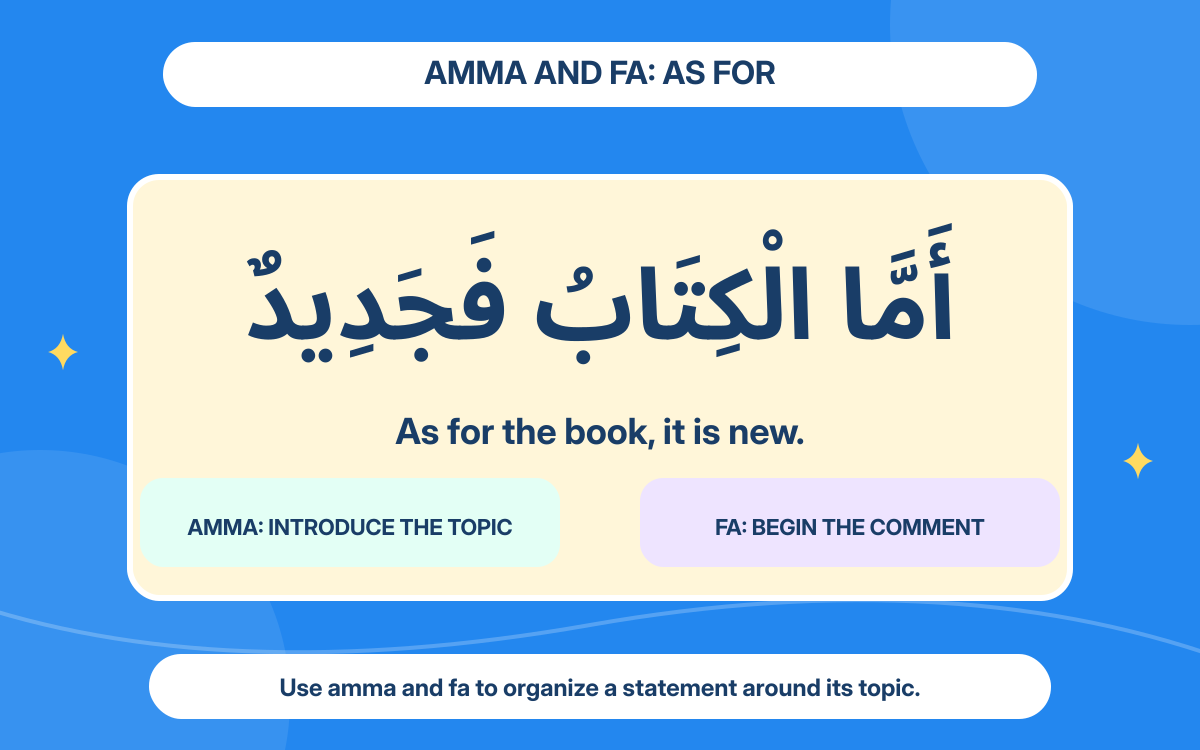
Amma and Fa in Arabic: As For This Topic
أَمَّا الْأَدَاةُ فَنَخْتَارُ وَاحِدَةً مُتَاحَةً لِلْجَمِيعِ
Mark a change of topic with amma, followed by fa in the comment.
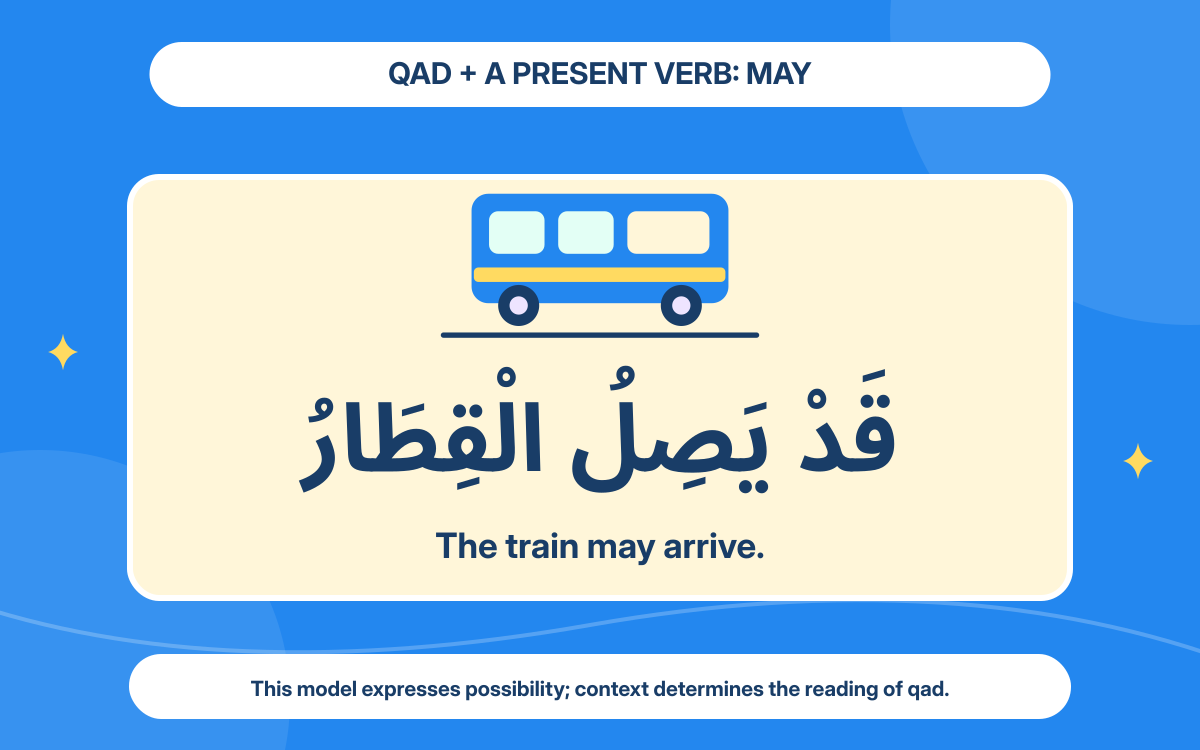
Qad with an Arabic Imperfect Verb: Reading May in Context
قَدْ يَجْعَلُ الطَّالِبَ يَحْفَظُ الْحَلَّ بَدَلًا مِنْ فَهْمِ مَبْدَئِهِ
Express a possible unintended result with qad and an imperfect verb.