Bismillah is بِسْمِ اللَّهِ, meaning “in the name of God” or “in the name of Allah.” It is commonly said by Muslims before beginning an action. The longer expression continues with two names describing God’s mercy. Bismillah and alhamdulillah have different meanings, even when they occur around the same activity.
01What does bismillah mean?
The phrase places the beginning of an action in God’s name. It is an expression you may hear before a meal, an activity, or a reading. It does not name the activity itself.
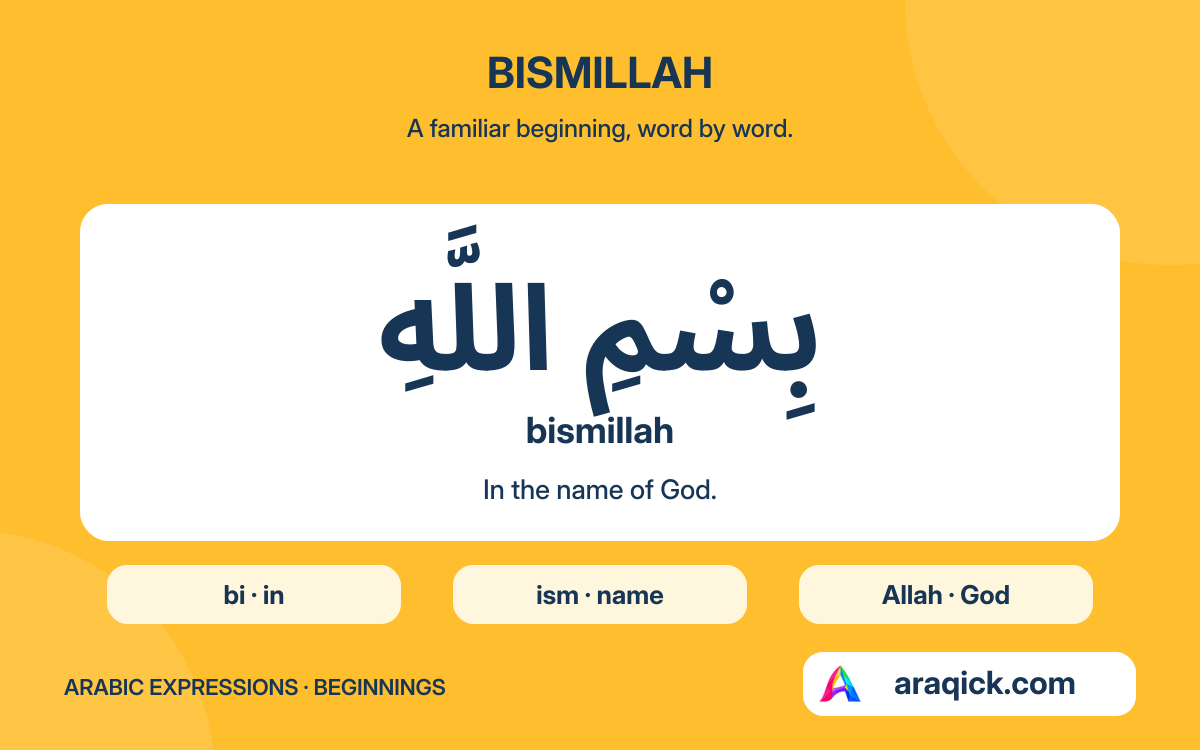
بِسْمِ اللَّهِ
bismillah
In the name of God.
The Arabic name اللَّه is often retained as Allah in English. This guide explains the language and familiar usage.
02Find the three components
bi
In, with or by; here, in.
ism
Name.
allah
God.
The prefix bi joins to ism in the fixed spelling بِسْمِ. The initial alif of ism is omitted in this familiar expression. Together with اللَّهِ, the phrase means “in the name of God.” Do not separate bi as a word when copying it.
03Read it as a connected phrase
The common standalone reading is bismillah. The doubled l in our reading aid reminds you not to reduce the middle to a single light l. Plain letters are approximate; the Arabic vowel marks carry details the reading aid leaves out.
Careful connected Standard Arabic
بِسْمِ اللَّهِ أَبْدَأُ دَرْسِي
bismillahi abdau darsi
In the name of God, I begin my lesson.
The final i of allahi is heard in this carefully connected reading.
04Recognise the longer basmala
بِسْمِ اللَّهِ الرَّحْمَٰنِ الرَّحِيمِ
bismillahi arrahmani arrahim
In the name of God, the Most Compassionate, the Most Merciful.
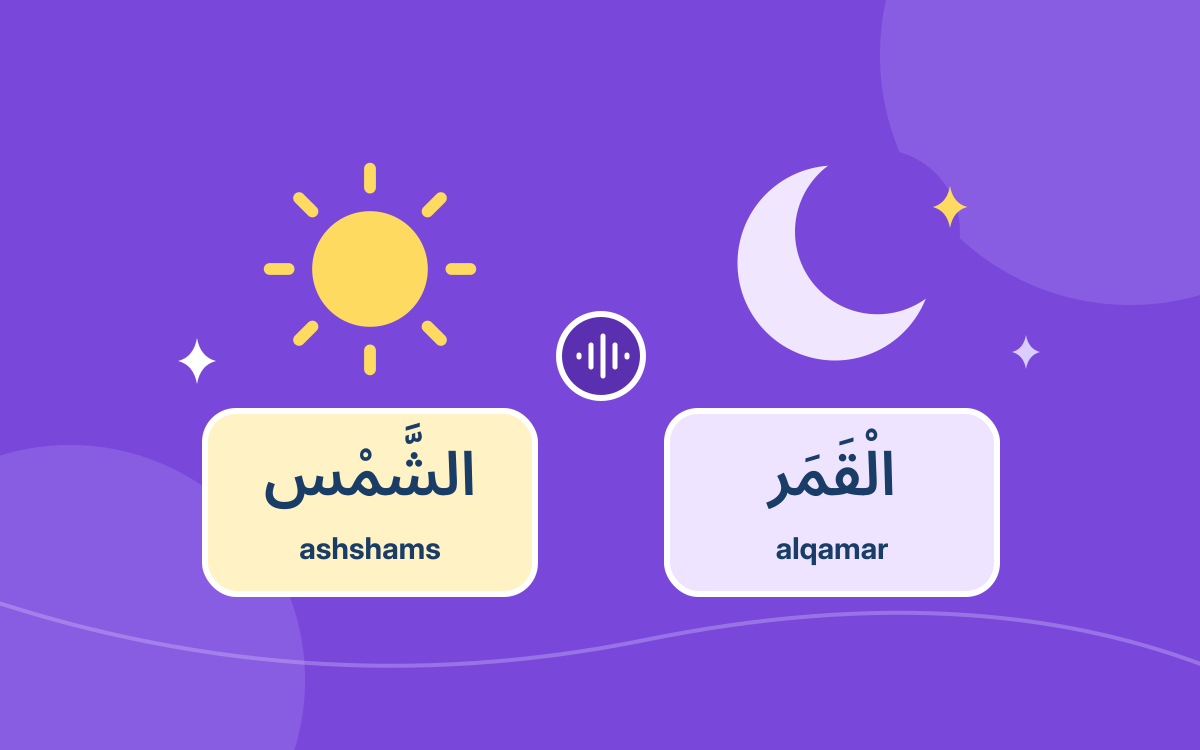
This familiar longer expression is called the basmala. The two final names both relate to mercy; their English renderings vary. Notice the doubled r in the reading of each. The sun and moon letters lesson explains why the written al is pronounced ar before r.
05Connect the words with the moment
Imagine a learner opening a notebook and saying bismillah before starting. The expression signals an intention to begin in God’s name. The notebook, the lesson and the person can change while the expression remains the same.
Learn to recognise the wording across settings. Hearing it does not tell you exactly what activity follows; that information comes from the surrounding action or sentence.
06Bismillah or alhamdulillah?
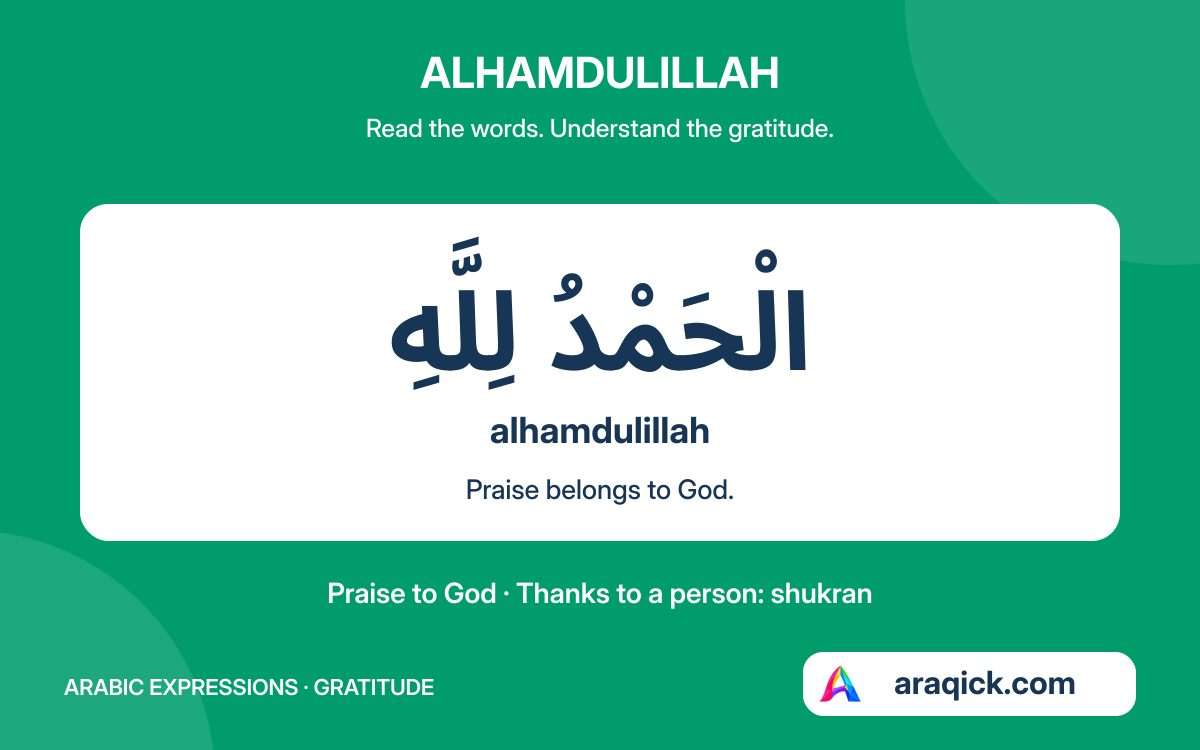
A useful pair is beginning and gratitude. Bismillah means “in the name of God.” Alhamdulillah means “praise belongs to God.” For example, you may hear the first before a meal and the second afterwards as an expression of thanks.
That example helps memory, but gratitude is not limited to finishing activities. Choose the expression by its meaning, not only by a before-or-after rule.
07Copy, cover, then recall
Write بسم الله once while looking, cover it, and write it again from memory. Check the two written words and the joined prefix. Next, recognise the longer form without trying to memorise every new expression at once.
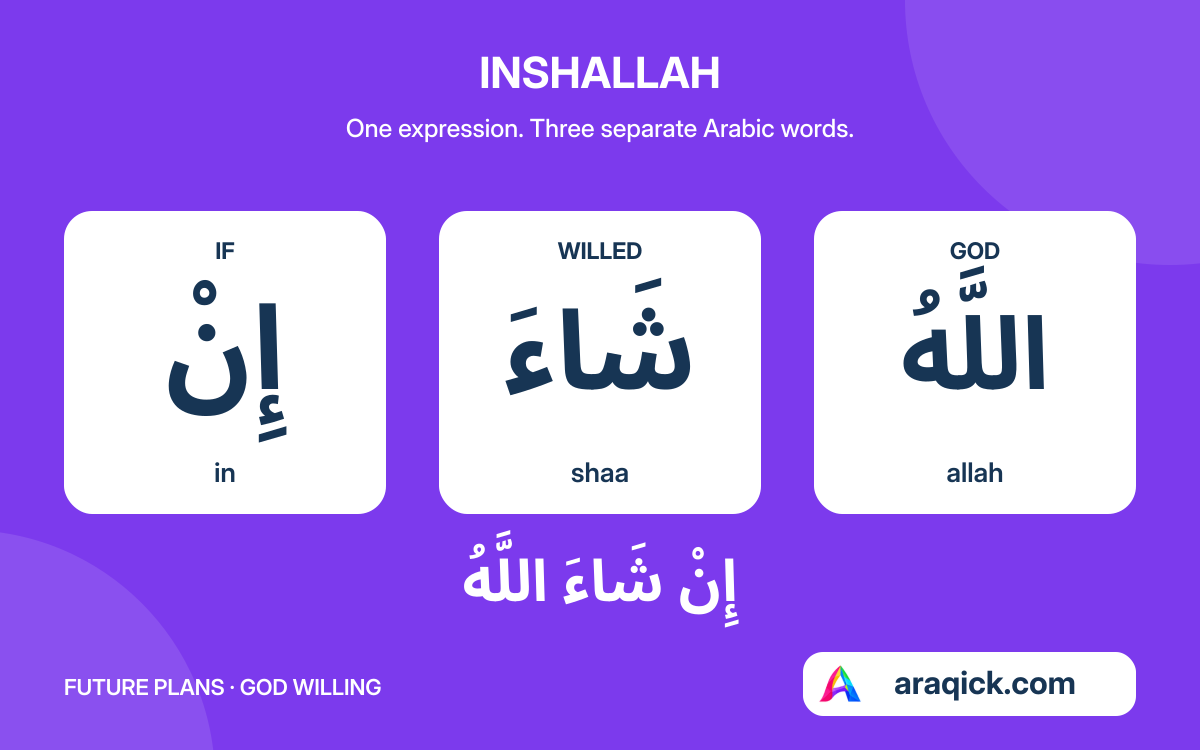
For the small connecting words, explore Arabic prepositions. Then compare a future hope with inshallah. The repeated word Allah does not make all these expressions interchangeable.
What to remember
- Bismillah means in the name of God: بِسْمِ اللَّهِ.
- The prefix bi joins to the noun ism in the familiar spelling bism.
- The longer basmala adds two names connected with mercy; alhamdulillah expresses praise.
Your reference shelf
Open a guide whenever you need it.
The short and longer formsRecognise the words and their connected reading.
| Form | Arabic | Reading / meaning |
|---|---|---|
| Short expression | بِسْمِ اللَّهِ | bismillah — in the name of God |
| Name | اِسْم | ism — name |
| Longer expression | بِسْمِ اللَّهِ الرَّحْمَٰنِ الرَّحِيمِ | bismillahi arrahmani arrahim — in the name of God, the Most Compassionate, the Most Merciful |
| Praise expression | الْحَمْدُ لِلَّهِ | alhamdulillah — praise belongs to God |
Sources & further learning
References for the language explanations and learning guidance.