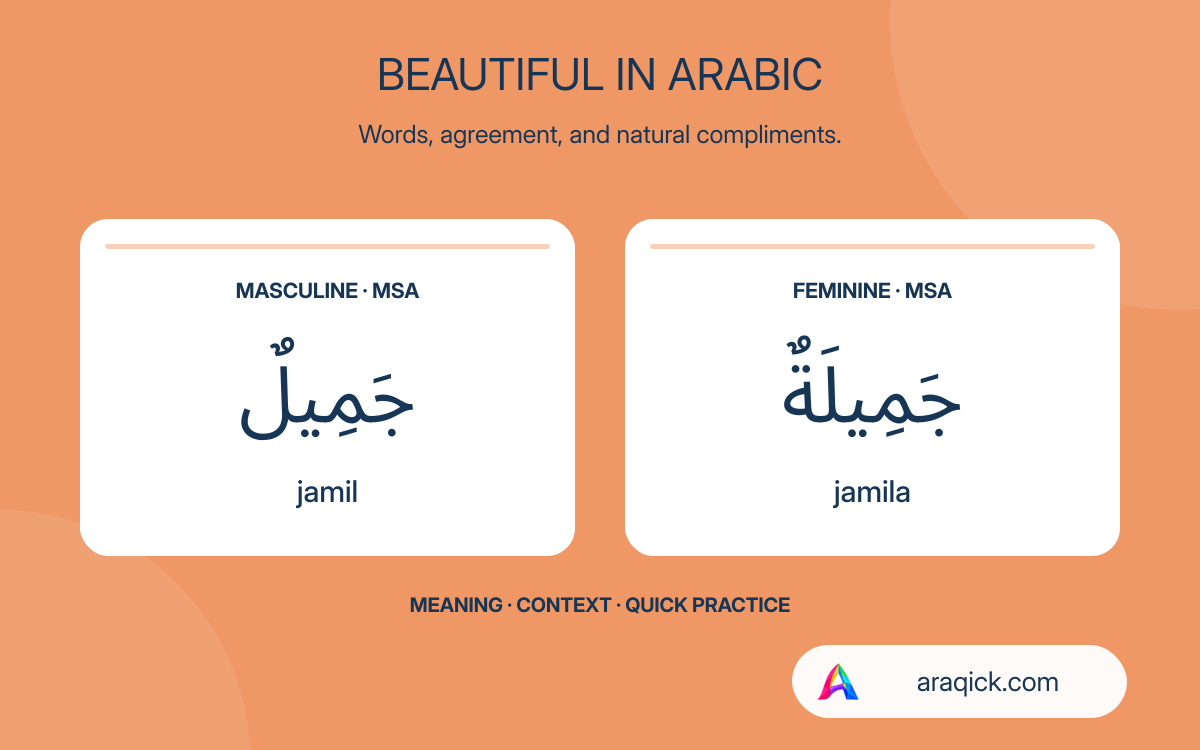
“Beautiful” in standard Arabic is جَمِيلٌ (jamil) for a masculine noun and جَمِيلَةٌ (jamila) for a feminine noun. These words can describe people, places, objects and ideas. Egyptian speech also uses حلو / حلوة (helw / helwa), with meanings such as beautiful, nice or sweet according to context. Choose the noun, agreement and variety before building a compliment.
01Jamil or jamila?
Modern Standard Arabic
هَذَا مَكَانٌ جَمِيلٌ.
hadha makanun jamil
This is a beautiful place.
Makan, place, is grammatically masculine, so jamil describes it. The feminine form jamila describes a feminine noun. The choice is not determined by the gender of the person speaking.
Jamiil and jameel are other common English-letter spellings. The doubled vowel in those aids signals the long sound; the Arabic spelling remains جميل.
02Describe a picture or an idea
Modern Standard Arabic
هَذِهِ صُورَةٌ جَمِيلَةٌ.
hadhihi suratun jamila
This is a beautiful picture.
Sura, picture, is feminine, so the adjective is feminine too. You can also say فِكْرَةٌ جَمِيلَةٌ (fikratun jamila), “a lovely idea.” In each phrase, identify the noun the adjective describes.
The reading aids drop the last case ending at the sentence’s end. Formal connected reading may retain it.
03Compliment a person directly
MSA · addressing one woman
أَنْتِ جَمِيلَةٌ.
anti jamila
You are beautiful.
To one man, use أَنْتَ جَمِيلٌ (anta jamil), which can mean “you are beautiful” or “you are handsome” in context. Here the person addressed is also the person being described, so the pronoun and adjective match.
Choose wording appropriate to your relationship. A compliment on someone’s work may fit an exchange better than a comment about appearance.
04Praise someone’s work
MSA · addressing one woman
خَطُّكِ جَمِيلٌ.
khattuki jamil
Your handwriting is beautiful.
Khatt, handwriting, is masculine, so jamil stays masculine. The ki ending in khattuki addresses a woman; it does not make the handwriting noun feminine. To a man, say khattuka jamil.
This makes a useful comparison with adjective agreement and possessive endings: they answer different questions.
05Recognise helw and Egyptian gamil
In Egyptian Arabic, حلو (helw) and حلوة (helwa) can describe something nice, attractive or sweet. The intended meaning comes from the object and situation. A pleasant room and a sweet dessert do not require the same English translation.
You will also hear gamil and gamila, reflecting the common Egyptian g pronunciation of ج. Other Arabic varieties have their own pronunciations. Keep these examples labelled instead of treating one spoken form as universal.
06Respond to a compliment
MSA · thanking one man
شُكْرًا لَكَ.
shukran laka
Thank you.
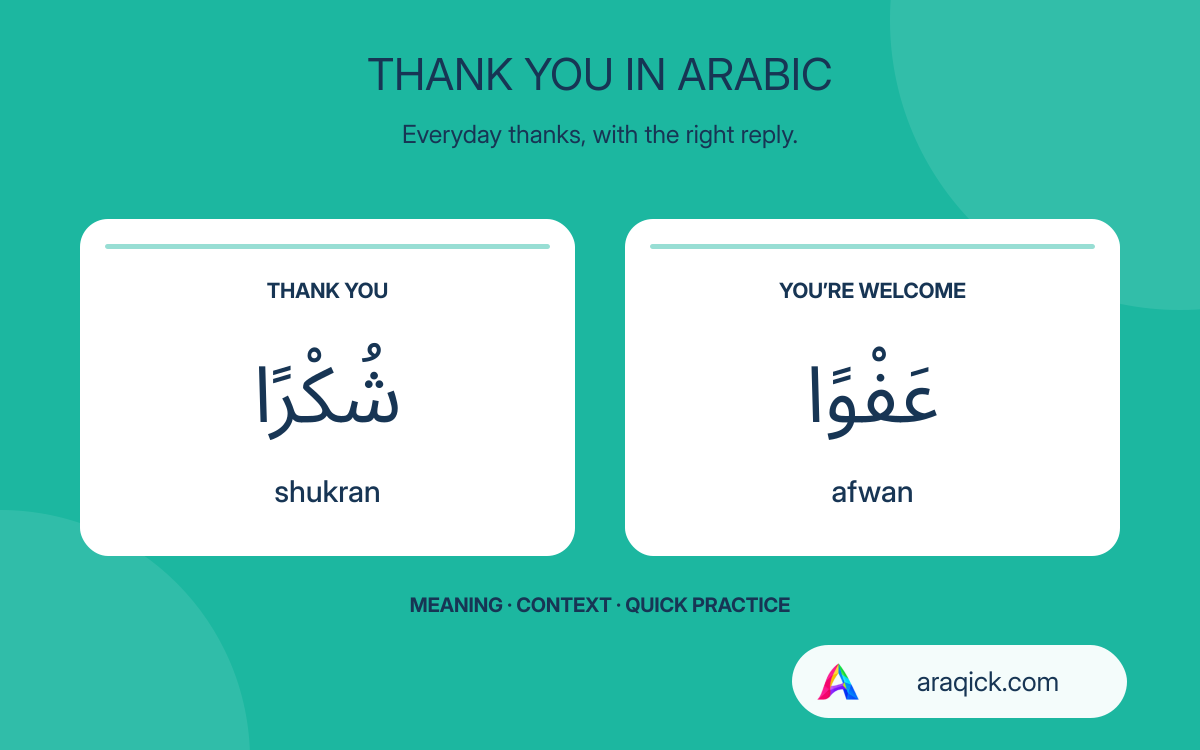
A simple thank-you acknowledges a compliment. Use لَكِ (laki) when thanking a woman. The listener in your reply is now the person who gave the compliment, so reassess the ending.
You can name what you appreciate, but you do not need to repeat an appearance compliment automatically. See ways to say thank you for more replies.
07Make the compliment specific
Choose a picture, a place and a piece of handwriting. Identify each noun’s grammatical gender, then make one short sentence. Finally, practise a compliment addressed to a person and a thank-you in response.
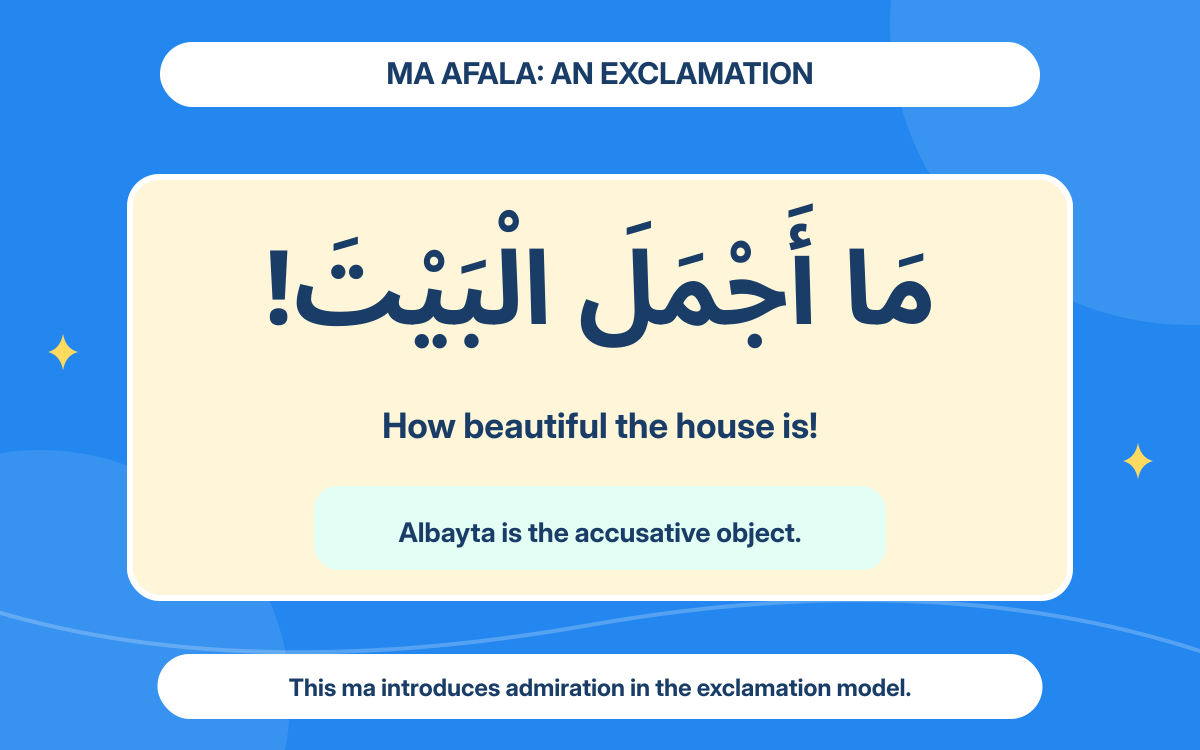
Keep one standard-Arabic exchange together before trying a separate Egyptian version. For stronger exclamations such as “How beautiful…!”, use our exclamation guide. It teaches a different grammatical pattern rather than simply replacing jamil.
What to remember
- Jamil and jamila agree with the noun or person they describe.
- In khattuki jamil, ki addresses a woman while jamil describes masculine handwriting.
- Helw and helwa are labelled Egyptian examples; meaning and pronunciation depend on context.
Your reference shelf
Open a guide whenever you need it.
Beautiful and related formsKeep the meaning, noun agreement and variety label together.
| Arabic | Reading aid | Meaning / model |
|---|---|---|
| جَمِيلٌ / جَمِيلَةٌ | jamil / jamila | Beautiful; masculine / feminine, MSA |
| جَمَالٌ | jamal | Beauty; the related noun |
| فِكْرَةٌ جَمِيلَةٌ | fikratun jamila | A lovely idea; MSA |
| حلو / حلوة | helw / helwa | Nice, attractive, sweet; Egyptian examples |
| جميل / جميلة | gamil / gamila | Egyptian readings of the adjective |
| أَحْسَنْتَ / أَحْسَنْتِ | ahsanta / ahsanti | Well done; to a man / woman, MSA |
Original compliments in contextReading aids use simple pause-style endings; the Arabic shows standard grammar.
| Arabic | Reading aid | What determines the form? |
|---|---|---|
| هَذَا مَكَانٌ جَمِيلٌ. | hadha makanun jamil | Makan is masculine. |
| هَذِهِ صُورَةٌ جَمِيلَةٌ. | hadhihi suratun jamila | Sura is feminine. |
| خَطُّكَ جَمِيلٌ. | khattuka jamil | Handwriting is masculine; ka addresses a man. |
| خَطُّكِ جَمِيلٌ. | khattuki jamil | Handwriting stays masculine; ki addresses a woman. |
| أَنْتِ جَمِيلَةٌ. | anti jamila | The woman addressed is being described. |
Sources & further learning
References for the language explanations and learning guidance.