Nadia and Omar distinguish genuine emergencies from routine messages and agree on an after-hours contact system with a named duty colleague.
01Read the Arabic conversation
وَضْعُ حُدُودٍ لِلتَّوَاصُلِ بَعْدَ الْعَمَلِ
نَادِيَةُ: تَزَايَدَتْ رَسَائِلُ الْعَمَلِ مَسَاءً وَفِي الْعُطَلِ، وَصِرْتُ أَفْحَصُ هَاتِفِي بِاسْتِمْرَارٍ خَوْفًا مِنْ تَفْوِيتِ أَمْرٍ مُهِمٍّ.
عُمَرُ: أَتَفَهَّمُ ذَلِكَ، لَكِنَّ بَعْضَ الْعُمَلَاءِ يَعْمَلُونَ فِي أَوْقَاتٍ مُخْتَلِفَةٍ. قَدْ يَضُرُّهُمْ تَأْجِيلُ الرَّدِّ حَتَّى الصَّبَاحِ.
نَادِيَةُ: لَا أَعْتَرِضُ عَلَى مُعَالَجَةِ الطَّوَارِئِ، وَإِنَّمَا عَلَى اِعْتِبَارِ كُلِّ رِسَالَةٍ حَالَةً طَارِئَةً تَسْتَوْجِبُ رَدًّا فَوْرِيًّا.
عُمَرُ: هَذَا تَمْيِيزٌ مُهِمٌّ. كَيْفَ نُحَدِّدُ الطَّارِئَ بِحَيْثُ لَا يَعْتَمِدُ الْأَمْرُ عَلَى تَقْدِيرِ كُلِّ شَخْصٍ وَحْدَهُ؟
نَادِيَةُ: أَقْتَرِحُ حَصْرَهُ فِي عُطْلٍ يُوقِفُ خِدْمَةً أَسَاسِيَّةً، أَوْ مُشْكِلَةٍ قَدْ تَتَسَبَّبُ فِي فَقْدَانِ بَيَانَاتِ الْعُمَلَاءِ.
عُمَرُ: أَمَّا طَلَبُ تَقْرِيرٍ لِاجْتِمَاعِ الْأُسْبُوعِ الْقَادِمِ، فَيَنْتَظِرُ وَقْتَ الْعَمَلِ، حَتَّى لَوْ وَصَلَ مَسَاءً.
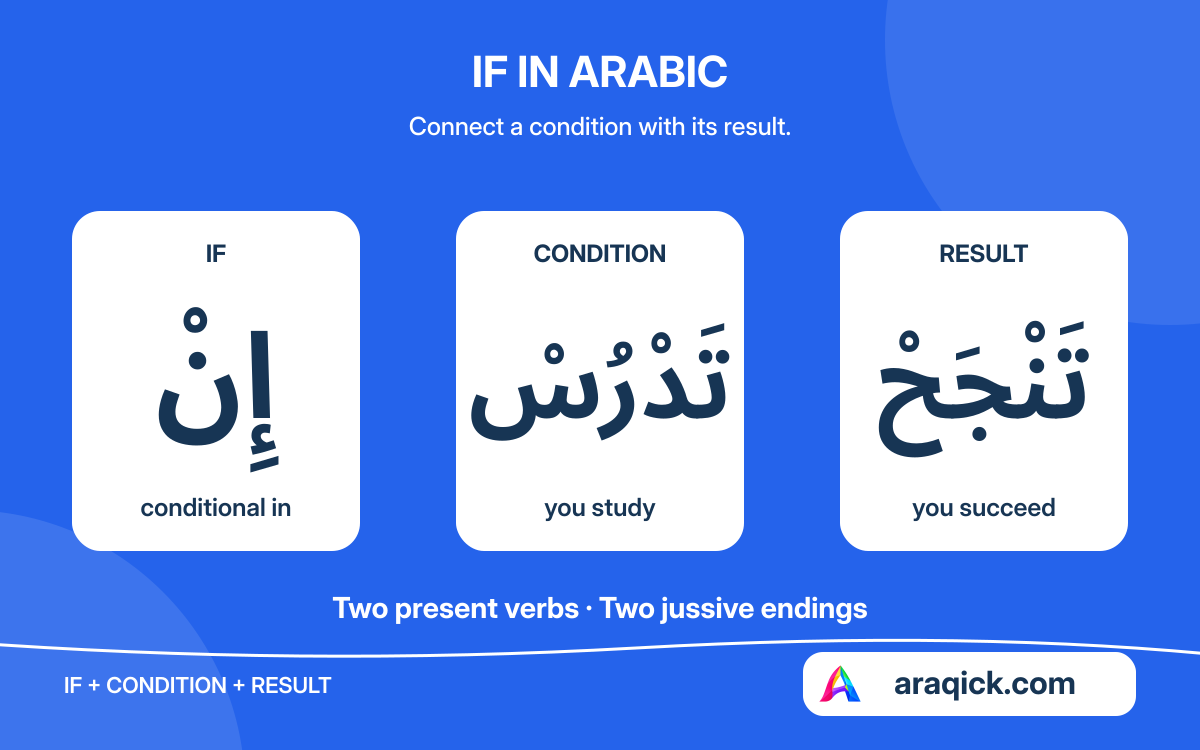
نَادِيَةُ: بِالضَّبْطِ. إِنْ نُحَدِّدْ مَعْيَارًا وَاضِحًا نُقَلِّلْ سُوءَ الْفَهْمِ، وَلَا نَجْعَلْ عَجَلَةَ الْمُرْسِلِ وَحْدَهَا سَبَبًا لِلْمُقَاطَعَةِ.
عُمَرُ: وَلَكِنْ إِنْ وَقَعَ عُطْلٌ حَقِيقِيٌّ، فَمَنْ سَيُتَابِعُهُ إِذَا كَانَ أَفْرَادُ الْفَرِيقِ قَدْ أَغْلَقُوا هَوَاتِفَهُمْ؟
نَادِيَةُ: نُعَيِّنُ زَمِيلًا مُنَاوِبًا بِالتَّنَاوُبِ، وَنُعْلِنُ جَدْوَلَهُ مُسْبَقًا، بَدَلًا مِنْ مُطَالَبَةِ الْجَمِيعِ بِالِاسْتِعْدَادِ كُلَّ لَيْلَةٍ.
عُمَرُ: أُوَافِقُ مِنْ حَيْثُ الْمَبْدَأِ، بِشَرْطِ أَنْ نَتَّفِقَ عَلَى تَعْوِيضٍ عَادِلٍ وَبَدِيلٍ يَتَوَلَّى الْمُهِمَّةَ عِنْدَ الضَّرُورَةِ.
نَادِيَةُ: وَيَكُونُ لِلطَّوَارِئِ رَقْمٌ مُخَصَّصٌ، لِأَنَّ كَثْرَةَ الرَّسَائِلِ فِي الْمَجْمُوعَةِ تَجْعَلُ تَمْيِيزَ الْعَاجِلِ أَصْعَبَ.
عُمَرُ: هَلْ تَقْصِدِينَ أَنَّ الرِّسَالَةَ الْعَادِيَّةَ لَا تَسْتَلْزِمُ رَدًّا خَارِجَ سَاعَاتِ الْعَمَلِ، حَتَّى لَوْ قَرَأَهَا الزَّمِيلُ؟
نَادِيَةُ: نَعَمْ، فَقِرَاءَتُهَا لَا تَعْنِي أَنَّهُ مُتَاحٌ لِلْعَمَلِ. يُمْكِنُ لِلْمُرْسِلِ أَيْضًا جَدْوَلَةُ إِرْسَالِهَا لِلصَّبَاحِ.
عُمَرُ: وَمَاذَا عَنْ زَمِيلٍ يَرُدُّ تَطَوُّعًا؟ أَخْشَى أَنْ يَظُنَّ الْآخَرُونَ أَنَّ عَلَيْهِمُ الْقِيَامَ بِالْأَمْرِ نَفْسِهِ.
نَادِيَةُ: نُوَضِّحُ أَنَّ ذَلِكَ اِخْتِيَارٌ شَخْصِيٌّ، وَلَا يُصْبِحُ تَوَقُّعًا عَامًّا أَوْ مِعْيَارًا لِتَقْيِيمِ التَّعَاوُنِ.
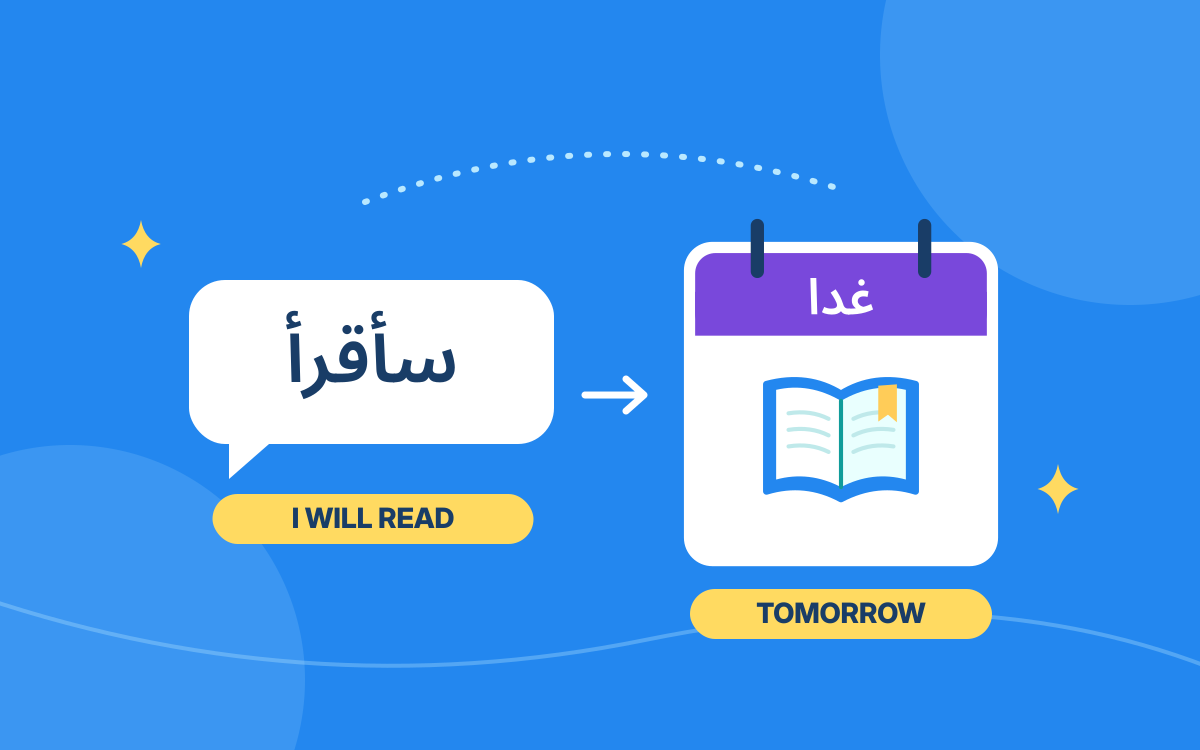
عُمَرُ: سَأَكْتُبُ مَسَوَّدَةً تَشْمَلُ التَّعْرِيفَ وَقَنَاةَ الِاتِّصَالِ، وَسَأَعْرِضُهَا عَلَى الْفَرِيقِ قَبْلَ بَدْءِ التَّجْرِبَةِ.
نَادِيَةُ: وَلَا نُكَلِّفُ زَمِيلًا بِالْمُنَاوَبَةِ قَبْلَ تَدْرِيبِهِ.
عُمَرُ: نَعَمْ، فَالِاسْتِعْدَادُ يَتَطَلَّبُ مَهَارَةً، لَا مُجَرَّدَ تَوَفُّرِ هَاتِفٍ.
نَادِيَةُ: وَسَأَجْمَعُ مُلَاحَظَاتِهِمْ عَنْ جَدْوَلِ الْمُنَاوَبَةِ، لِنَتَأَكَّدَ مِنْ أَنَّ الْعِبْءَ لَا يَقَعُ عَلَى أَشْخَاصٍ مُحَدَّدِينَ.
عُمَرُ: لِنُجَرِّبِ النِّظَامَ شَهْرًا، ثُمَّ نُرَاجِعْ عَدَدَ الطَّوَارِئِ وَسُرْعَةَ مُعَالَجَتِهَا، مَعَ رَاحَةِ الْفَرِيقِ.
نَادِيَةُ: إِذَنْ نَحْمِي وَقْتَ الرَّاحَةِ مَعَ الْإِبْقَاءِ عَلَى اِسْتِجَابَةٍ مُنَظَّمَةٍ لِلْحَالَاتِ الَّتِي لَا تَحْتَمِلُ التَّأْجِيلَ.
عُمَرُ: مُتَّفِقَانِ. الْهَدَفُ أَنْ تَبْقَى الْحَالَةُ الِاسْتِثْنَائِيَّةُ اِسْتِثْنَاءً، وَأَلَّا يَتَحَوَّلَ الِاسْتِعْدَادُ الدَّائِمُ إِلَى قَاعِدَةٍ.
Show English translationHide English translation
Nadia: Work messages increasingly interrupt evenings and days off. I constantly check my phone, fearing I might miss something important.
Omar: I understand, but some clients work different hours. Waiting until morning to reply may cause problems.
Nadia: I do not object to handling emergencies, but to treating every message as an emergency requiring an immediate reply.
Omar: That is an important distinction. How do we define an emergency so that it does not depend solely on each person’s judgement?
Nadia: I suggest limiting it to a fault that stops an essential service, or a problem that may cause client data to be lost.
Omar: A request for a report for next week’s meeting can wait until working hours, even if it arrives in the evening.
Nadia: Exactly. If we set a clear criterion, we will reduce misunderstandings and avoid making the sender’s haste alone a reason for interruption.
Omar: But if a genuine fault occurs, who will handle it if the team members have switched off their phones?
Nadia: We assign a duty colleague on a rotating basis and announce the schedule in advance, instead of requiring everyone to be available every night.
Omar: I agree in principle, provided that we agree on fair compensation and a backup who can take over when necessary.
Nadia: There should be a dedicated emergency number, because the volume of group messages makes urgent matters harder to distinguish.
Omar: Do you mean that an ordinary message does not require an after-hours reply, even if the colleague has read it?
Nadia: Yes. Reading it does not mean that the person is available for work. The sender can also schedule it to be sent in the morning.
Omar: What about a colleague who replies voluntarily? I worry that others may think they must do the same.
Nadia: We make clear that this is a personal choice and does not become a general expectation or a measure of cooperation.
Omar: I will write a draft covering the definition and contact channel, and present it to the team before the trial begins.
Nadia: We must train colleagues before assigning duty.
Omar: Yes. Readiness requires skill, not just a phone.
Nadia: And I will gather their feedback on the duty schedule to ensure that the burden does not fall on particular people.
Omar: Let us try the system for a month, then review the number of emergencies and how quickly they were handled, alongside the team’s rest.
Nadia: So we protect time off while maintaining an organised response to cases that cannot wait.
Omar: Agreed. The aim is for an exceptional case to remain an exception, and for constant availability not to become the rule.
02Useful words and expressions
| Arabic in the conversation | Meaning here |
|---|---|
| تَفْوِيتِ | missing |
| تَسْتَوْجِبُ | requires |
| حَصْرَهُ | limiting it |
| مَعْيَارًا وَاضِحًا | a clear criterion |
| مُنَاوِبًا | on duty |
| بِالتَّنَاوُبِ | on a rotating basis |
| مِنْ حَيْثُ الْمَبْدَأِ | in principle |
| جَدْوَلَةُ إِرْسَالِهَا | scheduling it to be sent |
| تَوَقُّعًا عَامًّا | a general expectation |
| لَا تَحْتَمِلُ التَّأْجِيلَ | cannot wait |
03Check your understanding
Choose one answer for each question. Look back at the Arabic conversation for evidence. Open the English question support or a hint when you need help.
What to remember
- Distinguish an emergency exception from an expectation of constant availability.
- Accept a proposal in principle while specifying fair conditions and a review.
Explore the Arabic in this conversation
Related grammar and vocabularyOpen Araqick guides connected to this conversation.
If in Arabic: In and Conditional Sentences
إِنْ نُحَدِّدْ مَعْيَارًا وَاضِحًا نُقَلِّلْ سُوءَ الْفَهْمِ
Link a proposed condition to its result using in and two jussive present verbs.
Because in Arabic: Give a Reason with Lianna
لِأَنَّ كَثْرَةَ الرَّسَائِلِ فِي الْمَجْمُوعَةِ تَجْعَلُ تَمْيِيزَ الْعَاجِلِ أَصْعَبَ
Explain a practical reason with lianna followed by its noun and a complete reason clause.
Arabic Future Tense for Beginners: Talk About Tomorrow
سَأَكْتُبُ مَسَوَّدَةً
Use sa attached to a present-tense verb to commit to the next action.