Faris explains his move to his sister Huda and negotiates realistic ways to maintain family contact.
01Read the Arabic conversation
شَرْحُ قَرَارِ الِانْتِقَالِ وَالْحِفَاظُ عَلَى التَّوَاصُلِ
فَارِسٌ: قَبِلْتُ عَرْضَ عَمَلٍ فِي الْمَدِينَةِ الْمُجَاوِرَةِ لِمُدَّةِ سَنَةٍ. أَعْرِفُ أَنَّ الْخَبَرَ أَزْعَجَكِ، فَمَا يُقْلِقُكِ؟
هُدَى: أَنَا سَعِيدَةٌ بِفُرْصَتِكَ، لَكِنَّنِي أَخْشَى أَنْ تُصْبِحَ زِيَارَاتُكَ نَادِرَةً. نَحْنُ مُعْتَادُونَ عَلَى لِقَائِكَ أُسْبُوعِيًّا.
فَارِسٌ: أَتَفَهَّمُ ذَلِكَ. الْوَظِيفَةُ تُتِيحُ لِي تَدْرِيبًا لَا أَجِدُهُ هُنَا، وَلَيْسَ قَرَارِي رَغْبَةً فِي الِابْتِعَادِ عَنِ الْأُسْرَةِ.
هُدَى: كُنْتُ أَتَمَنَّى أَنْ تُحَدِّثَنَا قَبْلَ الْقَبُولِ. شَعَرْتُ أَنَّنَا آخِرُ مَنْ يَعْلَمُ.
فَارِسٌ: مَعَكِ حَقٌّ فِي أَنَّنِي تَأَخَّرْتُ فِي إِخْبَارِكُمْ. كُنْتُ أَنْتَظِرُ الْعَرْضَ الْمَكْتُوبَ، لَكِنْ كَانَ يُمْكِنُنِي مُشَارَكَتُكُمُ الْفِكْرَةَ.
هُدَى: لَا أَطْلُبُ أَنْ نَخْتَارَ عَنْكَ. أُرِيدُ فَقَطْ أَلَّا تَكُونَ صِلَتُنَا جُزْءًا ثَانَوِيًّا فِي خُطَّتِكَ الْجَدِيدَةِ.
فَارِسٌ: أَمَّا الْقَرَارُ فَقَدِ اتَّخَذْتُهُ بَعْدَ تَفْكِيرٍ. لَكِنَّ تَنْظِيمَ الزِّيَارَاتِ يَحْتَاجُ إِلَى اتِّفَاقٍ يُنَاسِبُنَا جَمِيعًا.
هُدَى: هَلْ تَسْتَطِيعُ الْحُضُورَ كُلَّ جُمُعَةٍ؟ نَجْتَمِعُ عَلَى الْغَدَاءِ كَمَا نَفْعَلُ الْآنَ.
فَارِسٌ: الرِّحْلَةُ تَسْتَغْرِقُ ثَلَاثَ سَاعَاتٍ فِي كُلِّ اتِّجَاهٍ. أَخْشَى أَنْ أَعِدَكِ بِزِيَارَةٍ أُسْبُوعِيَّةٍ ثُمَّ أَعْجِزَ عَنِ الِالْتِزَامِ.
هُدَى: أَفْهَمُ، فَالسَّفَرُ الْمُتَكَرِّرُ مُتْعِبٌ. رُبَّمَا نَبْدَأُ بِالْجُمُعَةِ الْأُولَى مِنْ كُلِّ شَهْرٍ، وَنَتْرُكُ الزِّيَارَاتِ الْإِضَافِيَّةَ حَسَبَ الظُّرُوفِ.
فَارِسٌ: هَذَا وَاقِعِيٌّ. وَإِذَا تَغَيَّرَ جَدْوَلِي أُخْبِرُكِ مُبَكِّرًا، ثُمَّ نَخْتَارُ مَوْعِدًا بَدِيلًا بَدَلًا مِنْ إِلْغَاءِ الزِّيَارَةِ فَقَطْ.
هُدَى: وَمَاذَا عَنِ الْأَسَابِيعِ بَيْنَ الزِّيَارَاتِ؟ الرَّسَائِلُ الْقَصِيرَةُ مُفِيدَةٌ، وَلَكِنَّهَا لَا تُشْعِرُنِي دَائِمًا بِأَنَّنَا نَتَحَدَّثُ فِعْلًا.
فَارِسٌ: نُخَصِّصُ رُبْعَ سَاعَةٍ لِمُكَالَمَةٍ مَسَاءَ الْجُمُعَةِ. وَيُمْكِنُ أَنْ تَطُولَ إِذَا كَانَ لَدَيْنَا وَقْتٌ، دُونَ أَنْ تَصِيرَ وَاجِبًا ثَقِيلًا.
هُدَى: أُحِبُّ ذَلِكَ. لَكِنْ إِذَا لَمْ تَرُدَّ، فَهَلْ تَقْتَرِحُ وَقْتًا آخَرَ بِرِسَالَةٍ؟
فَارِسٌ: بِالتَّأْكِيدِ. وَأَرْجُو أَنْ تُخْبِرِينِي إِذَا شَعَرْتِ أَنَّ التَّوَاصُلَ قَلَّ، بَدَلًا مِنْ أَنْ تَفْتَرِضِي أَنَّنِي لَمْ أَعُدْ أَهْتَمُّ.
هُدَى: سَأَفْعَلُ، وَلَنْ أَعُدَّ كُلَّ تَأْخِيرٍ إِهْمَالًا. وَأَنْتَ أَيْضًا يُمْكِنُكَ أَنْ تَطْلُبَ مِنَّا زِيَارَتَكَ بَعْدَ أَنْ تَسْتَقِرَّ.
فَارِسٌ: أَتَمَنَّى ذَلِكَ. الشَّقَّةُ صَغِيرَةٌ، فَنُرَتِّبُ زِيَارَاتٍ قَصِيرَةً فِي الْبِدَايَةِ، ثُمَّ نَرَى مَا يُنَاسِبُ الْجَمِيعَ.
هُدَى: وَهَلْ سَتَعُودُ بَعْدَ السَّنَةِ؟ لَا أُرِيدُ أَنْ أَفْهَمَ الْمُدَّةَ عَلَى أَنَّهَا وَعْدٌ إِذَا كُنْتَ غَيْرَ مُتَأَكِّدٍ.
فَارِسٌ: الْعَقْدُ سَنَةٌ، أَمَّا الْعَوْدَةُ فَلَمْ أَحْسِمْهَا. سَأُرَاجِعُ التَّجْرِبَةَ قَبْلَ انْتِهَائِهِ، وَأُشَارِكُكُمْ تَفْكِيرِي قَبْلَ أَيِّ قَرَارٍ جَدِيدٍ.
هُدَى: هَذَا أَوْضَحُ. لَا أَزَالُ حَزِينَةً لِانْتِقَالِكَ، لَكِنَّ صَرَاحَتَكَ وَخُطَّتَنَا تُسَاعِدَانِنِي عَلَى تَقَبُّلِ التَّغْيِيرِ.
فَارِسٌ: سَأَفْتَقِدُ لِقَاءَكُمْ أَيْضًا. نُجَرِّبُ هَذَا التَّرْتِيبَ شَهْرَيْنِ، ثُمَّ نَتَحَدَّثُ عَمَّا نَجَحَ وَمَا يَحْتَاجُ إِلَى تَعْدِيلٍ.
هُدَى: اِتَّفَقْنَا. سَنَدْعَمُ خُطْوَتَكَ، وَنُحَافِظُ عَلَى صِلَتِنَا بِأَفْعَالٍ مُمْكِنَةٍ، لَا بِوُعُودٍ صَعْبَةٍ.
Show English translationHide English translation
Faris: I accepted a one-year job in the neighbouring city. I know this upset you; what concerns you?
Huda: I am happy for you, but fear fewer visits. We are used to seeing you weekly.
Faris: I understand. The job offers training unavailable here. My decision is not a wish to distance myself from the family.
Huda: I wish you had told us before accepting. I felt we were the last to know.
Faris: You are right. I waited for the written offer, but could have shared the idea sooner.
Huda: I am not asking to choose for you, only that our relationship not become secondary in your plans.
Faris: I have thought through and made the decision. But visiting arrangements need to suit everyone.
Huda: Could you come every Friday? We could have lunch together as we do now.
Faris: The journey takes three hours each way. I fear promising weekly visits I cannot maintain.
Huda: I understand; frequent travel is tiring. Perhaps start with the first Friday each month, with extra visits as circumstances allow.
Faris: That is realistic. If my schedule changes, I will tell you early and we will choose an alternative.
Huda: What about the weeks between visits? Short messages do not always feel like a real conversation.
Faris: Let us set aside fifteen minutes on Friday evening. We can talk longer if time permits, without making it burdensome.
Huda: I like that. If you cannot answer, could you suggest another time by message?
Faris: Certainly. Please tell me if contact feels less frequent, rather than assuming I no longer care.
Huda: I will not treat every delay as neglect. You can also invite us once you settle in.
Faris: I would like that. The flat is small, so we can arrange short visits initially and see what works for everyone.
Huda: Will you return after the year? I do not want to understand that duration as a promise if you are unsure.
Faris: The contract is for a year; I have not decided about returning. I will review the experience and share my thinking before another decision.
Huda: That is clearer. I am still sad you are moving, but your honesty and our plan help me accept the change.
Faris: I will miss seeing you too. Let us try this arrangement for two months, then discuss what works and what needs adjusting.
Huda: Agreed. We will support your move and maintain contact through realistic actions, without difficult promises.
02Useful words and expressions
| Arabic in the conversation | Meaning here |
|---|---|
| مُعْتَادُونَ عَلَى | used to |
| رَغْبَةً فِي الِابْتِعَادِ | a wish to distance oneself |
| الْعَرْضَ الْمَكْتُوبَ | the written offer |
| جُزْءًا ثَانَوِيًّا | a secondary part |
| الِالْتِزَامِ | keeping a commitment |
| حَسَبَ الظُّرُوفِ | as circumstances allow |
| مَوْعِدًا بَدِيلًا | an alternative time |
| إِهْمَالًا | neglect |
| لَمْ أَحْسِمْهَا | I have not decided it |
| تَقَبُّلِ التَّغْيِيرِ | accepting change |
03Check your understanding
Choose one answer for each question. Look back at the Arabic conversation for evidence. Open the English question support or a hint when you need help.
What to remember
- Acknowledge hurt without offering unrealistic promises.
- Separate a settled decision from arrangements that can still be negotiated.
Explore the Arabic in this conversation
Related grammar and vocabularyOpen Araqick guides connected to this conversation.
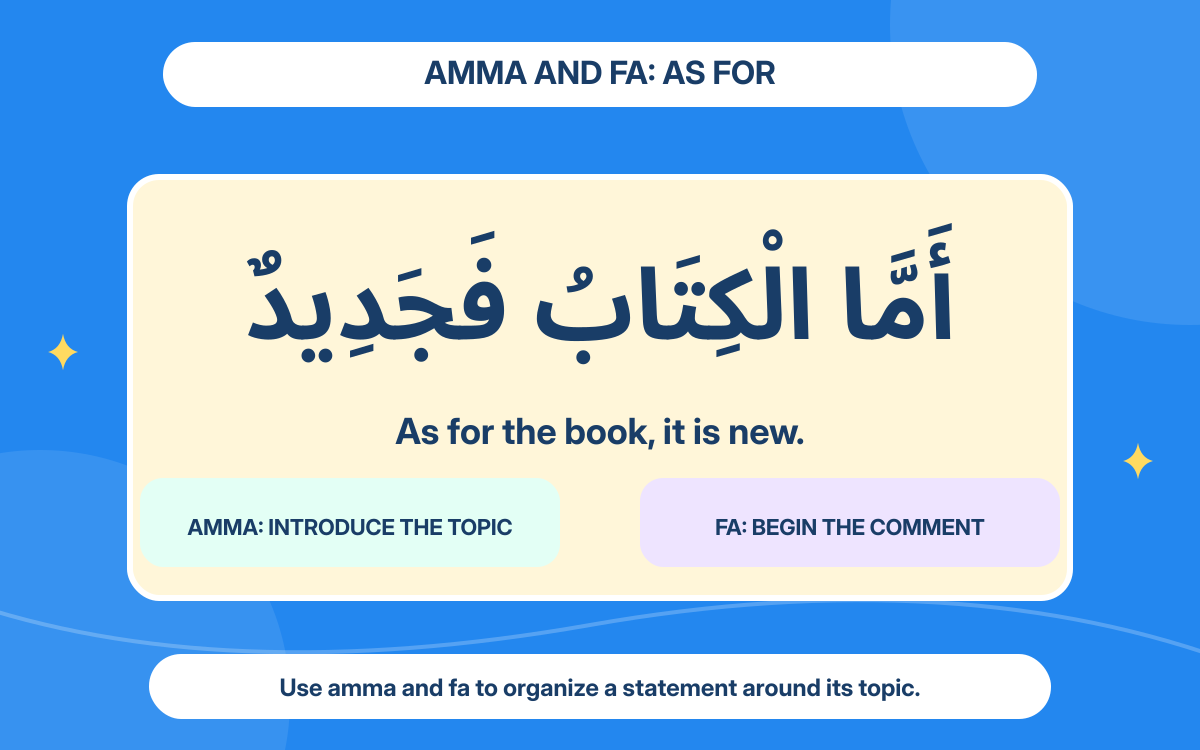
Amma and Fa in Arabic: As For This Topic
أَمَّا الْقَرَارُ فَقَدِ اتَّخَذْتُهُ بَعْدَ تَفْكِيرٍ
Shift to the settled decision with amma, followed by fa introducing the comment.
Idha in Arabic: How to Say When and If
إِذَا تَغَيَّرَ جَدْوَلِي أُخْبِرُكِ مُبَكِّرًا
Use a past-form condition with idha for a possible future schedule change.
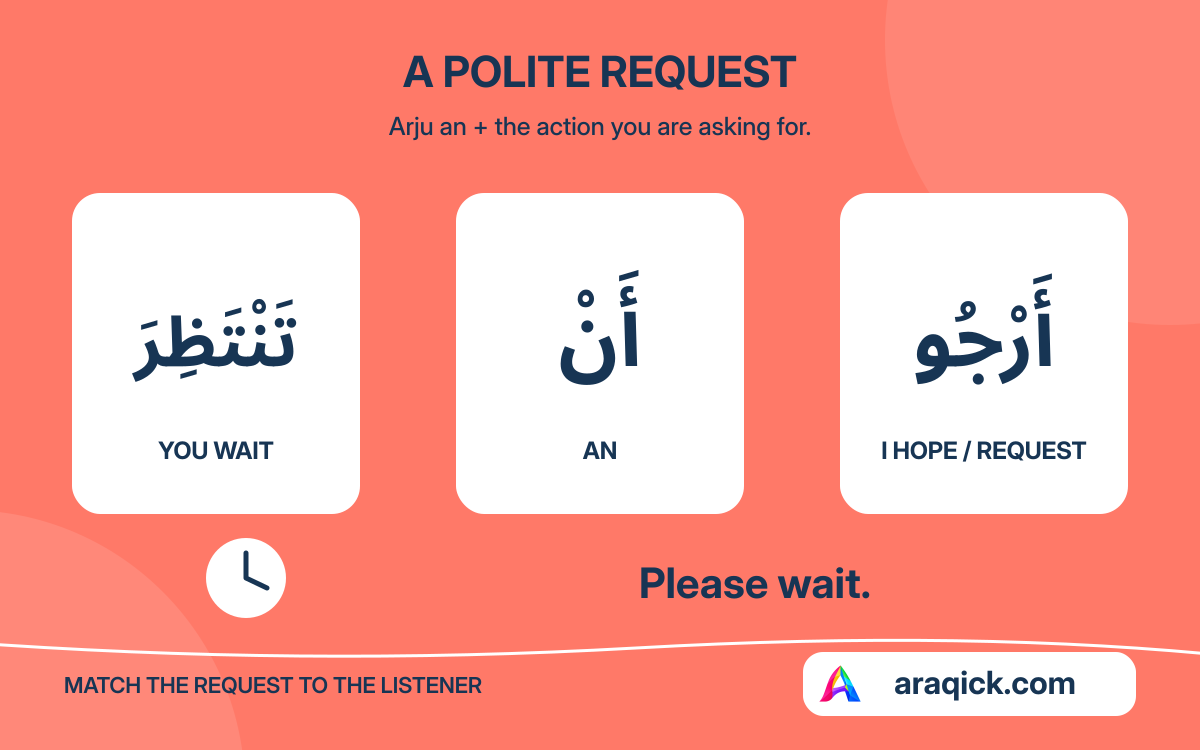
Polite Requests in Arabic: How to Use Arju An
أَرْجُو أَنْ تُخْبِرِينِي
Address a woman politely; the requested verb drops its indicative final nun after an.