Salma and Omar negotiate a smaller training programme and shared computers because their budget cannot cover both original proposals.
01Read the Arabic conversation
تَوْزِيعُ مِيزَانِيَّةٍ مَحْدُودَةٍ بَيْنَ التَّدْرِيبِ وَالْأَجْهِزَةِ
سَلْمَى: بَقِيَتْ سِتَّةُ آلَافِ رِيَالٍ فِي مِيزَانِيَّتِنَا. أَقْتَرِحُ تَخْصِيصَ ثَلَاثَةِ آلَافٍ لِوَرْشَةٍ تُحَسِّنُ مَهَارَاتِ الْفَرِيقِ.
عُمَرُ: وَنَحْتَاجُ إِلَى حَاسُوبَيْنِ بِأَرْبَعَةِ آلَافٍ. الْجَمْعُ بَيْنَ الْمُقْتَرَحَيْنِ يَتَجَاوَزُ الْمَبْلَغَ الْمُتَاحَ بِأَلْفِ رِيَالٍ.
سَلْمَى: صَحِيحٌ، لَكِنَّ التَّدْرِيبَ يُقَلِّلُ الْأَخْطَاءَ عَلَى الْمَدَى الطَّوِيلِ. شِرَاءُ أَجْهِزَةٍ أَسْرَعَ لَا يُحَسِّنُ الْمَهَارَةَ وَحْدَهُ.
عُمَرُ: أَتَّفِقُ مَعَكِ، غَيْرَ أَنَّ الْحَاسُوبَيْنِ الْقَدِيمَيْنِ يَتَوَقَّفَانِ يَوْمِيًّا. حَتَّى الْمُوَظَّفُ الْمَاهِرُ يَعْجِزُ عَنِ الْعَمَلِ عِنْدَئِذٍ.
سَلْمَى: هَلْ دَرَسْتُمْ إِصْلَاحَهُمَا؟ إِذَا كَانَ الْإِصْلَاحُ مُمْكِنًا، فَقَدْ نَحْتَفِظُ بِجُزْءٍ أَكْبَرَ لِلتَّدْرِيبِ.
عُمَرُ: الْإِصْلَاحُ أَرْخَصُ مِنَ الْاِسْتِبْدَالِ، لَكِنَّ التَّقْرِيرَ الْفَنِّيَّ يَصِفُهُ بِأَنَّهُ حَلٌّ مُؤَقَّتٌ لَا يُضْمَنُ نَجَاحُهُ.
سَلْمَى: إِذَنْ أَقْبَلُ ضَرُورَةَ الشِّرَاءِ. لَكِنَّ إِلْغَاءَ التَّدْرِيبِ يَتْرُكُ مُشْكِلَةَ الْأَخْطَاءِ قَائِمَةً؛ هَلْ نُقَلِّصُ نِطَاقَهُ؟
عُمَرُ: هَلْ يُمْكِنُ تَقْدِيمُ وَرْشَةٍ أَقْصَرَ بِأَلْفَيْ رِيَالٍ؟ نَحْتَاجُ إِلَى سِعْرٍ مُؤَكَّدٍ قَبْلَ تَوْزِيعِ الْمَبْلَغِ.
سَلْمَى: لَدَيَّ عَرْضٌ بِهَذَا السِّعْرِ لِجَلْسَةٍ عَبْرَ الْإِنْتَرْنِتِ، لَكِنَّهَا تُغَطِّي مَوْضُوعًا وَاحِدًا بَدَلًا مِنْ ثَلَاثَةٍ.
عُمَرُ: هَذَا مُمْكِنٌ. وَكَيْفَ نَضْمَنُ عَدَالَةَ الْاِسْتِفَادَةِ مِنَ الْحَاسُوبَيْنِ، وَهُمَا لَنْ يَكُونَا مُتَاحَيْنِ لِلْجَمِيعِ فِي وَقْتٍ وَاحِدٍ؟
سَلْمَى: نَجْعَلُهُمَا مُشْتَرَكَيْنِ، وَنَضَعُ جَدْوَلًا يَوْمِيًّا لِلْمَهَامِّ الَّتِي تَحْتَاجُ إِلَى قُدْرَتِهِمَا، بِصَرْفِ النَّظَرِ عَنِ الْقِسْمِ.
عُمَرُ: أُؤَيِّدُ ذَلِكَ، بِشَرْطِ أَلَّا نَنْقُلَهُمَا بَيْنَ الْمَكَاتِبِ كُلَّ سَاعَةٍ. نَضَعُهُمَا فِي مَكَانٍ ثَابِتٍ.
سَلْمَى: مُنَاسِبٌ. الْعَدَالَةُ هُنَا تَعْنِي تَلْبِيَةَ الْحَاجَةِ الْفِعْلِيَّةِ، وَلَا تَعْنِي بِالضَّرُورَةِ إِنْفَاقَ الْمَبْلَغِ نَفْسِهِ عَلَى كُلِّ قِسْمٍ.
عُمَرُ: وَمَا الْمَوْضُوعُ الَّذِي سَنُبْقِيهِ فِي الْوَرْشَةِ؟ يَنْبَغِي أَنْ يَكُونَ مُرْتَبِطًا بِأَكْثَرِ الْأَخْطَاءِ تَكْرَارًا.
سَلْمَى: مُرَاجَعَةُ الْبَيَانَاتِ قَبْلَ إِرْسَالِهَا، لِأَنَّ هَذِهِ الْأَخْطَاءَ تُكَلِّفُنَا وَقْتًا طَوِيلًا. وَنُؤَجِّلُ الْمَوْضُوعَيْنِ الْآخَرَيْنِ.
عُمَرُ: وَكَيْفَ نُسَاعِدُ مَنْ يَتَعَذَّرُ عَلَيْهِ الْحُضُورُ؟ لَا أُرِيدُ أَنْ تَقْتَصِرَ الْفَائِدَةُ عَلَى الْحَاضِرِينَ فَقَطْ.
سَلْمَى: يُعِدُّ الْمُشَارِكُونَ دَلِيلًا قَصِيرًا بِالْخُطُوَاتِ، وَيُطَبِّقُونَهُ مَعَ زُمَلَائِهِمْ عَلَى مِثَالٍ مِنْ عَمَلِنَا الْيَوْمِيِّ.
عُمَرُ: إِذَنْ أَرْبَعَةُ آلَافٍ لِلْأَجْهِزَةِ وَأَلْفَانِ لِلتَّدْرِيبِ. كَيْفَ سَنَعْرِفُ بَعْدَ شَهْرٍ أَنَّ التَّوْزِيعَ كَانَ مُفِيدًا؟
سَلْمَى: نُقَارِنُ وَقْتَ الْاِنْتِظَارِ وَنِسْبَةَ الْأَخْطَاءِ قَبْلَ التَّغْيِيرِ وَبَعْدَهُ، بَدَلًا مِنَ الْاِكْتِفَاءِ بِانْطِبَاعَاتٍ عَامَّةٍ.
عُمَرُ: مَعَ مُرَاعَاةِ حَجْمِ الْعَمَلِ؛ فَقَدْ يَنْخَفِضُ الْاِنْتِظَارُ لِقِلَّةِ الطَّلَبَاتِ، وَلَيْسَ بِسَبَبِ الْأَجْهِزَةِ وَحْدَهَا.
سَلْمَى: صَحِيحٌ، سَنُقَارِنُ فَتَرَاتٍ مُتَقَارِبَةً فِي حَجْمِ الْعَمَلِ، وَنَسْتَخْدِمُ النَّتَائِجَ عِنْدَ مُنَاقَشَةِ الْمِيزَانِيَّةِ الْقَادِمَةِ.
عُمَرُ: مُتَّفِقَانِ. سَأُسَجِّلُ سَبَبَ التَّوْزِيعِ لِيَفْهَمَ الْفَرِيقُ أَسَاسَ قَرَارِنَا.
Show English translationHide English translation
Salma: We have six thousand riyals left in our budget. I suggest allocating three thousand to a workshop that improves the team’s skills.
Omar: And we need two computers costing four thousand. Combining both proposals exceeds the available amount by one thousand riyals.
Salma: True, but training reduces errors in the long term. Buying faster equipment alone does not improve skill.
Omar: I agree, but the two old computers stop working daily. Even a skilled employee cannot work then.
Salma: Have you considered repairing them? If repair is possible, we may keep a larger share for training.
Omar: Repair is cheaper than replacement, but the technical report describes it as a temporary solution whose success is not guaranteed.
Salma: Then I accept the need to buy. However, cancelling training leaves the error problem unresolved; could we narrow its scope?
Omar: Could a shorter workshop cost two thousand riyals? We need a confirmed price before dividing the amount.
Salma: I have a quote at that price for an online session, but it covers one topic instead of three.
Omar: That is possible. How do we ensure fair access to the computers when they cannot be available to everyone simultaneously?
Salma: We make them shared and set a daily schedule for tasks requiring their capacity, regardless of department.
Omar: I support that, provided we do not move them between offices every hour. We put them in a fixed location.
Salma: Suitable. Fairness here means meeting actual needs; it does not necessarily mean spending the same amount on every department.
Omar: Which topic will we keep in the workshop? It should relate to the most frequent errors.
Salma: Checking data before sending it, because these errors cost us a lot of time. We postpone the other two topics.
Omar: How do we help anyone unable to attend? I do not want the benefit limited to attendees.
Salma: Participants prepare a short step-by-step guide and practise it with colleagues using an example from our daily work.
Omar: Then four thousand for equipment and two thousand for training. How will we know after a month whether this allocation was useful?
Salma: We compare waiting time and error rates before and after the change, instead of relying only on general impressions.
Omar: While accounting for workload: waiting time may fall because there are fewer requests, not solely because of the equipment.
Salma: True. We will compare periods with similar workloads and use the results when discussing the next budget.
Omar: Agreed. I will record the reason for the allocation so the team understands the basis for our decision.
02Useful words and expressions
| Arabic in the conversation | Meaning here |
|---|---|
| تَخْصِيصَ | allocating |
| الْمَبْلَغَ الْمُتَاحَ | the available amount |
| عَلَى الْمَدَى الطَّوِيلِ | in the long term |
| حَلٌّ مُؤَقَّتٌ | a temporary solution |
| نُقَلِّصُ نِطَاقَهُ | we narrow its scope |
| عَرْضٌ بِهَذَا السِّعْرِ | a quote at that price |
| بِصَرْفِ النَّظَرِ عَنِ | regardless of |
| الْحَاجَةِ الْفِعْلِيَّةِ | the actual need |
| يَتَعَذَّرُ عَلَيْهِ الْحُضُورُ | is unable to attend |
| مُرَاعَاةِ حَجْمِ الْعَمَلِ | accounting for workload |
03Check your understanding
Choose one answer for each question. Look back at the Arabic conversation for evidence. Open the English question support or a hint when you need help.
What to remember
- Weigh immediate operational needs against longer-term learning benefits.
- Make a concession and evaluate the outcome while considering alternative explanations.
Explore the Arabic in this conversation
Related grammar and vocabularyOpen Araqick guides connected to this conversation.
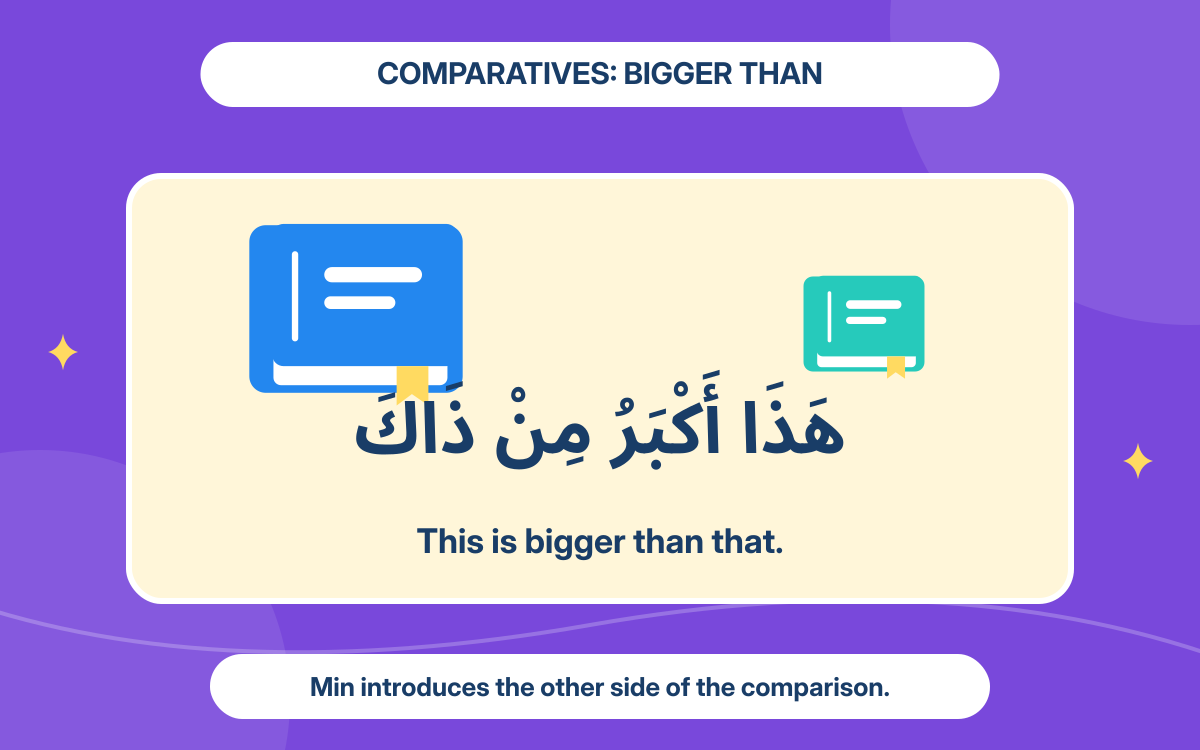
Arabic Comparatives: Bigger Than and Better Than
الْإِصْلَاحُ أَرْخَصُ مِنَ الْاِسْتِبْدَالِ
Use arkhas min to compare costs while leaving room for a different practical choice.
Because in Arabic: Give a Reason with Lianna
لِأَنَّ هَذِهِ الْأَخْطَاءَ تُكَلِّفُنَا وَقْتًا طَوِيلًا
Give the reason for prioritising a training topic with lianna and a complete reason clause.
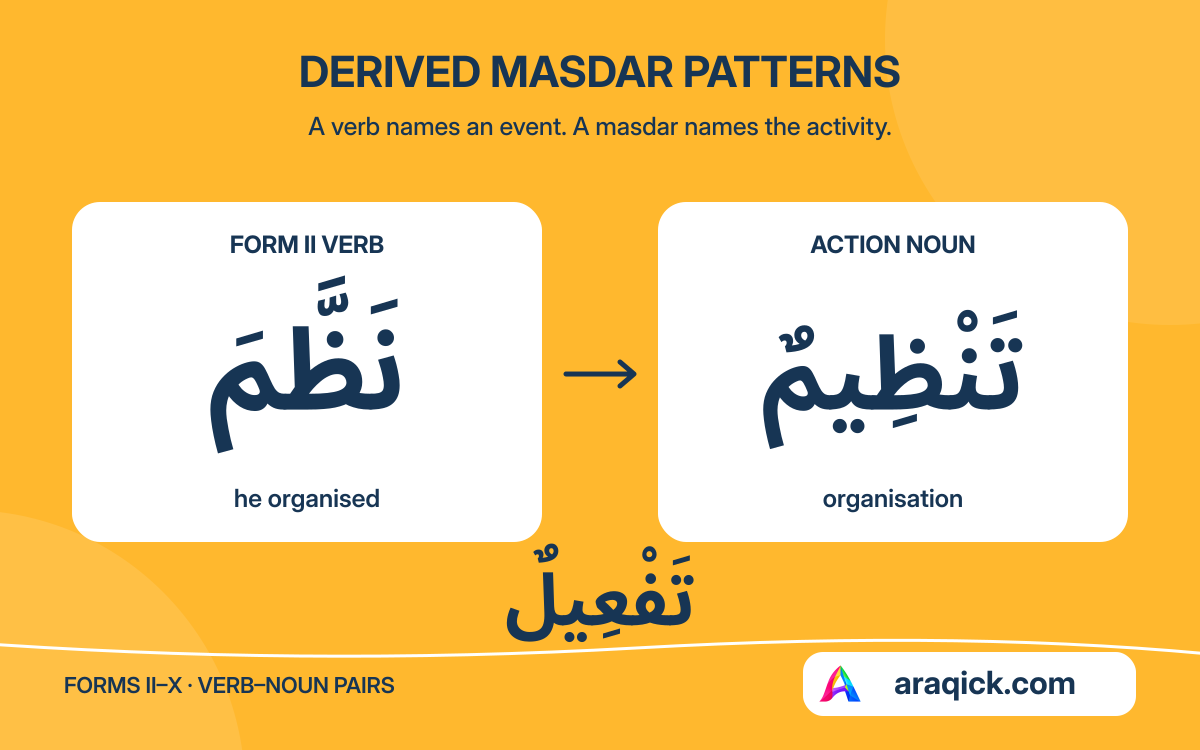
Arabic Masdar Patterns for Derived Verbs
قَبْلَ تَوْزِيعِ الْمَبْلَغِ
Recognise tawzi as the Form II action noun for discussing an allocation.