Two neighbours consider local opportunities while questioning what their observations actually prove.
01Read the Arabic conversation
كَيْفَ يُغَيِّرُ الْعَمَلُ عَنْ بُعْدٍ بَلْدَتَنَا؟
حَسَنٌ: صَارَ ثَلَاثَةٌ مِنْ جِيرَانِنَا يَعْمَلُونَ مِنَ الْبَيْتِ يَوْمَيْنِ أُسْبُوعِيًّا. رُبَّمَا يُنْعِشُ ذَلِكَ مَتَاجِرَ بَلْدَتِنَا.
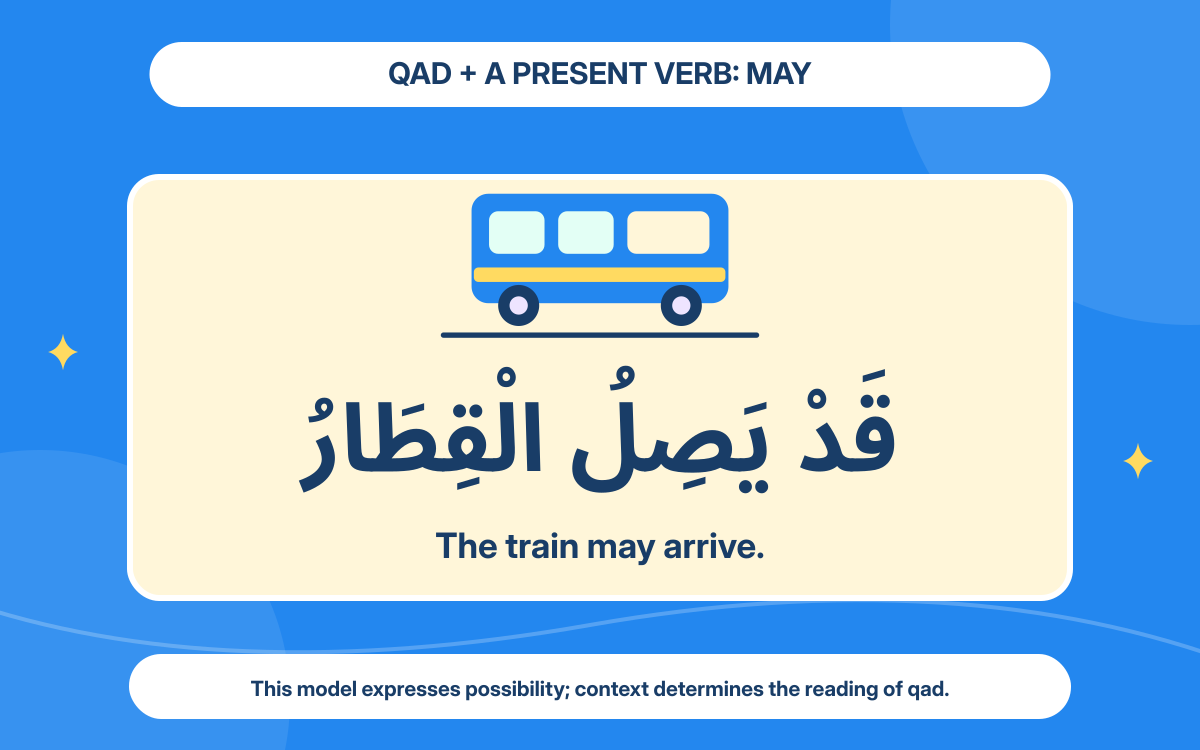
رَامِي: قَدْ يَزْدَادُ الْإِنْفَاقُ الْمَحَلِّيُّ، لَكِنْ هَلْ نَعْلَمُ أَيْنَ يَشْتَرُونَ طَعَامَهُمْ؟ الْبَقَاءُ هُنَا لَا يَضْمَنُ التَّسَوُّقَ هُنَا.
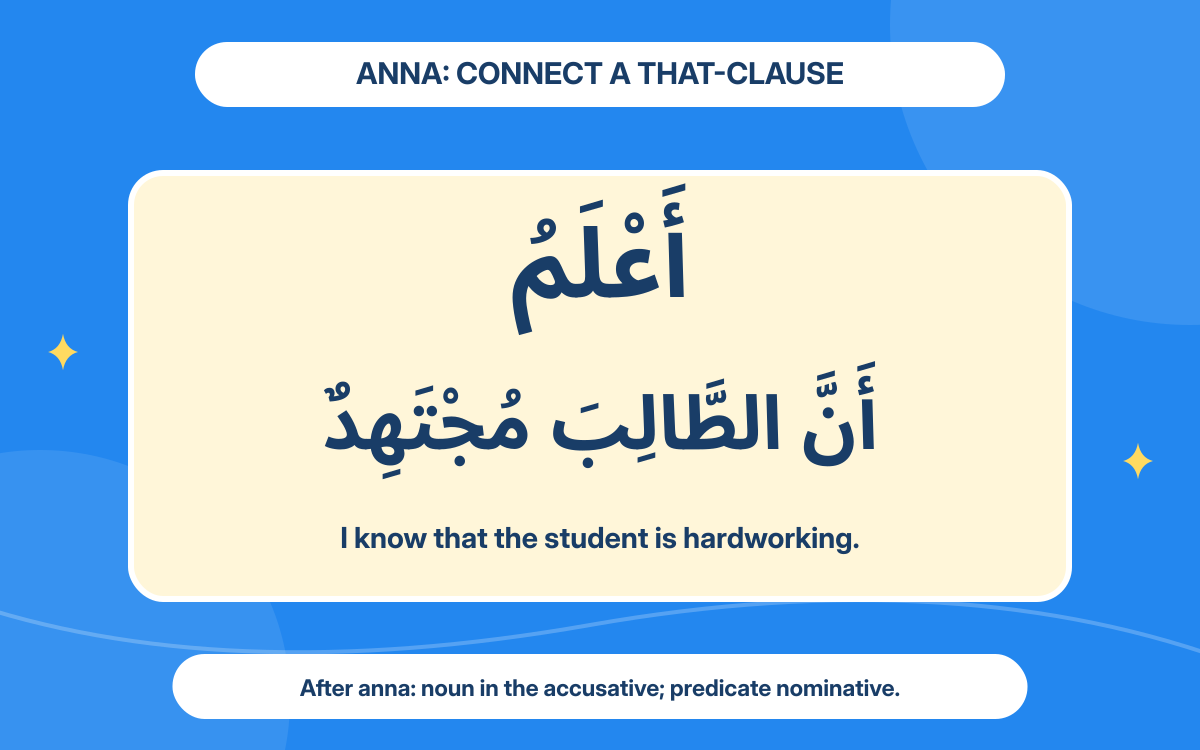
حَسَنٌ: لَاحَظْتُ أَنَّ الْمَقْهَى مُزْدَحِمٌ وَقْتَ الْغَدَاءِ يَوْمَ الْخَمِيسِ الْمَاضِي، وَرَأَيْتُ حَاسُوبَيْنِ عَلَى الطَّاوِلَاتِ.
رَامِي: وَالْخَمِيسُ يَوْمُ السُّوقِ الْأُسْبُوعِيَّةِ. رُبَّمَا كَانَ بَعْضُ الزُّوَّارِ مُتَسَوِّقِينَ، فَلَا نَنْسُبُ الِازْدِحَامَ إِلَى سَبَبٍ وَاحِدٍ.
حَسَنٌ: صَحِيحٌ؛ مُلَاحَظَتِي لَا تُثْبِتُ السَّبَبَ. مَعَ ذَلِكَ، قَدْ تَظْهَرُ حَاجَةٌ إِلَى أَمَاكِنَ هَادِئَةٍ لِلْعَمَلِ.
رَامِي: أُوَافِقُ عَلَى دِرَاسَةِ الْحَاجَةِ، لَا عَلَى بِنَاءِ مَرْكَزٍ جَدِيدٍ فَوْرًا. فَقَدْ يَكُونُ الطَّلَبُ مَحْدُودًا.
حَسَنٌ: فِي الْمَكْتَبَةِ غُرْفَةٌ شَاغِرَةٌ صَبَاحًا. يُمْكِنُ تَخْصِيصُهَا لِلْعَمَلِ يَوْمَيْنِ فِي الْأُسْبُوعِ عَلَى سَبِيلِ التَّجْرِبَةِ.
رَامِي: بِشَرْطِ أَلَّا نَأْخُذَ مَكَانَ الطُّلَّابِ، وَأَنْ نَمْنَعَ الْمُكَالَمَاتِ الْمُزْعِجَةَ؛ فَالْمَكْتَبَةُ تَخْدُمُ الْجَمِيعَ.
حَسَنٌ: نُجَرِّبُ ذَلِكَ سِتَّةَ أَسَابِيعَ، وَنَسْأَلُ الْمُسْتَخْدِمِينَ وَالْمُوَظَّفِينَ عَنْ فَائِدَةِ الْغُرْفَةِ وَأَثَرِهَا عَلَى الْهُدُوءِ.
رَامِي: وَنُسَجِّلُ عَدَدَ الْحَاضِرِينَ. وَلَا نَفْتَرِضُ أَنَّ كُلَّ عَامِلٍ عَنْ بُعْدٍ يَمْلِكُ دَخْلًا مُرْتَفِعًا.
حَسَنٌ: أَقْلَقُ أَيْضًا مِنَ الْإِيجَارَاتِ؛ فَقَدْ رَأَيْتُ إِعْلَانَيْنِ لِشَقَّتَيْنِ بِأَسْعَارٍ أَعْلَى مِنْ إِعْلَانَاتِ الشَّهْرِ الْمَاضِي.
رَامِي: هَذِهِ أَسْعَارٌ مَطْلُوبَةٌ، لَا عُقُودٌ مُوَقَّعَةٌ. وَقَدْ تَخْتَلِفُ مَسَاحَةُ الشُّقَقِ؛ لِذَلِكَ يَلْزَمُنَا تَحَقُّقٌ أَوْسَعُ.
حَسَنٌ: إِذَنْ لَا أَصِفُهَا بِأَنَّهَا زِيَادَةٌ مُؤَكَّدَةٌ سَبَبُهَا الْعَمَلُ عَنْ بُعْدٍ، وَلَكِنِّي لَا أَتَجَاهَلُ الْقَلَقَ.
رَامِي: بِالضَّبْطِ. نَسْأَلُ السُّكَّانَ عَنِ التَّغَيُّرَاتِ الَّتِي يَلْحَظُونَهَا، وَنُقَارِنُ شُقَقًا مُتَشَابِهَةً عَبْرَ مُدَّةٍ أَطْوَلَ.
حَسَنٌ: وَمَاذَا عَنِ الْحَافِلَاتِ؟ إِذَا قَلَّتْ رِحْلَاتُ الْعَمَلِ، فَهَلْ تَقِلُّ الْحَاجَةُ إِلَى الْخِدْمَةِ؟
رَامِي: رُبَّمَا فِي بَعْضِ الْأَوْقَاتِ، لَكِنَّ الْعَمَلَ الْهَجِينَ يَتَطَلَّبُ السَّفَرَ أَيْضًا، وَالطُّلَّابُ وَغَيْرُهُمْ يَحْتَاجُونَ الْحَافِلَاتِ.
حَسَنٌ: لَا نُوصِي إِذَنْ بِخَفْضِ الرِّحْلَاتِ بِنَاءً عَلَى تَجْرِبَةِ جِيرَانِنَا وَحْدَهُمْ؛ بَلْ نَدْرُسُ الِاسْتِخْدَامَ الْفِعْلِيَّ.
رَامِي: هُنَاكَ جَانِبٌ اجْتِمَاعِيٌّ أَيْضًا. الْعَمَلُ فِي الْبَيْتِ قَدْ يُقَلِّلُ اللِّقَاءَاتِ الْعَفْوِيَّةَ، حَتَّى مَعَ الْقُرْبِ مِنَ الْجِيرَانِ.
حَسَنٌ: يُمْكِنُ تَنْظِيمُ لِقَاءٍ مَفْتُوحٍ فِي الْمَكْتَبَةِ لِلسُّكَّانِ الْقُدَامَى وَالْجُدُدِ، دُونَ إِلْزَامِهِمْ بِشِرَاءِ شَيْءٍ.
رَامِي: فِكْرَةٌ جَيِّدَةٌ، مَا دَامَتِ الْمُشَارَكَةُ اخْتِيَارِيَّةً. وَلْنَسْأَلْ عَنْ مَوْعِدٍ يُنَاسِبُ مَنْ لَا يَعْمَلُ عَنْ بُعْدٍ أَيْضًا.
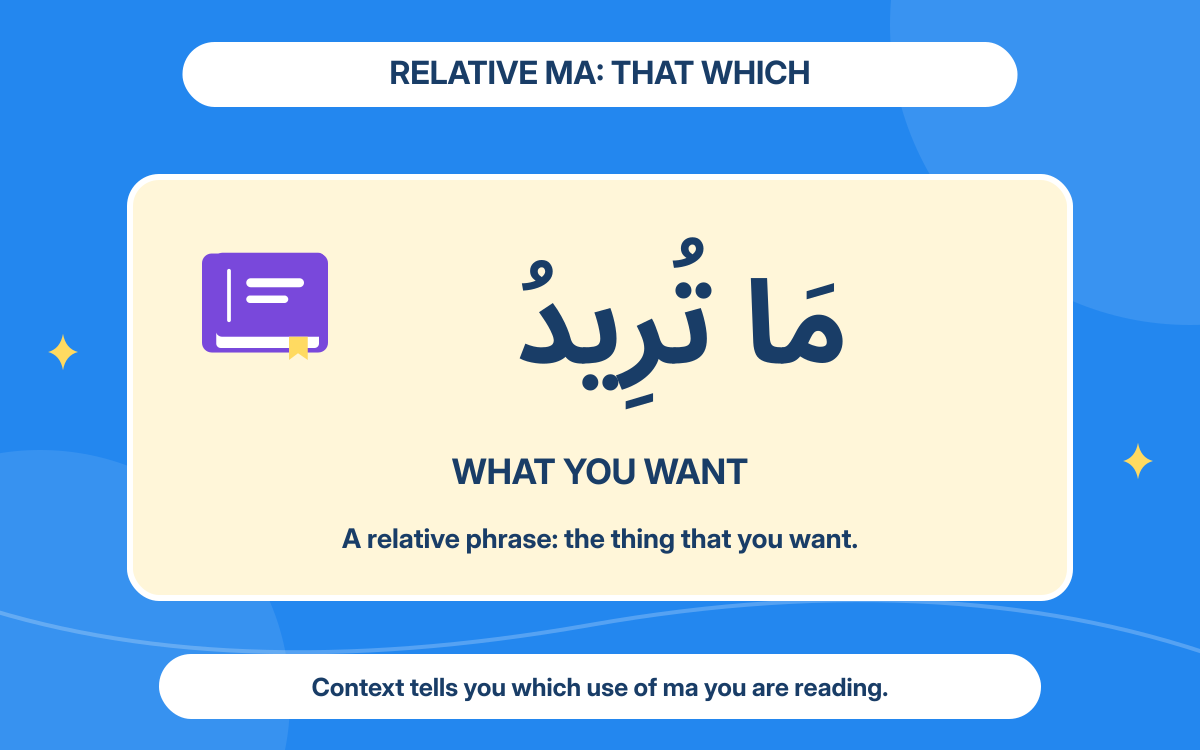
حَسَنٌ: سَأَكْتُبُ اقْتِرَاحًا يَفْصِلُ بَيْنَ مَا لَاحَظْنَاهُ وَمَا نَتَوَقَّعُهُ، وَيَبْدَأُ بِتَجْرِبَةٍ صَغِيرَةٍ قَابِلَةٍ لِلْمُرَاجَعَةِ.
رَامِي: هَذَا أَنْسَبُ؛ فَالْفُرَصُ مُمْكِنَةٌ، لَكِنَّ نَتَائِجَهَا تَعْتَمِدُ عَلَى حَاجَاتِ السُّكَّانِ وَكَيْفِيَّةِ تَنْظِيمِ الْخَدَمَاتِ.
Show English translationHide English translation
Hasan: Three neighbours now work from home two days weekly. Perhaps that will revive our town’s shops.
Rami: Local spending may increase, but do we know where they buy food? Staying here does not guarantee shopping here.
Hasan: I noticed the café was busy at lunchtime last Thursday and saw two laptops on the tables.
Rami: Thursday is market day. Some visitors may have been shoppers, so we should not attribute the crowd to one cause.
Hasan: True; my observation does not establish the cause. Still, a need for quiet workplaces may emerge.
Rami: I agree to investigate the need, not immediately build a centre. Demand may be limited.
Hasan: The library has a room vacant in the mornings. It could be designated for work two days weekly as a trial.
Rami: Provided we do not take students’ places and prevent disruptive calls; the library serves everyone.
Hasan: We could try it for six weeks, asking users and staff about its usefulness and effect on quiet.
Rami: We should also record attendance. And we should not assume every remote worker has a high income.
Hasan: I also worry about rents; I saw two flat advertisements with higher prices than last month’s listings.
Rami: Those are asking prices, not signed contracts. Flat sizes may differ, so we need broader verification.
Hasan: Then I should not describe them as a confirmed increase caused by remote work, but I will not dismiss the concern.
Rami: Exactly. We can ask residents about changes they notice and compare similar flats over a longer period.
Hasan: What about buses? If commuting decreases, does the need for the service decrease?
Rami: Perhaps at some times, but hybrid work still requires travel, and students and others need buses.
Hasan: Then we should not recommend fewer services based only on our neighbours’ experience; we should study actual usage.
Rami: There is a social aspect too. Working at home may reduce spontaneous meetings, even when neighbours are nearby.
Hasan: An open library gathering could bring established and new residents together without requiring a purchase.
Rami: Good idea, provided participation is optional. Let us also ask about a time suitable for people who do not work remotely.
Hasan: I will write a proposal separating observations from predictions, starting with a small trial that can be reviewed.
Rami: That is more appropriate; opportunities are possible, but outcomes depend on residents’ needs and how services are organised.
02Useful words and expressions
| Arabic in the conversation | Meaning here |
|---|---|
| يُنْعِشُ | revives |
| الْإِنْفَاقُ الْمَحَلِّيُّ | local spending |
| نَنْسُبُ | we attribute |
| غُرْفَةٌ شَاغِرَةٌ | a vacant room |
| عَلَى سَبِيلِ التَّجْرِبَةِ | as a trial |
| أَسْعَارٌ مَطْلُوبَةٌ | asking prices |
| عُقُودٌ مُوَقَّعَةٌ | signed contracts |
| الْعَمَلَ الْهَجِينَ | hybrid work |
| اللِّقَاءَاتِ الْعَفْوِيَّةَ | spontaneous meetings |
| قَابِلَةٍ لِلْمُرَاجَعَةِ | open to review |
03Check your understanding
Choose one answer for each question. Look back at the Arabic conversation for evidence. Open the English question support or a hint when you need help.
What to remember
- Separate observations from uncertain causes and predictions.
- Consider different residents before changing shared services.
Explore the Arabic in this conversation
Related grammar and vocabularyOpen Araqick guides connected to this conversation.
Qad with an Arabic Imperfect Verb: Reading May in Context
قَدْ يَزْدَادُ الْإِنْفَاقُ الْمَحَلِّيُّ
Read qad as a possibility in this prediction about spending.
Anna in Arabic: I Know That and I Think That
لَاحَظْتُ أَنَّ الْمَقْهَى مُزْدَحِمٌ
Follow the reported observation introduced with anna.
Relative Ma in Arabic: What You Want and What They Said
مَا لَاحَظْنَاهُ
Identify the observed content with relative ma.