Laila and Nabil negotiate classroom phone rules with educational uses, individual needs, and a review period.
01Read the Arabic conversation
مُنَاقَشَةُ قَوَاعِدِ اسْتِخْدَامِ الْهَاتِفِ فِي الصَّفِّ
لَيْلَى: أُفَكِّرُ فِي مَنْعِ اسْتِخْدَامِ الْهَوَاتِفِ أَثْنَاءَ الدَّرْسِ. تَوَقَّفَ نِقَاشُنَا مَرَّتَيْنِ أَمْسِ بِسَبَبِ الْإِشْعَارَاتِ.
نَبِيلٌ: أَتَفَهَّمُ الْإِزْعَاجَ، يَا أُسْتَاذَةُ لَيْلَى. لَكِنَّ بَعْضَنَا يَسْتَخْدِمُ الْهَاتِفَ لِلْبَحْثِ عَنْ مَعَانِي الْكَلِمَاتِ.
لَيْلَى: لَا أُنْكِرُ هَذِهِ الْفَائِدَةَ، وَلَكِنَّ الِانْتِقَالَ مِنَ الْقَامُوسِ إِلَى الرَّسَائِلِ سَهْلٌ. يَصْعُبُ عَلَيَّ مُتَابَعَةُ كُلِّ شَاشَةٍ.
نَبِيلٌ: هَلْ نَحْتَاجُ إِلَى مُرَاقَبَةِ الشَّاشَاتِ؟ رُبَّمَا نُحَدِّدُ وَقْتًا لِلْبَحْثِ، وَنُبْعِدُ الْهَوَاتِفَ أَثْنَاءَ النِّقَاشِ.
لَيْلَى: هَذَا أَفْضَلُ مِنْ فَحْصِ الْهَوَاتِفِ، لَكِنْ بَعْضُ الْأَنْشِطَةِ يَحْتَاجُ إِلَى تَرْكِيزٍ مُتَّصِلٍ. حَتَّى الْبَحْثُ الْمُفِيدُ قَدْ يُقَاطِعُهَا.
نَبِيلٌ: صَحِيحٌ. نَكْتُبُ الْكَلِمَاتِ الصَّعْبَةَ وَنَبْحَثُ عَنْهَا بَعْدَ النِّقَاشِ. لَا يَجِبُ أَنْ نَعْرِفَ كُلَّ مَعْنًى فَوْرًا.
لَيْلَى: أَقْتَرِحُ وَضْعَ الْهَوَاتِفِ فِي الْحَقَائِبِ مَعَ إِيقَافِ الصَّوْتِ، إِلَّا إِذَا طَلَبْتُ اسْتِخْدَامَهَا لِنَشَاطٍ مُحَدَّدٍ.
نَبِيلٌ: أُوَافِقُ، وَلَكِنْ لَيْسَ لِكُلِّ طَالِبٍ هَاتِفٌ مُنَاسِبٌ. لَا نُرِيدُ أَنْ تَصِيرَ الْمُشَارَكَةُ مُرْتَبِطَةً بِامْتِلَاكِ جِهَازٍ.
لَيْلَى: سَأُوَفِّرُ بَدِيلًا وَرَقِيًّا فِي الْأَنْشِطَةِ نَفْسِهَا. وَيُمْكِنُ اسْتِخْدَامُ الْهَاتِفِ فِي أَزْوَاجٍ إِذَا نَاسَبَ الْمُهِمَّةَ.
نَبِيلٌ: وَمَاذَا عَمَّنْ يَحْتَاجُ إِلَى أَدَاةٍ لِتَكْبِيرِ النَّصِّ؟ قَدْ يُؤَدِّي تَطْبِيقُ الْقَاعِدَةِ حَرْفِيًّا إِلَى صُعُوبَةٍ أَكْبَرَ لَهُ.
لَيْلَى: نَتَّفِقُ عَلَى تَرْتِيبٍ خَاصٍّ حَسَبَ الْحَاجَةِ. أَرْجُو أَنْ تُخْبِرَنِي عَلَى انْفِرَادٍ، دُونَ شَرْحِ التَّفَاصِيلِ أَمَامَ الصَّفِّ.
نَبِيلٌ: هَذَا مُهِمٌّ. وَأَحْيَانًا أَنْتَظِرُ اتِّصَالًا عَاجِلًا مِنْ أُسْرَتِي، وَلَا أَسْتَطِيعُ تَأْجِيلَهُ إِلَى نِهَايَةِ الدَّرْسِ.
لَيْلَى: إِذَا أَخْبَرْتَنِي قَبْلَ الدَّرْسِ نَتَّفِقُ عَلَى خُرُوجِكَ بِهُدُوءٍ عِنْدَ الِاتِّصَالِ. هَذَا اسْتِثْنَاءٌ لِحَاجَةٍ، وَلَيْسَ إِذْنًا مُفْتُوحًا.
نَبِيلٌ: أَتَّفِقُ مَعَكِ. لَكِنْ أَخْشَى أَنْ يُعَاقَبَ الْجَمِيعُ إِذَا خَالَفَ طَالِبٌ وَاحِدٌ هَذَا الِاتِّفَاقَ.
لَيْلَى: نُعَالِجُ التَّصَرُّفَ الْمُحَدَّدَ مَعَ صَاحِبِهِ. نَبْدَأُ بِتَذْكِيرٍ، ثُمَّ نَتَحَدَّثُ عَلَى انْفِرَادٍ إِذَا تَكَرَّرَ التَّشْتِيتُ.
نَبِيلٌ: وَهَلْ نُرَاجِعُ الْقَاعِدَةَ بَعْدَ تَجْرِبَتِهَا؟ حَادِثَتَا الْأَمْسِ لَا تَعْنِيَانِ أَنَّ كُلَّ اسْتِخْدَامٍ لِلْهَاتِفِ مُضِرٌّ.
لَيْلَى: مَعَكَ حَقٌّ. نُجَرِّبُهَا أُسْبُوعَيْنِ وَنَرَى أَثَرَهَا فِي التَّرْكِيزِ وَالْمُشَارَكَةِ، ثُمَّ نَسْمَعُ مُلَاحَظَاتِ الصَّفِّ.
نَبِيلٌ: إِذَنْ لَا نَقِيسُ النَّجَاحَ بِعَدَدِ الْهَوَاتِفِ الْمُخْتَفِيَةِ فَقَطْ، بَلْ بِمَا إِذَا كَانَ الطُّلَّابُ يَتَعَلَّمُونَ وَيُشَارِكُونَ أَفْضَلَ.
لَيْلَى: بِالضَّبْطِ. أَمَّا الْبَحْثُ فَنُخَصِّصُ لَهُ خَمْسَ دَقَائِقَ فِي نَشَاطِ الْيَوْمِ، ثُمَّ نَعُودُ إِلَى الْمُنَاقَشَةِ.
نَبِيلٌ: سَأَضْبِطُ الْمُؤَقِّتَ وَأُغْلِقُ الرَّسَائِلَ. وَإِذَا لَمْ نُكْمِلِ الْبَحْثَ نَسْأَلُ عَنِ التَّمْدِيدِ بَدَلًا مِنْ مُتَابَعَتِهِ خِلَالَ النِّقَاشِ.
لَيْلَى: جَيِّدٌ. سَأَكْتُبُ الْقَاعِدَةَ وَالِاسْتِثْنَاءَاتِ بِوُضُوحٍ، حَتَّى لَا يَضْطَرَّ كُلُّ طَالِبٍ إِلَى تَخْمِينِ مَا هُوَ مَسْمُوحٌ.
نَبِيلٌ: أَرَى أَنَّ هَذَا الِاتِّفَاقَ يَحْمِي التَّرْكِيزَ وَيَتْرُكُ مَجَالًا لِلْحَاجَاتِ الْحَقِيقِيَّةِ. سَنُخْبِرُكِ بِمَا يَنْجَحُ وَمَا يَحْتَاجُ إِلَى تَعْدِيلٍ.
Show English translationHide English translation
Laila: I am considering banning phone use during lessons. Notifications interrupted our discussion twice yesterday.
Nabil: I understand the disruption, Ms Laila. But some of us use phones to look up word meanings.
Laila: I acknowledge that benefit, but moving from the dictionary to messages is easy. I cannot easily monitor every screen.
Nabil: Do we need screen monitoring? Perhaps set a time for research and put phones away during discussion.
Laila: That is better than inspecting phones, but some activities require sustained concentration. Even useful searches can interrupt them.
Nabil: True. We can note difficult words and look them up after discussion. We need not know every meaning immediately.
Laila: I suggest keeping phones silent in bags, unless I ask for their use in a specific activity.
Nabil: I agree, but not every student has a suitable phone. Participation should not depend on owning a device.
Laila: I will provide a paper alternative in those activities. Students can also work in pairs with a phone when appropriate.
Nabil: What about someone who needs a text magnification tool? Applying the rule literally might create greater difficulty for them.
Laila: We can agree on an individual arrangement as needed. Please tell me privately, without explaining details to the class.
Nabil: That matters. Sometimes I await an urgent family call and cannot postpone it until the lesson ends.
Laila: If you tell me before class, we can arrange for you to step out quietly for the call. This is a specific exception, not unrestricted permission.
Nabil: I agree. But I worry everyone might be punished if one student breaks the agreement.
Laila: We address the specific behaviour with that student: a reminder first, then a private conversation if distraction recurs.
Nabil: Will we review the rule after trying it? Yesterday’s two incidents do not mean every phone use is harmful.
Laila: You are right. We will try it for two weeks, consider concentration and participation, then hear the class’s feedback.
Nabil: So success is not just fewer visible phones, but whether students learn and participate better.
Laila: Exactly. For research, we will allocate five minutes in today’s activity, then return to discussion.
Nabil: I will set a timer and close messages. If research is unfinished, we will ask for more time rather than continue during discussion.
Laila: Good. I will write the rule and exceptions clearly so students do not have to guess what is allowed.
Nabil: This agreement protects concentration while accommodating real needs. We will tell you what works and what needs adjustment.
02Useful words and expressions
| Arabic in the conversation | Meaning here |
|---|---|
| الْإِشْعَارَاتِ | notifications |
| مُرَاقَبَةِ الشَّاشَاتِ | monitoring screens |
| تَرْكِيزٍ مُتَّصِلٍ | sustained concentration |
| بَدِيلًا وَرَقِيًّا | a paper alternative |
| لِتَكْبِيرِ النَّصِّ | for magnifying text |
| تَرْتِيبٍ خَاصٍّ | an individual arrangement |
| إِذْنًا مُفْتُوحًا | unrestricted permission |
| تَذْكِيرٍ | a reminder |
| الْمُؤَقِّتَ | the timer |
| التَّمْدِيدِ | an extension |
03Check your understanding
Choose one answer for each question. Look back at the Arabic conversation for evidence. Open the English question support or a hint when you need help.
What to remember
- Evaluate examples without treating them as proof of a universal rule.
- Negotiate clear boundaries, relevant exceptions, and a practical review.
Explore the Arabic in this conversation
Related grammar and vocabularyOpen Araqick guides connected to this conversation.
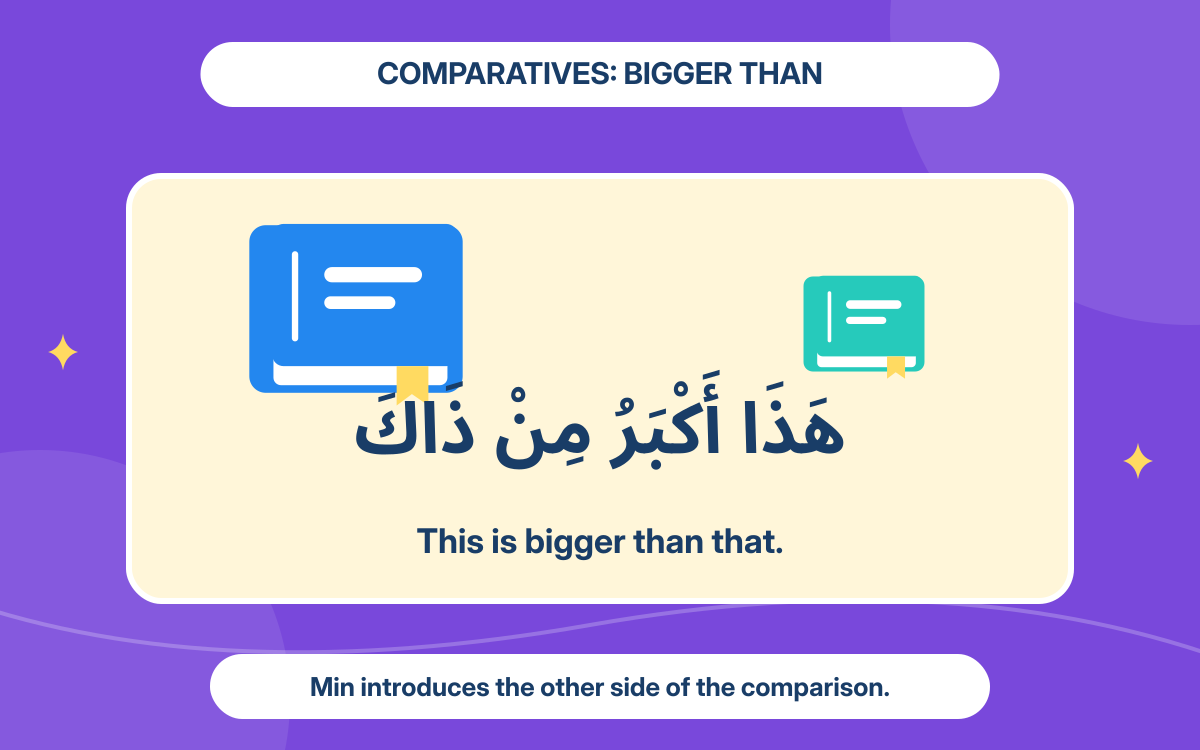
Arabic Comparatives: Bigger Than and Better Than
هَذَا أَفْضَلُ مِنْ فَحْصِ الْهَوَاتِفِ
Compare a proposed arrangement with inspecting phones using afdal min.
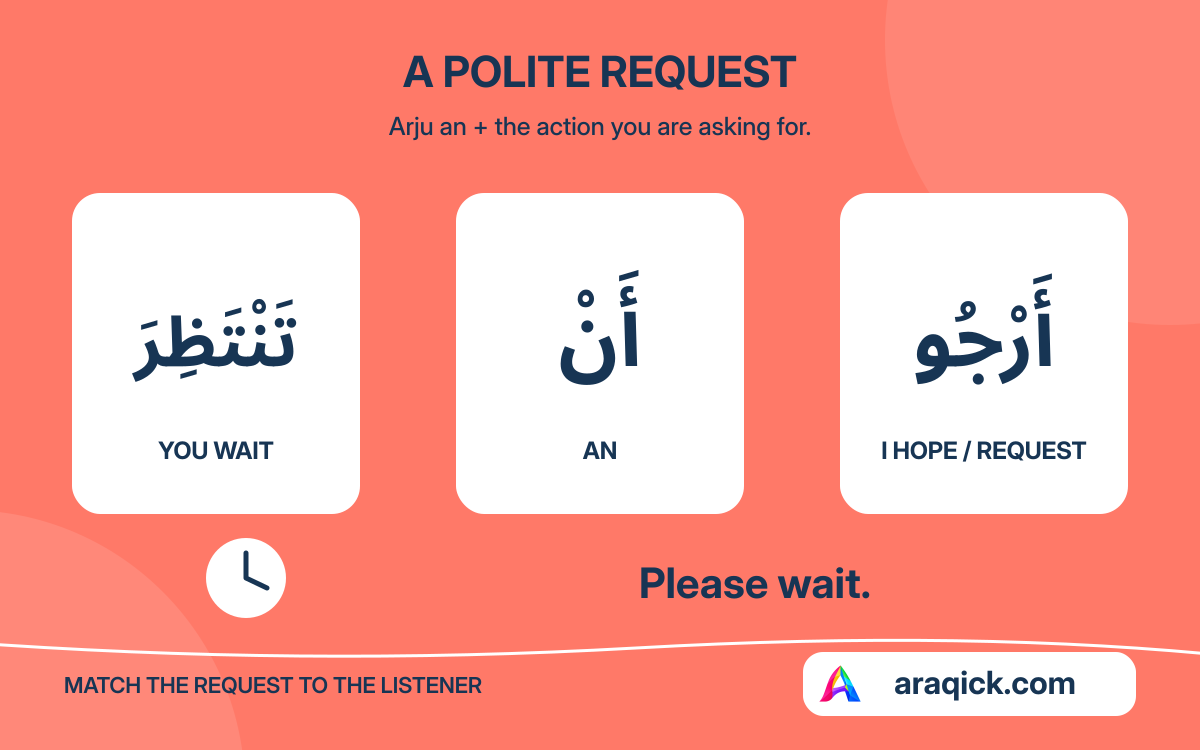
Polite Requests in Arabic: How to Use Arju An
أَرْجُو أَنْ تُخْبِرَنِي عَلَى انْفِرَادٍ
Make a polite request with arju an and the subjunctive verb tukhbirani.
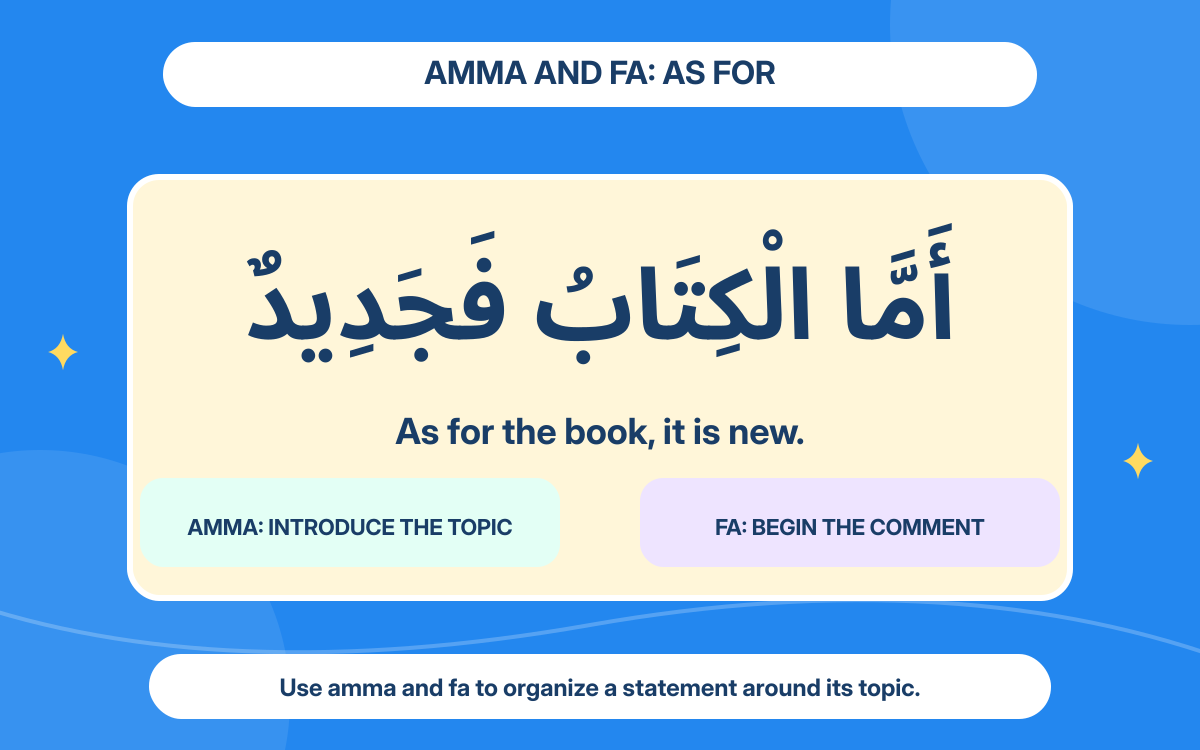
Amma and Fa in Arabic: As For This Topic
أَمَّا الْبَحْثُ فَنُخَصِّصُ لَهُ خَمْسَ دَقَائِقَ
Introduce research as a topic, with fa linking the practical arrangement.