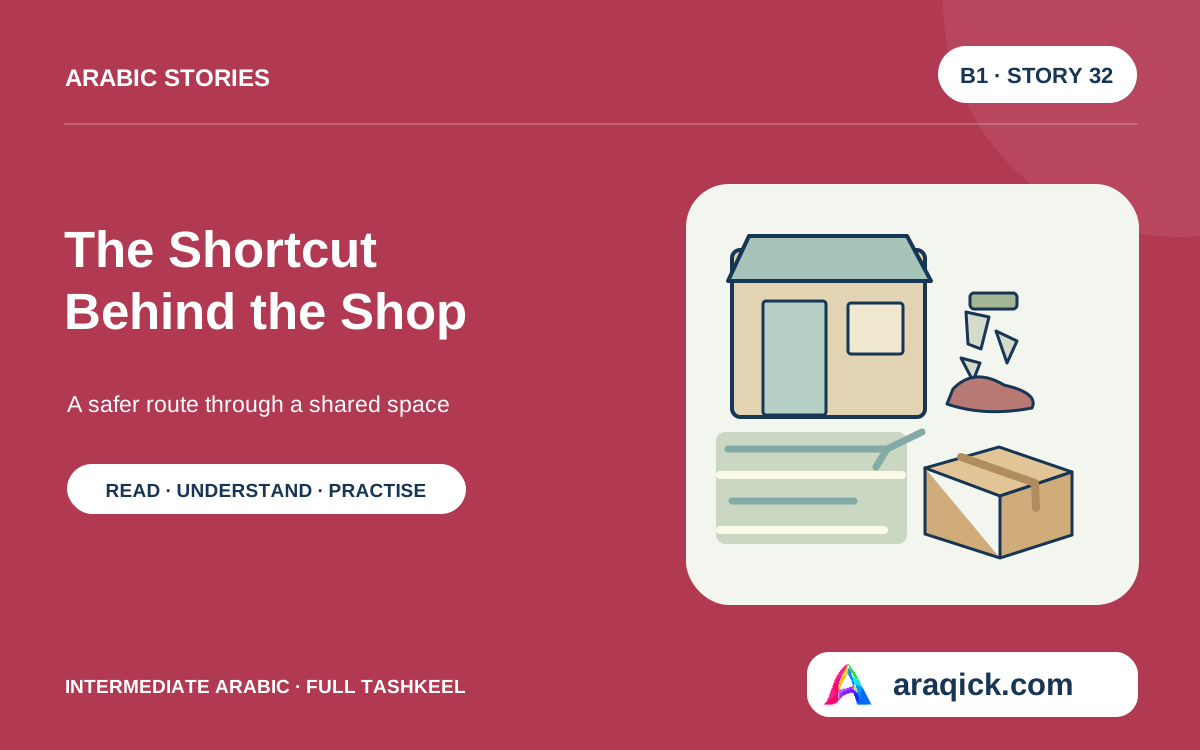
A familiar shortcut saves the neighbours time, but a delivery accident shows what that convenience costs the shopkeeper. They look for a way to share the passage safely.
01Read the Arabic story
الطَّرِيقُ الْمُخْتَصَرُ خَلْفَ الْمَتْجَرِ
كُنْتُ أَمُرُّ كُلَّ صَبَاحٍ خَلْفَ مَتْجَرِ سَلِيمٍ لِأَصِلَ إِلَى مَوْقِفِ الْحَافِلَةِ. كَانَ هَذَا الطَّرِيقُ أَقْصَرَ مِنَ الشَّارِعِ الرَّئِيسِيِّ، وَيُوَفِّرُ عَلَيَّ خَمْسَ دَقَائِقَ. اِسْتَخْدَمَهُ جِيرَانٌ آخَرُونَ أَيْضًا، حَتَّى ظَنَنَّا أَنَّهُ مَمَرٌّ عَامٌّ. لَمْ نَسْأَلْ سَلِيمًا عَنْهُ، وَلَمْ نَفْهَمْ لِمَاذَا كَانَ يَنْظُرُ إِلَيْنَا بِقَلَقٍ عِنْدَ وَصُولِ شَاحِنَةِ الْبَضَائِعِ.
فِي أَحَدِ الْأَيَّامِ، وَجَدْنَا حَبْلًا أَمَامَ الْمَمَرِّ. غَضِبَ جَارِي وَقَالَ إِنَّ سَلِيمًا يُصَعِّبُ حَيَاتَنَا. بَيْنَمَا كُنَّا نَتَحَدَّثُ، رَأَيْنَا عَامِلًا يَجْمَعُ قِطَعَ زُجَاجٍ مِنَ الْأَرْضِ. أَوْضَحَ سَلِيمٌ أَنَّ رَجُلًا مَسْرُورًا بِالطَّرِيقِ الْقَصِيرِ مَرَّ مُسْرِعًا قَبْلَ قَلِيلٍ، فَاضْطُرَّ الْعَامِلُ إِلَى إِيقَافِ عَرَبَتِهِ فَجْأَةً، وَسَقَطَ مِنْهَا صُنْدُوقُ مُرَبًّى.
قَالَ سَلِيمٌ إِنَّ الْمَمَرَّ جُزْءٌ مِنْ مَتْجَرِهِ، وَإِنَّهُ يَسْتَخْدِمُهُ لِاسْتِلَامِ الطَّلَبَاتِ. لَمْ يَكُنْ يُرِيدُ مَنْعَ الْجِيرَانِ مِنَ الْمُرُورِ، لَكِنَّهُ لَا يَسْتَطِيعُ نَقْلَ الصَّنَادِيقِ وَالنَّاسُ يَمْشُونَ بَيْنَهَا. نَظَرْتُ إِلَى الْبَابِ الْخَلْفِيِّ، فَرَأَيْتُ أَنَّهُ الْمَدْخَلُ الْوَحِيدُ الْوَاسِعُ بِمَا يَكْفِي لِعَرَبَةِ الْبَضَائِعِ. عِنْدَئِذٍ سَأَلْتُهُ عَمَّا يُمْكِنُنَا فِعْلُهُ.
بَعْدَ أَنْ أُنْزِلَتِ الْبَضَائِعُ، قِسْنَا عَرْضَ الْمَمَرِّ مَعًا. كَانَ فِيهِ مَكَانٌ لِخَطٍّ أَبْيَضَ يُحَدِّدُ طَرِيقَ الْمُشَاةِ بَعِيدًا عَنْ مَوْضِعِ الصَّنَادِيقِ. سَمَحَ سَلِيمٌ بِالْمُرُورِ خِلَالَ سَاعَاتِ فَتْحِ الْمَتْجَرِ، بِشَرْطِ اسْتِخْدَامِ الشَّارِعِ الْآخَرِ أَثْنَاءَ التَّفْرِيغِ. سَاعَدْنَاهُ فِي رَسْمِ الْخَطِّ، وَعَلَّقْنَا لَافِتَةً تَشْرَحُ الْقَاعِدَةَ عِنْدَ مَدْخَلِ الطَّرِيقِ الْمُخْتَصَرِ.
فِي الْأُسْبُوعِ التَّالِي، بَقِيَ الْخَطُّ خَالِيًا مِنَ الصَّنَادِيقِ، وَصَارَ الْجِيرَانُ يَسِيرُونَ عَلَيْهِ بِهُدُوءٍ. ذَاتَ صَبَاحٍ وَصَلْتُ مُتَأَخِّرًا قَلِيلًا وَرَأَيْتُ الشَّاحِنَةَ. لَمْ يَكُنْ سَلِيمٌ وَاقِفًا عِنْدَ الْمَدْخَلِ، وَلَمْ يَكُنْ هُنَاكَ حَبْلٌ. مَعَ ذَلِكَ، اِتَّجَهْتُ إِلَى الشَّارِعِ الرَّئِيسِيِّ. لَحِقَ بِي جَارِي، وَأَكْمَلْنَا الطَّرِيقَ الطَّوِيلَ مَعًا وَنَحْنُ نَتَحَدَّثُ.
Show English translationHide English translation
I used to pass behind Salim’s shop every morning to reach the bus stop. This route was shorter than the main street and saved me five minutes. Other neighbours used it too, until we assumed that it was a public passage. We had never asked Salim about it or understood why he looked at us with concern when the delivery truck arrived.
One day, we found a rope across the passage. My neighbour became angry and said that Salim was making our lives difficult. While we were talking, we saw a worker collecting pieces of glass from the ground. Salim explained that a man pleased with the short route had hurried through a little earlier, forcing the worker to stop his cart suddenly, and a box of jam had fallen from it.
Salim said that the passage was part of his shop and that he used it to receive orders. He did not want to stop the neighbours passing through, but he could not move boxes while people walked between them. I looked at the back door and saw that it was the only entrance wide enough for the delivery cart. Then I asked him what we could do.
After the goods had been unloaded, we measured the passage’s width together. There was room for a white line marking a pedestrian route away from where the boxes were placed. Salim allowed people to pass during shop opening hours, on condition that they used the other street during unloading. We helped him paint the line and put up a sign explaining the rule at the shortcut’s entrance.
The following week, the line stayed clear of boxes, and the neighbours began walking along it calmly. One morning I arrived a little late and saw the truck. Salim was not standing at the entrance, and there was no rope. Even so, I headed for the main street. My neighbour joined me, and we continued along the longer route together, talking.
02Useful words from the story
| Arabic in the story | Meaning here |
|---|---|
| مَوْقِفِ الْحَافِلَةِ | the bus stop |
| مَمَرٌّ عَامٌّ | a public passage |
| حَبْلًا | a rope |
| قِطَعَ زُجَاجٍ | pieces of glass |
| عَرَبَتِهِ | his cart |
| لِاسْتِلَامِ الطَّلَبَاتِ | to receive orders |
| الْبَابِ الْخَلْفِيِّ | the back door |
| طَرِيقَ الْمُشَاةِ | the pedestrian route |
| أَثْنَاءَ التَّفْرِيغِ | during unloading |
| مَعَ ذَلِكَ | even so; nevertheless |
03Check your understanding
Choose one answer for each question. Look back at the Arabic story when you need a clue. Open the English support if you need help understanding a question.
What to remember
- A route that saves one person time may create work or risk for someone else; the delivery accident reveals that second viewpoint.
- The narrator’s final route choice supports an inference about respecting an agreement even when nobody is enforcing it.
Explore the Arabic in this story
Related grammar and vocabularyOpen Araqick guides connected to this story.
Arabic Comparatives: Bigger Than and Better Than
أَقْصَرَ مِنَ الشَّارِعِ الرَّئِيسِيِّ
Compare the shortcut with the main street using a comparative followed by min.
Arabic Time and Place Adverbs: Before, After, In Front and Behind
خَلْفَ مَتْجَرِ سَلِيمٍ
Use behind with a following noun phrase to describe where the narrator walks.