One shared parking space leads to daily arguments. Three neighbours compare their routines and discover that their needs overlap less than they had thought.
01Read the Arabic story
مَوْقِفٌ وَاحِدٌ وَثَلَاثَةُ جِيرَانٍ
فِي سَاحَةِ بِنَايَتِنَا مَوْقِفٌ وَاحِدٌ لِلسَّيَّارَاتِ يَشْتَرِكُ فِيهِ ثَلَاثَةُ جِيرَانٍ: نَبِيلٌ وَهُدَى وَأَنَا. بَقِيَّةُ الْمَوَاقِفِ فِي شَارِعٍ يَبْعُدُ عَنَّا خَمْسَ دَقَائِقَ سَيْرًا. كَانَ كُلُّ وَاحِدٍ مِنَّا يَتْرُكُ وَرَقَةً غَاضِبَةً عَلَى سَيَّارَةِ الْآخَرِ. أَحْيَانًا أَجِدُ الْمَوْقِفَ فَارِغًا، فَأَتْرُكُ سَيَّارَتِي فِيهِ طَوَالَ الْيَوْمِ، دُونَ أَنْ أَسْأَلَ عَنْ حَاجَةِ أَحَدٍ.
ذَاتَ مَسَاءٍ، دَعَتْنَا هُدَى إِلَى جَلْسَةٍ قَصِيرَةٍ. أَحْضَرْتُ وَرَقَةً كَبِيرَةً، وَكَتَبَ كُلٌّ مِنَّا أَوْقَاتَ خُرُوجِهِ وَعَوْدَتِهِ. كَانَ نَبِيلٌ يَعْمَلُ لَيْلًا وَيَعُودُ صَبَاحًا لِيَنَامَ. أَمَّا أَنَا فَكُنْتُ أَحْمِلُ أَدَوَاتِ عَمَلِي الثَّقِيلَةَ إِلَى السَّيَّارَةِ فِي الصَّبَاحِ. وَكَانَتْ هُدَى تَأْخُذُ وَالِدَهَا إِلَى مَوَاعِيدِهِ بَعْدَ الظُّهْرِ ثَلَاثَ مَرَّاتٍ أُسْبُوعِيًّا.
شَرَحَتْ هُدَى أَنَّ وَالِدَهَا يَمْشِي بِعَصًا، وَلَا يَسْتَطِيعُ الْوُصُولَ إِلَى الشَّارِعِ الْبَعِيدِ بِسُهُولَةٍ. وَقَالَ نَبِيلٌ إِنَّهُ يَسْتَيْقِظُ عَادَةً قَبْلَ الثَّانِيَةِ ظُهْرًا. نَظَرْنَا إِلَى الْأَوْقَاتِ الْمَكْتُوبَةِ وَاكْتَشَفْنَا أَنَّ حَاجَاتِنَا لَا تَتَعَارَضُ دَائِمًا. قُلْتُ إِنَّنِي لَا أَحْتَاجُ إِلَى الْمَوْقِفِ بَعْدَ حَمْلِ الْأَدَوَاتِ، وَإِنَّ عَشْرَ دَقَائِقَ فِي الصَّبَاحِ تَكْفِينِي.
أَعْدَدْنَا جَدْوَلًا لِأُسْبُوعٍ وَاحِدٍ لِنُجَرِّبَهُ. أَسْتَخْدِمُ الْمَوْقِفَ أَوَّلًا، ثُمَّ أَنْقُلُ سَيَّارَتِي قَبْلَ عَوْدَةِ نَبِيلٍ. وَيَنْقُلُ نَبِيلٌ سَيَّارَتَهُ قَبْلَ مَوَاعِيدِ هُدَى. أَعْطَيْنَاهَا الْأَوْلَوِيَّةَ فِي تِلْكَ السَّاعَاتِ لِأَنَّ وَالِدَهَا يَحْتَاجُ إِلَى الْقُرْبِ مِنَ الْبَابِ. أَمَّا الْمَسَاءُ فَنَتَنَاوَبُ فِيهِ بِحَسَبِ الْجَدْوَلِ. وَاتَّفَقْنَا عَلَى أَنْ يَتَّصِلَ بَعْضُنَا بِبَعْضٍ إِذَا تَغَيَّرَ مَوْعِدٌ.
فِي الْيَوْمِ الثَّالِثِ، تَأَخَّرْتُ فِي حَمْلِ الْأَدَوَاتِ، فَاتَّصَلْتُ بِنَبِيلٍ قَبْلَ أَنْ يَصِلَ. اِنْتَظَرَ قَلِيلًا، وَلَمْ أَجِدْ وَرَقَةً غَاضِبَةً عَلَى الزُّجَاجِ هَذِهِ الْمَرَّةَ. عِنْدَ نِهَايَةِ الْأُسْبُوعِ، كَانَ الْمَوْقِفُ مَا يَزَالُ وَاحِدًا، لَكِنَّنَا لَمْ نَتَشَاجَرْ. صَوَّرَ نَبِيلٌ الْجَدْوَلَ بِهَاتِفِهِ، وَأَحْضَرَتْ هُدَى غِلَافًا شَفَّافًا لِحِمَايَتِهِ مِنَ الْمَطَرِ. مَسَحْنَا مَوَاعِيدَ الْأُسْبُوعِ السَّابِقِ وَكَتَبْنَا الْمَوَاعِيدَ الْجَدِيدَةَ.
Show English translationHide English translation
In our building’s courtyard, there is one parking space shared by three neighbours: Nabil, Huda and me. The other spaces are on a street five minutes’ walk away. Each of us used to leave an angry note on another person’s car. Sometimes I found the space empty and left my car there all day, without asking whether anyone needed it.
One evening, Huda invited us to a short meeting. I brought a large sheet of paper, and each of us wrote down our departure and return times. Nabil worked at night and returned in the morning to sleep. I carried my heavy work tools to the car in the morning. Huda took her father to his appointments in the afternoon three times a week.
Huda explained that her father walked with a stick and could not easily reach the distant street. Nabil said that he usually woke up before two in the afternoon. We looked at the written times and discovered that our needs did not always clash. I said that I did not need the space after loading my tools and that ten minutes in the morning were enough for me.
We prepared a schedule for one week to try it out. I use the space first, then move my car before Nabil returns. He moves his car before Huda’s appointments. We gave her priority at those times because her father needed to be close to the door. In the evenings, we take turns according to the schedule. We agreed to contact each other if an appointment changed.
On the third day, I was delayed loading my tools, so I called Nabil before he arrived. He waited a little, and this time I did not find an angry note on the windscreen. By the end of the week, there was still only one space, but we had not argued. Nabil photographed the schedule with his phone, and Huda brought a transparent cover to protect it from the rain. We erased the previous week’s appointments and wrote in the new ones.
02Useful words from the story
| Arabic in the story | Meaning here |
|---|---|
| يَشْتَرِكُ فِيهِ | share it; have shared use of it |
| وَرَقَةً غَاضِبَةً | an angry note |
| أَدَوَاتِ عَمَلِي | my work tools |
| أُسْبُوعِيًّا | weekly; each week |
| بِعَصًا | with a walking stick |
| لَا تَتَعَارَضُ | do not clash |
| الْأَوْلَوِيَّةَ | priority |
| فَنَتَنَاوَبُ | we take turns |
| لَمْ نَتَشَاجَرْ | we did not argue |
| غِلَافًا شَفَّافًا | a transparent cover |
03Check your understanding
Choose one answer for each question. Look back at the Arabic story when you need a clue. Open the English support if you need help understanding a question.
What to remember
- Comparing actual routines shows that three requests for one space do not necessarily compete at the same time.
- A schedule works better when people explain changes early; the neighbours’ later actions suggest confidence in their trial arrangement.
Explore the Arabic in this story
Related grammar and vocabularyOpen Araqick guides connected to this story.
Because in Arabic: Give a Reason with Lianna
لِأَنَّ وَالِدَهَا يَحْتَاجُ إِلَى الْقُرْبِ مِنَ الْبَابِ
Connect a decision about priority with its reason using lianna followed by a noun and a complete clause.
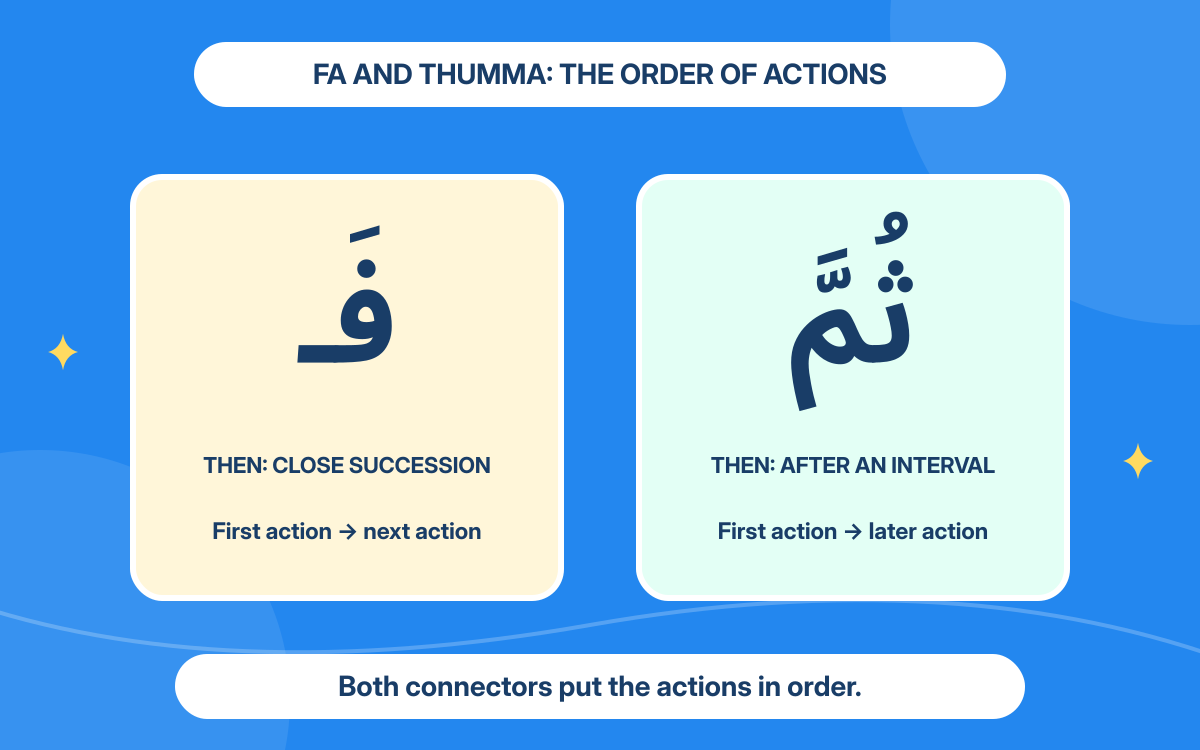
Fa and Thumma: Two Ways to Say “Then” in Arabic
أَسْتَخْدِمُ الْمَوْقِفَ أَوَّلًا، ثُمَّ أَنْقُلُ سَيَّارَتِي
Follow the planned order of using the space and moving the car, joined by thumma.