An awkward knock interrupts Maryam’s oud lesson. Learning when the neighbour’s baby sleeps helps her find a workable practice time.
01Read the Arabic story
دَرْسُ مُوسِيقَى بِجَانِبِ طِفْلٍ نَائِمٍ
كَانَتْ أُخْتِي مَرْيَمُ تُعَلِّمُ الْعَزْفَ عَلَى الْعُودِ فِي بَيْتِنَا مَرَّتَيْنِ فِي الْأُسْبُوعِ. يَبْدَأُ الدَّرْسُ فِي الرَّابِعَةِ وَالنِّصْفِ، وَيَسْتَمِرُّ نِصْفَ سَاعَةٍ. فِي يَوْمِ الثُّلَاثَاءِ، طَرَقَتْ جَارَتُنَا الْجَدِيدَةُ الْبَابَ بِقُوَّةٍ، وَكَانَتْ تَحْمِلُ طِفْلَهَا. قَالَتْ بِصَوْتٍ مُتْعَبٍ: «لَقَدْ اسْتَيْقَظَ مَرَّةً أُخْرَى!» أَجَابَتْ مَرْيَمُ أَنَّ هَذَا مَوْعِدُ دُرُوسِهَا مُنْذُ شُهُورٍ.
أَغْلَقَتِ الْجَارَةُ بَابَهَا دُونَ أَنْ تَرُدَّ. أَكْمَلَتْ مَرْيَمُ الدَّرْسَ بِصَوْتٍ أَخْفَضَ، لَكِنَّهَا لَمْ تَشْعُرْ بِالرَّاحَةِ. فِي الصَّبَاحِ التَّالِي، زَارَتِ الْجَارَةَ وَسَأَلَتْهَا عَنْ نَوْمِ الطِّفْلِ. شَرَحَتِ الْأُمُّ أَنَّهُ يَنَامُ عَادَةً مِنَ الرَّابِعَةِ إِلَى الْخَامِسَةِ. لَمْ تَكُنْ تُرِيدُ مَنْعَ الدُّرُوسِ، بَلْ كَانَتْ تَبْحَثُ عَنْ سَاعَةٍ هَادِئَةٍ لَهُ.
اِتَّصَلَتْ مَرْيَمُ بِوَالِدِ طَالِبِهَا، فَعَرَفَتْ أَنَّ الْوَلَدَ يَعُودُ مِنَ الْمَدْرَسَةِ فِي الثَّالِثَةِ. اِتَّفَقُوا عَلَى تَقْدِيمِ الدَّرْسِ إِلَى الثَّالِثَةِ وَالنِّصْفِ لِمُدَّةِ أُسْبُوعٍ. كَتَبَتْ مَرْيَمُ الْمَوْعِدَ الْجَدِيدَ فِي دَفْتَرِهَا، وَأَخْبَرَتِ الْجَارَةَ بِهِ. ثُمَّ نَقَلَتْ كُرْسِيَّهَا لِتَبْتَعِدَ عَنِ الْجِدَارِ الْمُشْتَرَكِ. لَمْ تَعِدْ بِصَمْتٍ تَامٍّ، وَإِنَّمَا بِتَجْرِبَةِ تَرْتِيبٍ أَفْضَلَ.
فِي يَوْمِ الْخَمِيسِ، وَصَلَ الطَّالِبُ فِي الْمَوْعِدِ الْجَدِيدِ. عَزَفَ مَعَ مَرْيَمَ، ثُمَّ أَعَادَا جُمْلَةً مُوسِيقِيَّةً صَعْبَةً. قَبْلَ نِهَايَةِ الدَّرْسِ بِخَمْسِ دَقَائِقَ، جَمَعَ أَوْرَاقَهُ وَاسْتَمَعَ إِلَى مُلَاحَظَاتِهَا. عِنْدَ الرَّابِعَةِ كَانَ الْعُودُ فِي حَقِيبَتِهِ. أَرْسَلَتِ الْجَارَةُ بَعْدَ ذَلِكَ رِسَالَةً قَصِيرَةً: «نَامَ الطِّفْلُ، شُكْرًا لَكِ». قَرَأَتْ مَرْيَمُ الرِّسَالَةَ وَابْتَسَمَتْ.
فِي نِهَايَةِ الْأُسْبُوعِ، أَكَّدَ الْوَالِدُ أَنَّ الْوَقْتَ الْجَدِيدَ يُنَاسِبُ ابْنَهُ، فَأَبْقَتْهُ مَرْيَمُ فِي الْجَدْوَلِ. وَعِنْدَمَا الْتَقَتِ الْجَارَةَ عَلَى السُّلَّمِ، تَوَقَّعَتْ سُؤَالًا عَنِ الضَّوْضَاءِ. لَكِنَّ الْجَارَةَ سَأَلَتْهَا: «مَا اسْمُ الْمَقْطُوعَةِ الَّتِي عَزَفْتِهَا أَمْسِ؟ أُرِيدُ أَنْ أَسْمَعَهَا كَامِلَةً». أَخْبَرَتْهَا مَرْيَمُ بِاسْمِهَا، وَوَعَدَتْ أَنْ تُرْسِلَ لَهَا تَسْجِيلًا بَعْدَ الدَّرْسِ.
Show English translationHide English translation
My sister Maryam taught the oud at our home twice a week. The lesson began at half past four and lasted half an hour. On Tuesday, our new neighbour knocked hard on the door, carrying her baby. In a tired voice, she said, “He has woken up again!” Maryam replied that this had been her lesson time for months.
The neighbour closed her door without replying. Maryam finished the lesson more quietly, but she did not feel comfortable. The next morning, she visited the neighbour and asked about the baby’s sleep. The mother explained that he usually slept from four until five. She did not want to stop the lessons; she was looking for a quiet hour for him.
Maryam called her pupil’s father and learned that the boy returned from school at three. They agreed to move the lesson earlier, to half past three, for one week. Maryam wrote the new time in her notebook and told the neighbour. Then she moved her chair to be farther from the shared wall. She did not promise complete silence, but to try a better arrangement.
On Thursday, the pupil arrived at the new time. He played with Maryam, and then they repeated a difficult musical phrase. Five minutes before the end of the lesson, he gathered his papers and listened to her comments. At four, the oud was in its case. Later, the neighbour sent a short message: “The baby is asleep. Thank you.” Maryam read the message and smiled.
At the end of the week, the father confirmed that the new time suited his son, so Maryam kept it on the schedule. When she met the neighbour on the stairs, she expected a question about noise. But the neighbour asked, “What is the name of the piece you played yesterday? I want to hear all of it.” Maryam told her its name and promised to send her a recording after the lesson.
02Useful words from the story
| Arabic in the story | Meaning here |
|---|---|
| الْعَزْفَ | playing a musical instrument |
| الْعُودِ | the oud; a stringed instrument |
| بِصَوْتٍ مُتْعَبٍ | in a tired voice |
| بِصَوْتٍ أَخْفَضَ | more quietly |
| تَقْدِيمِ الدَّرْسِ | moving the lesson earlier |
| الْجِدَارِ الْمُشْتَرَكِ | the shared wall |
| صَمْتٍ تَامٍّ | complete silence |
| مُلَاحَظَاتِهَا | her comments |
| الضَّوْضَاءِ | noise |
| تَسْجِيلًا | a recording |
03Check your understanding
Choose one answer for each question. Look back at the Arabic story when you need a clue. Open the English support if you need help understanding a question.
What to remember
- A shared wall makes one household’s lesson time part of another household’s afternoon.
- The neighbour’s final request adds a clue about her attitude that her first complaint did not reveal.
Explore the Arabic in this story
Related grammar and vocabularyOpen Araqick guides connected to this story.
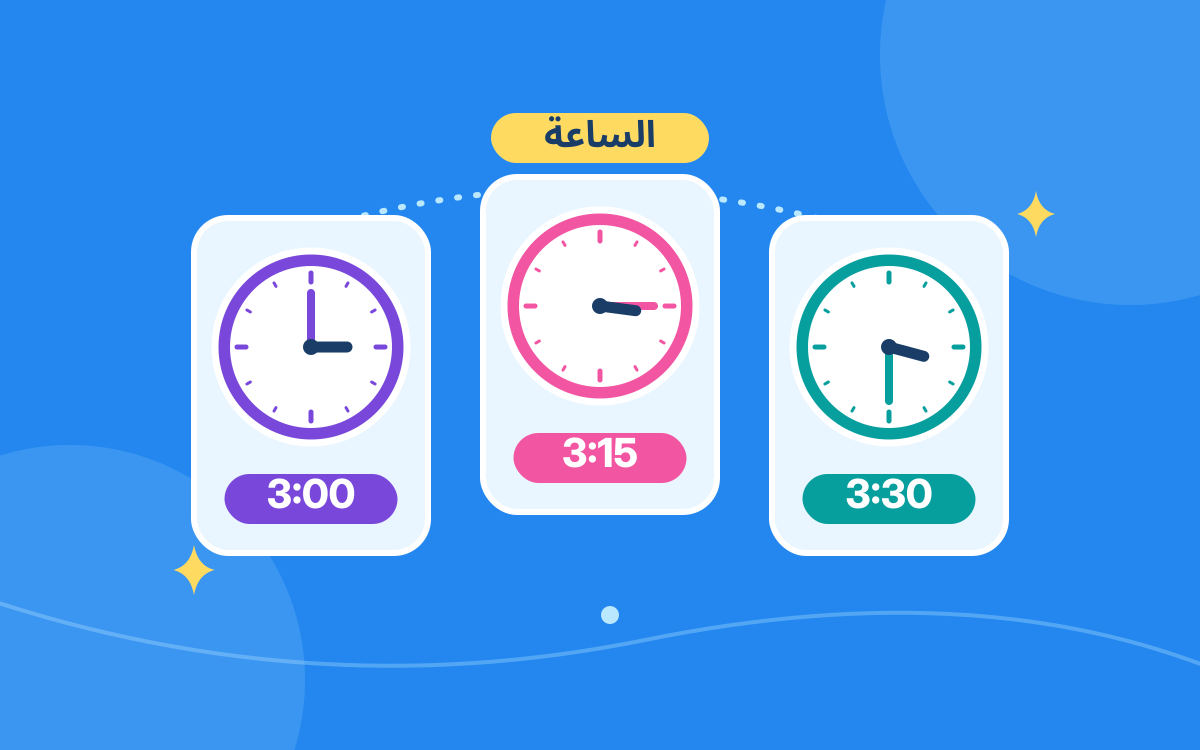
Arabic Time and Place Adverbs: Before, After, In Front and Behind
بَعْدَ الدَّرْسِ
Notice how a time phrase places an action after the lesson.
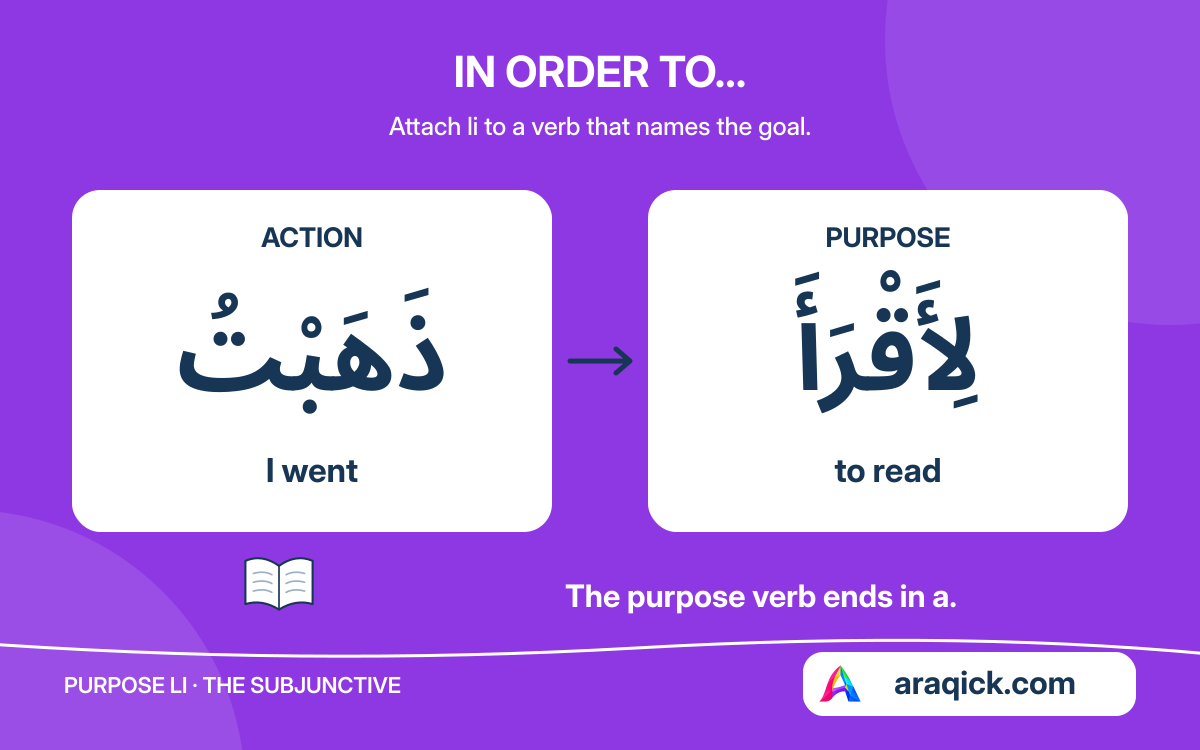
Purpose Li in Arabic: How to Say “In Order To”
لِتَبْتَعِدَ عَنِ الْجِدَارِ الْمُشْتَرَكِ
Read the purpose clause explaining why Maryam moves her chair.