Yusuf struggled to answer a bookseller despite recognising familiar words. Sami helps him choose a short practice routine with useful repair phrases.
01Read the Arabic conversation
اَلْحَدِيثُ عَنْ صُعُوبَةٍ فِي تَعَلُّمِ الْعَرَبِيَّةِ
يُوسُفُ: تَحَدَّثْتُ بِالْعَرَبِيَّةِ فِي الْمَكْتَبَةِ أَمْسِ، لَكِنَّنِي تَوَقَّفْتُ عَنِ الْكَلَامِ بَعْدَ دَقِيقَةٍ.
سَامِي: مَاذَا حَدَثَ بِالضَّبْطِ؟ أَكَانَتِ الْمُشْكِلَةُ فِي فَهْمِ الْبَائِعِ أَمْ فِي الرَّدِّ؟
يُوسُفُ: سَأَلْتُهُ عَنِ الثَّمَنِ، فَأَجَابَنِي بِسُرْعَةٍ وَسَأَلَنِي سُؤَالًا آخَرَ لَمْ أَفْهَمْهُ كُلَّهُ.
سَامِي: أَطَلَبْتَ مِنْهُ أَنْ يُعِيدَ السُّؤَالَ بِبُطْءٍ، أَمْ حَاوَلْتَ تَخْمِينَ الْمَعْنَى؟
يُوسُفُ: قُلْتُ نَعَمْ فَقَطْ؛ لِأَنَّنِي خَجِلْتُ مِنْ طَلَبِ التَّكْرَارِ. بَعْدَ ذَلِكَ صَارَ الْحَدِيثُ أَصْعَبَ.
سَامِي: كُنْتُ أَفْعَلُ ذَلِكَ أَيْضًا، ثُمَّ تَعَلَّمْتُ أَنْ أَسْأَلَ قَبْلَ أَنْ أُوَافِقَ.
يُوسُفُ: أَسْتَطِيعُ أَنْ أَقْرَأَ حِوَارًا مَكْتُوبًا، لَكِنَّنِي أَحْتَاجُ إِلَى وَقْتٍ لِتَرْتِيبِ أَفْكَارِي عِنْدَ الْكَلَامِ.
سَامِي: لِنَجْعَلْ هَدَفَنَا الْأَوَّلَ تَوْضِيحَ مَا لَمْ نَفْهَمْهُ، بَدَلًا مِنَ الرَّدِّ بِسُرْعَةٍ.
يُوسُفُ: كَيْفَ نَتَدَرَّبُ عَلَى ذَلِكَ؟ لَا أُرِيدُ حِفْظَ حِوَارٍ طَوِيلٍ ثُمَّ نِسْيَانَهُ.
سَامِي: نُمَثِّلُ مَوْقِفًا فِي مَكْتَبَةٍ لِخَمْسِ دَقَائِقَ بَعْدَ الدَّرْسِ. أَنَا الْبَائِعُ وَأَنْتَ الزَّبُونُ.
يُوسُفُ: أَنُكَرِّرُ الْحِوَارَ نَفْسَهُ كُلَّ مَرَّةٍ، أَمْ نُغَيِّرُ الْأَسْئِلَةَ مِنَ الْبِدَايَةِ؟
سَامِي: نُكَرِّرُهُ مَرَّتَيْنِ، ثُمَّ نُغَيِّرُ سُؤَالًا وَاحِدًا، مَثَلًا نَسْأَلُ عَنِ الْعَدَدِ بَدَلًا مِنَ الثَّمَنِ.
يُوسُفُ: وَمَاذَا عَنِ الْأَخْطَاءِ؟ هَلْ سَتُصَحِّحُ لِي كُلَّ كَلِمَةٍ أَثْنَاءَ كَلَامِي؟
سَامِي: سَأَتْرُكُكَ تُكْمِلُ جُمْلَتَكَ دُونَ مُقَاطَعَةٍ، ثُمَّ نُرَاجِعُ خَطَأَيْنِ مُتَكَرِّرَيْنِ وَنُعِيدُ الْمُحَاوَلَةَ.
يُوسُفُ: هَذَا يُرِيحُنِي. أَكْتُبُ عَادَةً قَوَائِمَ طَوِيلَةً مِنَ الْكَلِمَاتِ، لَكِنَّنِي لَا أَسْتَعْمِلُهَا كُلَّهَا.
سَامِي: اِخْتَرْ ثَلَاثَ عِبَارَاتٍ تَحْتَاجُ إِلَيْهَا الْيَوْمَ، مِثْلَ طَلَبِ التَّكْرَارِ أَوِ السُّؤَالِ عَنْ مَعْنًى.
يُوسُفُ: هَلْ يُمْكِنُ أَنْ أَقُولَ: مِنْ فَضْلِكَ، أَعِدِ السُّؤَالَ بِبُطْءٍ؛ لَمْ أَفْهَمِ الْجُزْءَ الْأَخِيرَ؟
سَامِي: نَعَمْ، ثُمَّ كَرِّرْ مَا فَهِمْتَهُ بِكَلِمَاتِكَ لِتَتَأَكَّدَ مِنَ الْمَعْنَى قَبْلَ أَنْ تَرُدَّ.
يُوسُفُ: سَأَكْتُبُ ثَلَاثَ عِبَارَاتٍ فِي دَفْتَرِي، وَسَنَتَدَرَّبُ ثَلَاثَ مَرَّاتٍ هَذَا الْأُسْبُوعَ بَعْدَ الدَّرْسِ.
سَامِي: اِتَّفَقْنَا، ثُمَّ نُرَاجِعُ مَا صَارَ أَسْهَلَ فِي الْأُسْبُوعِ الْقَادِمِ وَنَخْتَارُ مَوْقِفًا جَدِيدًا.
Show English translationHide English translation
Yusuf: I spoke Arabic in the bookshop yesterday, but I stopped speaking after a minute.
Sami: What exactly happened? Was the problem understanding the bookseller or replying?
Yusuf: I asked him about the price. He answered quickly and asked me another question that I did not fully understand.
Sami: Did you ask him to repeat the question slowly, or did you try to guess the meaning?
Yusuf: I just said yes because I felt embarrassed to ask for repetition. After that, the conversation became harder.
Sami: I used to do that too, then I learned to ask before agreeing.
Yusuf: I can read a written dialogue, but I need time to organise my thoughts when speaking.
Sami: Let us make our first goal clarifying what we did not understand, instead of replying quickly.
Yusuf: How can we practise that? I do not want to memorise a long dialogue and then forget it.
Sami: We can act out a bookshop situation for five minutes after class. I am the bookseller and you are the customer.
Yusuf: Do we repeat the same dialogue every time, or change the questions from the start?
Sami: We repeat it twice, then change one question: for example, we ask about quantity instead of price.
Yusuf: What about mistakes? Will you correct every word while I am speaking?
Sami: I will let you finish your sentence without interruption, then we will review two recurring mistakes and try again.
Yusuf: That reassures me. I usually write long lists of words, but I do not use all of them.
Sami: Choose three phrases you need today, such as asking for repetition or asking about a meaning.
Yusuf: Can I say: please repeat the question slowly; I did not understand the last part?
Sami: Yes, then repeat what you understood in your own words to check the meaning before replying.
Yusuf: I will write three phrases in my notebook, and we will practise three times this week after class.
Sami: Agreed. Then next week we will review what has become easier and choose a new situation.
02Useful words and expressions
| Arabic in the conversation | Meaning here |
|---|---|
| بِالضَّبْطِ | exactly |
| تَخْمِينَ الْمَعْنَى | guessing the meaning |
| خَجِلْتُ | I felt embarrassed |
| أُوَافِقَ | agree |
| لِتَرْتِيبِ أَفْكَارِي | to organise my thoughts |
| بَدَلًا مِنَ | instead of |
| نُمَثِّلُ مَوْقِفًا | act out a situation |
| دُونَ مُقَاطَعَةٍ | without interruption |
| مُتَكَرِّرَيْنِ | recurring; repeated |
| بِكَلِمَاتِكَ | in your own words |
03Check your understanding
Choose one answer for each question. Look back at the Arabic conversation for evidence. Open the English question support or a hint when you need help.
What to remember
- Describe exactly where an exchange became difficult.
- Ask for clarification and agree on a short, repeatable practice routine.
Explore the Arabic in this conversation
Related grammar and vocabularyOpen Araqick guides connected to this conversation.
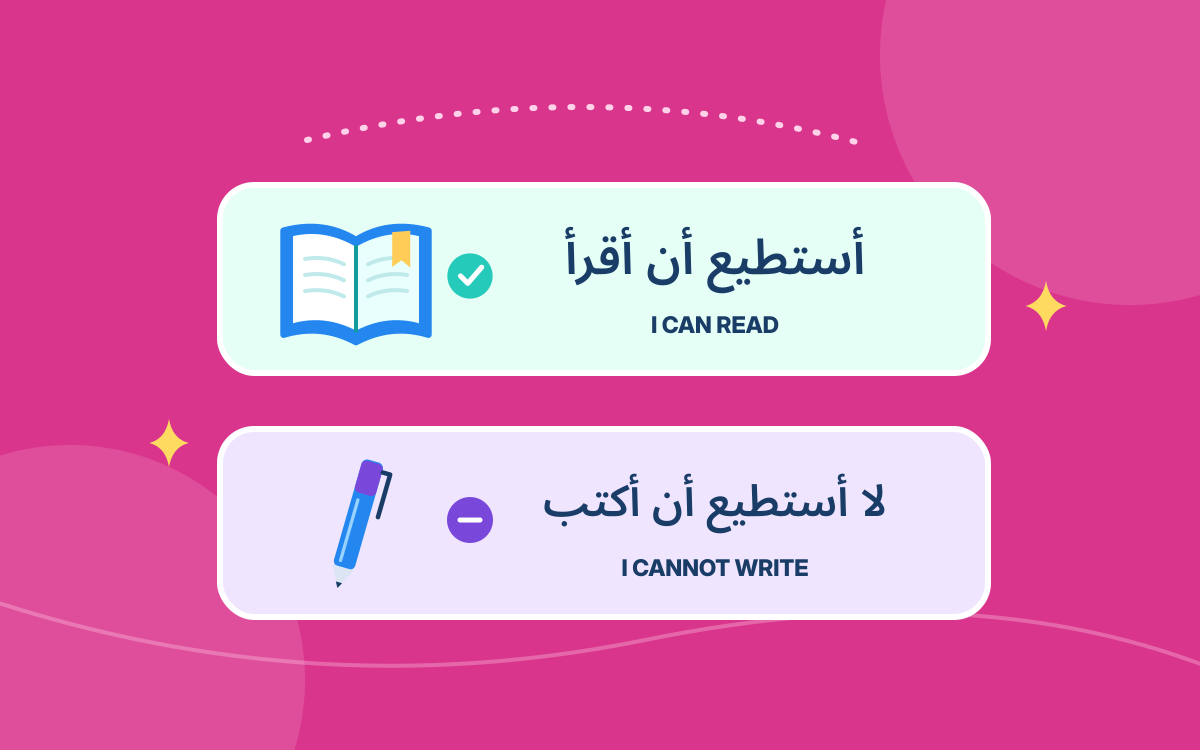
How to Say “I Can” and “I Can’t” in Arabic
أَسْتَطِيعُ أَنْ أَقْرَأَ حِوَارًا مَكْتُوبًا
Recognise أَسْتَطِيعُ أَنْ plus a verb as Yusuf describes an existing reading skill.
Because in Arabic: Give a Reason with Lianna
لِأَنَّنِي خَجِلْتُ مِنْ طَلَبِ التَّكْرَارِ
Use لِأَنَّنِي to explain the personal reason behind an action.
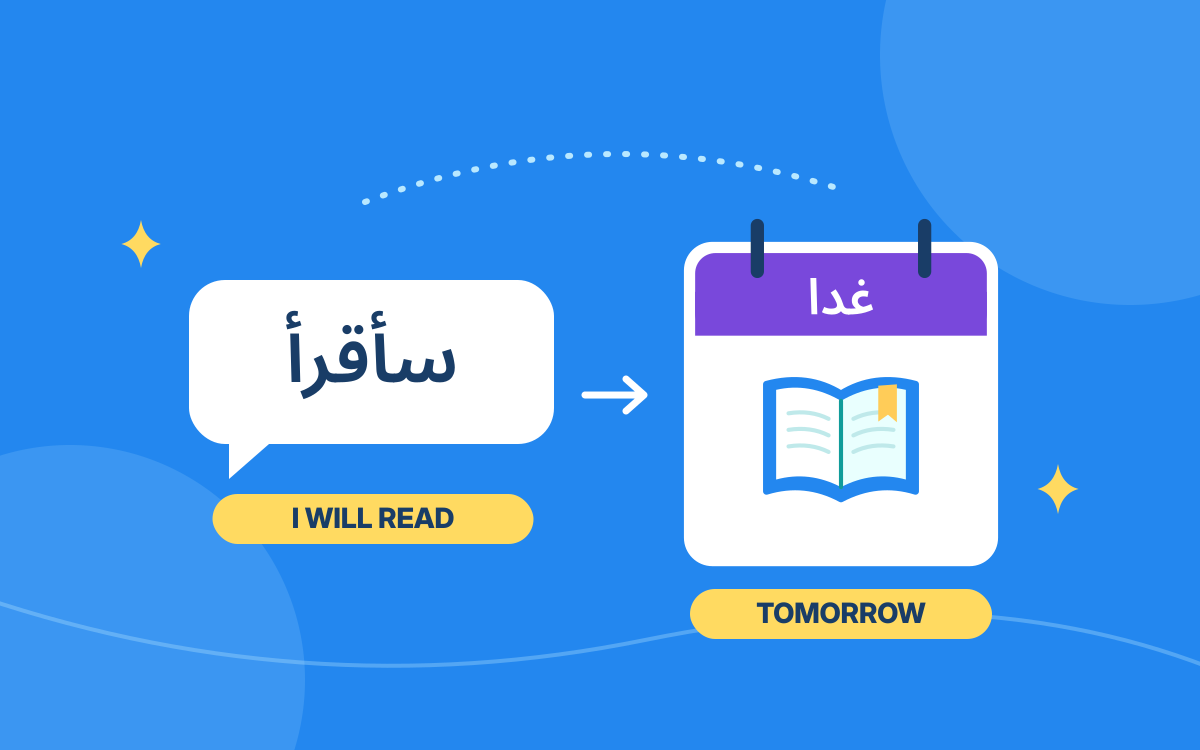
Arabic Future Tense for Beginners: Talk About Tomorrow
سَأَكْتُبُ ثَلَاثَ عِبَارَاتٍ فِي دَفْتَرِي
Attach سَـ to a present-tense verb to state the next action in a practice plan.