Umar is planning his first trip alone. Malik draws on a difficult arrival to suggest a simple first day and a useful preparation checklist.
01Read the Arabic conversation
نَصَائِحُ لِأَوَّلِ رِحْلَةٍ مُنْفَرِدَةٍ
عُمَرُ: سَأُسَافِرُ وَحْدِي الشَّهْرَ الْقَادِمَ لِأَوَّلِ مَرَّةٍ، وَأَشْعُرُ بِالْحَمَاسِ وَالْقَلَقِ مَعًا.
مَالِكٌ: أَتَذَكَّرُ هَذَا الشُّعُورَ جَيِّدًا. مَا أَكْثَرُ شَيْءٍ يُقْلِقُكَ فِي الرِّحْلَةِ؟
عُمَرُ: أَخْشَى أَنْ أَصِلَ مُتْعَبًا، ثُمَّ أَقْضِيَ وَقْتًا طَوِيلًا فِي الْبَحْثِ عَنِ الْفُنْدُقِ.
مَالِكٌ: حَدَثَ لِي ذَلِكَ مِنْ قَبْلُ؛ فَقَدْ كَتَبْتُ اِسْمَ الْفُنْدُقِ وَنَسِيتُ الْعُنْوَانَ.
عُمَرُ: وَكَيْفَ وَجَدْتَ الطَّرِيقَ إِلَيْهِ؟ أَلَمْ يَكُنْ هَاتِفُكَ مَعَكَ فِي ذَلِكَ الْوَقْتِ؟
مَالِكٌ: كَانَ مَعِي، لَكِنَّ بَطَّارِيَّتَهُ نَفِدَتْ. سَاعَدَنِي مُوَظَّفٌ بَعْدَ أَنْ وَصَفْتُ لَهُ الْمَكَانَ.
عُمَرُ: إِذَنْ سَأَكْتُبُ الْعُنْوَانَ فِي دَفْتَرٍ صَغِيرٍ، وَلَنْ أَعْتَمِدَ عَلَى الْهَاتِفِ وَحْدَهُ.
مَالِكٌ: فِكْرَةٌ جَيِّدَةٌ. وَاحْفَظْ خَرِيطَةَ الطَّرِيقِ قَبْلَ السَّفَرِ؛ لِأَنَّ الْوُصُولَ يَحْتَاجُ إِلَى اِسْتِعْدَادٍ.
عُمَرُ: حَجَزْتُ ثَلَاثَ لَيَالٍ، وَأُرِيدُ زِيَارَةَ خَمْسَةِ أَمَاكِنَ فِي الْيَوْمِ الْأَوَّلِ.
مَالِكٌ: فَعَلْتُ شَيْئًا مُشَابِهًا مَرَّةً، وَلَمْ أَسْتَمْتِعْ بِالزِّيَارَاتِ لِأَنَّنِي كُنْتُ أُرَاقِبُ السَّاعَةَ دَائِمًا.
عُمَرُ: أَتَقْتَرِحُ أَنْ أَحْذِفَ بَعْضَ الْأَمَاكِنِ، أَمْ أَنْ أُوَزِّعَهَا عَلَى الْأَيَّامِ؟
مَالِكٌ: وَزِّعْهَا، وَاتْرُكْ وَقْتًا لِلرَّاحَةِ. يُمْكِنُكَ بَدْءُ الرِّحْلَةِ بِجَوْلَةٍ قَصِيرَةٍ قُرْبَ الْفُنْدُقِ.
عُمَرُ: هَذَا أَنْسَبُ لِي، خَاصَّةً أَنَّ الْقِطَارَ يَصِلُ بَعْدَ الظُّهْرِ وَلَا أُحِبُّ الْعَجَلَةَ.
مَالِكٌ: وَمِنْ تَجْرِبَتِي، تَسْهُلُ الرِّحْلَةُ عِنْدَمَا تَعْرِفُ خُطْوَتَكَ التَّالِيَةَ دُونَ جَدْوَلٍ مُزْدَحِمٍ.
عُمَرُ: وَمَاذَا أَفْعَلُ إِذَا لَمْ أَفْهَمْ تَعْلِيمَاتِ الْمُوَظَّفِ فِي الْمَحَطَّةِ جَيِّدًا؟
مَالِكٌ: اُطْلُبْ مِنْهُ أَنْ يُعِيدَهَا بِبُطْءٍ، ثُمَّ كَرِّرْ مَا فَهِمْتَهُ لِتَتَأَكَّدَ مِنْهُ.
عُمَرُ: سَأُعِدُّ قَائِمَةً تَشْمَلُ الْعُنْوَانَ وَمَوْعِدَ الْوُصُولِ وَالطَّرِيقَ مِنَ الْمَحَطَّةِ إِلَى الْفُنْدُقِ.
مَالِكٌ: وَرَاجِعْ هَذِهِ الْمَعْلُومَاتِ قَبْلَ الْمُغَادَرَةِ، ثُمَّ أَخْبِرْ شَخْصًا تَثِقُ بِهِ بِخُطَّتِكَ.
عُمَرُ: شُكْرًا، سَأَبْدَأُ بِالْقَائِمَةِ الْيَوْمَ. أَشْعُرُ أَنَّ خُطَّتِي صَارَتْ أَبْسَطَ وَأَوْضَحَ الْآنَ.
مَالِكٌ: يَسُرُّنِي ذَلِكَ. اِسْتَعِدَّ بِهُدُوءٍ، وَاتْرُكْ فِي رِحْلَتِكَ مَسَاحَةً لِلرَّاحَةِ وَالِاكْتِشَافِ أَيْضًا.
Show English translationHide English translation
Umar: I will travel alone for the first time next month, and I feel both excited and nervous.
Malik: I remember that feeling well. What worries you most about the trip?
Umar: I am afraid I will arrive tired and then spend a long time looking for the hotel.
Malik: That happened to me before: I wrote down the hotel name and forgot the address.
Umar: How did you find your way there? Did you not have your phone with you then?
Malik: I had it, but its battery ran out. An employee helped me after I described the place to him.
Umar: Then I will write the address in a small notebook, and I will not rely on my phone alone.
Malik: Good idea. Save a map of the route before travelling, because arriving needs preparation.
Umar: I booked three nights, and I want to visit five places on the first day.
Malik: I did something similar once, and I did not enjoy the visits because I was always watching the clock.
Umar: Do you suggest removing some places or spreading them over the days?
Malik: Spread them out and leave time to rest. You can start the trip with a short walk near the hotel.
Umar: That suits me better, especially as the train arrives in the afternoon and I dislike rushing.
Malik: In my experience, a trip is easier when you know your next step without having a packed schedule.
Umar: What should I do if I do not understand the station employee's directions well?
Malik: Ask him to repeat them slowly, then repeat what you understood to check it with him.
Umar: I will prepare a list including the address, arrival time and the route from the station to the hotel.
Malik: Review that information before leaving, then tell someone you trust about your plan.
Umar: Thank you. I will start with the list today. I feel that my plan has become simpler and clearer now.
Malik: I am glad. Prepare calmly, and leave room in your trip for rest and discovery too.
02Useful words and expressions
| Arabic in the conversation | Meaning here |
|---|---|
| بِالْحَمَاسِ وَالْقَلَقِ | with excitement and nervousness |
| يُقْلِقُكَ | worries you |
| نَفِدَتْ | ran out |
| أَعْتَمِدَ عَلَى | rely on |
| أُرَاقِبُ السَّاعَةَ | watch the clock |
| أُوَزِّعَهَا | spread them out |
| الْعَجَلَةَ | rushing |
| خُطْوَتَكَ التَّالِيَةَ | your next step |
| يُعِيدَهَا بِبُطْءٍ | repeat them slowly |
| قَبْلَ الْمُغَادَرَةِ | before leaving |
03Check your understanding
Choose one answer for each question. Look back at the Arabic conversation for evidence. Open the English question support or a hint when you need help.
What to remember
- Support practical advice with a brief personal experience.
- Explain a worry, then confirm a manageable next step.
Explore the Arabic in this conversation
Related grammar and vocabularyOpen Araqick guides connected to this conversation.
What I Did Yesterday in Arabic: 6 Simple Past-Tense Sentences
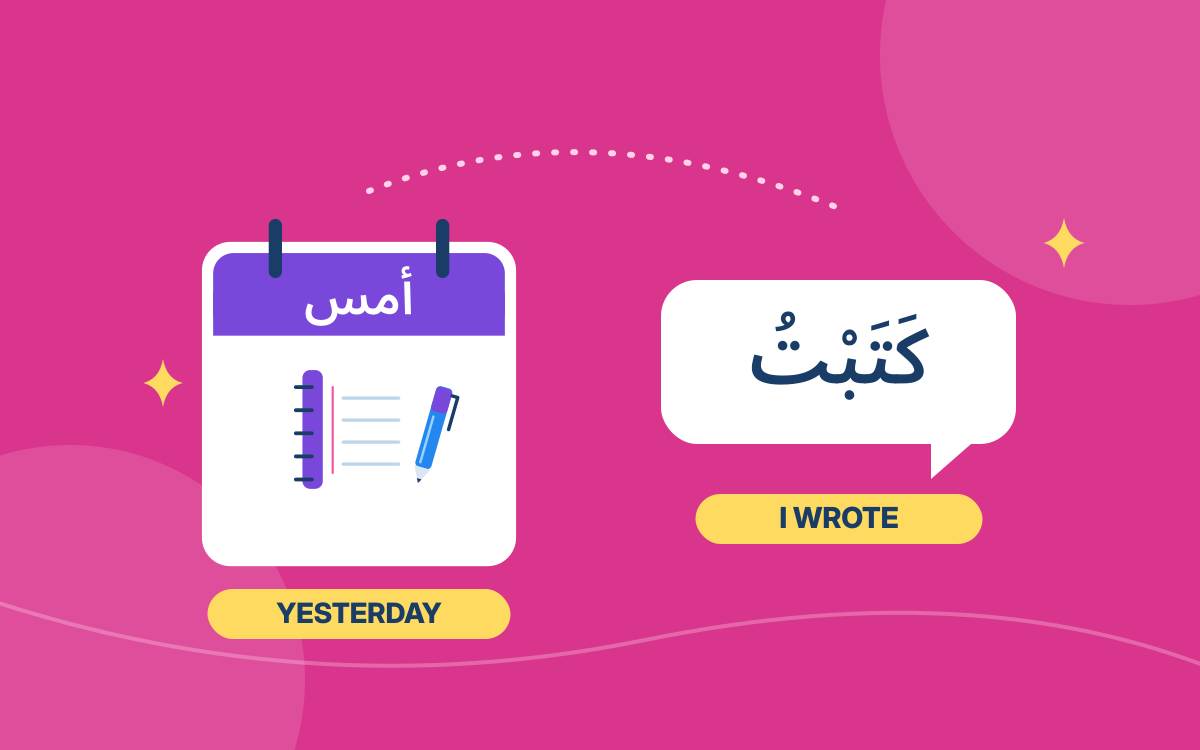
كَتَبْتُ اِسْمَ الْفُنْدُقِ
Review first-person completed actions ending in ـتُ, as Malik recounts writing the hotel name.
Arabic Future Tense for Beginners: Talk About Tomorrow
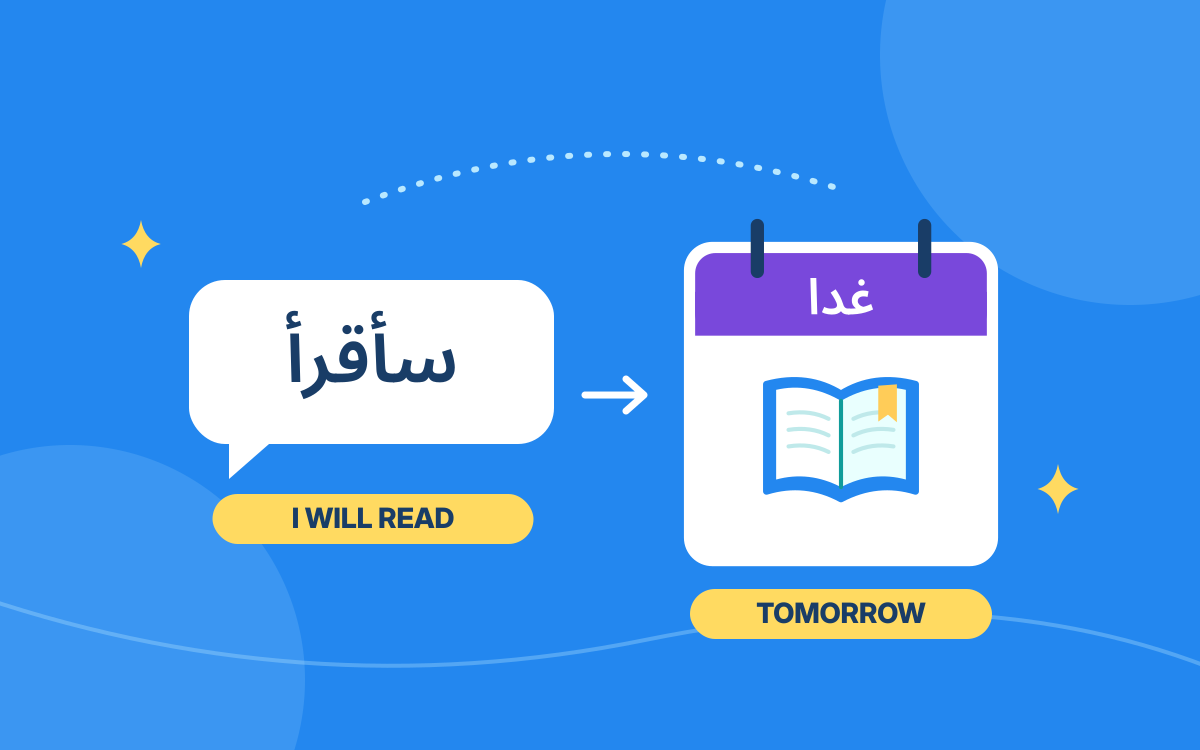
سَأَكْتُبُ الْعُنْوَانَ فِي دَفْتَرٍ صَغِيرٍ
Notice attached سَـ when Umar says what he will write before travelling.
Because in Arabic: Give a Reason with Lianna
لِأَنَّ الْوُصُولَ يَحْتَاجُ إِلَى اِسْتِعْدَادٍ
Connect advice to its reason with لِأَنَّ and the clause that follows it.