Omar thought Hassan’s short message sounded impatient. They revisit the wording and clarify a deadline for joining a Saturday workshop.
01Read the Arabic conversation
تَوْضِيحُ رِسَالَةٍ فُهِمَتْ بِشَكْلٍ خَاطِئٍ
عُمَرُ: أُرِيدُ أَنْ أَسْأَلَكَ عَنْ رِسَالَتِكَ أَمْسِ. شَعَرْتُ أَنَّكَ مُنْزَعِجٌ مِنْ تَأَخُّرِ رَدِّي.
حَسَنٌ: لَمْ أَكُنْ مُنْزَعِجًا، وَلَكِنَّنِي كَتَبْتُ بِسُرْعَةٍ. أَيُّ جُزْءٍ مِنَ الرِّسَالَةِ أَعْطَاكَ هَذَا الشُّعُورَ؟
عُمَرُ: كَتَبْتَ فَقَطْ: «هَلْ قَرَّرْتَ؟» فَظَنَنْتُ أَنَّكَ تَطْلُبُ جَوَابًا فَوْرًا، وَأَنَّ انْتِظَارِي أَزْعَجَكَ.
حَسَنٌ: كُنْتُ أَسْأَلُ عَنْ وِرْشَةِ يَوْمِ السَّبْتِ. يَحْتَاجُ الْمُنَظِّمُ إِلَى عَدَدِ الْمُشَارِكِينَ الْيَوْمَ قَبْلَ السَّادِسَةِ.
عُمَرُ: لَمْ أَكُنْ أَعْرِفُ هَذَا الْمَوْعِدَ. كُنْتُ أَنْتَظِرُ تَأْكِيدَ مَوْعِدٍ عَائِلِيٍّ قَبْلَ أَنْ أُقَرِّرَ.
حَسَنٌ: أَفْهَمُ الْآنَ. لَمْ أَذْكُرِ السَّبَبَ فِي الرِّسَالَةِ، فَبَدَتْ طَلَبًا مُسْتَعْجِلًا مِنْ غَيْرِ تَوْضِيحٍ.
عُمَرُ: نَعَمْ، وَقِصَرُهَا جَعَلَنِي أَفْهَمُهَا بِطَرِيقَةٍ أُخْرَى. لِذَلِكَ فَضَّلْتُ أَنْ أَسْأَلَكَ مُبَاشَرَةً.
حَسَنٌ: شُكْرًا لِأَنَّكَ سَأَلْتَنِي. أَنَا آسِفٌ لِأَنَّ رِسَالَتِي أَزْعَجَتْكَ؛ كَانَ يَنْبَغِي أَنْ أُوَضِّحَ قَصْدِي.
عُمَرُ: إِذَنْ، لَمْ تَكُنْ غَاضِبًا مِنِّي، بَلْ كُنْتَ تُرِيدُ أَنْ تُؤَكِّدَ الْعَدَدَ فَقَطْ؟
حَسَنٌ: بِالضَّبْطِ. لَا أُرِيدُ أَنْ أَضْغَطَ عَلَيْكَ، وَيُمْكِنُكَ أَنْ تَرْفُضَ الْمُشَارَكَةَ إِنْ لَمْ يُنَاسِبْكَ الْوَقْتُ.
عُمَرُ: سَأَعْرِفُ خُطَّةَ عَائِلَتِي عِنْدَ الْخَامِسَةِ الْيَوْمَ. هَلْ يَكْفِي أَنْ أُرْسِلَ جَوَابِي عِنْدَئِذٍ؟
حَسَنٌ: نَعَمْ، هَذَا مُنَاسِبٌ. سَأَنْتَظِرُ حَتَّى الْخَامِسَةِ، ثُمَّ أُرْسِلُ الْعَدَدَ إِلَى الْمُنَظِّمِ بَعْدَ رَدِّكَ.
عُمَرُ: وَفِي الْمَرَّةِ الْقَادِمَةِ، أَرْجُو أَنْ تَذْكُرَ الْمَوْعِدَ فِي الرِّسَالَةِ حَتَّى أَفْهَمَ سَبَبَ السُّؤَالِ.
حَسَنٌ: سَأَفْعَلُ. أَكْتُبُ مَثَلًا: «هَلْ قَرَّرْتَ؟ أَحْتَاجُ إِلَى الْعَدَدِ قَبْلَ السَّادِسَةِ».
عُمَرُ: هَذِهِ الصِّيَاغَةُ أَوْضَحُ. فَهِيَ تُبَيِّنُ السَّبَبَ، وَلَا تَتْرُكُنِي أُخَمِّنُ مَا تَقْصِدُهُ.
حَسَنٌ: وَإِذَا بَدَتْ رِسَالَتِي غَيْرَ وَاضِحَةٍ، فَاسْأَلْنِي عَنْهَا. يُمْكِنُنَا أَيْضًا أَنْ نَتَحَدَّثَ بِالْهَاتِفِ.
عُمَرُ: مُتَّفِقَانِ. سَأَسْأَلُ عَنْ قَصْدِكَ قَبْلَ أَنْ أَفْتَرِضَ أَنَّكَ غَاضِبٌ بِسَبَبِ رِسَالَةٍ قَصِيرَةٍ.
حَسَنٌ: وَأَنَا سَأَكْتُبُ السَّبَبَ وَالْمَوْعِدَ بِوُضُوحٍ. كَلِمَاتٌ قَلِيلَةٌ إِضَافِيَّةٌ كَانَتْ سَتَمْنَعُ سُوءَ الْفَهْمِ.
عُمَرُ: شُكْرًا عَلَى التَّوْضِيحِ. سَأُرْسِلُ جَوَابِي عِنْدَ الْخَامِسَةِ، سَوَاءٌ أَكُنْتُ سَأُشَارِكُ أَمْ لَا.
حَسَنٌ: شُكْرًا لَكَ. أَنَا سَعِيدٌ لِأَنَّنَا تَحَدَّثْنَا وَفَهِمَ كُلٌّ مِنَّا قَصْدَ الْآخَرِ.
Show English translationHide English translation
Omar: I want to ask about your message yesterday. I felt you were annoyed by my late reply.
Hassan: I was not annoyed, but I wrote quickly. Which part of the message gave you that feeling?
Omar: You only wrote, “Have you decided?” I thought you wanted an answer immediately and were annoyed at waiting for me.
Hassan: I was asking about Saturday’s workshop. The organiser needs the number of participants today before six.
Omar: I did not know about that deadline. I was waiting to confirm a family arrangement before deciding.
Hassan: I understand now. I did not mention the reason in the message, so it sounded like an urgent request without explanation.
Omar: Yes, and its brevity made me understand it differently. That is why I preferred to ask you directly.
Hassan: Thank you for asking me. I am sorry my message upset you; I should have explained what I meant.
Omar: So you were not angry with me; you only wanted to confirm the number?
Hassan: Exactly. I do not want to pressure you, and you can decline to join if the time does not suit you.
Omar: I will know my family’s plan at five today. Is it enough to send my answer then?
Hassan: Yes, that works. I will wait until five, then send the number to the organiser after your reply.
Omar: Next time, please include the deadline in the message so I understand the reason for the question.
Hassan: I will. For example, I can write, “Have you decided? I need the number before six.”
Omar: That wording is clearer. It explains the reason and does not leave me guessing what you mean.
Hassan: If my message seems unclear, ask me about it. We can also talk on the phone.
Omar: Agreed. I will ask what you mean before assuming you are angry because of a short message.
Hassan: And I will write the reason and deadline clearly. A few extra words would have prevented the misunderstanding.
Omar: Thank you for clarifying. I will send my answer at five, whether I am joining or not.
Hassan: Thank you. I am glad we talked and each understood what the other meant.
02Useful words and expressions
| Arabic in the conversation | Meaning here |
|---|---|
| مُنْزَعِجٌ | annoyed |
| فَوْرًا | immediately |
| الْمُنَظِّمُ | the organiser |
| تَأْكِيدَ | confirmation of |
| قِصَرُهَا | its brevity |
| قَصْدِي | what I meant |
| أَضْغَطَ عَلَيْكَ | pressure you |
| الصِّيَاغَةُ | the wording |
| أُخَمِّنُ | I guess |
| سُوءَ الْفَهْمِ | the misunderstanding |
03Check your understanding
Choose one answer for each question. Look back at the Arabic conversation for evidence. Open the English question support or a hint when you need help.
What to remember
- Describe how a message sounded, then ask what the sender intended.
- Include a reason and a deadline when a brief question could be misunderstood.
Explore the Arabic in this conversation
Related grammar and vocabularyOpen Araqick guides connected to this conversation.
Arabic Past-Tense Endings: I Wrote, You Wrote and We Wrote
كَتَبْتُ بِسُرْعَةٍ
Notice the first-person past ending when Hassan describes writing the message.
Because in Arabic: Give a Reason with Lianna
لِأَنَّ رِسَالَتِي أَزْعَجَتْكَ
Connect the speaker’s apology to its reason with a complete because clause.
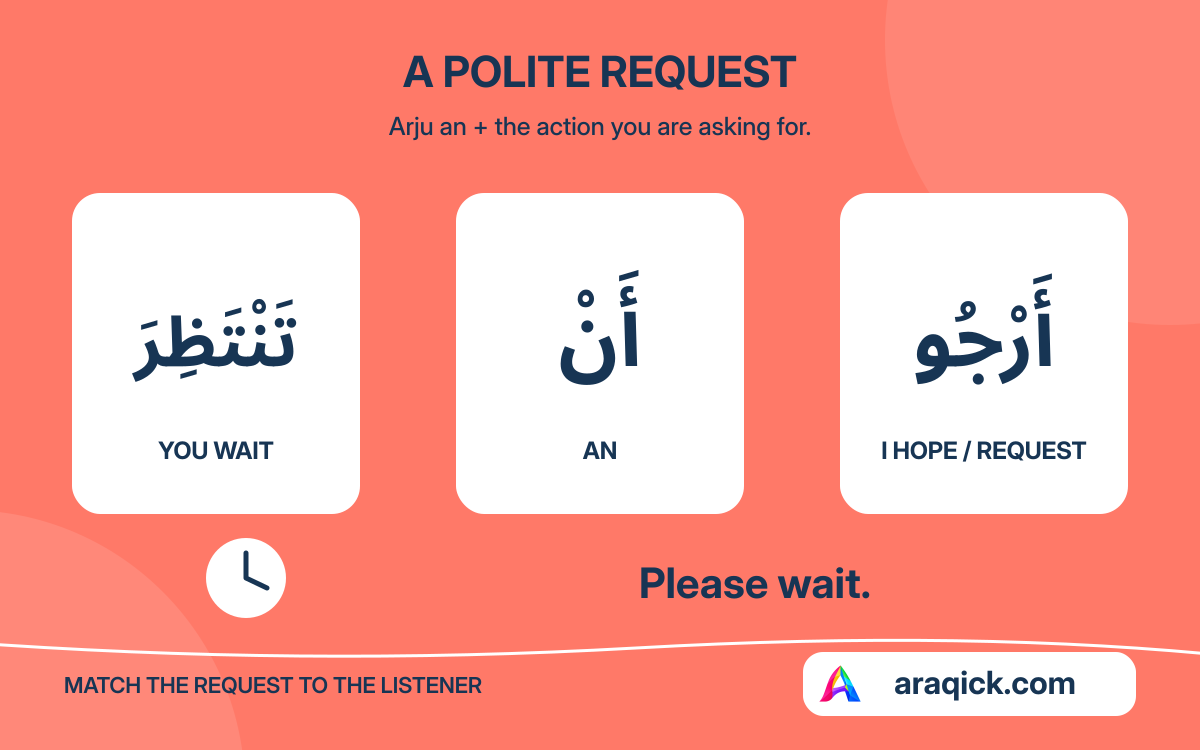
Polite Requests in Arabic: How to Use Arju An
أَرْجُو أَنْ تَذْكُرَ الْمَوْعِدَ
Ask one male listener to include a deadline using arju an and the following action.