Sami arrived without calling while Adil was working at home. They discuss how to arrange a visit and confirm a time that suits them both.
01Read the Arabic conversation
طَلَبُ الْاِتِّصَالِ قَبْلَ الزِّيَارَةِ
سَامِي: زُرْتُكَ أَمْسِ بَعْدَ الظُّهْرِ، لَكِنَّكَ لَمْ تَفْتَحِ الْبَابَ. قَلِقْتُ لِأَنَّنِي كُنْتُ أَعْرِفُ أَنَّكَ فِي الْبَيْتِ.
عَادِلٌ: كُنْتُ فِي اِجْتِمَاعِ عَمَلٍ عَبْرَ الْإِنْتَرْنِتِ. سَمِعْتُ الْجَرَسَ، لَكِنَّنِي لَمْ أَسْتَطِعْ تَرْكَ الْمُكَالَمَةِ.
سَامِي: ظَنَنْتُ أَنَّ وُجُودَكَ فِي الْبَيْتِ يَعْنِي أَنَّكَ مُتَفَرِّغٌ لِزِيَارَةٍ قَصِيرَةٍ. لَمْ أَفْهَمْ طَبِيعَةَ جَدْوَلِكَ.
عَادِلٌ: أَعْمَلُ مِنَ الْبَيْتِ أَيَّامًا كَثِيرَةً، وَلَدَيَّ مُكَالَمَاتُ عَمَلٍ بَعْدَ الظُّهْرِ. يَخْتَلِفُ وَقْتُ اِنْتِهَائِهَا مِنْ يَوْمٍ إِلَى آخَرَ.
سَامِي: آسِفٌ لِأَنَّنِي لَمْ أَسْأَلْكَ أَوَّلًا. كَيْفَ نُرَتِّبُ الزِّيَارَةَ فِي الْمَرَّةِ الْقَادِمَةِ؟
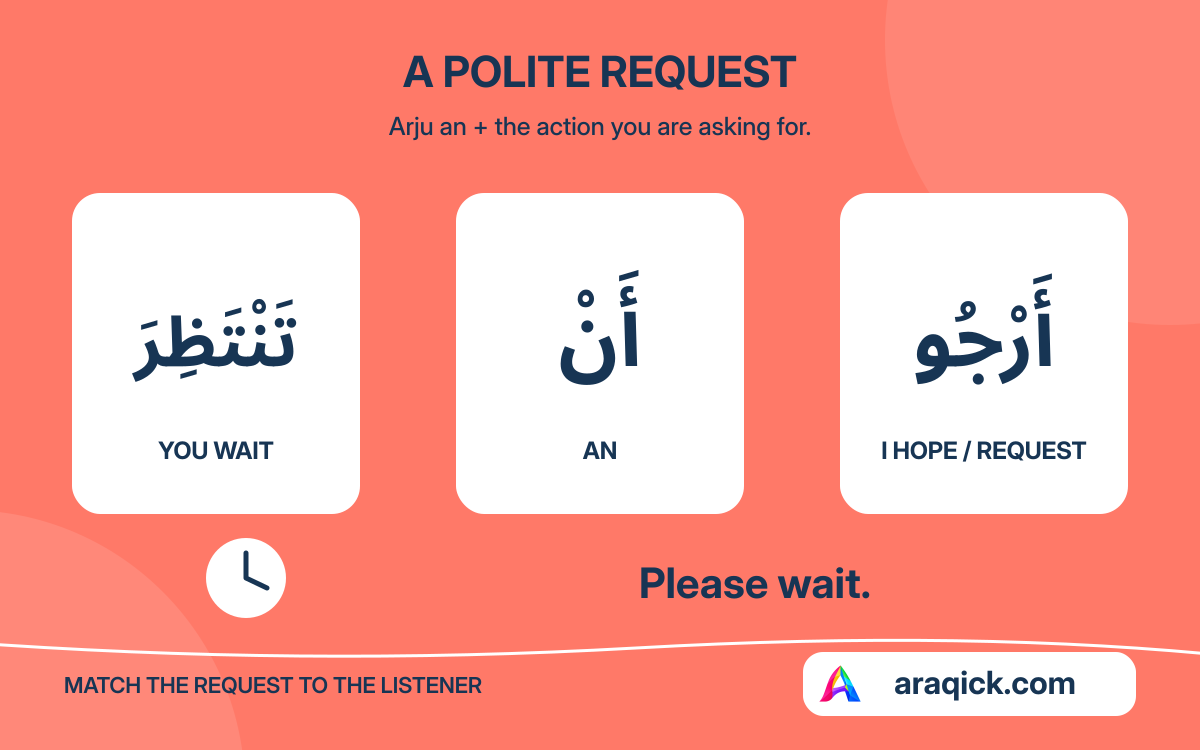
عَادِلٌ: أَرْجُو أَنْ تَتَّصِلَ بِي قَبْلَ الزِّيَارَةِ، حَتَّى نَتَّفِقَ عَلَى وَقْتٍ يُنَاسِبُنَا.
سَامِي: أَتُفَضِّلُ أَنْ أَتَّصِلَ قَبْلَ خُرُوجِي مِنْ بَيْتِي أَمْ فِي الطَّرِيقِ؟
عَادِلٌ: قَبْلَ خُرُوجِكَ، فَقَدْ أَكُونُ مَشْغُولًا حَتَّى الْمَسَاءِ. اِنْتَظِرْ تَأْكِيدِي قَبْلَ أَنْ تَأْتِيَ.
سَامِي: وَإِذَا لَمْ تُجِبْ عَنِ الْمُكَالَمَةِ، هَلْ أَتْرُكُ رِسَالَةً أَقْتَرِحُ فِيهَا وَقْتًا لِلزِّيَارَةِ؟
عَادِلٌ: نَعَمْ، وَسَأَرُدُّ عِنْدَمَا أَسْتَطِيعُ. عَدَمُ الرَّدِّ لَا يَعْنِي الْمُوَافَقَةَ، فَقَدْ لَا أَرَى الرِّسَالَةَ فَوْرًا.
سَامِي: فَهِمْتُ. إِرْسَالُ الرِّسَالَةِ وَحْدَهُ لَا يَكْفِي، بَلْ نَحْتَاجُ إِلَى تَأْكِيدِ الْمَوْعِدِ مَعًا.
عَادِلٌ: بِالضَّبْطِ. أُحِبُّ زِيَارَاتِكَ، وَأُفَضِّلُ أَنْ نَجْلِسَ بِرَاحَةٍ دُونَ أَنْ أَنْشَغِلَ بِالْعَمَلِ.
سَامِي: مَا رَأْيُكَ فِي الْجُمُعَةِ عِنْدَ الْخَامِسَةِ مَسَاءً؟ أَسْتَطِيعُ أَنْ أَزُورَكَ فِي ذَلِكَ الْوَقْتِ.
عَادِلٌ: هَذَا مُنَاسِبٌ، وَيُمْكِنُنَا أَنْ نَجْلِسَ سَاعَةً. لَدَيَّ مَوْعِدٌ عَائِلِيٌّ، وَسَأَخْرُجُ فِي السَّادِسَةِ.
سَامِي: هَذَا يُنَاسِبُنِي. سَأُغَادِرُ قَبْلَ السَّادِسَةِ، فَلَا أُرِيدُ أَنْ أُؤَخِّرَكَ عَنْ مَوْعِدِكَ.
عَادِلٌ: وَإِذَا تَغَيَّرَتْ خُطَّتُكَ، أَخْبِرْنِي مُبَكِّرًا. سَأَفْعَلُ ذَلِكَ أَيْضًا إِذَا ظَهَرَ عِنْدِي أَمْرٌ جَدِيدٌ.
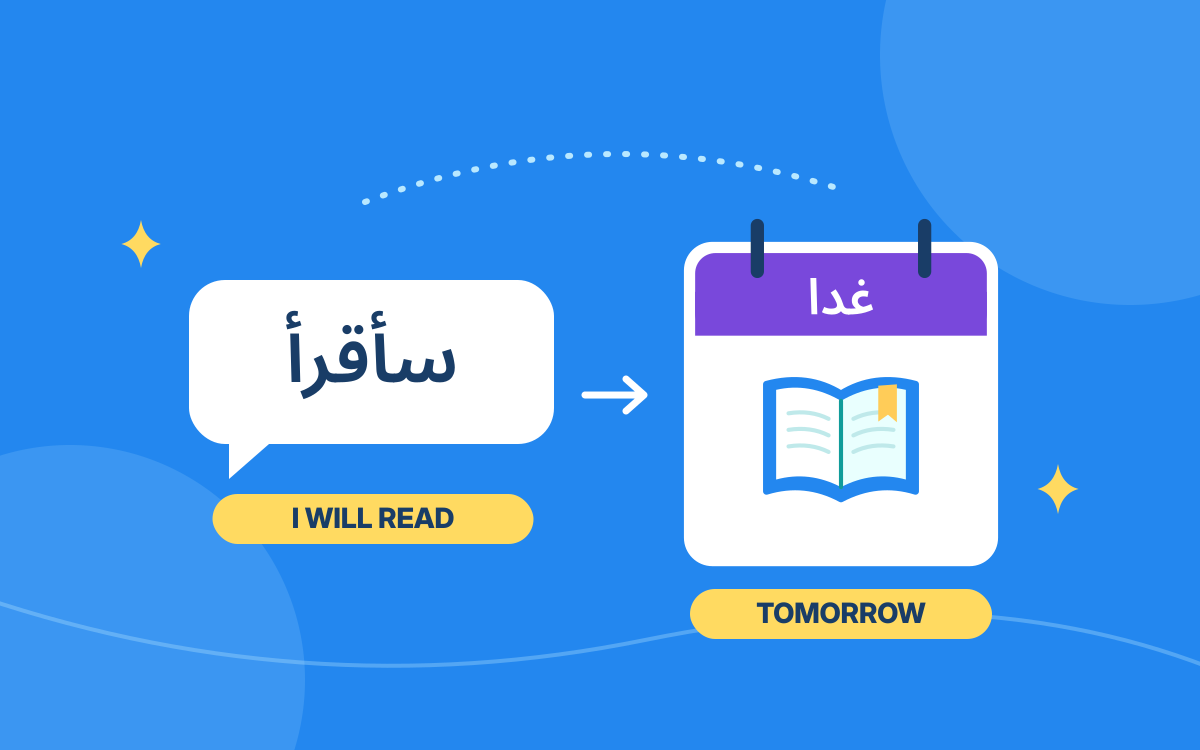
سَامِي: سَأُرْسِلُ لَكَ الْآنَ رِسَالَةً بِالْيَوْمِ وَالْوَقْتِ، لِكَيْ لَا أَخْلِطَ بَيْنَهُمَا وَبَيْنَ مَوْعِدٍ آخَرَ.
عَادِلٌ: جَيِّدٌ، بِهَذِهِ الطَّرِيقَةِ يَكُونُ الْمَوْعِدُ وَاضِحًا لِكِلَيْنَا، وَلَا يَحْتَاجُ أَحَدُنَا إِلَى التَّخْمِينِ.
سَامِي: شُكْرًا لِلتَّوْضِيحِ. سَأَتَّصِلُ قَبْلَ أَيِّ زِيَارَةٍ جَدِيدَةٍ، وَأَنْتَظِرُ أَنْ نَتَّفِقَ عَلَى الْوَقْتِ.
عَادِلٌ: وَأَنَا سَعِيدٌ بِزِيَارَتِكَ. تَنْظِيمُ الْوَقْتِ يُسَاعِدُنِي عَلَى اِسْتِقْبَالِكَ بِهُدُوءٍ، وَيَجْعَلُ لِقَاءَنَا أَفْضَلَ.
Show English translationHide English translation
Sami: I visited you yesterday afternoon, but you did not open the door. I was worried because I knew you were at home.
Adil: I was in an online work meeting. I heard the bell, but I could not leave the call.
Sami: I thought being at home meant you were free for a short visit. I did not understand your schedule.
Adil: I work from home on many days and have work calls in the afternoon. Their finishing time varies from day to day.
Sami: I am sorry I did not ask you first. How shall we arrange the visit next time?
Adil: Please call me before visiting, so we can agree on a time that suits us.
Sami: Would you prefer me to call before leaving home or on the way?
Adil: Before you leave, as I may be busy until the evening. Wait for my confirmation before coming.
Sami: And if you do not answer the call, should I leave a message suggesting a time to visit?
Adil: Yes, and I will reply when I can. No reply does not mean agreement, as I may not see the message immediately.
Sami: I understand. Sending the message alone is not enough; we need to confirm the appointment together.
Adil: Exactly. I enjoy your visits and prefer us to sit comfortably without my being occupied with work.
Sami: How about Friday at five in the evening? I can visit you at that time.
Adil: That is suitable, and we can sit for an hour. I have a family appointment and will leave at six.
Sami: That suits me. I will leave before six, as I do not want to make you late for your appointment.
Adil: And if your plan changes, tell me early. I will do the same if something new comes up for me.
Sami: I will send you a message now with the day and time, so I do not confuse them with another appointment.
Adil: Good. That way the appointment is clear to both of us, and neither of us needs to guess.
Sami: Thank you for explaining. I will call before any new visit and wait until we agree on the time.
Adil: And I am happy to have you visit. Organising the time helps me welcome you calmly and makes our meeting better.
02Useful words and expressions
| Arabic in the conversation | Meaning here |
|---|---|
| الْجَرَسَ | the doorbell |
| مُتَفَرِّغٌ | free; available |
| نُرَتِّبُ الزِّيَارَةَ | we arrange the visit |
| فِي الطَّرِيقِ | on the way |
| تَأْكِيدِي | my confirmation |
| الْمُوَافَقَةَ | agreement |
| فَوْرًا | immediately |
| مَوْعِدٌ عَائِلِيٌّ | a family appointment |
| أُؤَخِّرَكَ | make you late |
| التَّخْمِينِ | guessing |
03Check your understanding
Choose one answer for each question. Look back at the Arabic conversation for evidence. Open the English question support or a hint when you need help.
What to remember
- Explain the practical reason for a request and agree on a clear routine.
- Distinguish suggesting a visit from confirming a time that suits both people.
Explore the Arabic in this conversation
Related grammar and vocabularyOpen Araqick guides connected to this conversation.
Polite Requests in Arabic: How to Use Arju An
أَرْجُو أَنْ تَتَّصِلَ بِي
Introduce a polite request with arju an and the verb for the male listener’s action.
Arabic Future Tense for Beginners: Talk About Tomorrow
سَأُرْسِلُ لَكَ الْآنَ رِسَالَةً
Attach sa to a present-tense verb when stating the next action in an arrangement.
Arabic Time and Place Adverbs: Before, After, In Front and Behind
قَبْلَ الزِّيَارَةِ
Use qabla with a reference noun to explain when the call should happen.