Omar and Sami share a home. They discuss late calls and moving furniture, then agree on quiet hours and practical changes for both roommates.
01Read the Arabic conversation
طَلَبُ تَقْلِيلِ الضَّوْضَاءِ مِنْ زَمِيلِ السَّكَنِ
عُمَرُ: يَا سَامِي، هَلْ نَتَحَدَّثُ قَلِيلًا عَنِ الضَّوْضَاءِ فِي الْمَسَاءِ؟ لَمْ أَنَمْ جَيِّدًا أَمْسِ.
سَامِي: طَبْعًا. كُنْتُ أَتَحَدَّثُ مَعَ صَدِيقِي بِالْهَاتِفِ بَعْدَ الْعَاشِرَةِ. هَلْ أَزْعَجَكَ صَوْتِي؟
عُمَرُ: نَعَمْ، أَحْتَاجُ إِلَى النَّوْمِ فِي الْعَاشِرَةِ مَسَاءً، لِأَنَّنِي أَسْتَيْقِظُ فِي السَّادِسَةِ لِلْعَمَلِ.
سَامِي: آسِفٌ، لَمْ أَدْرِ أَنَّ الصَّوْتَ يَصِلُ إِلَى غُرْفَتِكَ بِهَذَا الْوُضُوحِ وَالْبَابُ مُغْلَقٌ.
عُمَرُ: وَسَمِعْتُ تَحْرِيكَ الْكُرْسِيِّ أَيْضًا. لَا أَطْلُبُ صَمْتًا تَامًّا، لَكِنَّ الْأَصْوَاتَ الْمُفَاجِئَةَ تُوقِظُنِي.
سَامِي: يُمْكِنُنِي إِجْرَاءُ الْمُكَالَمَاتِ الطَّوِيلَةِ قَبْلَ الْعَاشِرَةِ. مَا الْوَقْتُ الَّذِي تُفَضِّلُ فِيهِ الْهُدُوءَ؟
عُمَرُ: أَرْجُو أَنْ تَخْفِضَ صَوْتَكَ مِنَ الْعَاشِرَةِ مَسَاءً إِلَى السَّابِعَةِ صَبَاحًا. هَلْ يُنَاسِبُكَ ذَلِكَ؟
سَامِي: نَعَمْ، هَذَا مُمْكِنٌ. هَلْ نَتَّبِعُ الْمَوَاعِيدَ نَفْسَهَا فِي أَيَّامِ الْعُطْلَةِ أَيْضًا؟
عُمَرُ: أُفَضِّلُ ذَلِكَ هَذَا الشَّهْرَ؛ لَدَيَّ عَمَلٌ مُبَكِّرٌ فِي بَعْضِ أَيَّامِ الْعُطْلَةِ أَيْضًا.
سَامِي: حَسَنًا، سَأَسْتَعْمِلُ سَمَّاعَاتِ الرَّأْسِ بَعْدَ الْعَاشِرَةِ إِذَا أَرَدْتُ مُشَاهَدَةَ مَقْطَعٍ.
عُمَرُ: شُكْرًا. السَّمَّاعَاتُ تُسَاعِدُ عِنْدَ الْمُشَاهَدَةِ، لَكِنَّ صَوْتَكَ يَبْقَى مَسْمُوعًا أَثْنَاءَ الْمُكَالَمَةِ.
سَامِي: صَحِيحٌ. سَأُؤَجِّلُ الْمُكَالَمَاتِ غَيْرَ الْعَاجِلَةِ إِلَى النَّهَارِ، أَوْ أَكْتُبُ رِسَالَةً قَصِيرَةً.
عُمَرُ: هَذَا يُنَاسِبُنِي. وَهَلْ نَتَّفِقُ أَيْضًا عَلَى عَدَمِ تَحْرِيكِ الْأَثَاثِ خِلَالَ سَاعَاتِ الْهُدُوءِ؟
سَامِي: بِالتَّأْكِيدِ. سَأُرَتِّبُ غُرْفَتِي قَبْلَ الْعَاشِرَةِ، وَأُغْلِقُ الْأَبْوَابَ بِهُدُوءٍ إِذَا خَرَجْتُ لَيْلًا.
عُمَرُ: وَأَنَا أَيْضًا سَأَنْتَبِهُ عِنْدَ تَجْهِيزِ فُطُورِي صَبَاحًا، حَتَّى لَا أُزْعِجَكَ وَأَنْتَ نَائِمٌ.
سَامِي: شُكْرًا، فَأَنَا أَسْتَيْقِظُ عِنْدَ السَّابِعَةِ. سَيَكُونُ الْاِتِّفَاقُ مُفِيدًا لِكِلَيْنَا، لَا لِشَخْصٍ وَاحِدٍ.
عُمَرُ: لِنُجَرِّبْ هَذَا أُسْبُوعًا، ثُمَّ نَتَحَدَّثُ عَمَّا نَجَحَ وَمَا يَحْتَاجُ إِلَى تَعْدِيلٍ.
سَامِي: مُوَافِقٌ. وَإِذَا اِرْتَفَعَ صَوْتِي دُونَ أَنْ أَنْتَبِهَ، فَذَكِّرْنِي بِرِسَالَةٍ قَصِيرَةٍ.
عُمَرُ: سَأَفْعَلُ ذَلِكَ. شُكْرًا لِاِسْتِمَاعِكَ؛ أُرِيدُ أَنْ نَرْتَاحَ كِلَانَا فِي الْبَيْتِ.
سَامِي: وَأَنَا أَيْضًا. نَبْدَأُ اللَّيْلَةَ بِالْهُدُوءِ مِنَ الْعَاشِرَةِ مَسَاءً إِلَى السَّابِعَةِ صَبَاحًا.
Show English translationHide English translation
Omar: Sami, could we talk briefly about the evening noise? I did not sleep well yesterday.
Sami: Of course. I was talking to my friend on the phone after ten. Did my voice disturb you?
Omar: Yes, I need to sleep at ten in the evening because I wake up at six for work.
Sami: Sorry, I did not realise the sound reached your room so clearly with the door closed.
Omar: I also heard the chair being moved. I am not asking for complete silence, but sudden sounds wake me.
Sami: I can make long calls before ten. What hours would you prefer to keep quiet?
Omar: Please lower your voice from ten in the evening to seven in the morning. Does that suit you?
Sami: Yes, that is possible. Shall we follow the same hours on days off too?
Omar: I would prefer that this month; I have early work on some days off too.
Sami: All right, I will use headphones after ten if I want to watch a clip.
Omar: Thank you. Headphones help when watching, but your voice is still audible during a call.
Sami: True. I will put off non-urgent calls until daytime, or write a short message.
Omar: That suits me. Could we also agree not to move furniture during the quiet hours?
Sami: Certainly. I will tidy my room before ten and close doors quietly if I go out at night.
Omar: I will also be careful when preparing breakfast in the morning so I do not disturb you while you sleep.
Sami: Thank you, since I wake up at seven. The agreement will help both of us, not just one person.
Omar: Let us try this for a week, then discuss what worked and what needs adjusting.
Sami: Agreed. If my voice gets louder without me noticing, remind me with a short message.
Omar: I will do that. Thank you for listening; I want both of us to feel comfortable at home.
Sami: So do I. We will start tonight with quiet hours from ten in the evening to seven in the morning.
02Useful words and expressions
| Arabic in the conversation | Meaning here |
|---|---|
| الضَّوْضَاءِ | noise |
| أَزْعَجَكَ | disturbed you |
| صَمْتًا تَامًّا | complete silence |
| تُوقِظُنِي | wake me up |
| تَخْفِضَ صَوْتَكَ | lower your voice |
| سَمَّاعَاتِ الرَّأْسِ | headphones |
| غَيْرَ الْعَاجِلَةِ | non-urgent |
| تَحْرِيكِ الْأَثَاثِ | moving furniture |
| مُفِيدًا لِكِلَيْنَا | useful for both of us |
| تَعْدِيلٍ | an adjustment |
03Check your understanding
Choose one answer for each question. Look back at the Arabic conversation for evidence. Open the English question support or a hint when you need help.
What to remember
- Explain which sounds affect you and agree on exact hours for quieter activities.
- Make the adjustment mutual and choose a time to review how it is working.
Explore the Arabic in this conversation
Related grammar and vocabularyOpen Araqick guides connected to this conversation.
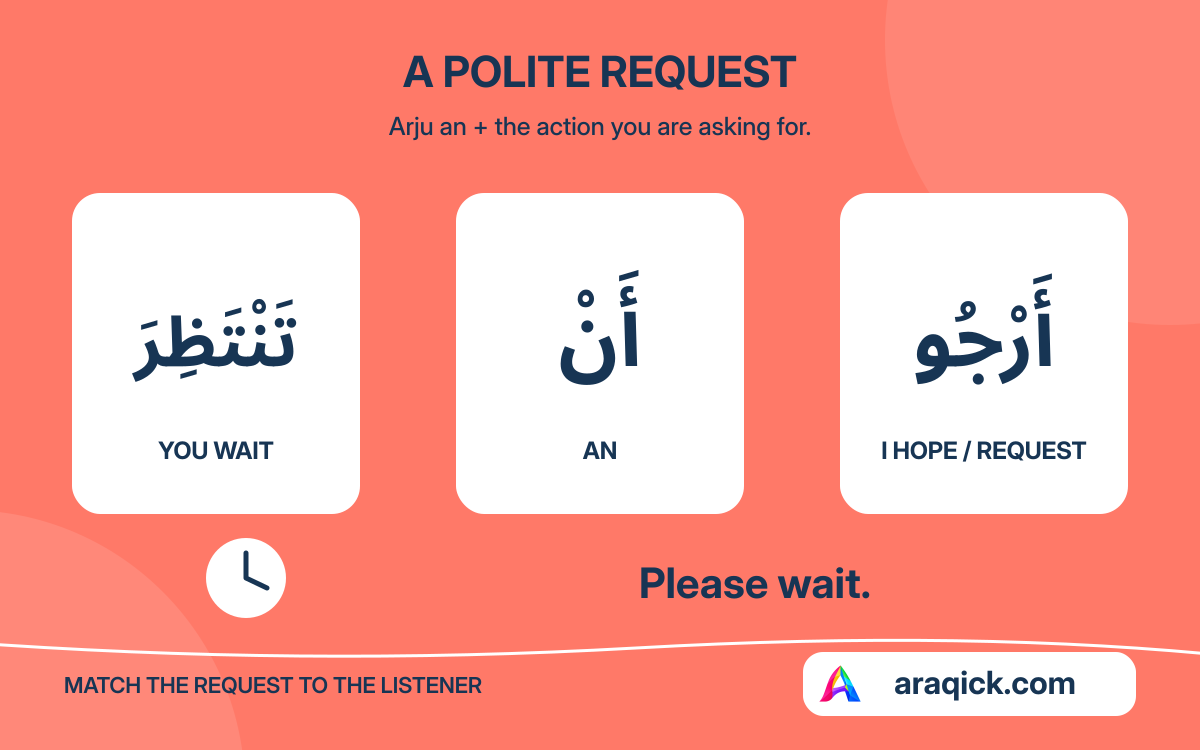
Polite Requests in Arabic: How to Use Arju An
أَرْجُو أَنْ تَخْفِضَ صَوْتَكَ
Use arju an with a verb addressed to the listener for a courteous, specific request.
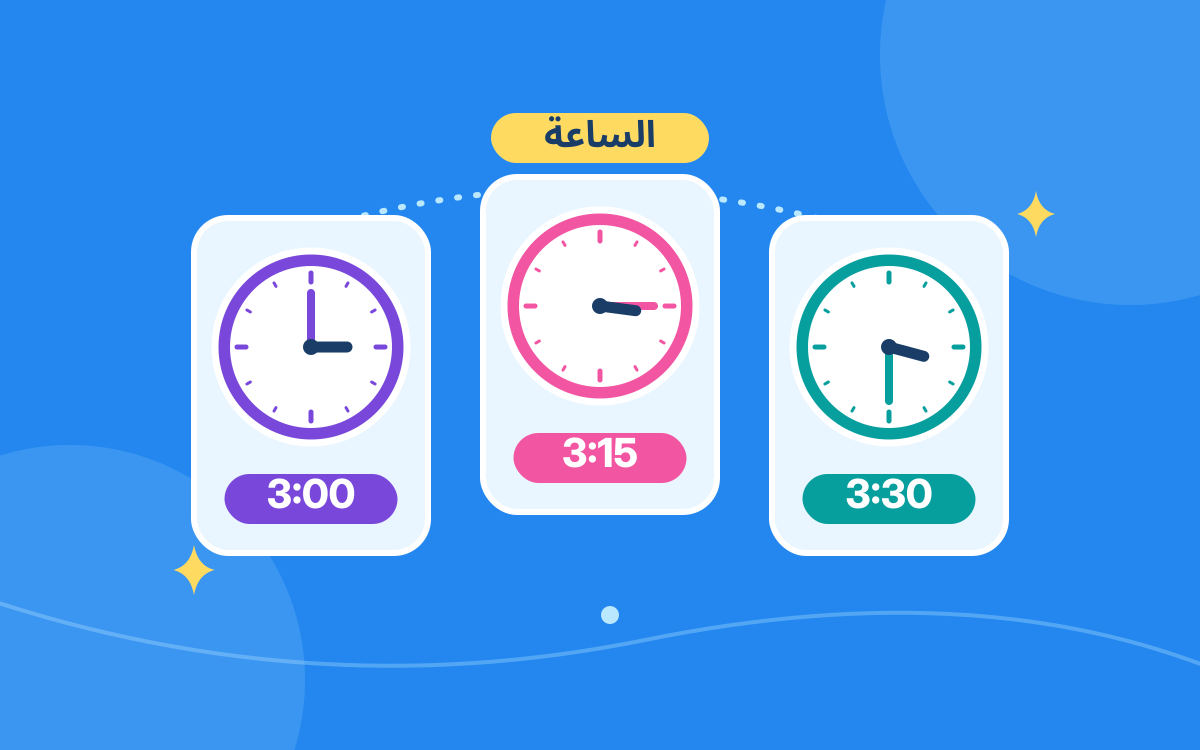
Telling the Time in Arabic: Hours, Half Past and Quarter Past
فِي الْعَاشِرَةِ مَسَاءً
Review feminine hour words and specify morning or evening when agreeing on a time.
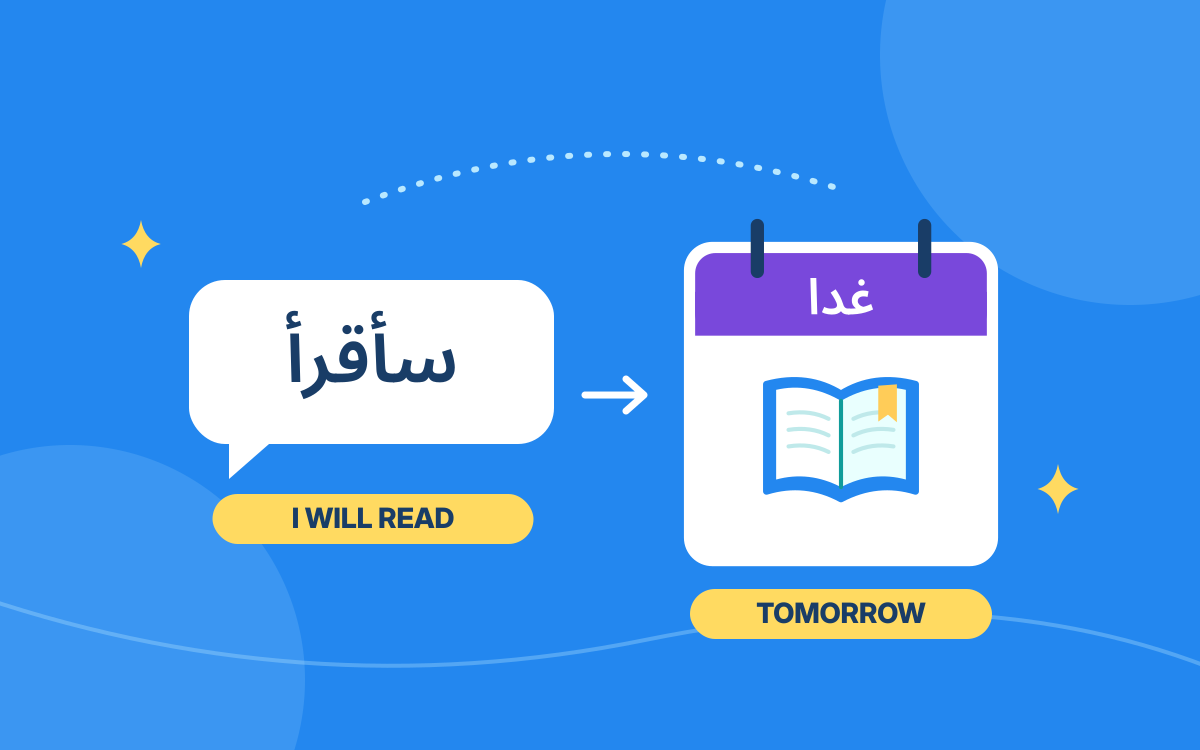
Arabic Future Tense for Beginners: Talk About Tomorrow
سَأَسْتَعْمِلُ سَمَّاعَاتِ الرَّأْسِ
Recognise attached sa in a first-person statement of the change the speaker will make.