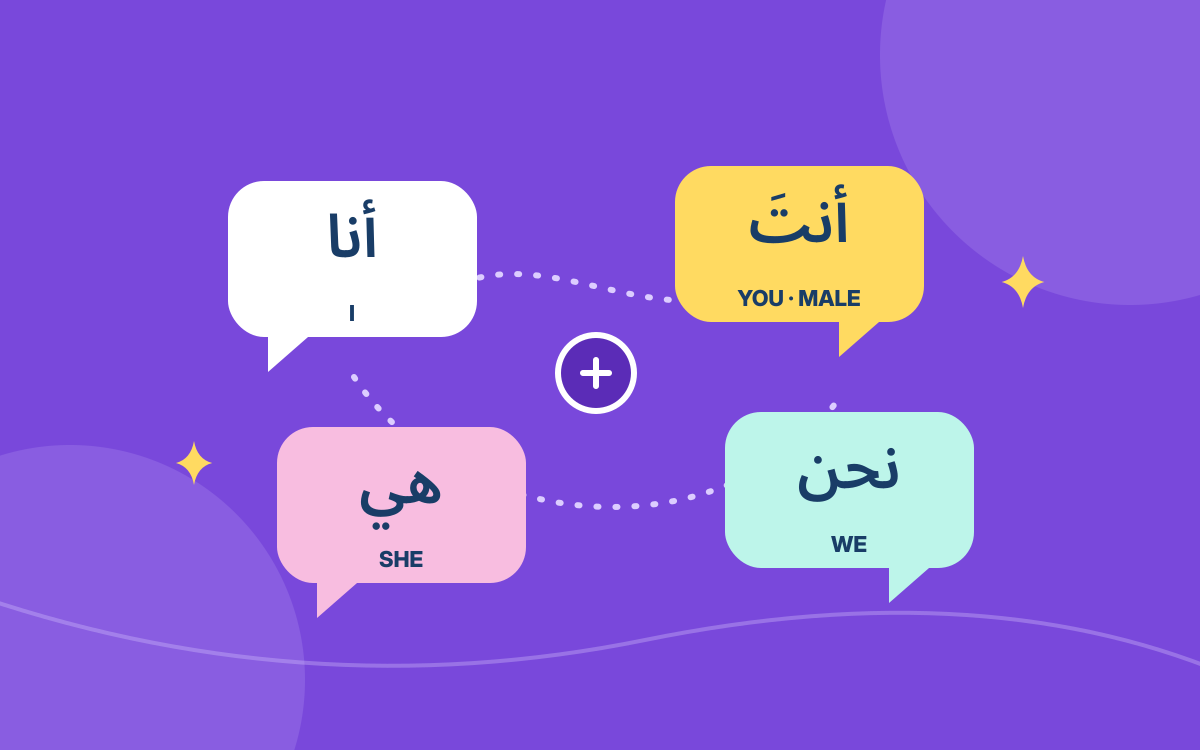
Ana means I, nahnu means we, huwa means he and hiya means she. Arabic also distinguishes anta, you to one man, from anti, you to one woman. These six Modern Standard Arabic forms let you identify who a short sentence is about without repeating a name.
01Talk about yourself: I and we
ana
I
nahnu
We
- Use ana when you mean yourself.
- Use nahnu when you include yourself and at least one other person.
- These two pronouns do not change according to the speaker’s gender.
هُنَا huna means here. Put it after either pronoun: أَنَا هُنَا ana huna, “I am here”; نَحْنُ هُنَا nahnu huna, “We are here.”
02Address someone: two forms of you
anta
You, to one man
anti
You, to one woman
The difference is the last short vowel: a in anta, i in anti. It depends on the person you address, not on who is speaking. A woman addressing a man still uses anta.
أَنْتَ هُنَا
anta huna — You are here, to one man.
أَنْتِ هُنَا
anti huna — You are here, to one woman.
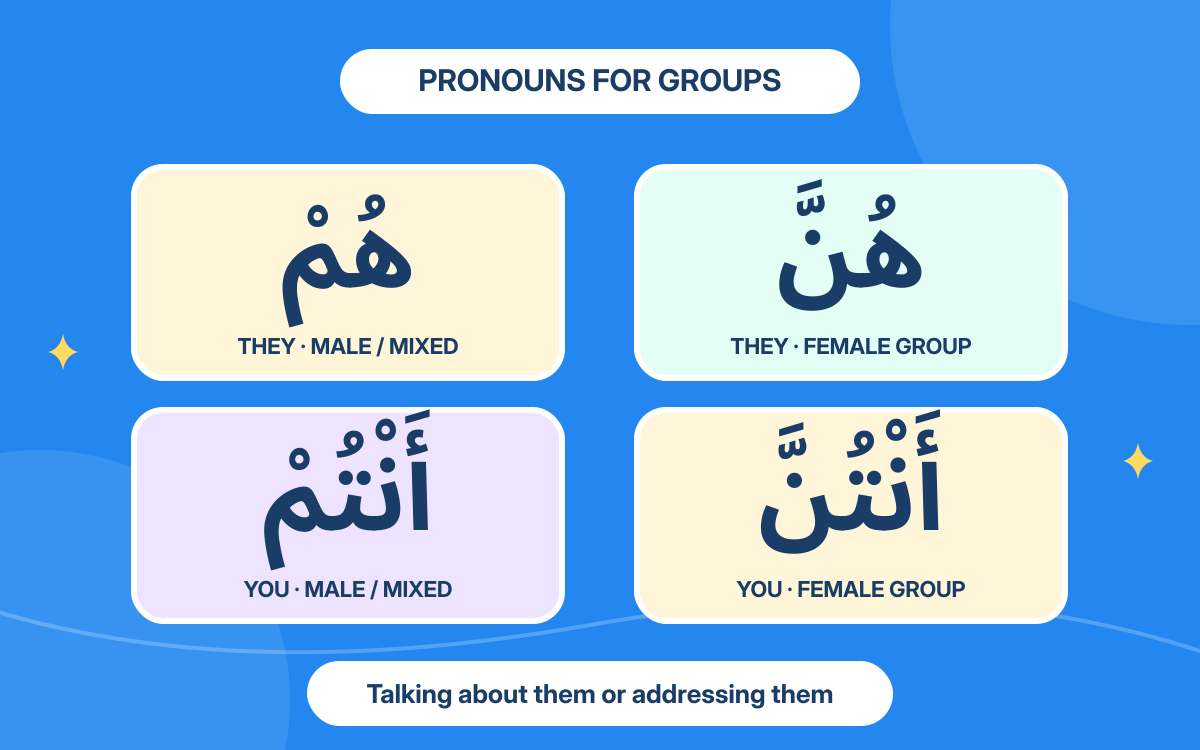
These are singular forms. Addressing several people needs different forms, which you can learn after these six are comfortable.
03Talk about someone: he and she
huwa
He
hiya
She
Use huwa or hiya when referring to someone, rather than speaking directly to them. Compare the roles: “You are here” addresses the listener; “She is here” tells the listener about someone else.
هِيَ هُنَا
hiya huna
She is here.
Arabic can also use these pronouns for things according to the noun’s grammatical gender. English may translate them as it in that setting. The questions here focus on people so you can practise the basic distinction first.
04Add a place
فِي الْبَيْت fi albayt means at home or in the house. Combine it with a pronoun:
نَحْنُ فِي الْبَيْت
nahnu fi albayt
We are at home.
هُوَ فِي الْبَيْت
huwa fi albayt
He is at home.
- These simple present location sentences need no separate word for am, is or are.
- The place phrase stays the same when you change the pronoun.
- This does not mean every kind of sentence stays unchanged: verbs and descriptive words may need different forms.
05Ask who the sentence is about
- The speaker? Choose ana for I or nahnu for a group including the speaker.
- The listener? Choose anta or anti when addressing one person.
- Someone being discussed? Choose huwa for he or hiya for she.
Now cover the Arabic cards and say a short line about where someone is. Change just one thing: I am here, we are here, she is here. This makes the contrast easier to remember than reciting an isolated list.
The plain transliteration keeps reading simple; it does not represent every sound or vowel length. Keep looking at the Arabic alongside it.
What to remember
- Ana and nahnu identify the speaker alone or a group including the speaker.
- Anta and anti distinguish the person being addressed; huwa and hiya refer to someone being discussed.
- A pronoun plus a location can form a present sentence without a separate word for am, is or are.
Sources & further learning
References for the language explanations and learning guidance.