Several people can write without changing the action. Formal Arabic uses yaktubuna when talking about a male or mixed group and taktubuna when addressing that group. Learn their shared ending, then use the beginning to separate they from you.
01Talk about a group with yaktubuna
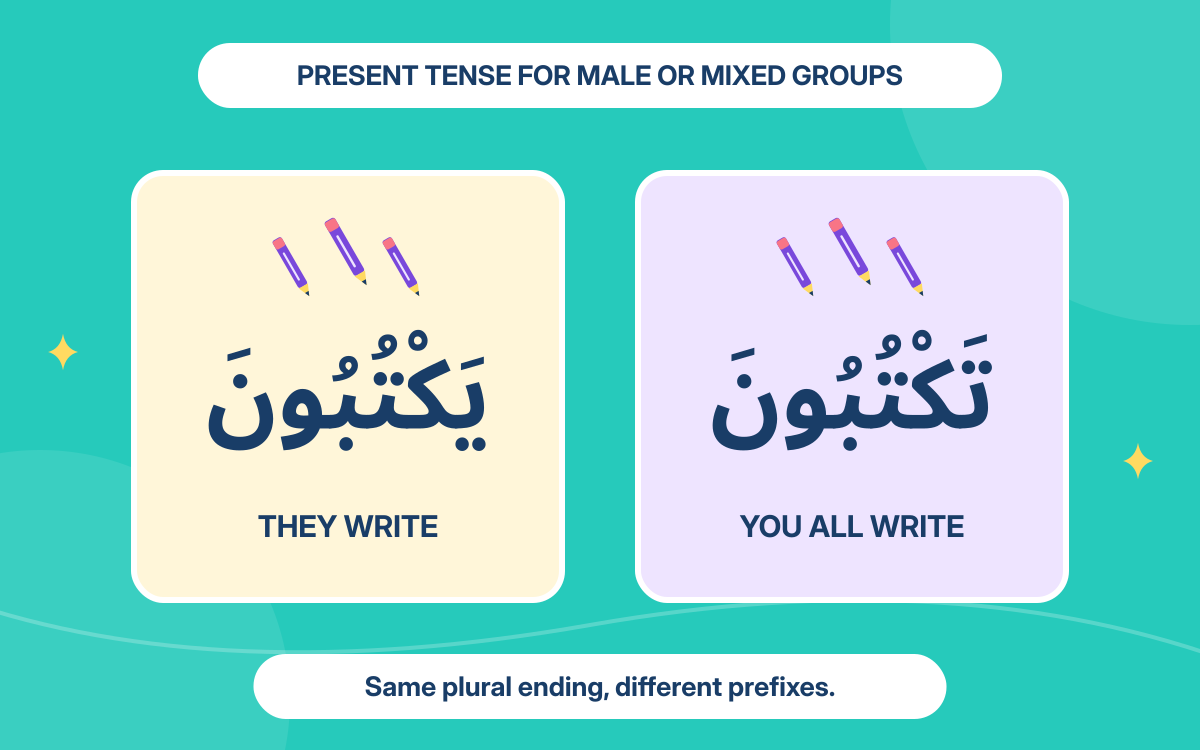
Use hum yaktubuna for a group of men or a mixed group of men and women. Hum means they; yaktubuna means they write.
هُمْ يَكْتُبُونَ
hum yaktubuna
They write. — a male or mixed group
The plural ending is ونَ. The u before n is long, shown by waw; the final a is short. Our plain reading aid writes one u. Human plural here means three or more people; two use dual forms.
02Address the group with taktubuna
Use antum when speaking directly to a male or mixed group. Change the initial y to t while keeping the plural ending.
أَنْتُمْ تَكْتُبُونَ
antum taktubuna
You write. — to a male or mixed group
The two forms describe the same action and kind of group. The difference is whether you discuss the people or speak to them.
03Keep the plural ending visible
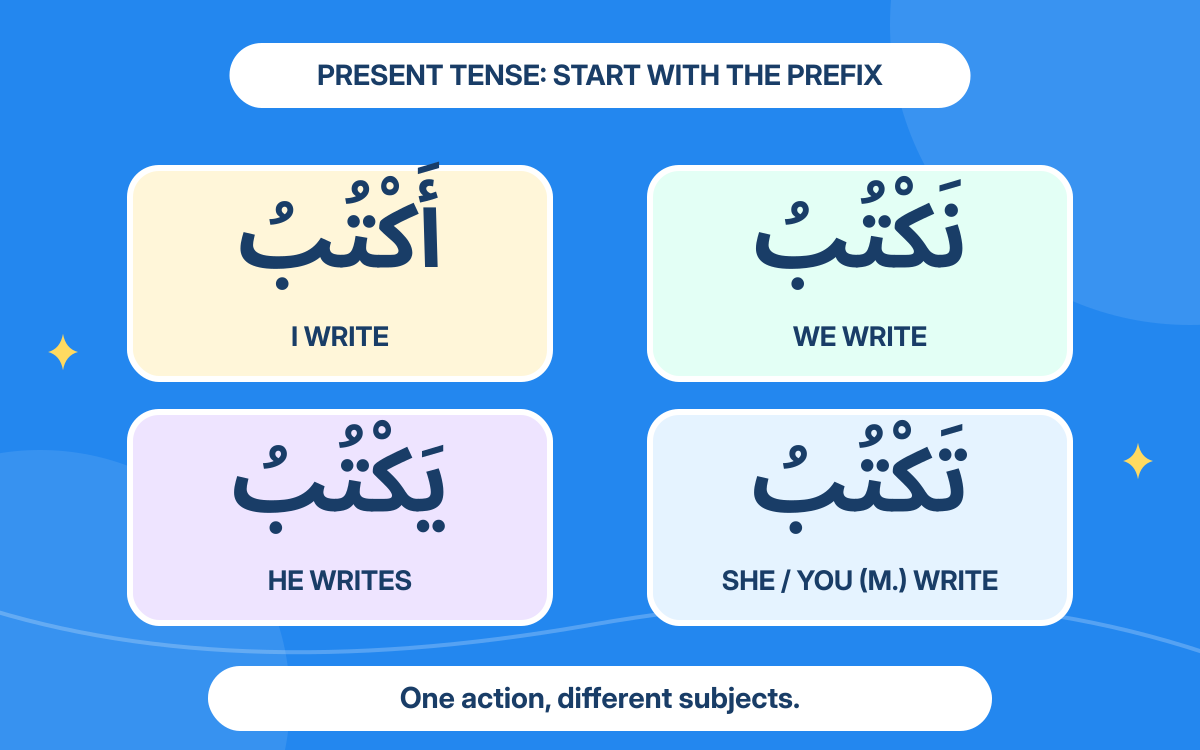
One male listener uses taktubu. Several male or mixed listeners use taktubuna. The shared t prefix alone does not tell you the number.
أَنْتَ تَكْتُبُ
anta taktubu
You write. — to one male
أَنْتُمْ تَكْتُبُونَ
antum taktubuna
You write. — to a male or mixed group
Read the full verb before translating English you. In these ordinary present statements, keep the final nun.
04Compare they write with they wrote
The past form katabu describes a completed writing action. The present form yaktubuna has both the initial y and the plural present ending.
هُمْ كَتَبُوا
hum katabu
They wrote. — a male or mixed group
هُمْ يَكْتُبُونَ
hum yaktubuna
They write. — a male or mixed group
Katabu ends in waw followed by a silent alif. Yaktubuna ends in waw and nun, with no alif after the nun. Learn the complete spelling of each form.
05Add what the group writes
Use risalatan, a letter, as the object. Changing they to you changes the verb’s prefix but leaves this object unchanged.
هُمْ يَكْتُبُونَ رِسَالَةً
hum yaktubuna risalatan
They write a letter. — a male or mixed group
أَنْتُمْ تَكْتُبُونَ رِسَالَةً
antum taktubuna risalatan
You write a letter. — to a male or mixed group
The separate pronoun may be omitted when the context is clear. Yaktubuna and taktubuna retain the distinction between the group being discussed and the group addressed.
What to remember
- Hum yaktubuna talks about a male or mixed group; antum taktubuna addresses that group.
- The ordinary plural present ending ونَ has long u before n and short final a.
- Yaktubuna means they write; katabu means they wrote and has a different spelling.
Your reference shelf
Open a guide whenever you need it.
Compare singular and group writing formsCheck who is being discussed or addressed
| Person | Arabic | Reading |
|---|---|---|
| He | هُوَ يَكْتُبُ | huwa yaktubu |
| They — male or mixed group | هُمْ يَكْتُبُونَ | hum yaktubuna |
| You — one male | أَنْتَ تَكْتُبُ | anta taktubu |
| You — male or mixed group | أَنْتُمْ تَكْتُبُونَ | antum taktubuna |
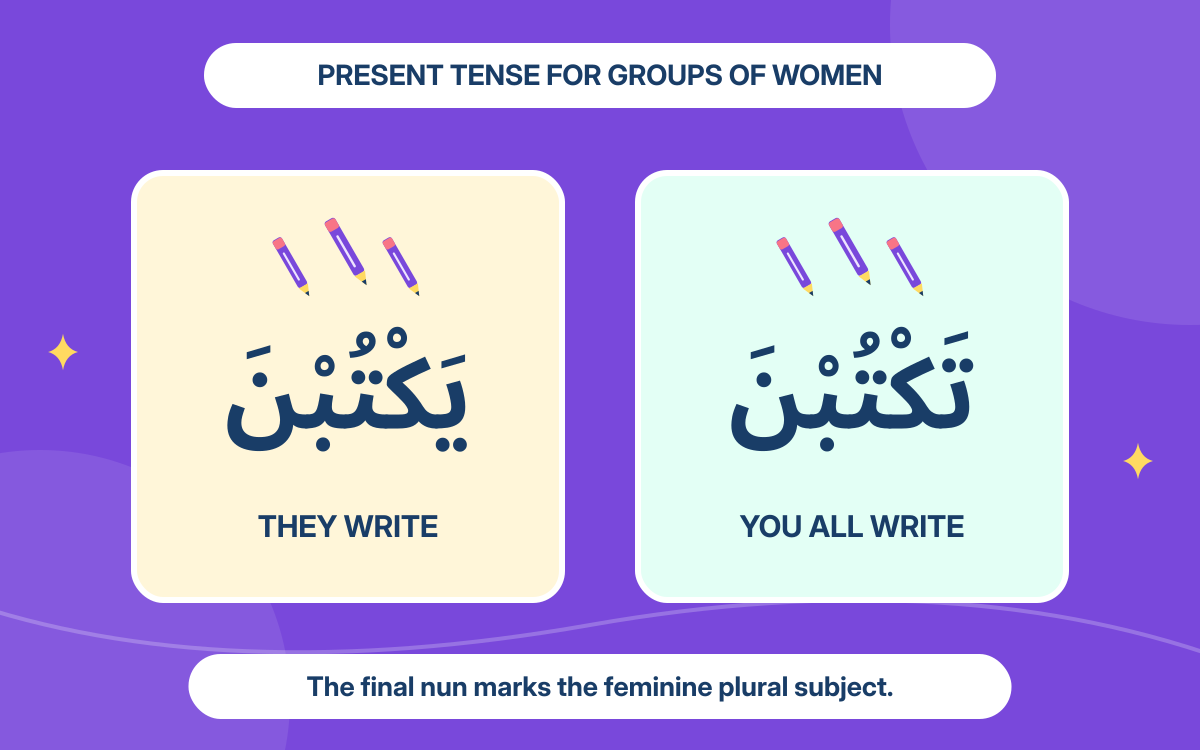
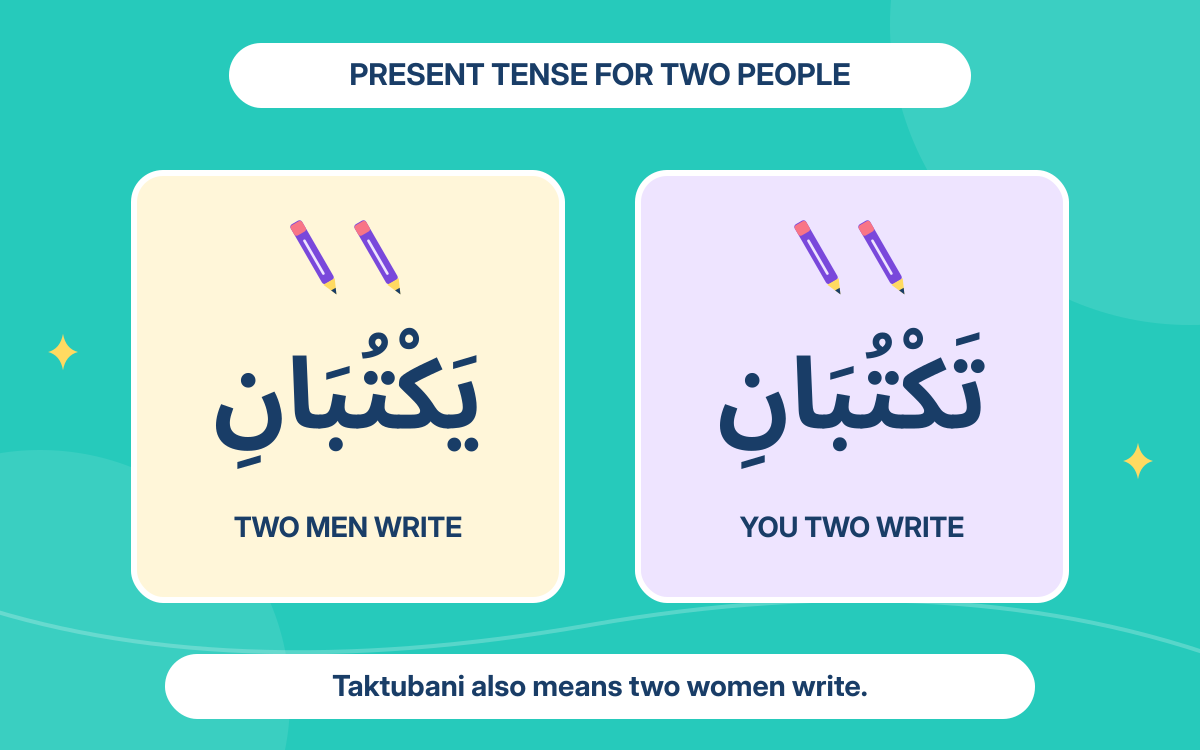
These are ordinary indicative present forms. A group consisting only of women has separate forms, taught later. Exactly two people use the dual. Nonhuman plurals commonly take feminine singular agreement, so this human-group chart does not apply to them.
Our models put the separate pronoun before the verb. A named plural subject following the verb has a different agreement pattern; that structure needs its own guide. The simplified readings retain una here, but represent its long u with one letter. Read the Arabic too.
Sources & further learning
References for the language explanations and learning guidance.