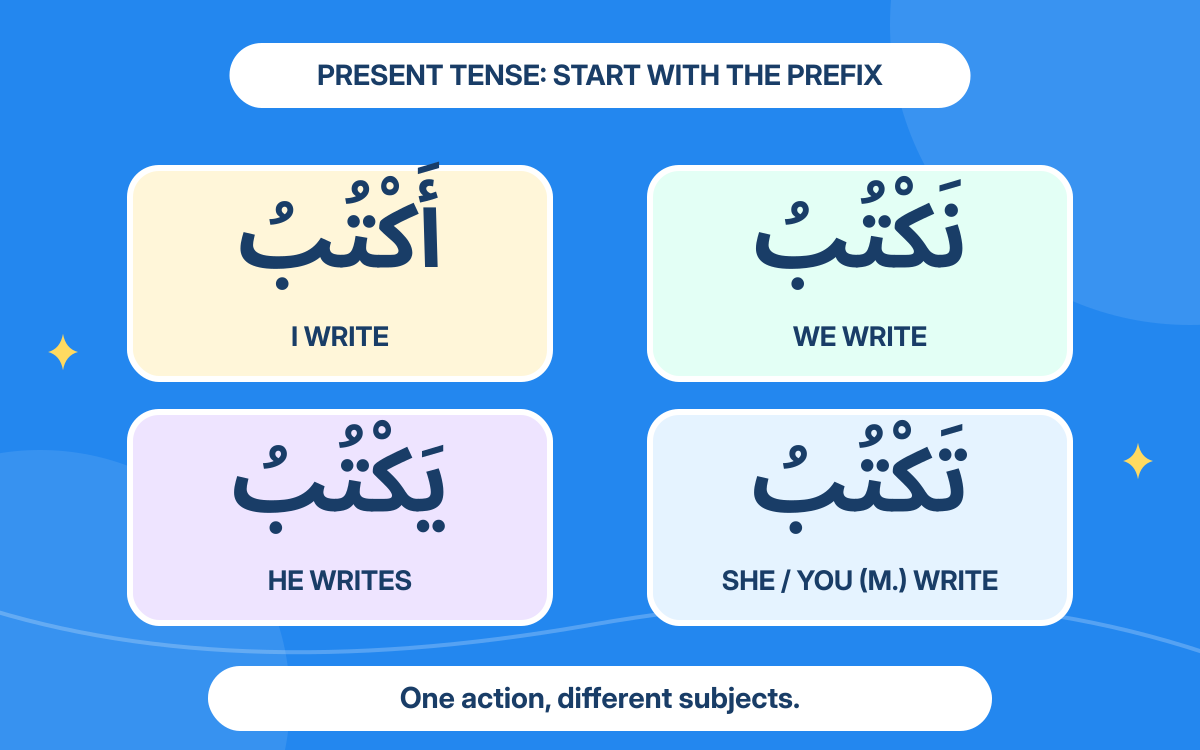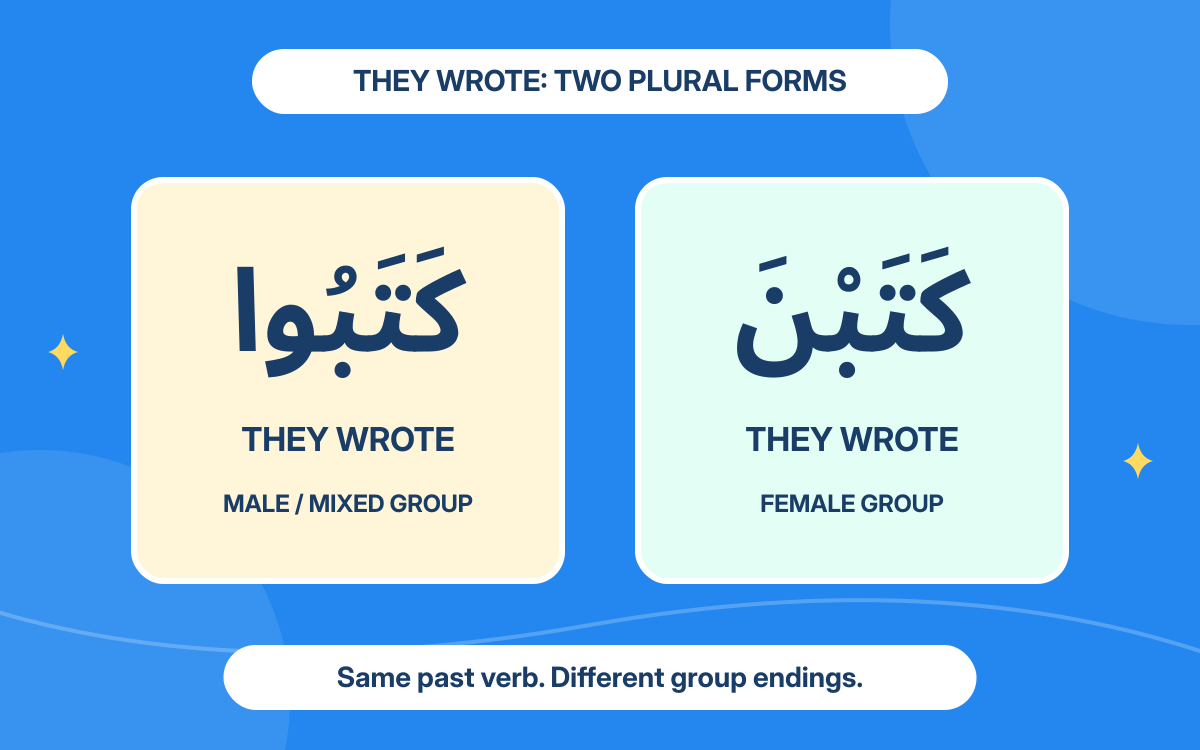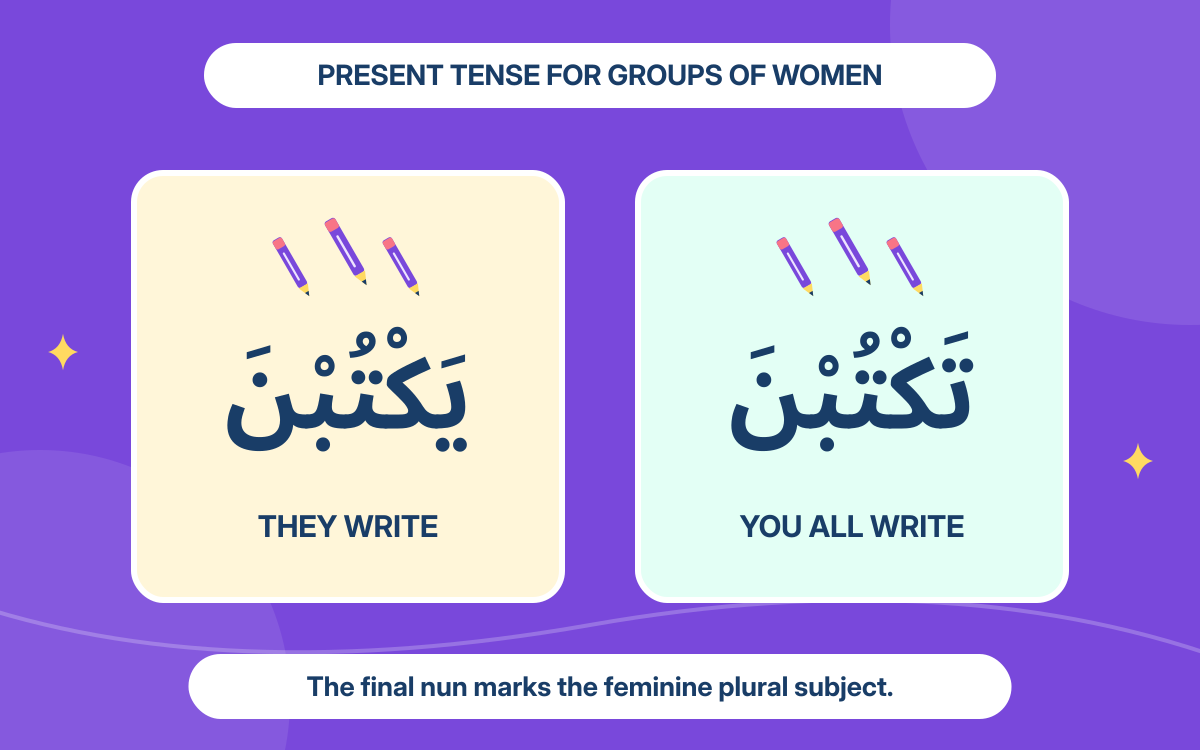
A group consisting only of women has its own present writing forms. Use yaktubna when talking about the women and taktubna when addressing them. Their final nun identifies the female group and behaves differently from the removable nun in some other present forms.
01Talk about women with hunna yaktubna
Hunna means they when talking about a female group. Match it with yaktubna for they write. A human plural group here means three or more people; exactly two use dual forms.
هُنَّ يَكْتُبْنَ
hunna yaktubna
They write. — a female group
The b has sukun: بْ. The ending نَ has one n and short a. The separate pronoun hunna has a doubled n, but the verb’s final nun has no shaddah.
02Address women with antunna taktubna
Antunna means you when speaking directly to a female group. Use taktubna, with initial t instead of y. The writing action and female group ending stay the same.
أَنْتُنَّ تَكْتُبْنَ
antunna taktubna
You write. — to a female group
Hunna talks about the women; antunna addresses them. Read the beginning as well as the ending.
03Keep female and male group endings separate
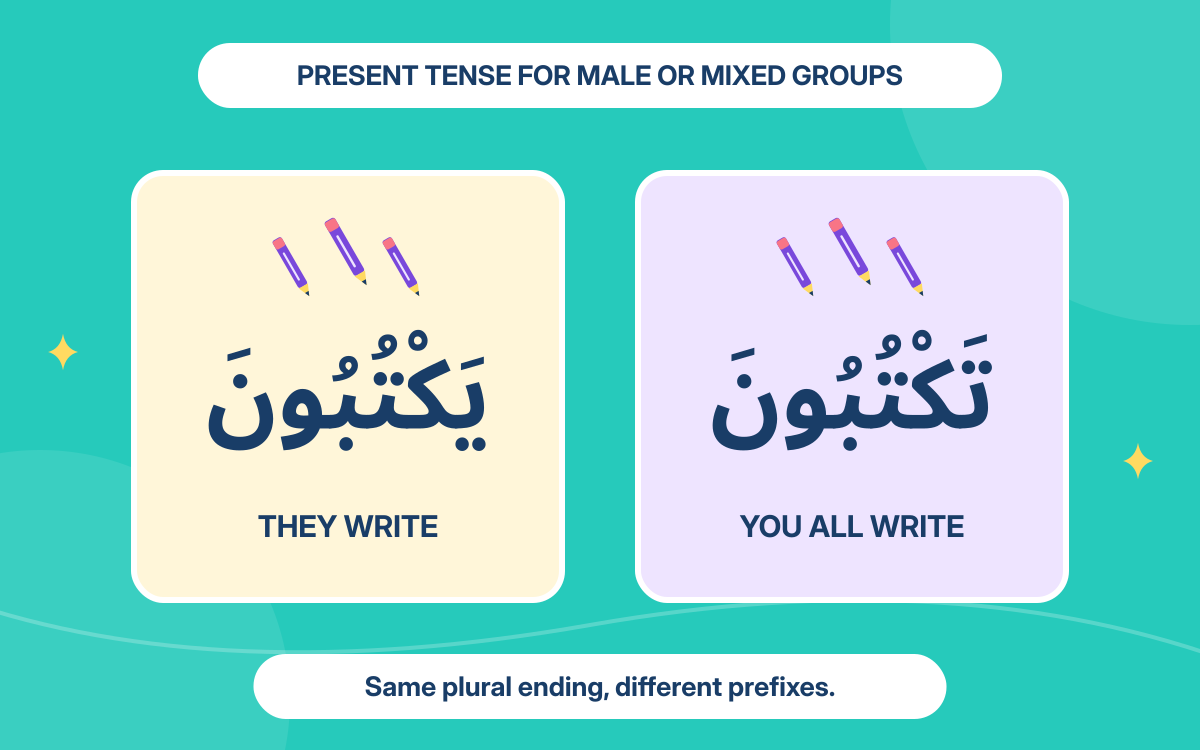
Yaktubuna talks about a male or mixed human group. Yaktubna talks about a female group. They have different complete endings.
هُمْ يَكْتُبُونَ
hum yaktubuna
They write. — a male or mixed group
هُنَّ يَكْتُبْنَ
hunna yaktubna
They write. — a female group
The first has long u before n, written with waw. The second has no vowel after b and short final a. Our plain readings simplify vowel length, so read the marked Arabic too.
04Use naktubu when the speaker is included
We write is nahnu naktubu, even when the speaker and everyone else are women. Its initial n marks we. The final n in yaktubna instead identifies a female group being discussed.
نَحْنُ نَكْتُبُ
nahnu naktubu
We write.
هُنَّ يَكْتُبْنَ
hunna yaktubna
They write. — a female group
Choose we or they according to who is included in the statement, rather than choosing only from the group’s gender.
05Keep the female subject nun
The final nun in yaktubna and taktubna is an attached subject pronoun, called nun al niswah. It remains when the verb’s grammatical mood changes; it is not the removable mood-marker nun of yaktubuna. Mood rules are taught in the following guides.
هُنَّ يَكْتُبْنَ رِسَالَةً
hunna yaktubna risalatan
They write a letter. — a female group
Risalatan names what they write. The separate hunna can be omitted when context is clear; the attached female subject nun stays. These simple Latin readings omit hyphens and simplify some Arabic sounds.
What to remember
- Hunna yaktubna talks about a female group; antunna taktubna addresses that group.
- The female present ending has one final nun with short a and no shaddah.
- Its final nun is an attached subject and stays across moods; initial n in naktubu instead identifies we.
Your reference shelf
Open a guide whenever you need it.
Compare female they, female you and weRead the prefix and full ending together
| Doer | Arabic | Reading |
|---|---|---|
| They — female group | هُنَّ يَكْتُبْنَ | hunna yaktubna |
| You — female group | أَنْتُنَّ تَكْتُبْنَ | antunna taktubna |
| We — any group including the speaker | نَحْنُ نَكْتُبُ | nahnu naktubu |
| They — male or mixed group | هُمْ يَكْتُبُونَ | hum yaktubuna |
The present verb attached to nun al niswah is fixed, mabni, with sukun on its final root consonant here. Its grammatical position can change without deleting the subject nun. The mood-marker nun of the five verbs is a different ending; learn that distinction in its own guide.
These models put the separate pronoun before the verb. Nonhuman plurals commonly use feminine singular agreement, and a named subject after the verb has its own agreement rules. This female-human-group chart does not replace those rules.
Sources & further learning
References for the language explanations and learning guidance.