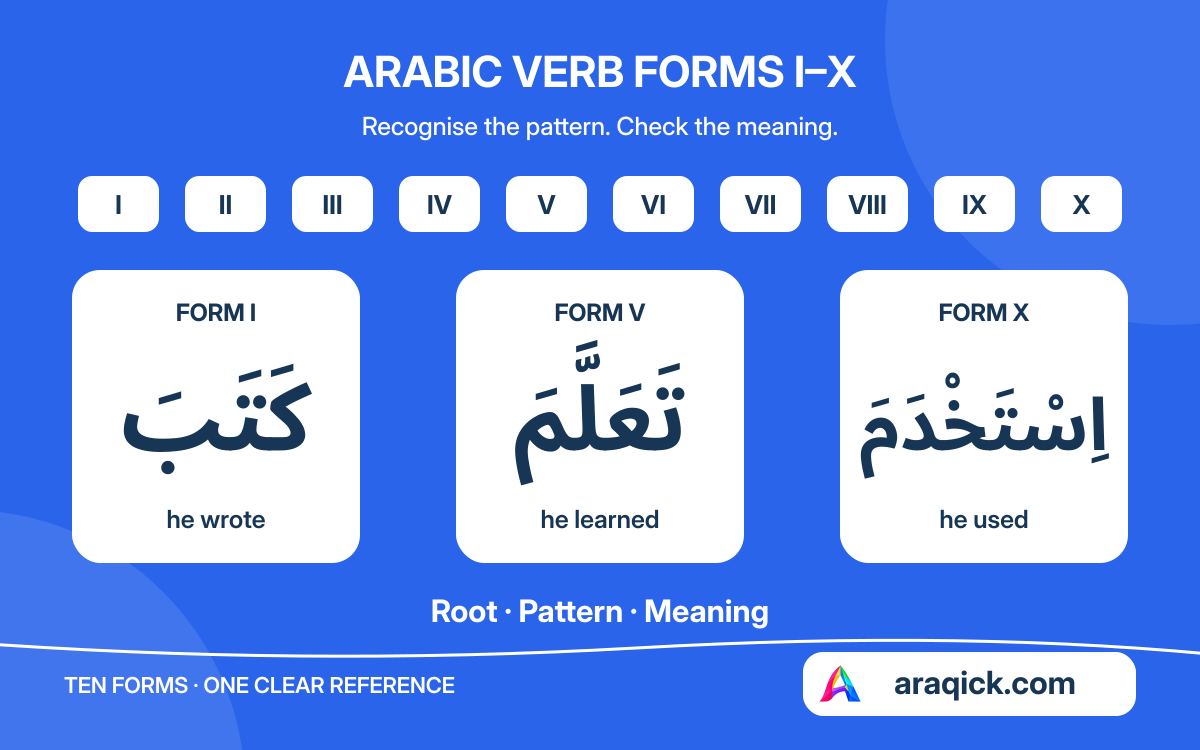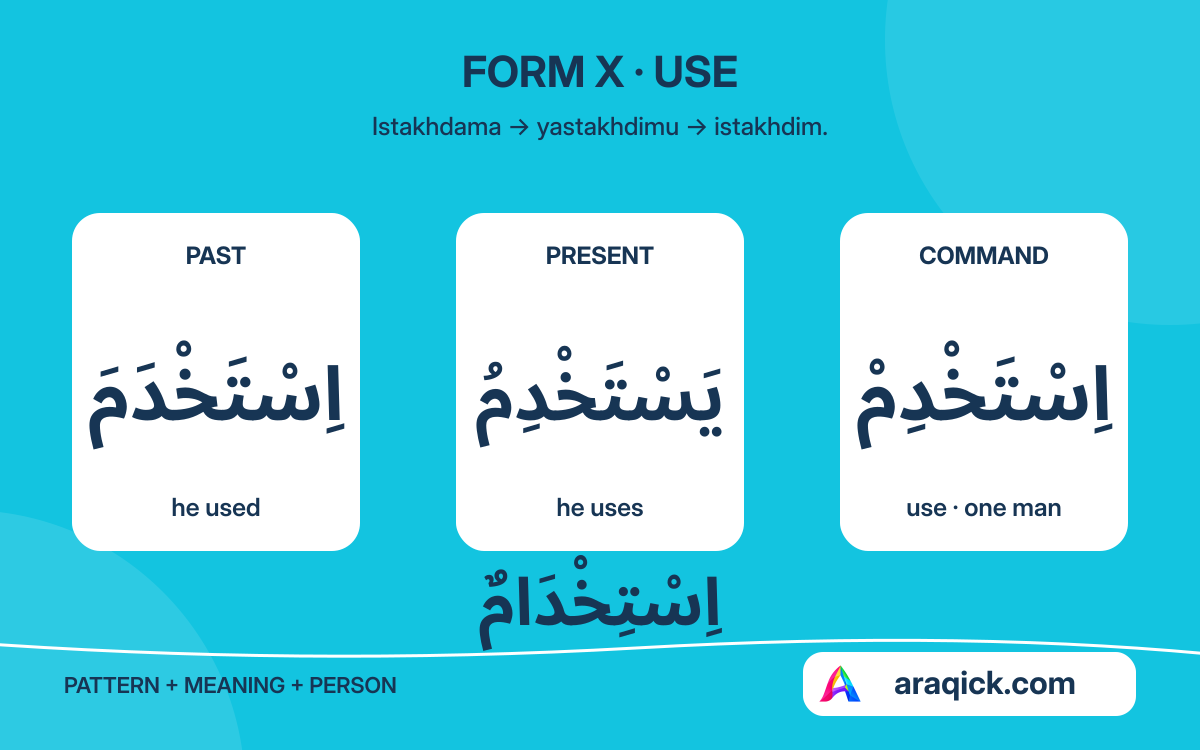
Form X is easy to notice in a regular past verb because it starts with ista. Istakhdama means he used, and yastakhdimu means he uses. Some Form X verbs express seeking or requesting, but the family has other meanings too. A key and a small practical instruction make the regular conjugation easier to use.
01Find the three root letters after the added shape
اِسْتَخْدَمَ الْحَارِسُ مِفْتَاحًا صَغِيرًا
istakhdama alharisu miftahan saghiran
The guard used a small key.
The root خ د م fits اِسْتَفْعَلَ. The initial alif, sin and ta are added in this regular model. The guard is the subject; miftahan is the accusative object, described by saghiran.
Learn istakhdama with its actual meaning used. The related base root does not give a complete English translation by itself.
02Add person endings to the past stem
اِسْتَخْدَمْتُ خَرِيطَةً جَدِيدَةً
istakhdamtu kharitatan jadidatan
I used a new map.
The tu ending means I. We used is اِسْتَخْدَمْنَا (istakhdamna); she used is اِسْتَخْدَمَتْ. The ista beginning stays in all these past forms.
Dal keeps its short a in the past stem. Changing the subject does not itself change the verb family or the root. Use the full chart when working with dual and plural subjects.
03Change ista to yasta and the internal a to i
نَسْتَخْدِمُ الْخَرِيطَةَ فِي الرِّحْلَةِ
nastakhdimu alkharitata fi arrihlati
We use the map on the trip.
The ordinary present model is yastakhdimu. Its initial alif is replaced by the person prefix, while dal takes kasrah. We use has na; I use is أَسْتَخْدِمُ.
The final u is the indicative ending. Distinguish it from the internal i: لَمْ أَسْتَخْدِمْ, I did not use, keeps internal i while the last mim takes sukun.
04Begin the command with a helping i
اِسْتَخْدِمْ هَذَا الْمِفْتَاحَ
istakhdim hadha almiftaha
Use this key. — to one man
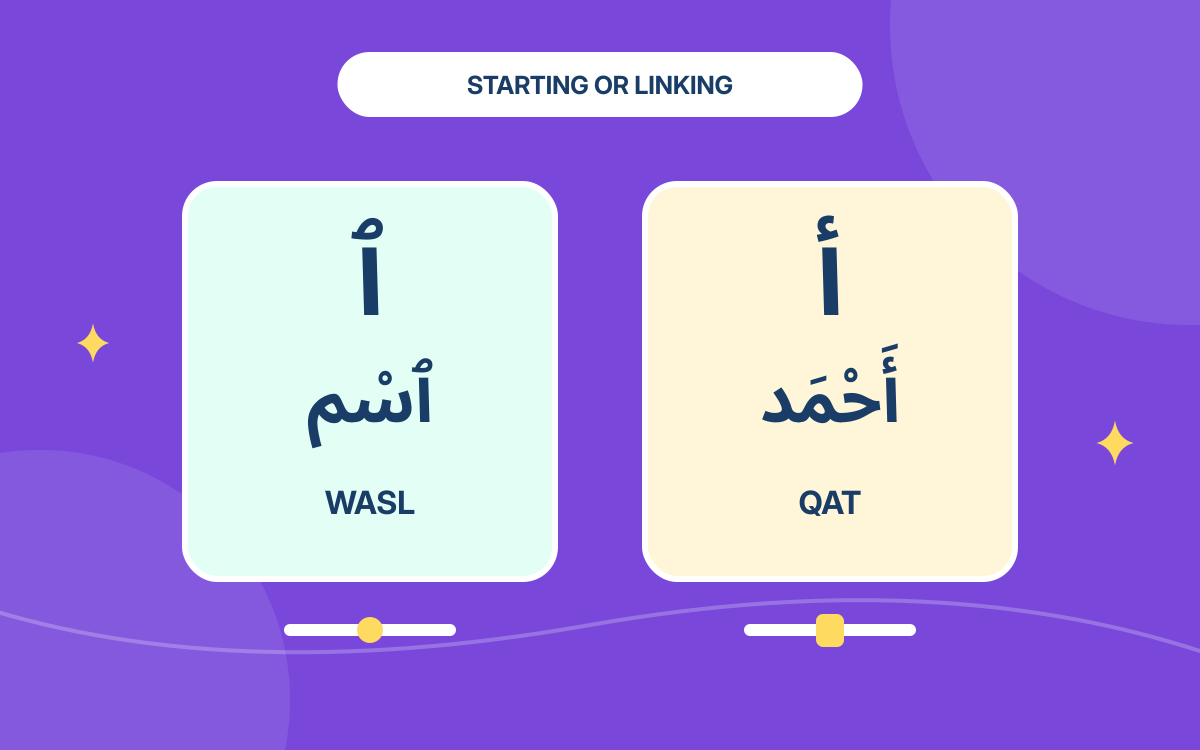
Istakhdim has the present stem’s internal i and final sukun. Its initial alif is hamzat alwasl. When beginning with the command, pronounce the helping i; it does not behave like Form IV’s permanent hamzah.
To one woman use اِسْتَخْدِمِي; to a male or mixed group use اِسْتَخْدِمُوا. Review the two kinds of hamzah for connected speech.
05Connect the noun family and check other meanings
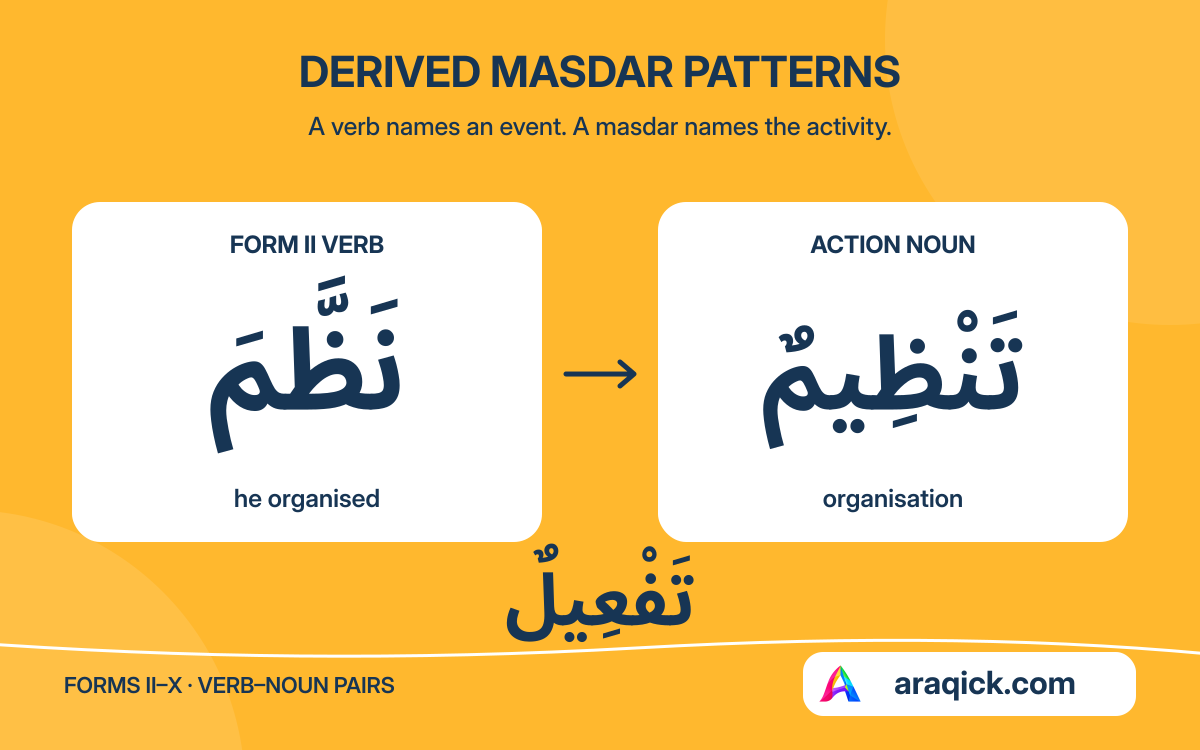
The masdar اِسْتِخْدَامٌ means use or usage. The active participle مُسْتَخْدِمٌ means a user. In a suitable object context, passive مُسْتَخْدَمٌ means used. The vowel on dal distinguishes the two participles.
Compare اِسْتَغْفَرَ, sought forgiveness, and اِسْتَكْبَرَ, acted arrogantly. Seeking is one common meaning, not a universal translation. The hollow verb اِسْتَطَاعَ, was able, has stem changes outside this regular chart.
See derived masdars and passive participles for the related nouns.
What to remember
- Regular Form X uses ista in the past and yasta in the third-person present.
- Istakhdama becomes yastakhdimu and the command istakhdim.
- Learn exact meanings and distinguish mustakhdim, a user, from mustakhdam, used.
Your reference shelf
Open a guide whenever you need it.
Istakhdama: past and presentCompare past forms with the ordinary indicative present
| Person | Past | Present |
|---|---|---|
| He | اِسْتَخْدَمَ | يَسْتَخْدِمُ |
| They: two men | اِسْتَخْدَمَا | يَسْتَخْدِمَانِ |
| They: male or mixed group | اِسْتَخْدَمُوا | يَسْتَخْدِمُونَ |
| She | اِسْتَخْدَمَتْ | تَسْتَخْدِمُ |
| They: two women | اِسْتَخْدَمَتَا | تَسْتَخْدِمَانِ |
| They: female group | اِسْتَخْدَمْنَ | يَسْتَخْدِمْنَ |
| You: one man | اِسْتَخْدَمْتَ | تَسْتَخْدِمُ |
| You: two people | اِسْتَخْدَمْتُمَا | تَسْتَخْدِمَانِ |
| You: male or mixed group | اِسْتَخْدَمْتُمْ | تَسْتَخْدِمُونَ |
| You: one woman | اِسْتَخْدَمْتِ | تَسْتَخْدِمِينَ |
| You: female group | اِسْتَخْدَمْتُنَّ | تَسْتَخْدِمْنَ |
| I | اِسْتَخْدَمْتُ | أَسْتَخْدِمُ |
| We | اِسْتَخْدَمْنَا | نَسْتَخْدِمُ |
The two-person you form applies to either gender. These regular stems keep their internal pattern; the endings mark the person. The present column is indicative. Other moods have their own endings.
Commands by listenerKeep the stem and choose the listener ending
| Listener | Command |
|---|---|
| One man | اِسْتَخْدِمْ |
| One woman | اِسْتَخْدِمِي |
| Two people | اِسْتَخْدِمَا |
| Male or mixed group | اِسْتَخْدِمُوا |
| Female group | اِسْتَخْدِمْنَ |
The alif after the masculine plural waw is silent. A direct command already identifies its listener. Plain Latin readings elsewhere simplify vowel length and some consonants; the marked Arabic shows the exact forms.
Sources & further learning
References for the language explanations and learning guidance.