Two people have their own past-tense forms in Standard Arabic. The writing action stays the same, but the ending tells you whether you mean they both or you both. The third-person forms distinguish gender; the form addressing two listeners does not. Practise one regular verb before adding more actions.
01Say they both wrote for a male or mixed pair
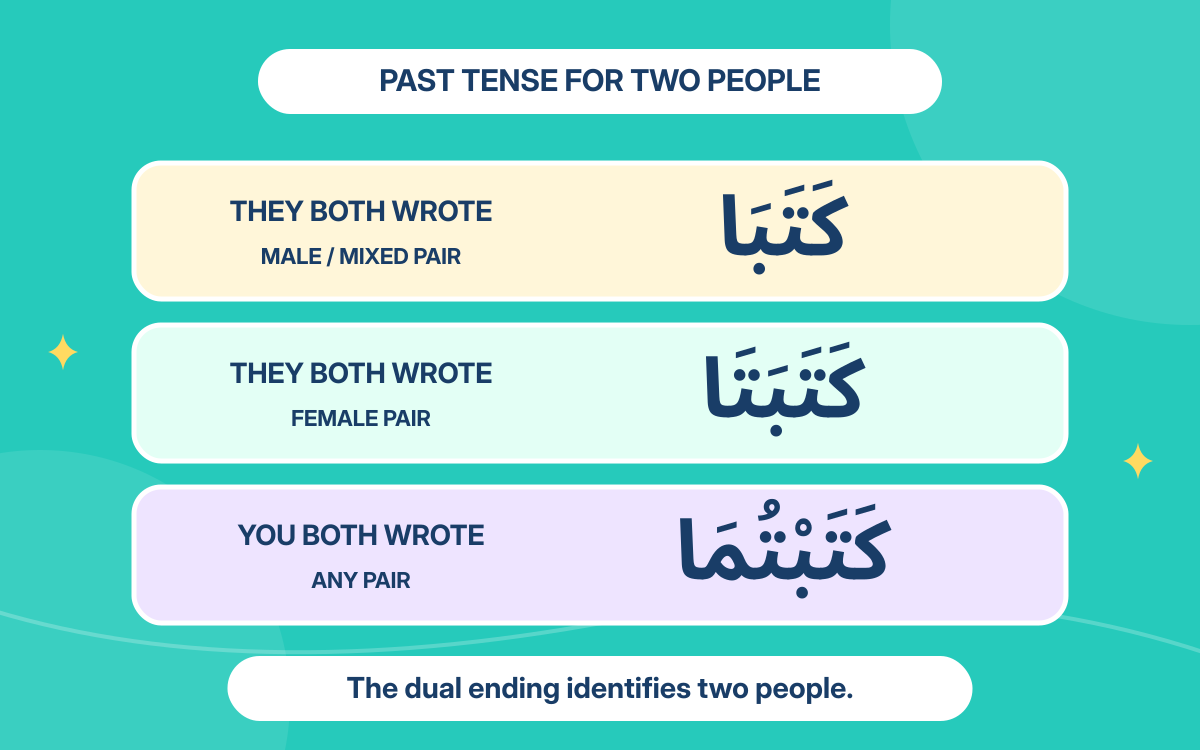
When talking about two males or a mixed pair, use the dual form كَتَبَا. Its final alif represents a long a, unlike the short final vowel in كَتَبَ, he wrote.
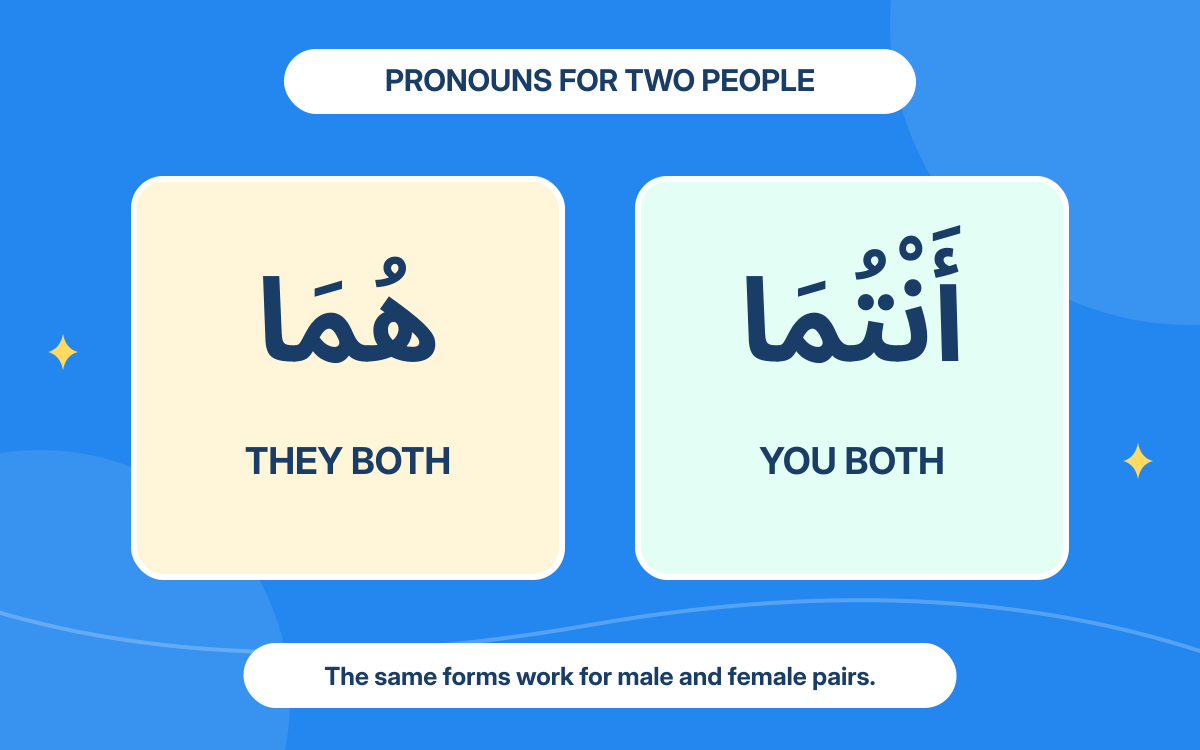
هُمَا كَتَبَا
huma kataba
They both wrote. (A male or mixed pair.)
Huma means they two. The verb already identifies a dual doer, so the separate pronoun makes the pair explicit rather than creating the dual meaning.
02Change the verb for two females
Huma also refers to two females. In this case, the verb changes to katabata, with a feminine marker before the dual alif.
هُمَا كَتَبَتَا
huma katabata
They both wrote. (Two females.)
The separate pronoun is unchanged; the verb reveals the gender. Compare كَتَبَتْ, she wrote, with كَتَبَتَا, two females wrote. The final a in the dual is long. Do not confuse this with كَتَبْتَ, you wrote to one male: its b has sukun, and its ending has a different job.
03Address two people with katabtuma
Speaking directly to two listeners requires the second-person dual. Katabtuma works for two males, two females or a mixed pair.
أَنْتُمَا كَتَبْتُمَا
antuma katabtuma
You both wrote.
Notice the sukun on b before tuma. Antuma means you two, while huma means they two. Choose by the pair’s role in the conversation, regardless of the speaker’s gender. There is no separate feminine version of katabtuma; the same form addresses every pair.
04Add what the pair wrote
Keep the explicit pronoun first, then the matching verb, then the thing written. Risalatan means a letter and is accusative as the object.
هُمَا كَتَبَتَا رِسَالَةً
huma katabata risalatan
They both wrote a letter. (Two females.)
أَنْتُمَا كَتَبْتُمَا رِسَالَةً
antuma katabtuma risalatan
You both wrote a letter.
The object stays the same when the doers change. These examples practise pronoun-first sentences; do not move a named subject after the verb and assume that every agreement rule stays unchanged.
05Separate you two from you all
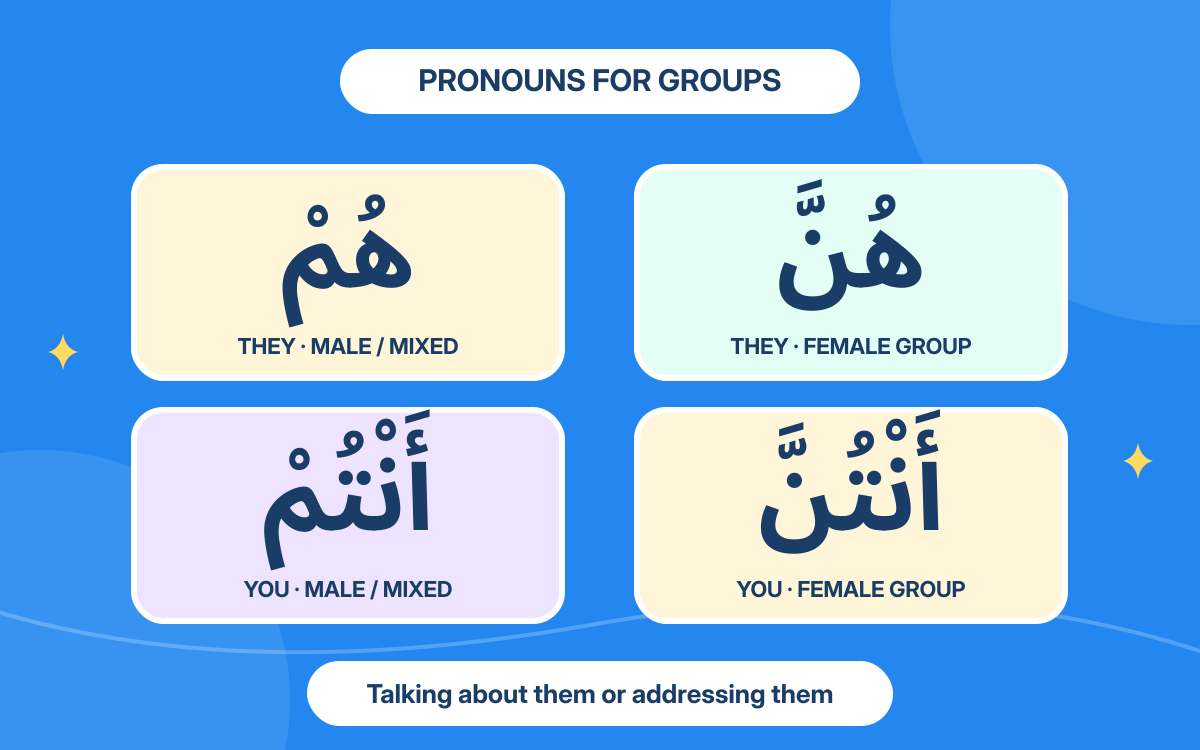
The final ma matters when addressing listeners. Katabtuma addresses exactly two; katabtum addresses a male or mixed plural group.
كَتَبْتُمَا
katabtuma
You both wrote.
كَتَبْتُمْ
katabtum
You all wrote. (A male or mixed group.)
Check the role, then the number, then gender where the form distinguishes it. Our plain Latin aids use one a for both short and long vowels. The Arabic alif and the length notes above therefore matter: the two forms كَتَبَ and كَتَبَا must not sound identical when read by themselves.
What to remember
- Kataba with a final dual alif means a male or mixed pair wrote; katabata means two females wrote.
- Katabtuma addresses two people of any gender; huma and antuma distinguish they two from you two.
- Read the Arabic endings carefully: the plain Latin aid does not show the dual’s long final a.
Your reference shelf
Open a guide whenever you need it.
Three complete dual formsReview they two and you two without a full conjugation chart
| Doers | Arabic | Plain reading aid |
|---|---|---|
| They: male or mixed pair | هُمَا كَتَبَا | huma kataba |
| They: female pair | هُمَا كَتَبَتَا | huma katabata |
| You: any pair | أَنْتُمَا كَتَبْتُمَا | antuma katabtuma |
The final a is long in all three verbs when read by themselves. The third-person dual ending includes the subject alif; the feminine t in katabata marks gender. In katabtuma, tuma identifies the two listeners.
The pronoun is optional when context is clear. A named dual noun before the verb also gives full dual agreement: الطَّالِبَانِ كَتَبَا رِسَالَةً, “The two male students wrote a letter.” A verb preceding a named dual subject follows a different agreement pattern. Keep the topic first while practising this guide.
The forms shown belong to regular kataba. Weak or doubled verbs can change internally, so learn their complete forms rather than attaching these endings mechanically.
Sources & further learning
References for the language explanations and learning guidance.