Maha tells Nour about making vegetable soup for the first time. Follow the steps, the small change she made, and her family’s reaction.
01Read the Arabic conversation
وَصْفُ طَبَقٍ طَبَخْتَهُ
نُورٌ: سَمِعْتُ أَنَّكِ طَبَخْتِ أَمْسِ. مَاذَا أَعْدَدْتِ؟
مَهَا: أَعْدَدْتُ حَسَاءَ الْخُضْرَوَاتِ لِأَوَّلِ مَرَّةٍ.
نُورٌ: مِنْ أَيْنَ أَخَذْتِ الْوَصْفَةَ؟
مَهَا: أَعْطَتْنِي أُمِّي وَصْفَةً بَسِيطَةً فِيهَا بَطَاطِسُ وَجَزَرٌ وَبَصَلٌ.
نُورٌ: مَاذَا فَعَلْتِ أَوَّلًا؟
مَهَا: غَسَلْتُ الْخُضْرَوَاتِ وَقَطَّعْتُهَا إِلَى قِطَعٍ صَغِيرَةٍ.
نُورٌ: وَمَاذَا فَعَلْتِ بَعْدَ ذَلِكَ؟
مَهَا: وَضَعْتُهَا فِي الْقِدْرِ مَعَ الْمَاءِ، ثُمَّ طَبَخْتُهَا حَتَّى صَارَتْ طَرِيَّةً.
نُورٌ: كَيْفَ كَانَ الْحَسَاءُ فِي الْبِدَايَةِ؟
مَهَا: كَانَ كَثِيفًا جِدًّا، فَأَضَفْتُ قَلِيلًا مِنَ الْمَاءِ السَّاخِنِ.
نُورٌ: هَلْ تَغَيَّرَ بَعْدَ إِضَافَةِ الْمَاءِ؟
مَهَا: نَعَمْ، أَصْبَحَ أَخَفَّ. ثُمَّ أَضَفْتُ قَلِيلًا مِنَ الْمِلْحِ وَقَدَّمْتُهُ مَعَ الْخُبْزِ.
نُورٌ: هَلْ أَعْجَبَ أُسْرَتَكِ؟
مَهَا: نَعَمْ، قَالَ أَبِي إِنَّهُ لَذِيذٌ، وَطَلَبَ أَخِي طَبَقًا آخَرَ.
نُورٌ: يَبْدُو أَنَّ التَّجْرِبَةَ نَجَحَتْ. هَلْ سَتُكَرِّرِينَهَا؟
مَهَا: بِالتَّأْكِيدِ. سَأَطْبُخُ الْحَسَاءَ مَرَّةً أُخْرَى فِي الْأُسْبُوعِ الْقَادِمِ.
Show English translationHide English translation
Nour: I heard that you cooked yesterday. What did you make?
Maha: I made vegetable soup for the first time.
Nour: Where did you get the recipe?
Maha: My mother gave me a simple recipe with potatoes, carrots, and onions.
Nour: What did you do first?
Maha: I washed the vegetables and cut them into small pieces.
Nour: And what did you do after that?
Maha: I put them in the pot with water, then cooked them until they became soft.
Nour: What was the soup like at first?
Maha: It was very thick, so I added a little hot water.
Nour: Did it change after adding the water?
Maha: Yes, it became thinner. Then I added a little salt and served it with bread.
Nour: Did your family like it?
Maha: Yes. My father said it was delicious, and my brother asked for another bowl.
Nour: It sounds as though the attempt was a success. Will you do it again?
Maha: Definitely. I will cook the soup again next week.
02Useful words and expressions
| Arabic in the conversation | Meaning here |
|---|---|
| لِأَوَّلِ مَرَّةٍ | for the first time |
| وَصْفَةً بَسِيطَةً | a simple recipe |
| قِطَعٍ صَغِيرَةٍ | small pieces |
| فِي الْقِدْرِ | in the pot |
| طَرِيَّةً | soft |
| كَثِيفًا جِدًّا | very thick |
| أَخَفَّ | thinner (for the soup) |
| طَبَقًا آخَرَ | another bowl; another serving |
03Check your understanding
Choose one answer for each question. Look back at the Arabic conversation for evidence. Open the English question support or a hint when you need help.
What to remember
- Order a short account with first, after that, and then.
- Describe a result and explain a small change that improved it.
Explore the Arabic in this conversation
Related grammar and vocabularyOpen Araqick guides connected to this conversation.
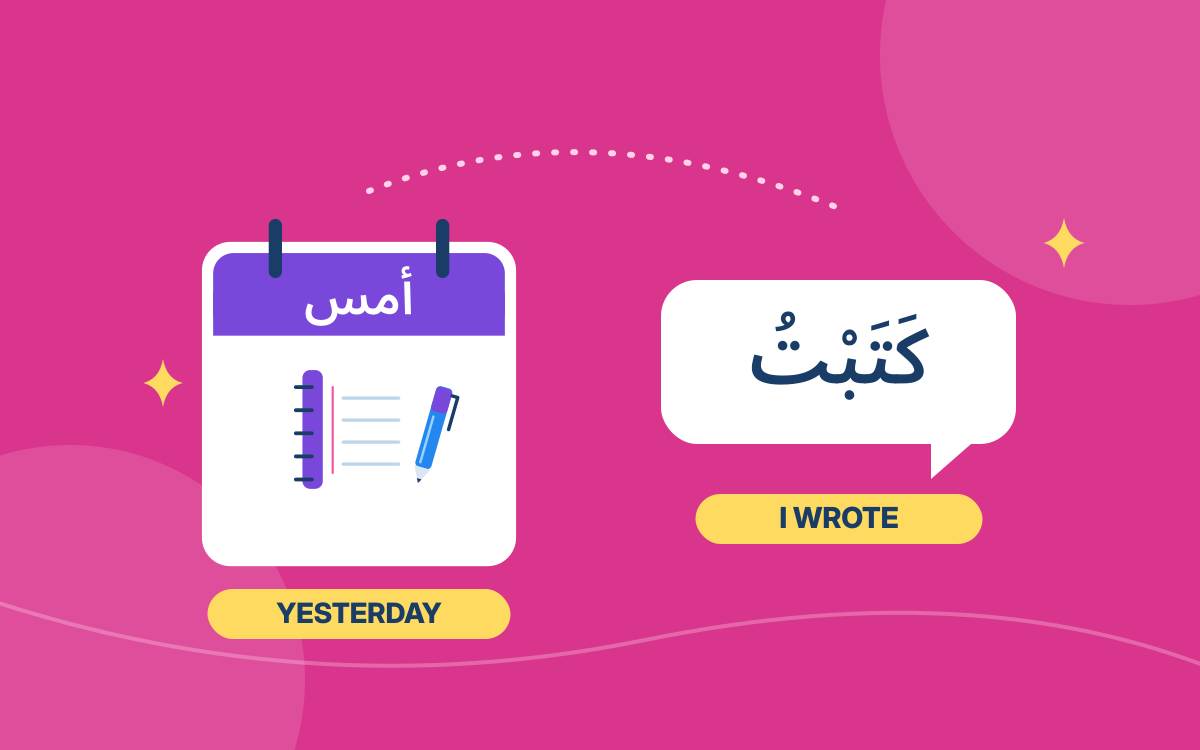
What I Did Yesterday in Arabic: 6 Simple Past-Tense Sentences
غَسَلْتُ الْخُضْرَوَاتِ
Recognise completed first-person actions in an account of cooking.
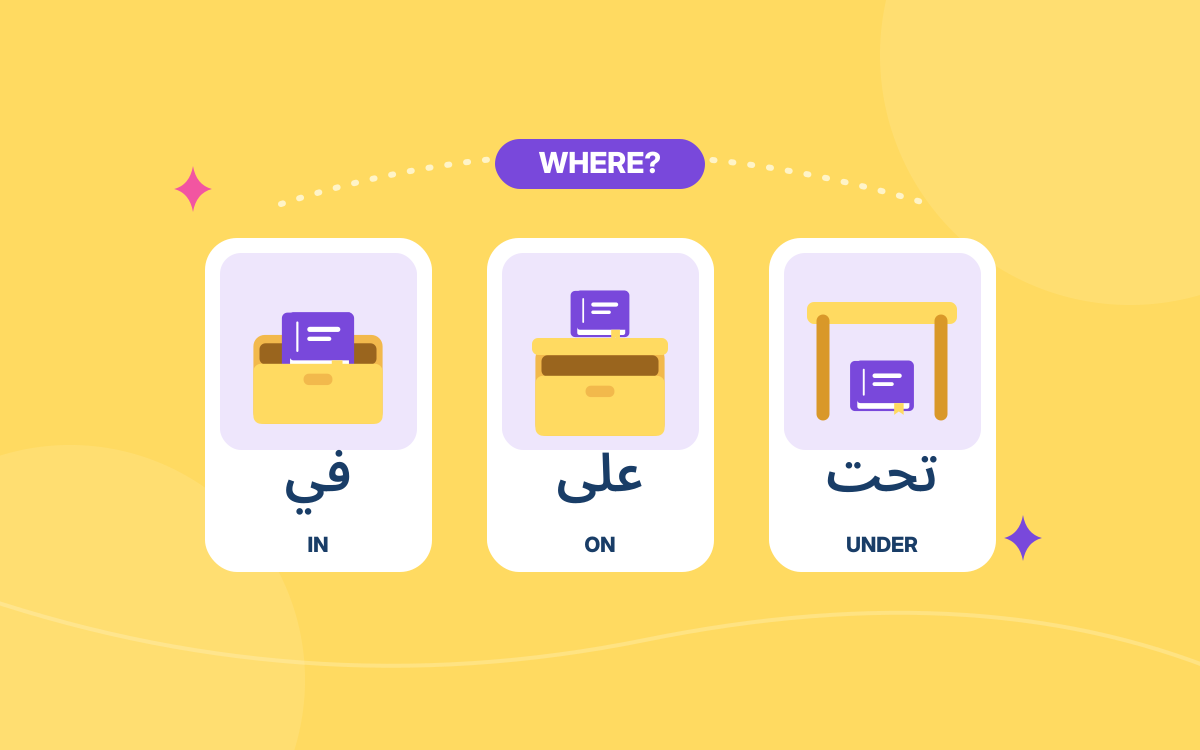
Arabic Prepositions: In, On, Under and Next To
فِي الْقِدْرِ
Describe where the ingredients went.
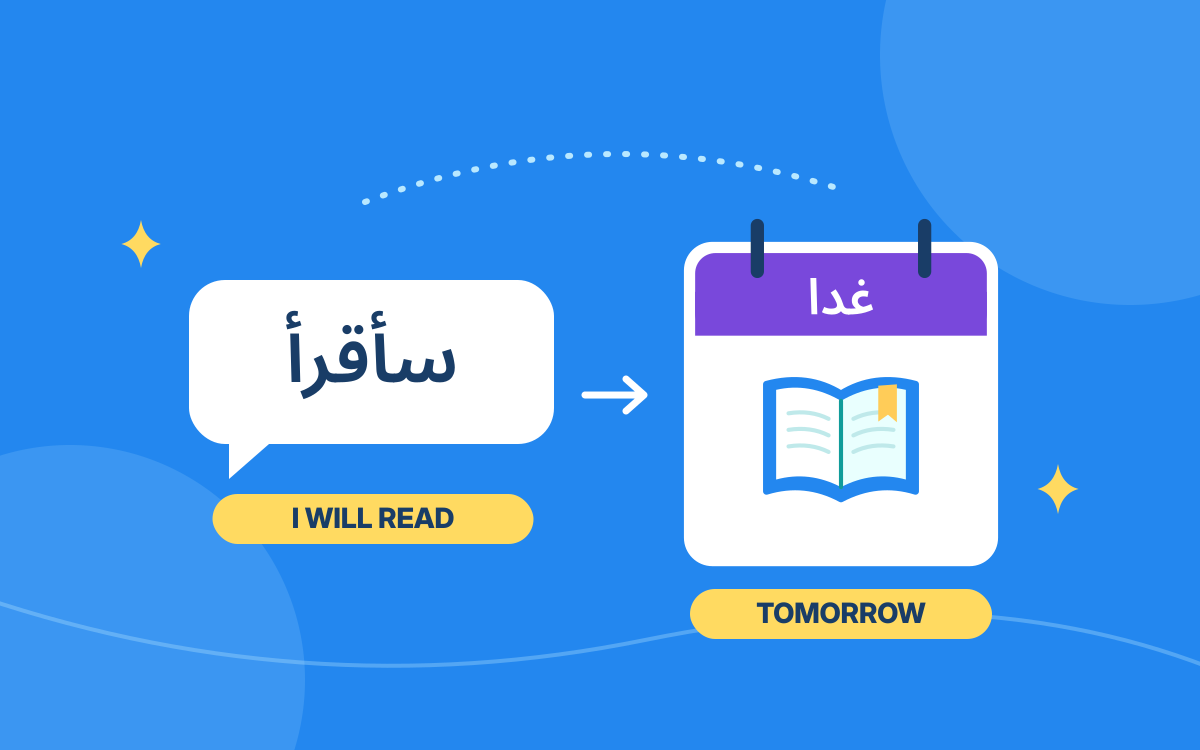
Arabic Future Tense for Beginners: Talk About Tomorrow
سَأَطْبُخُ الْحَسَاءَ
State a plan to repeat a successful activity.