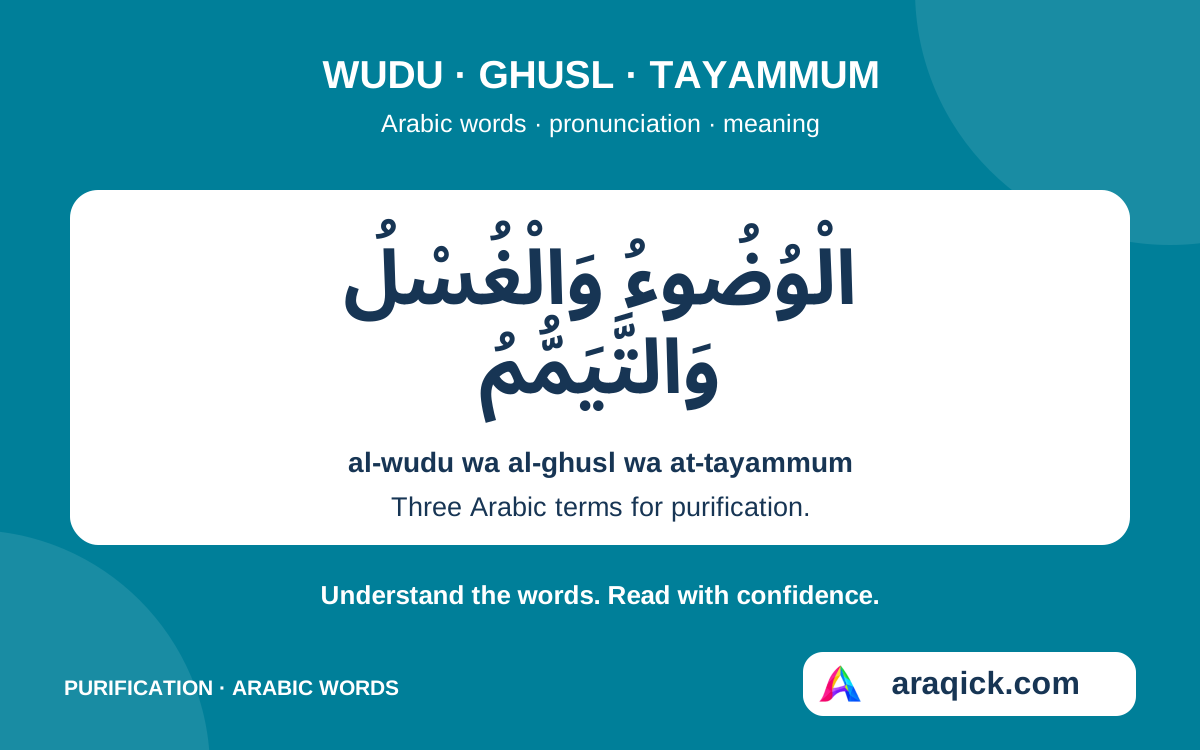
وُضُوءٌ (wudu) names ritual ablution, غُسْلٌ (ghusl) names a full ritual bath, and تَيَمُّمٌ (tayammum) names ritual purification using clean earth when its conditions apply. They are related purification terms with different meanings, rather than three spellings for ordinary washing.
01Three words within one topic
The wider topic is طَهَارَةٌ (taharah), purification or ritual purity. Wudu, ghusl and tayammum name particular practices within it. English translations sometimes call both wudu and tayammum ablution, so adding a short explanation makes the distinction clearer.
Quran 5:6 discusses washing, purification and tayammum in connection with prayer. Quran 4:43 also mentions purification and tayammum. These passages give the vocabulary its religious context. This article explains the language; a word definition alone cannot settle the conditions or detailed method of a practice. Learn the separate terms before comparing longer descriptions.
02Wudu: ritual ablution
وُضُوءٌ (wudu) names ritual ablution, commonly described in English as purification through washing and wiping specified parts of the body. It is not simply the Arabic word for any handwashing. In a religious sentence, the noun identifies a recognised act of purification.
هَذَا مَكَانُ الْوُضُوءِ.
hadha makanu alwudu
This is the place for wudu.
This fresh example could describe a washing area at a mosque. The phrase makanu alwudu means the place for ablution. Sahih al-Bukhari 135 uses the associated verb for performing wudu. Notice that a location phrase names where the activity occurs without explaining its complete method.
03Ghusl: the full ritual bath
غُسْلٌ (ghusl) names ritual bathing of the whole body. The related root concerns washing. However, an ordinary shower mentioned in a conversation is not automatically being discussed as ritual ghusl; intention and religious context belong to the practice, while this guide concentrates on what the word names.
The everyday verb غَسَلَ (ghasala) means washed. Compare the verb and the ritual noun without treating them as identical. Arabic roots connect a family of meanings, but a particular pattern and context determine the word in front of you. Our root and dictionary guide develops that distinction.
04Tayammum: purification with clean earth
تَيَمُّمٌ (tayammum) names a ritual purification involving clean earth rather than the water-based washing associated with wudu and ghusl. It is often translated dry ablution. That label helps contrast the medium; it does not mean ordinary dusting or describe an unrestricted alternative chosen simply for convenience.
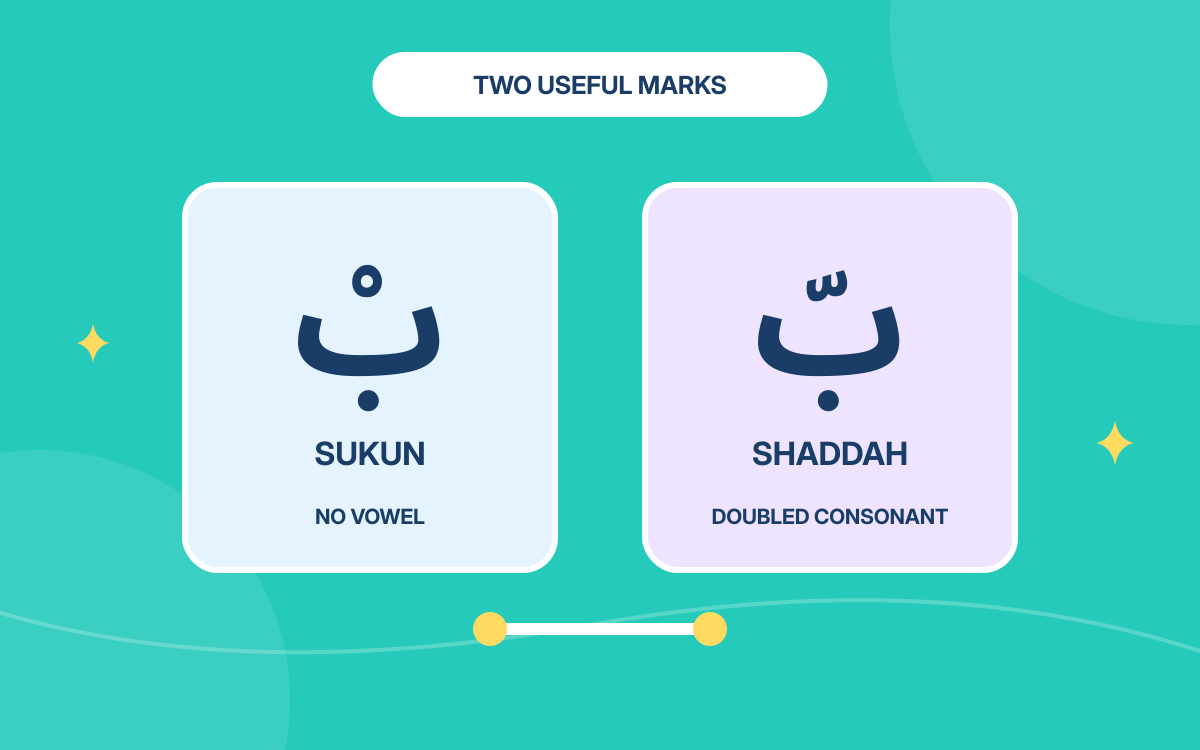
Quran 5:6 and 4:43 place tayammum within particular circumstances. Keep that context attached to the vocabulary without turning a short language article into a list of legal rulings. The doubled m is part of the word itself: the shaddah marks the consonant length. Our sukun and shaddah guide explains the sign.
05Pronunciation: notice the sounds English hides
Use wu-doo for wudu, ghusl for ghusl and ta-yam-mum for tayammum as rough reading aids. Wudu has a long oo, an emphatic dad and final hamza. Ghusl begins with ghayn, a voiced throat sound, followed by short u and a consonant cluster. Do not replace ghayn with an ordinary hard g.
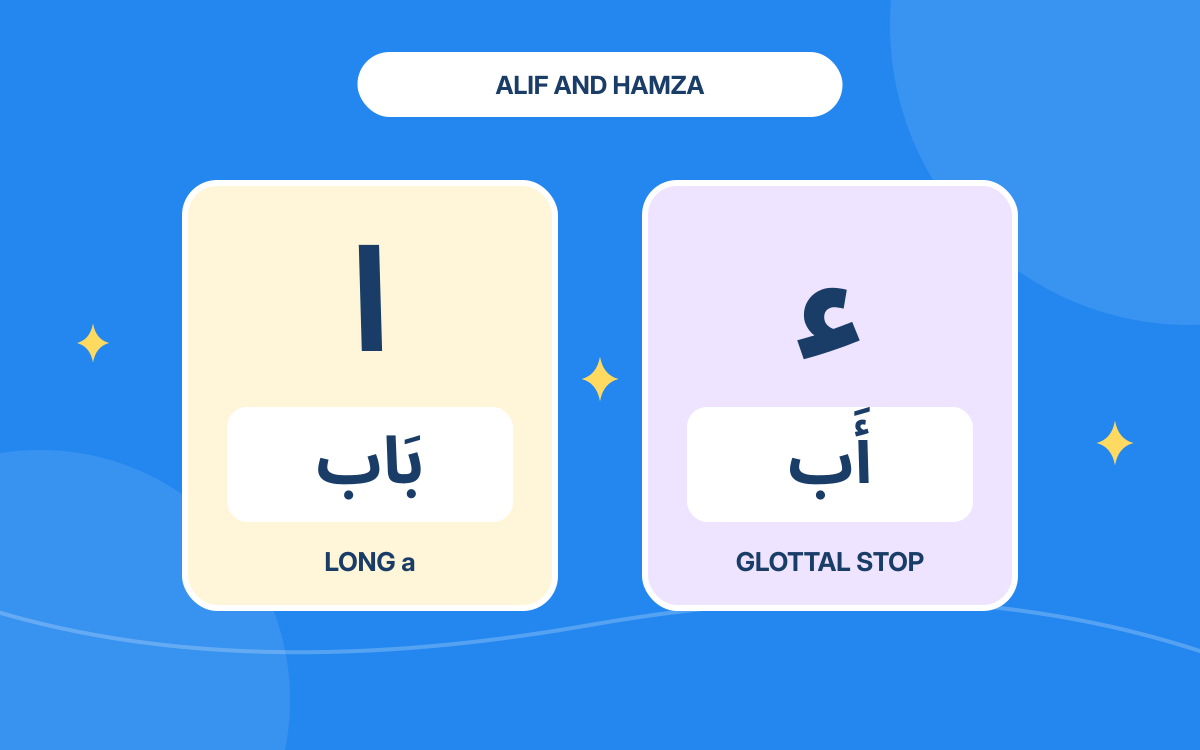
In tayammum, keep the doubled m clear rather than stretching every vowel. The final un visible in fully marked dictionary forms is an ending that usually disappears at a pause. Roman spellings such as wudhu and wudu may represent the same Arabic noun. Our hamza guide helps explain the final consonant in wudu.
06Separate ritual vocabulary from ordinary actions
غَسَلْتُ يَدَيَّ بِالْمَاءِ.
ghasaltu yadayya bilmaa
I washed my hands with water.
This original sentence reports handwashing. It does not by itself say that the speaker performed wudu. The verb ghasaltu means I washed; yadayya means my two hands; bilmaa means with water. Adding a religious noun would make a different claim.
When you encounter these words, first identify whether the text names a ritual practice or an ordinary physical action. Then check the full sentence before translating. For the prayer vocabulary often found nearby, see salah and dua. This approach preserves both the everyday and specialised meanings of Arabic words.
What to remember
- Wudu, ghusl and tayammum name distinct practices within purification.
- Tayammum is commonly called dry ablution and applies within specific conditions.
- General washing verbs do not automatically identify a ritual practice.
Your reference shelf
Open a guide whenever you need it.
Compare the three purification termsLearn the noun together with its specialised meaning.
| Arabic | Reading | Meaning |
|---|---|---|
| وُضُوءٌ | wudu | Ritual ablution |
| غُسْلٌ | ghusl | Full ritual bath |
| تَيَمُّمٌ | tayammum | Ritual purification with clean earth under its conditions |
| طَهَارَةٌ | taharah | Purification or ritual purity |
Everyday words in the examplesThese words describe an action, location or material.
| Arabic | Reading | Meaning |
|---|---|---|
| مَكَانٌ | makan | A place |
| غَسَلَ | ghasala | He washed |
| مَاءٌ | maa | Water |
| بِالْمَاءِ | bilmaa | With water |
| يَدَيَّ | yadayya | My two hands |
Sources & further learning
References for the language explanations and learning guidance.