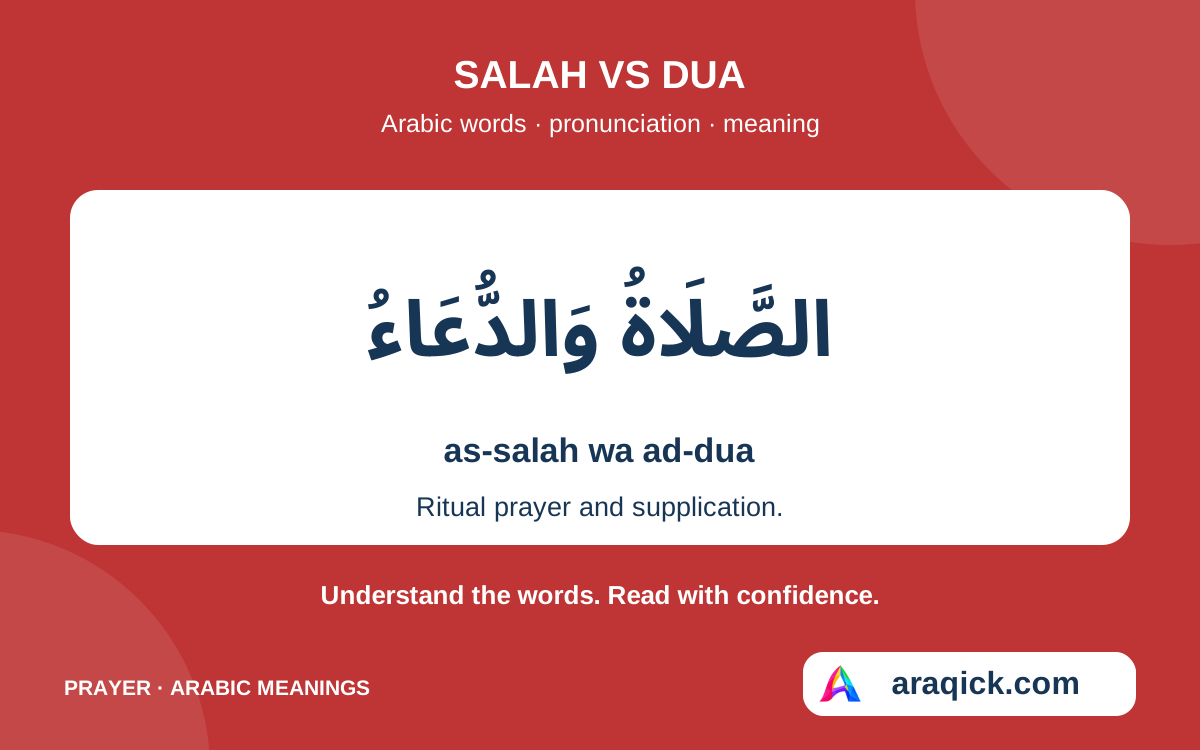
صَلَاةٌ (salah) usually names the structured ritual prayer in Islamic conversation. دُعَاءٌ (dua) means supplication or invocation: calling upon God. English often translates both as “prayer,” but the Arabic words are not interchangeable. Salah can include supplication, while dua also occurs outside salah.
01Why does English use prayer for both?
English prayer can describe an organised act of worship or a personal appeal to God. Arabic often distinguishes these with salah and dua. A translation saying “time for prayer” may refer to salah; “a prayer for someone” may describe a dua. The surrounding sentence decides the meaning.
Think of a named activity and something said in devotion. The concepts can overlap without becoming synonyms. Quran 2:43 speaks of establishing salah, while 2:186 describes a person calling upon God. These examples show different uses rather than two competing translations of one Arabic word.
02What does salah mean in Islamic usage?
صَلَاةٌ names ritual prayer with its recognised form. You may also see salat in English: the final Arabic letter is ta marbutah, whose sound depends on how the word connects. Salah is a convenient pause-form reading; salat appears in connected forms and many established transliterations.
هَذَا وَقْتُ الصَّلَاةِ.
hadha waqtu assalah
This is the time for prayer.
This fresh language example identifies a prayer time. It does not give a clock time or describe the words of a personal request. Learn the noun together with a phrase, so that spelling and meaning reinforce one another.
03What does dua mean?
دُعَاءٌ means supplication or invocation in this religious setting. It is connected with calling or appealing, rather than naming a sequence of prayer movements. Its plural is أَدْعِيَةٌ (adiyah). The verb دَعَا (daa) can mean called or supplicated, according to context.
هَذَا دُعَاءٌ قَصِيرٌ.
hadha duaun qasir
This is a short supplication.
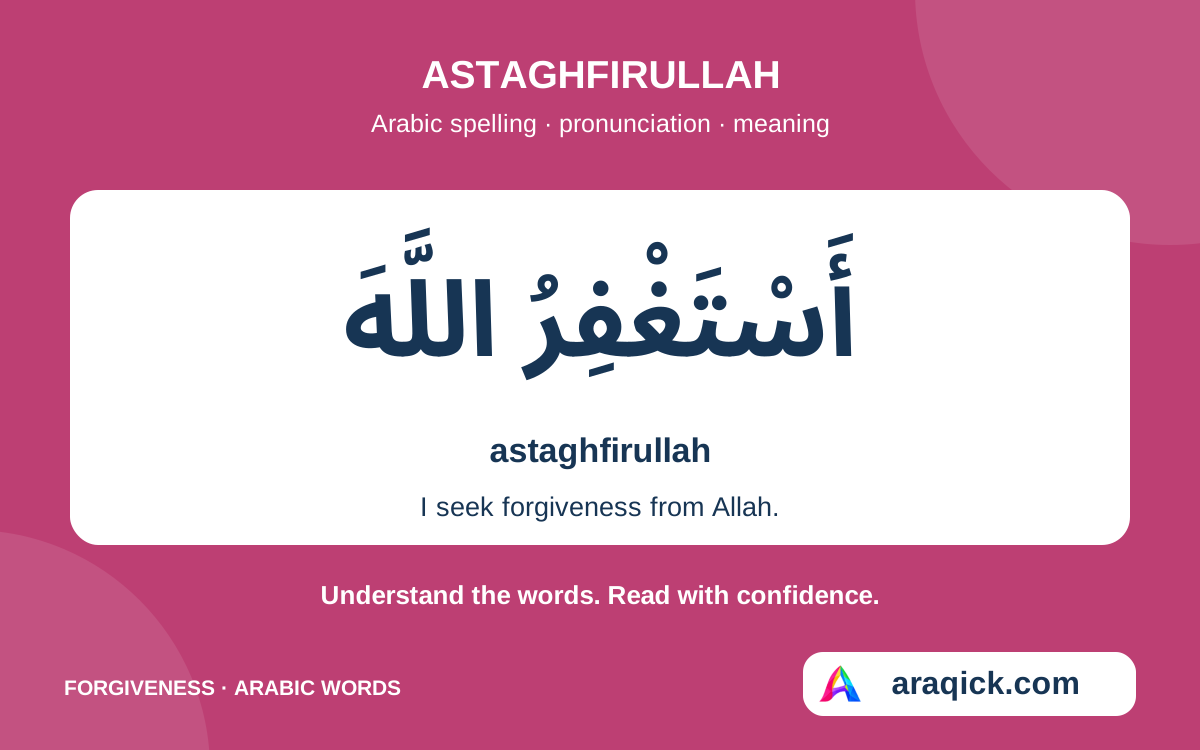
A dua may ask for forgiveness, guidance or well-being. Our Astaghfirullah guide explains an expression that asks God for forgiveness. The purpose and wording matter more than whether an English caption happens to use prayer or supplication.
04Read the Arabic sounds carefully
A plain reading aid is sa-laah and du-aa. Both include a long aa, but their consonants differ. Salah starts with sad, an emphatic s sound. Dua contains ayn after the short u and ends with hamza, a glottal closure. The simplified English spelling dua hides both of those consonants.
Practise from Arabic rather than adding an English w between the vowels. These reading aids help you recognise a word; listening supplies details that plain letters cannot fully represent. Our alif and hamza explanation helps you recognise the final hamza, and our roots guide explains why related forms can look different.
05Does salah always mean ritual prayer?
No. Related forms also concern blessings and invoking blessings, as in Quran 33:56. The subject and context change the explanation. When the verse speaks of God and the angels, it does not describe them performing a human ritual prayer. Avoid assigning one English gloss to every occurrence of a root.
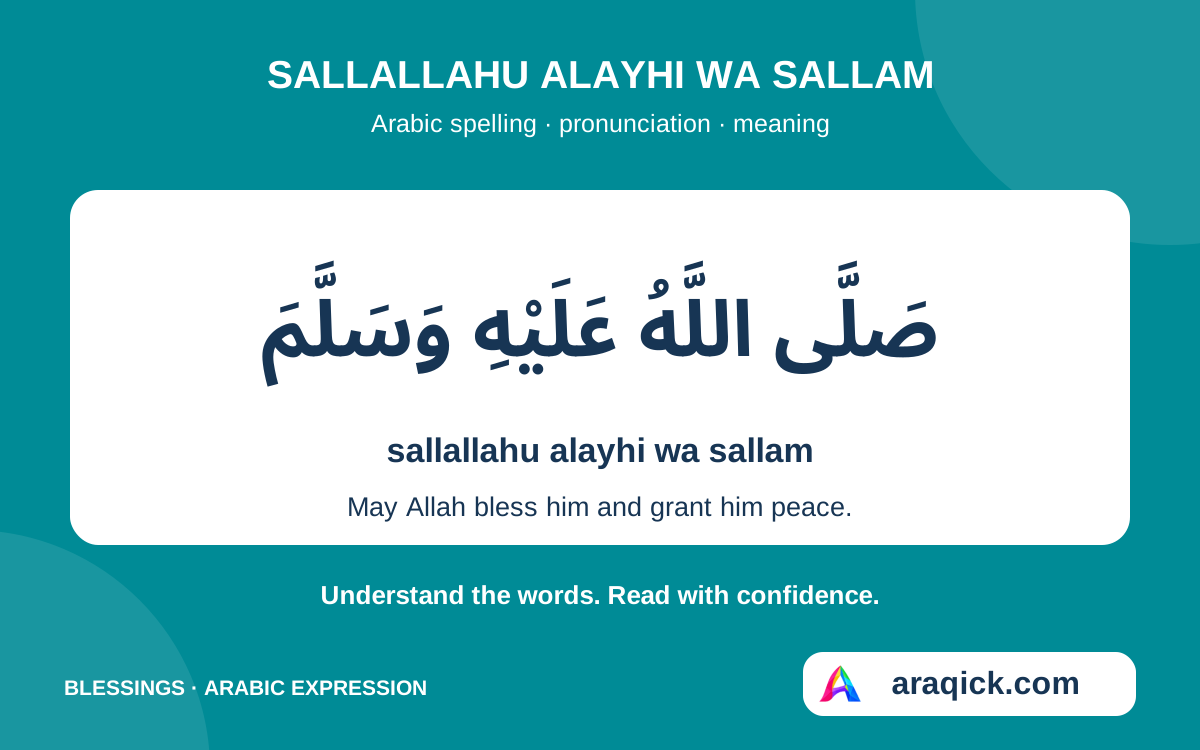
Our Sallallahu Alayhi Wa Sallam article explains a familiar blessing formula. In an ordinary timetable, however, salah usually refers to ritual prayer. Read the whole construction before choosing between prayer, blessing and supplication.
06Understand the relationship in a sentence
أَدْعُو اللَّهَ بَعْدَ الصَّلَاةِ.
adu allaha bada assalah
I supplicate to Allah after the prayer.
In this illustrative sentence, the verb describes supplication and the final noun names ritual prayer. The example describes one situation; it does not prescribe a timing rule. It shows how two related devotional ideas can occupy different grammatical roles.
When reading a translation, ask what action the Arabic sentence describes. Is someone performing salah, or calling upon God with a request? Then check whether a special blessing formula changes the context. This habit gives a more accurate understanding than replacing every occurrence with the same English word.
What to remember
- Salah commonly names ritual prayer; dua names supplication or invocation.
- English prayer can translate either word, so read the context.
- Salah-related forms can also concern blessings, as in Quran 33:56.
Your reference shelf
Open a guide whenever you need it.
Salah and dua side by sideCompare common Islamic usage without treating the words as synonyms.
| Arabic | Reading | Common meaning |
|---|---|---|
| صَلَاةٌ | salah | Ritual prayer; other meanings depend on context |
| دُعَاءٌ | dua | Supplication or invocation |
| أَدْعِيَةٌ | adiyah | Supplications, plural of dua |
Recognise the words in short phrasesThese constructions show the noun or verb in use.
| Arabic | Reading | Meaning |
|---|---|---|
| وَقْتُ الصَّلَاةِ | waqtu assalah | Prayer time |
| دُعَاءٌ قَصِيرٌ | duaun qasir | A short supplication |
| أَدْعُو اللَّهَ | adu allaha | I supplicate to Allah |
Sources & further learning
References for the language explanations and learning guidance.